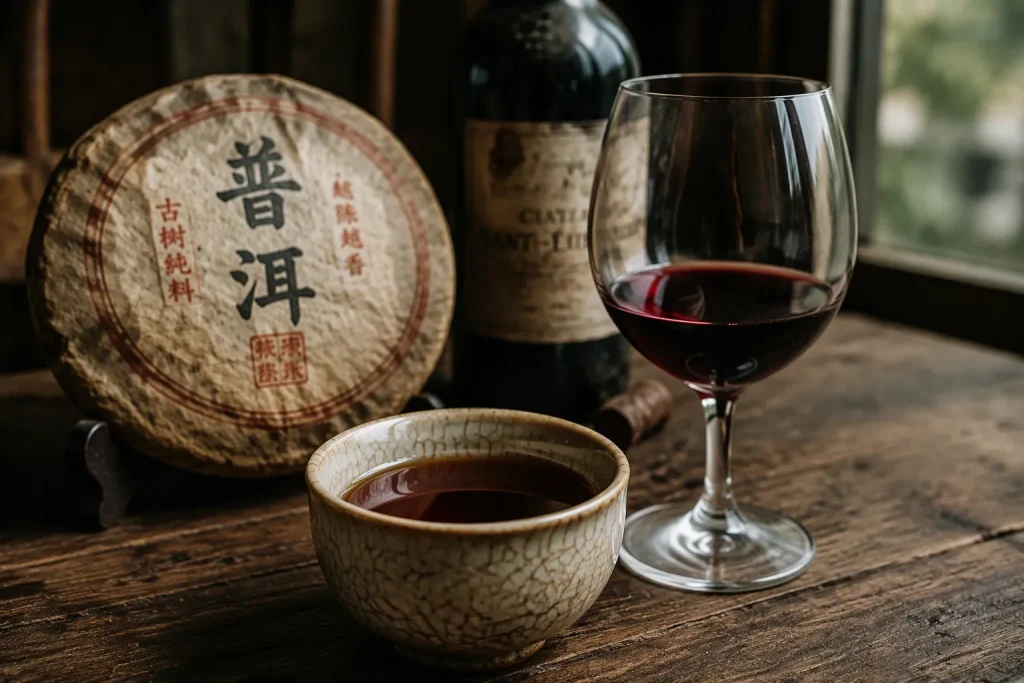
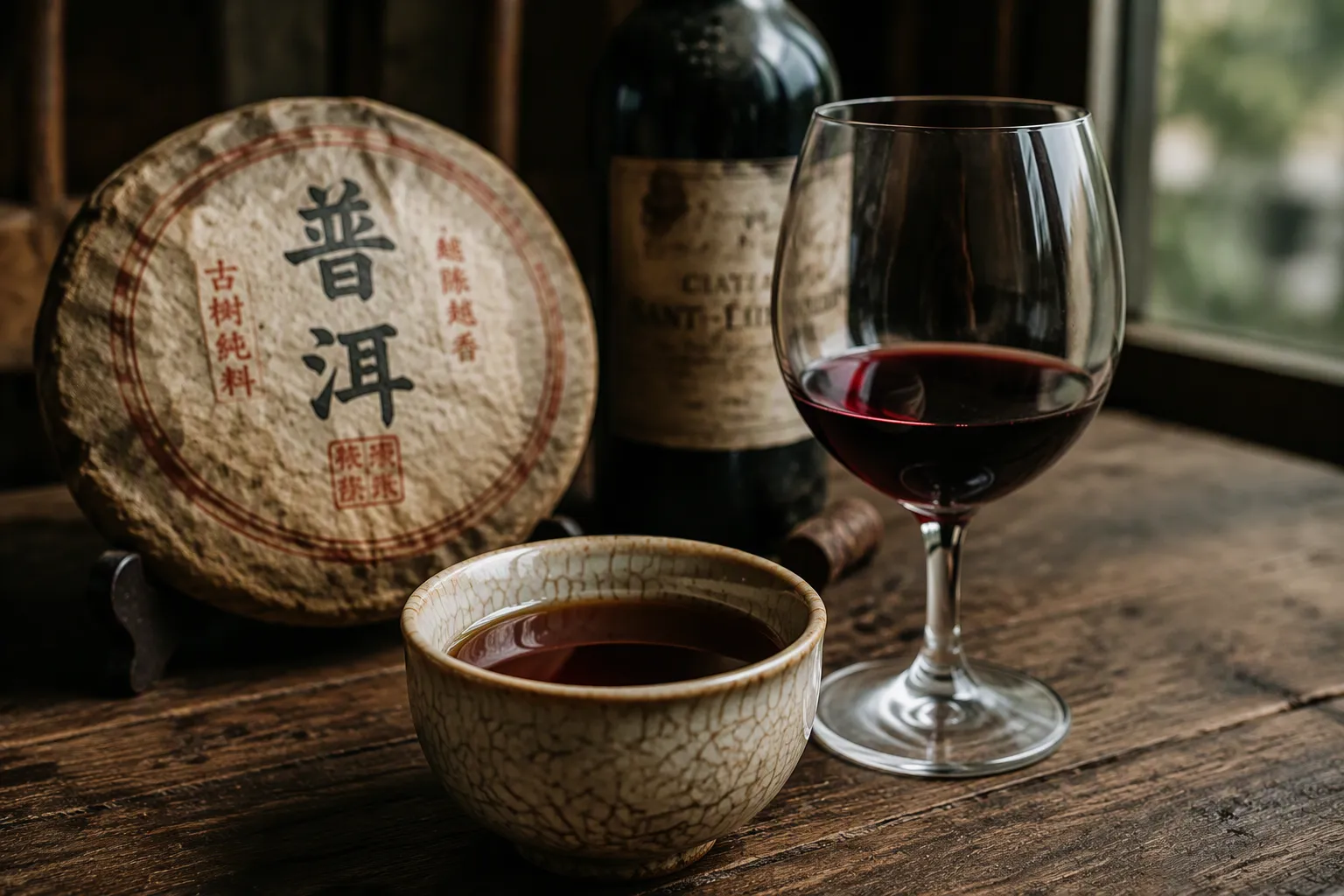
In a collector’s cellar, a dusty tea cake gains value beside an aged Bordeaux. Both drinks reward patience. The leaves transform because microbes and oxygen keep working long after production. This slow fermentation reshapes the leaf’s chemistry. Bitterness fades. Flavor deepens. That is why pu-erh tea gets better with age. The process mirrors wine’s improving with age. Time softens harsh notes and builds complexity. You taste the change in your cup. Young leaves feel sharp and green. Older ones turn smooth, sweet, and dark. Collectors pay more for well-kept cakes each year. That patience pays off. Age does the rest.
Key Takeaways
Pu-erh tea gets better as it ages because of tiny living things breaking it down and changes in its makeup.
Bitterness fades and sweetness grows as catechins break down over time.
To age pu-erh well, keep it at about 65% humidity and 65-75°F.
As pu-erh gets older, it develops deep flavors such as wood, dried fruit, and camphor.
Waiting pays off with tea that is smoother and worth more, just like good wine.
Why Pu-erh Tea Gets Better with Age
Most teas stop changing once producers fire the leaves. Pu-erh is different. It keeps changing for many years. This is why pu-erh tea gets better with age. Tiny living things and enzymes cause a special process that only pu-erh has. The living cake acts more like a wine cellar than a normal pantry item.
The Role of Post-Fermentation
Post-fermentation is a natural process that never really stops. During pile fermentation, microbial enzymes called esterases break down ester-type catechins like EGCG into EGC and gallic acid. You can think of this as a pre-digestion step that happens outside the body. The microbes remove bitter compounds before you even brew the leaves. The chemistry changes in ways you can measure. Ester-type catechins drop below what can be detected. Theabrownins rise sharply. Thearubigins go down, and gallic acid builds up, which creates a sweet aftertaste. A 2024 study in Molecules confirmed that fungi and bacteria from the air, including Aspergillus niger, Penicillium, and Bacillus species, live on the cake. They keep changing the leaf material for years.
The microbial community changes as time goes by. Early on, fungi are in charge. Later, bacteria take over. Key yeasts like T. ciferrii help create methoxy-phenolic compounds, which give the tea its cellar smell. Each species adds to the final flavor. Together, they turn sharp young leaves into a smooth, layered brew. Fungi and bacteria work together in a careful balance. Bitterness fades, and sweetness grows. This chemical reaction explains why pu-erh tea gets better with age.
Sheng vs Shou: Two Aging Paths
You will find two main types: sheng (raw) pu-erh and shou (ripe) pu-erh. The difference between sheng and shou pu-erh comes down to how they ferment. Sheng (raw) pu-erh ages slowly and naturally over many years. This traditional aging process creates dried fruit, wood, and camphor flavors. Well-aged sheng becomes thick and smooth in your mouth. A well-stored raw cake keeps getting better for years. The traditional aging method takes many years to fully develop. Ancient-tree leaves have more potential to grow complex over time.
Shou (ripe) pu-erh takes a faster path. Producers use wet-piling. This sped-up wet-piling process packs the change into just weeks. The method copies what normally takes many years. The leaves quickly turn a deep red-brown color. Ripe (shou) pu-erh tastes smooth sooner than its raw counterpart. The wet-piling itself shifts from fungi being in charge to bacteria being in charge as fermentation goes on. This method gives shou a head start, but sheng still catches up given enough time.
The sheng vs shou debate often confuses people who are new to pu-erh. In sheng vs shou, how fast the tea changes matters most. Sheng evolves slowly. Shou starts from a sped-up state. Both styles make a drink that gets smoother and sweeter over time. Raw and ripe pu-erh cakes keep evolving gracefully. Raw and ripe styles share the same final goal: a lasting sweetness called huigan. The raw and ripe split defines the pu-erh world. Some drinkers like one, then later come to like the other.
Buyers often ask for comparisons. Yet they confirm the same truth. You can taste the difference side by side. Slowly and naturally over many years, both styles mellow and sweeten. This is the heart of pu-erh’s appeal. Patience becomes part of the recipe. Aged cakes become more valuable each year. Collectors pay higher prices for this post-fermented tea. This post-fermented tea holds value like fine wine. Age does the rest.
Chemical Changes Behind Pu-erh Tea Aging
The chemistry inside a pu-erh cake is always active. Compounds break down. New ones form. This steady change is why pu-erh tea gets better with age. You can follow these changes in the lab. Scientists measure how molecules rise and fall over time. The results show a clear pattern. Harsh compounds fade away. Smooth ones build up. Your tongue notices the difference long before you read any study.
Catechins Fade, Bitterness Softens
Catechins are the main cause of bitterness and astringency in young tea. These molecules are part of a group called polyphenols. They give fresh leaves their sharp, drying bite. Over time, they break down. A sensory study tracked four key compounds during storage. The table below shows what happens.
Compound | Change During Aging | Link to Bitterness/Astringency |
|---|---|---|
EC (epicatechin) | Peaked early, then declined | Positive correlation (p < 0.05) |
ECG (epicatechin gallate) | Peaked early, then declined | Strong positive correlation (p < 0.05 or p < 0.01) |
EGCG (epigallocatechin gallate) | Dropped from 0.82 ± 0.02 mg/g to 0.27 ± 0.03 mg/g | Primary contributor; strong positive correlation |
Caffeine (CA) | Stable at 33.72–37.31 mg/g | Not correlated with sensory change |
EGCG matters most. It causes the bitter punch in young sheng. As it drops, bitterness and astringency scores fall a lot (p < 0.05). Sweetness scores rise at the same time. The study found a negative correlation between most catechins and sweetness (p < 0.001). Simply put, as catechins break down, the tea tastes sweeter. Caffeine stays stable. It plays no role in this softening. The tea mellows with age because these bitter molecules just disappear.
New Compounds, Deeper Flavor
Catechin breakdown does not leave an empty space. It feeds new chemistry. Microbial enzymes turn some catechins into gallic acid. Wang et al. (2011) recorded this change during fermentation. Gallic acid adds a mild sour note. It also supports the mellow taste you find in aged pu-erh. Other catechins polymerize into larger pigments. Thearubigins form this way. They give the brew its reddish-brown color and leathery, earthy character. Theabrownins rise sharply. They act as key taste-active compounds. They create the smooth, thick mouthfeel that collectors chase.
Volatile compounds also show up. 1-Octen-3-ol, 6-methyl-5-hepten-2-one, and (E,E)-3,5-octadien-2-one carry the mushroom-like aroma. These molecules were not in the young leaf. They form through years of aging. Soluble sugars and caffeine round out the taste profile. The result is a drink with layers. You taste wood, dried fruit, and camphor. Each note comes from a specific chemical change. The age of a cake determines how far these reactions have gone. A young cake tastes green and sharp. A decades-old cake brews soft and dark. The chemistry tells the whole story.
Pu-erh and Wine: A Shared Aging Story
Tannins, Terroir, and Patience
You already know wine gets better in a cellar. Pu-erh tea goes through a similar journey. Both drinks rely on tannin evolution. In wine, tannins from grape skins and seeds create a dry, puckering feel. Over time, these molecules link together and soften. The wine tastes smoother and more balanced. Pu-erh works the same way. Bitter catechins break down and fade. The brew turns gentle and sweet.
Terroir matters for both drinks. Wine lovers talk about soil, slope, and climate. Tea collectors do the same. Leaves from different Yunnan mountains taste distinct even when processed identically. Regions like Yiwu, Bulang, and Jingmai carry their own reputations. The table below shows how terroir shapes both products.
Aspect | Pu-erh | Wine Grapes |
|---|---|---|
Terroir sensitivity | Different mountains yield different flavor, body, and price | Burgundy and Barolo express origins differently |
Vintage variation | A 2005 pressing differs from a 2010 pressing | Vintage is a core wine concept |
How you store a cake matters as much as the leaf | Storage temperature alters development |
Patience rewards you in both worlds. A well-kept cake and a well-cellared bottle both gain complexity over time.
Where the Comparison Stops
The two drinks differ in how they change. Wine depends on yeast and controlled oxygen. Sealing a bottle slows the aging process. Too much oxygen turns wine sour. Pu-erh depends on microbial fermentation. Fungi and bacteria live on the cake and keep working for years. Humidity drives this process. Tea has low water content, so moisture becomes the rate-determining step. Enough humidity speeds up microbial aging. Excess moisture ruins the cake. Sealing pu-erh tea stops its development entirely. Breathable packaging lets the leaves keep evolving.
You can enjoy a bottle of wine only once. A single 357g cake of aged pu-erh brews many times over years. Each session reveals new layers. That slow, ongoing change makes pu-erh tea special. The age of a cake tells a story you can taste.
Storing and Aging Pu-erh at Home
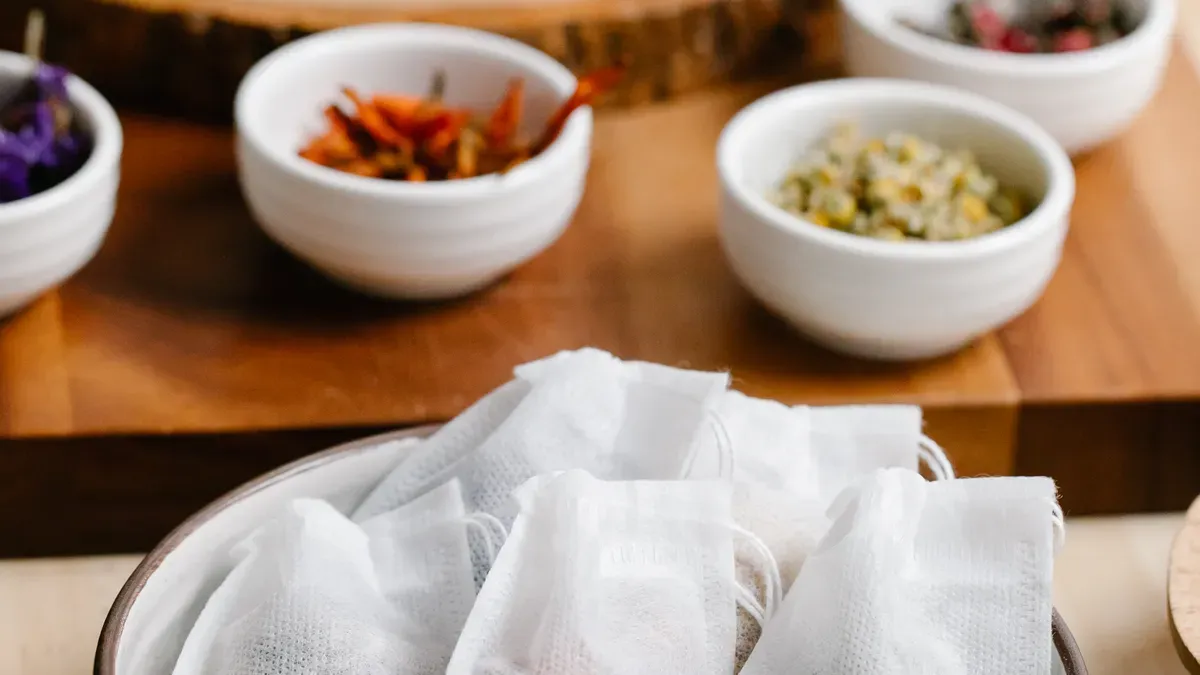
A corner of your home can become a small tea cellar. Storing and aging pu-erh needs careful attention. Three factors matter the most: humidity, temperature, and airflow. Get these right, and your tea cakes will change beautifully over the years.
Humidity, Temperature, and Airflow
Relative humidity drives how fast pu-erh ages. For sheng pu-erh, around 65% RH is best. That level is high enough for slow natural changes but low enough to keep mold away. For shou pu-erh, keep RH at 60–65% for a cleaner taste. If RH stays above 70% for long, mustiness and mold become likely. Below 60%, the tea tastes weak and flat. The table below shows how humidity changes the outcome.
Relative Humidity (RH) | Effect on Pu-erh Aging |
|---|---|
65–70% | Best range for clean fermentation |
Below 60% | Tea gets weak, aroma fades |
Above 75% | Sour notes develop, mold risk jumps |
Keep the temperature between 65 and 75°F (18–25°C). Do not let it change a lot from day to day. Keep the tea in the shade and do not move it. Strong airflow makes the tea lose moisture faster and blocks healthy aging. Use a breathable wrapper like paper, not a sealed tin. Moisture in the tea should stay below 14%; below 7%, fermentation stops.
Choosing the Right Tea and Vessel
Pick young sheng cakes that are very bitter and dry. These bold traits mean the tea can age well. Fast huigan (returning sweetness) is another good sign. Region matters too. Bulang Mountain and Menghai teas develop depth and a lasting sweet taste after 15–20 years. Yiwu sheng ages smoothly with softer complexity.
For storage, unglazed clay jars work best. They let air pass and keep humidity steady. You can also use a clean, food-safe plastic bin with a tight lid. Put two-way humidity packs inside and aim for 65% RH. Use a digital hygrometer to check moisture levels. Keep storage away from kitchens and strong smells.
While you learn to brew pu-erh tea, serve your aged cakes in handmade ceramic cups from clayesouk. These cups from Jingdezhen have special glazes that match the tea’s changing character. The careful work adds beauty to each session. When you explore pu-erh brewing, you will understand how the right cup makes the experience better.
You now understand why pu-erh tea gets better with age. Microbial fermentation and slow chemical shifts soften bitterness. New compounds build depth and sweetness. Well-kept cakes gain complexity and value each year. This mirrors fine wine. Both drinks reward patience in the cellar.
Taste an aged pu-erh to see the difference yourself. Start a small aging experiment at home. Visit a tea shop and try a mature cake. Serve it in a handmade clayesouk cup from Jingdezhen. Their artisan glazes complement the tea’s evolving character. The rewards of aging tea await your first sip.
FAQ
How long does Pu-erh tea need to age?
Sheng Pu-erh changes noticeably after 5 to 10 years. It reaches deep complexity after 15 to 20 years. Shou Pu-erh starts smooth because producers ferment it first. You can drink shou right away. Both styles keep improving with proper storage.
Does aged Pu-erh tea contain caffeine?
Yes. Caffeine stays stable during aging. Studies show it remains at similar levels over many years. The tea feels softer because bitter catechins break down. Caffeine itself does not fade. You still get the same gentle lift from an old cake.
Can you age Pu-erh tea in a sealed container?
No. Sealing stops the aging process. The microbes need air to keep working. Use breathable paper wrappers or unglazed clay jars. Keep the tea away from strong smells. Gentle airflow lets the leaves evolve.
What humidity does Pu-erh tea need for aging?
Aim for around 65% relative humidity. Below 60%, the tea turns weak and flat. Above 75%, mold and sour notes become a risk. Use a digital hygrometer to check levels. Keep the temperature steady between 65 and 75°F.
Does aged Pu-erh tea really taste better?
Most drinkers say yes. Bitterness fades. Sweetness and depth grow. You taste wood, dried fruit, and camphor instead of sharp green notes. Serve an aged cake in a handmade clayesouk cup from Jingdezhen. The artisan glaze complements the tea’s mellow character.