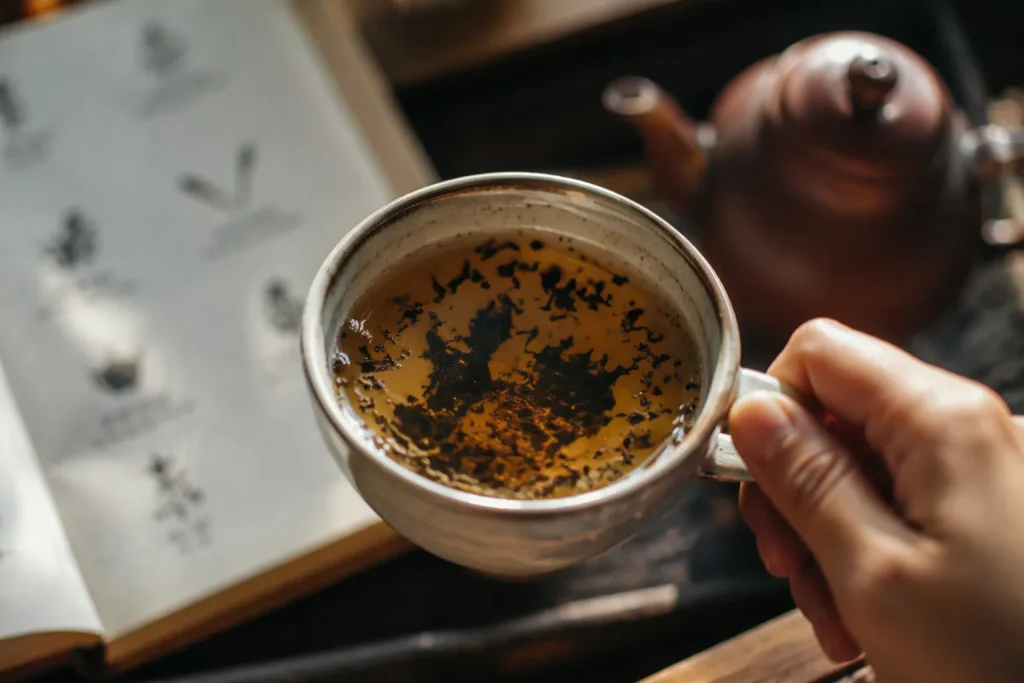
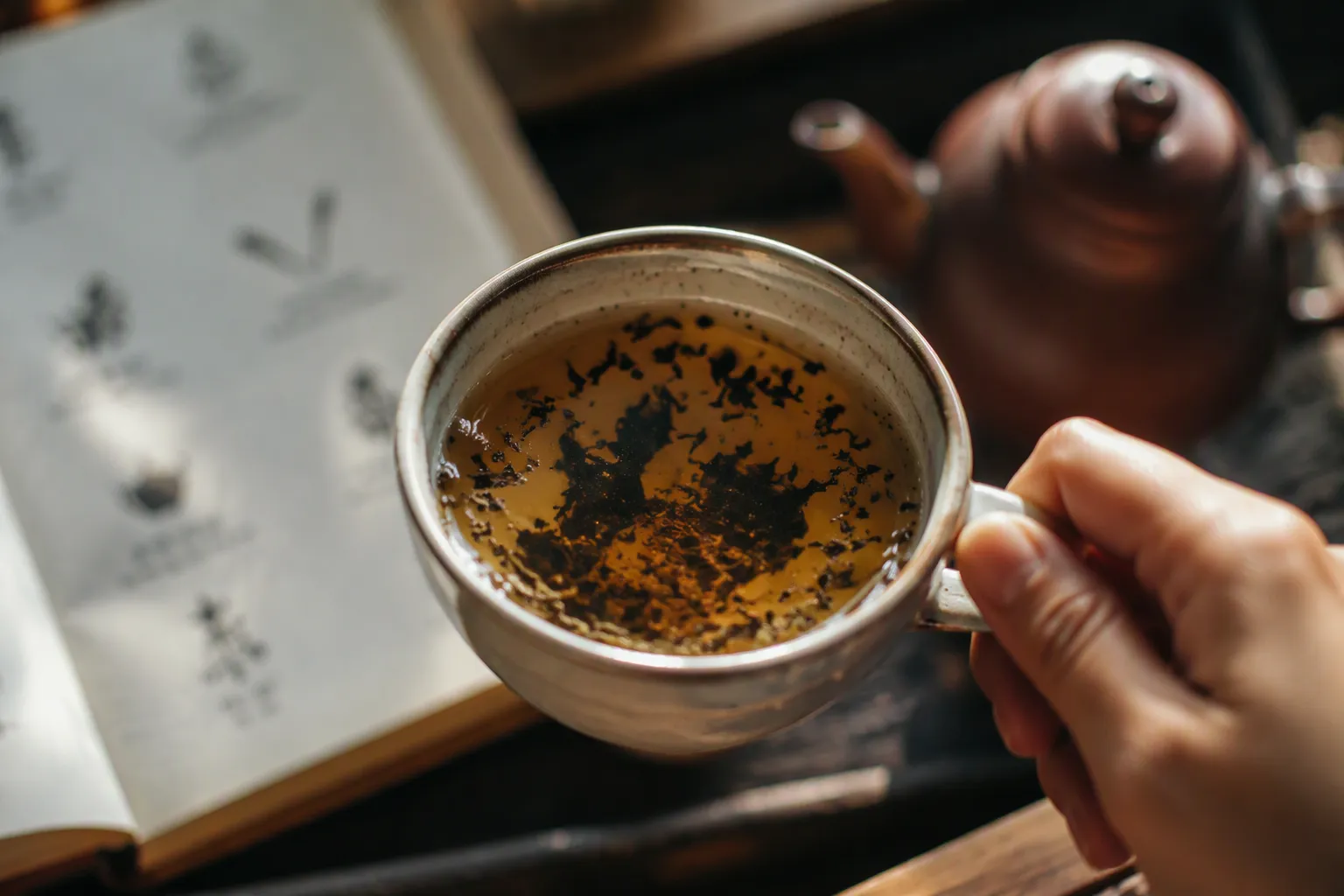
Learning how to read tea leaves is a fun, mindful game, not fortune-telling. Think of it as cloud-watching in a cup: you sip, you swirl, you notice shapes. We’ll walk you through how to read tea leaves step by step, then share a few things to look for. No pressure, no predictions — just play.
Key Takeaways
Tea leaf reading is a fun game, not fortune-telling. Enjoy it like cloud-watching.
Use loose leaf tea and a light-colored cup. Swirl, flip, and look for shapes.
Share the fun with friends. Compare what you see and laugh together.
How to Read Tea Leaves: The Simple Steps
People call this activity tasseography. You do it for fun, not for real fortune-telling. The basics of reading tea leaves are simple. You can learn how to read tea leaves in one sitting. Tea leaf reading became popular in Europe in the 17th century, when tea from China first reached the British public. The practice is said to have started in China long ago. Victorian families turned it into a parlor game. The Romani people helped spread the practice through parlors and tea rooms. A reader is called a tasseographer. Today you can enjoy it the same way: as a playful, mindful ritual. You need no special tools beyond a cup and a saucer.
Loose Leaf Tea for Tea Reading
Start with loose leaf blends. Black tea works best because its leaves stand out against a light interior. Assam, Darjeeling, Ceylon, Keemun, and Yunnan are all fine choices. Small leaves clump into more varied forms than big ones. Loose leaf varieties give you the clearest patterns. Avoid tea bags and powdery dust. Those tiny particles leave unreadable sediment. Green tea and herbal blends can work too, but their patterns are harder to see. Pick a simple, light-colored mug with a plain inside. A handmade ceramic cup from clayesouk makes a lovely canvas. Their cups come from Jingdezhen, the “Porcelain Capital of the World,” and their light glazes help you spot every shape. The artisan craftsmanship adds a warm, tactile feel to the ritual. Brew your tea using loose leaves, and use about a teaspoon of leaves per serving.
Swirl, Flip, and Let It Settle
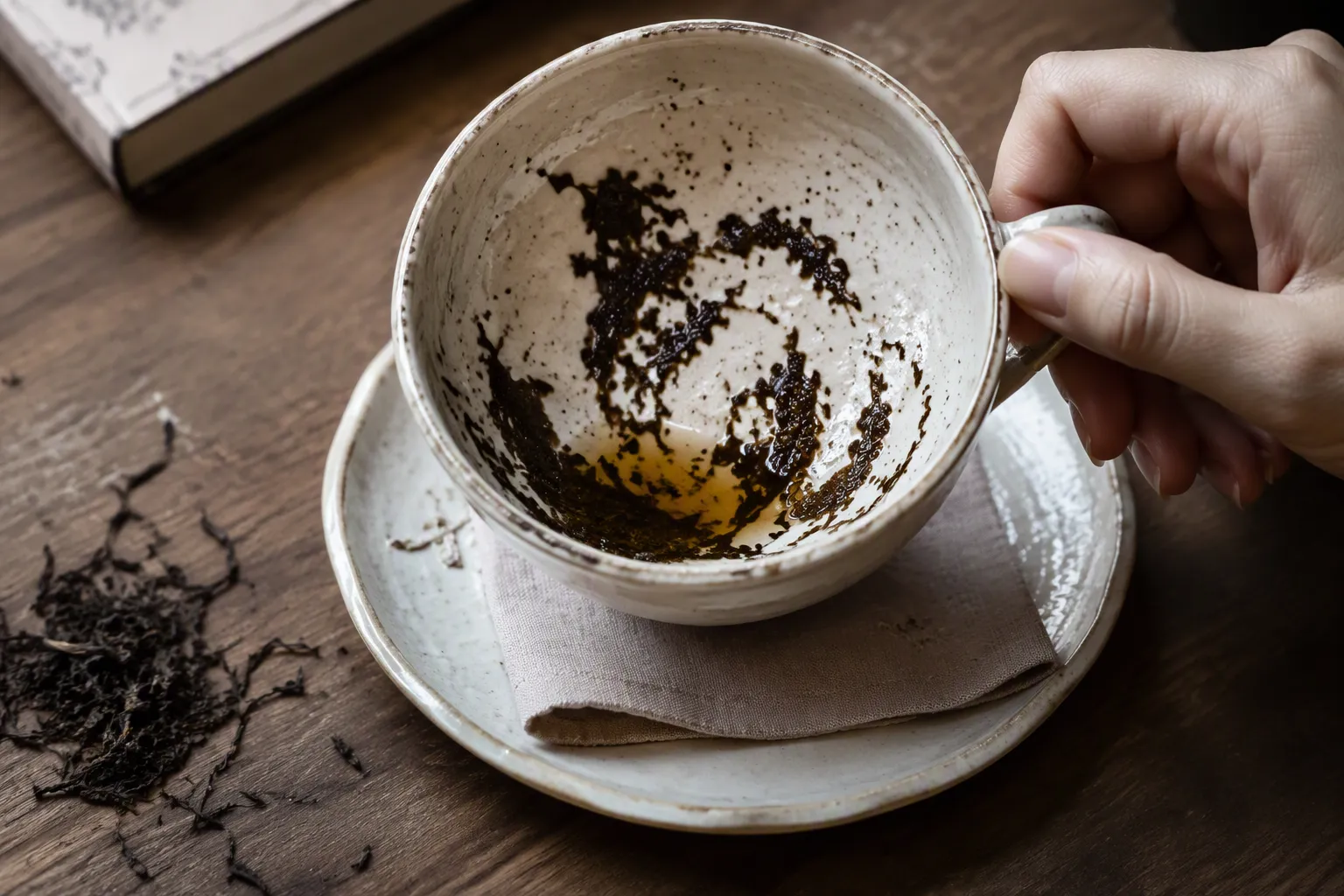
Sip your tea and enjoy it. Leave about a tablespoon of liquid after your last sip. Now swirl the dregs around the cup with a gentle swirl. Many readers swirl three times while thinking of a question. Some go clockwise, some counterclockwise. Your own movements influence how the tea leaves swirl and settle. That is part of the fun. Next, turn the cup upside down onto a saucer. A napkin on the saucer protects the rim. Lift it back up after about a minute. Now look at where the leaves have settled. The leaves left behind in the cup form your reading canvas. View it from different angles and let your eyes relax. Every cup of loose leaf tea gives you a different picture. Try this with a friend and compare what you both see. You can repeat the whole process whenever you want another round. Reading tea leaves is personal, and the shapes you find are yours alone. Take your time with it.
How to Read Your Tea Leaves: What to Look For

Relax your gaze. Don’t try too hard. Let your eyes go slightly out of focus as you look into the cup. This soft-focus trick helps shapes emerge on their own. Scientists call the effect pareidolia. It is the normal human habit of finding faces, animals, and objects in random patterns. You already do it with clouds and rock formations. Your brain simply likes to assign meaning to random things. Pareidolia is a subset of apophenia, the broader tendency to create meaning from unrelated events. Think of a “lucky” shirt worn during a winning streak. Same idea, different cup.
Shapes, Letters, and Patterns
Position matters in the art of reading tea leaves. Readers treat the rim as the near future and the bottom as the distant and still-forming. The handle stands for you — home, hands, and what is within reach. Treat this as playful framing, not a forecast.
Position in cup | Playful reading |
|---|---|
Rim | Days and weeks ahead; symbols rest easy here |
Middle | The present, roughly one to three weeks out |
Bottom | The distant and still-forming; deeper significance |
Now scan for lines, clusters, or scattered leaves. Check the sides and base of the cup. Start with the handle and work around. Darker clusters stand out against the pale glaze. That contrast is just contrast — a lighthearted game, not an omen. Once tea leaves have formed shapes, name what you see. Common shapes, symbols and objects carry loose traditional meanings. An anchor suggests stability. An arrow points to a decision. A bird means freedom. A key hints at a solution close by. A heart points to affection. You can interpret these shapes any way you like. There are no wrong answers here.
A Social History of Tea Leaf Reading
Tea leaf reading peaked in popularity during the Victorian era. That period brought strong interest in the occult and self-analysis. By the mid-1800s, Roma readers had integrated into the social scene. Parlors and tea rooms welcomed them to perform readings for payment. Victorian women who managed households began hosting tea-centered gatherings. Divining with tea leaves became a party trick. A reader is called a tasseographer. Today you can enjoy tea leaf readings the same way — as a social game. Invite a friend, compare notes, and laugh at the results. The basics of reading tea leaves stay simple. Grab some loose leaf tea, brew a pot, and see what your cup holds. Every reading is personal and instinctive. Trust your first impression.
The whole point is curiosity and laughter, not fortune-telling. Grab a friend, compare what you both see, and enjoy whatever shapes show up. Reading tea leaves is a fun activity for an afternoon, nothing more. No wrong answers exist here, so trust your first impression. Brew another cup with Claye and play again.
FAQ
Do I need a special cup for this?
No special tools required. Any light-colored mug with a plain inside works fine. A pale glaze simply helps the tea leaves stand out, so you can spot shapes more easily.
Is tea leaf reading real fortune-telling?
Not at all. You play it for fun and mindfulness, like cloud-watching. Treat every shape as a conversation starter, not a prediction. Laughter counts as a successful reading.
Can I practice alone?
Absolutely. Swirl, flip, and gaze whenever you like. Solo rounds build your eye for patterns fast. Later, compare notes with friends and enjoy how differently you each see the tea leaves.