


You may have heard about puer tea, but what makes it so special? Puer comes from Yunnan, China, and stands out because of its unique fermentation process. Unlike green or black teas, puer ages like fine wine and develops new flavors over time. You can find two main types—Raw and Ripe. Raw puer tastes lively and bold, while ripe puer feels mellow and smooth. Many tea lovers enjoy puer because each cup can surprise you with something new. The global market for puer keeps growing fast, reaching about USD 2 billion by 2028. If you want to explore something different, Puer Tea 101 is the perfect place to start your journey.
Key Takeaways
Puer tea comes from Yunnan, China, and is unique due to its fermentation process, allowing it to age like fine wine.
There are two main types of puer: Raw (Sheng) and Ripe (Shou). Raw puer is lively and bold, while ripe puer is smooth and mellow.
Proper storage is crucial for puer tea. Keep it in a cool, dry place away from strong smells to maintain its quality.
Brewing puer can be done using Western or Gongfu methods. Experiment with both to discover the flavors that excite you.
Puer tea offers health benefits, including improved digestion and heart health, making it a great addition to your daily routine.
Puer Tea 101: What Is Puer?
Origins and History
When you start your journey with puer tea 101, you step into a world with a rich past. Puer comes from Yunnan, a province in China known for its ancient tea trees and beautiful mountains. People have enjoyed puer tea for centuries, and its story is full of adventure and tradition.
Let’s take a quick look at how puer, also called pu-erh or puerh, has changed over time:
The first records of tea in Yunnan go back to the Three Kingdoms period (220-280 CE). People pressed tea into cakes even back then.
During the Song and Yuan Dynasties (960-1368 CE), tea makers pressed more tea for easier transport.
In the Ming Dynasty (1368-1644), most of China switched to loose leaf tea, but Yunnan kept making tea cakes.
From 1733 to 1949, puer tea became famous as a tribute tea, and the first brands appeared.
After 1950, modern machines and branding changed how puer was made and sold.
In the 1970s and 1980s, tea makers created new types of puer, like cooked pu-erh.
Since 1990, private companies have focused on ancient tea trees and high-quality puerh.
You can see how puer tea 101 covers a long timeline. Puer traveled along the Tea Horse Road, reaching Tibet and Southeast Asia. People pressed puer tea into cakes to make it easier to carry on long journeys. Over time, new methods and machines helped shape the puer you drink today.
Here’s a quick table showing some of the most important regions for puer:
Region | Description |
|---|---|
Jinggu | Known for ancient tea trees and unique flavors, producing Jinggu Dianhong and other teas. |
Jingmai | Famous for its ancient tea gardens, producing Jingmai Sheng Pu’er with a smooth, sweet taste. |
Mangjing | Renowned for ancient tea forests, producing Mangjing Sheng Pu’er with complex flavors. |
When you sip puer tea, you taste a piece of history from these special places.
Unique Fermentation Process
Puer tea 101 would not be complete without talking about what makes puer so different from other teas. The secret is in the fermentation. Puer, or pu-erh, is a fermented tea, but its process is unique.
Here’s how puer tea is made:
Step | Description |
|---|---|
Picking | Farmers harvest the tea leaves by hand. |
Withering | Leaves wilt to lose some moisture. |
Fixation | Heat stops the leaves from oxidizing too much, locking in flavor. |
Rolling | Leaves are rolled to break the cell walls, which helps release flavor when you brew puer. |
Sun-drying | Leaves dry in the sun, keeping their natural compounds and taste. |
Shaping | Steamed leaves are pressed into cakes or bricks, giving puer its famous shape. |
Drying | Final drying makes sure the leaves have less than 10% water, so they store well and age safely. |
What sets puer apart is the next step. Tea makers pile and moisten the leaves, then let them ferment with help from natural microbes. This process can last months or even years. The fermentation continues as puer ages, making it the most fermented and oxidized tea you can find.
Tip: The longer you store puer, the more its flavor changes. Some people love to collect and age puer tea cakes, just like fine wine.
Puer tea 101 teaches you that no two cakes taste the same. The unique fermentation gives puer, pu-erh, and puerh their earthy, rich, and sometimes sweet flavors. If you want to try a tea that grows better with age, puer tea is the perfect choice.
Types of Puer: Raw vs. Ripe
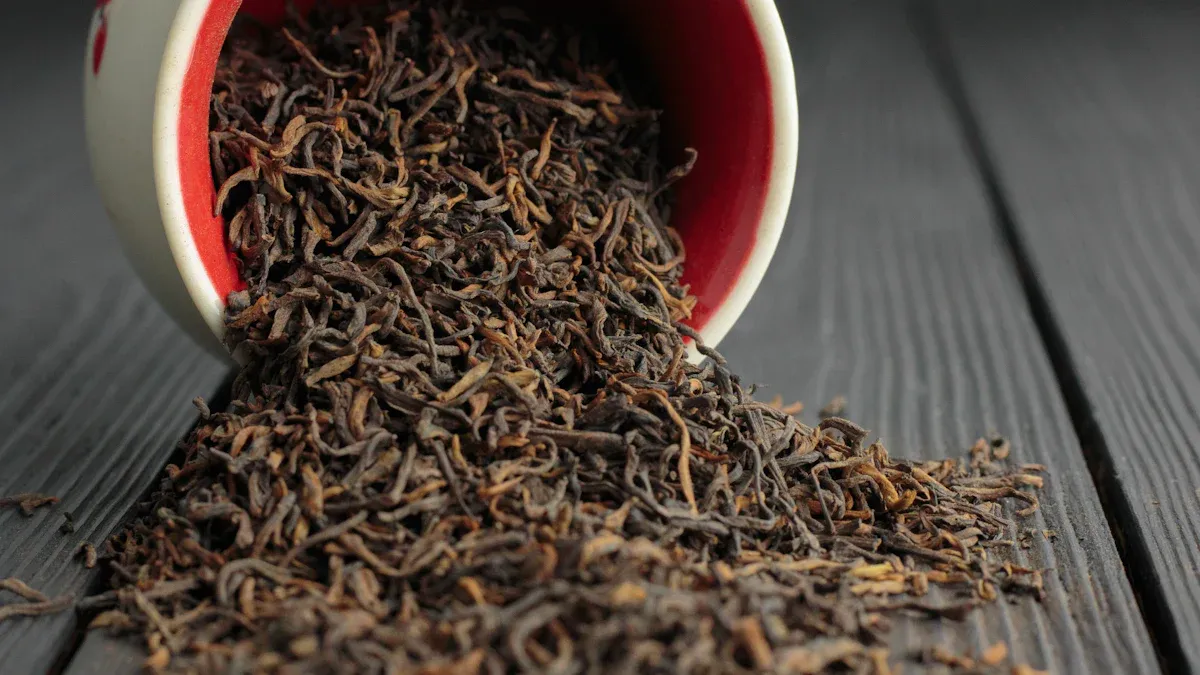
When you start exploring puer, you will hear about the two main types: raw pu-erh tea and shou puer tea. These different types of pu-erh tea offer unique flavors and experiences. Let’s break down what makes each one special.
Sheng (Raw) Puer
Raw pu-erh tea, also called sheng puer, is the traditional style of puer. You get this tea from older, larger leaves. Tea makers process it much like green tea. They sun-dry the leaves and press them into cakes. Sheng puerh ages naturally over time. You might notice that young sheng puer tastes fresh, bright, and sometimes a little bitter. This bitterness can soften after two or three years, turning into sweet notes of honey, dried fruit, or wood. If you store raw pu-erh tea well, it can develop deep and complex flavors. Some teas lose intensity after a decade, but others stay pleasant for years. You will find that sheng puerh changes with age, which makes collecting and tasting it exciting.
Young sheng puerh can taste grassy and sharp.
With age, raw pu-erh tea becomes mellow and smooth.
Shou (Ripe) Puer
Shou puer tea, also known as ripe puer tea, is a newer style. Tea makers created this method in 1973. They wanted to speed up the aging process of puer. Shou puer tea uses a special “wet-pile” fermentation. Workers pile the leaves, add moisture, and control the heat. This process takes weeks or months, not years. The result is shou puer tea that is dark, smooth, and earthy right away. You don’t have to wait for it to age. Ripe puer tea has a rich, full-bodied taste. You might notice flavors like wood, dark chocolate, or even a hint of sweetness. Many beginners love shou puer tea because it is easy to drink and has no bitterness.
Shou puer tea is ready to drink soon after making.
The flavor is smooth, earthy, and mellow.
Ripe puer tea is perfect if you want a dark, comforting cup.
Key Differences
You might wonder how these two main types compare. Here’s a quick table to help you see the differences:
Feature | Raw Puer (Sheng Cha) | Ripe Puer (Shou Cha) |
|---|---|---|
Process | Natural, slow fermentation (years) | Accelerated “wet-pile” (weeks) |
Taste (Young) | Grassy, floral, astringent, bitter | Smooth, earthy, no bitterness |
Taste (Aged) | Deep, complex, fruity, camphor | Consistent, rich, dark, mellow |
Leaf Color | Greenish to dark green | Dark brown to black |
Liquid Color | Pale yellow to gold, darkens with age | Deep red to opaque black |
Best For | Collectors, flavor explorers | Beginners, lovers of smooth tea |
You can see that raw pu-erh tea and shou puer tea offer very different journeys. Raw pu-erh tea changes with time, while shou puer tea gives you a rich, smooth cup right away. Try both types to find your favorite. Exploring different types of pu-erh tea is part of the fun with puer.
Beginner’s Guide: Choosing Puer Tea
Age and Storage
When you start with puer, age matters, but not in the way you might think. Many people believe older puer tea always tastes better. That’s not true. Some young puerh can taste amazing right now. As puer ages, the flavor changes. Raw pu-erh gets smoother and more complex. Ripe pu-erh tea develops depth and loses any rough edges in the first decade.
Here’s a quick look at how age affects puer:
Type of Pu-erh | Aging Effects |
|---|---|
Raw Pu-erh | Gains complexity, loses bitterness, and can evolve for decades. |
Ripe Pu-erh | Ferments quickly, develops depth, and stabilizes in the first decade. |
If you’re new, try younger puer first. You can taste the bright, lively notes. Later, you can explore older cakes and see how the flavors change. Remember, not every old puerh tastes good. Sometimes, a fishy taste means poor storage or low quality.
Tip: Store your puer in a cool, dry place with good airflow. Avoid strong smells nearby. Good storage helps your puer age well.
Regions and Quality
The region where puer grows shapes its taste. Yunnan has many famous areas for high-quality cakes. Each region gives puerh a special character.
Region | Tea Characteristics | Famous Areas |
|---|---|---|
Xishuangbanna | Full-bodied, floral, fruity | Yiwu, Menghai |
Pu’er City | Sweet, gentle bitterness, refined mouthfeel | Jingmai, Kunzhu |
Lincang | Ice-sugar sweetness, lingering aftertaste | Bing Dao, Xigui |
When you choose puer, look for these signs of quality:
No defects or odd smells.
Interesting flavors and depth.
Bitterness is okay, but it should balance with sweetness.
If puer tastes bad now, it may not improve with age.
Some ripe pu-erh tea is made for quick drinking, so check if you want to age it.
Your taste matters most. Try puer from different regions to find what you like.
Where to Buy
Finding good puer tea can feel tricky. Many shops sell both real and fake puerh. You want trusted sources for your first cakes. Here are some popular places to buy puer:
Yunnan Sourcing: Many types of puer, including ripe pu-erh tea and raw cakes.
White2Tea: Curated puerh with clear info and fair prices.
Tea Urchin: Young puerh and high-quality cakes from famous regions.
Essence of Tea: Premium aged puerh, based in the UK.
Taobao: Huge selection, but you need to check sellers carefully.
Start with small amounts. Taste different puer and see what excites you. The beginner’s guide helps you build confidence as you explore the world of puer tea.
Brewing Puer Tea: Step-by-Step
Breaking the Cake
Puer often comes pressed into a cake or brick. You might wonder how to get the leaves out without making a mess. Use a puer pick or a small knife. Gently insert the tool into the edge of the cake. Wiggle it a bit and pry off a chunk. Try not to crush the leaves. You want them to stay as whole as possible. This helps your puer tea taste smooth and rich.
Brewing Methods (Western & Gongfu)
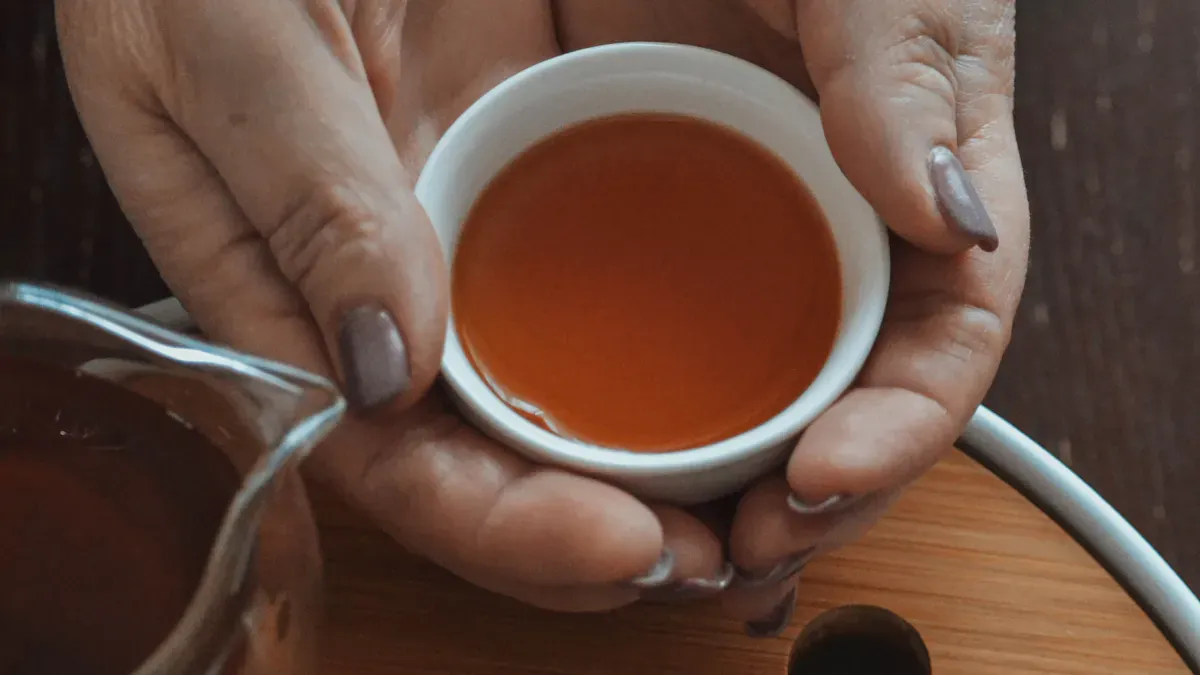
You can brew puer in different ways. The two most popular brewing methods are Western style and gongfu. Western style uses a teapot or mug. You steep the leaves for a few minutes. Gongfu uses a small teapot or gaiwan. You do many short steeps. This lets you taste how puer changes with each brew.
Here’s a simple table to help you with how to brew pu-erh using gongfu:
Steep Number | Duration (seconds) | Water Temperature (°C/°F) | Leaf Ratio (g/ml) |
|---|---|---|---|
1 | 10 or less | 95 / 203 | 1:15 |
2 | 15-20 | 95 / 203 | 1:15 |
3 | 20-25 | 95 / 203 | 1:15 |
4 | 25-30 | 95 / 203 | 1:15 |
Later Steeps | 1-3 min or longer | 85-95 / 185-203 | 1:10-12 |
Gongfu style brewing brings out the best in puer. You get to enjoy many flavors in one session.
Tips for Best Flavor
Want to make your puer tea taste amazing? Here are some tips:
Rinse the leaves with hot water before your first steep. This wakes up the puer.
Use fresh, filtered water for every brew.
Try handmade ceramic teaware from clayesouk. A good gaiwan or teapot gives you better control over steeping. Quality ceramics hold heat well, which helps puer release its full flavor. You’ll notice the difference in every sip.
Taste your puer after each steep. Notice how the flavor changes. Sheng puerh can taste bright and grassy at first. Shou puerh feels smooth and earthy.
Don’t rush. Enjoy the process. Brewing puer is about discovery.
If you follow these steps, you’ll master brewing methods for puer in no time. Gongfu makes each cup special. Western style works great for busy days. Both ways let you explore the world of puerh.
What Does Puer Taste Like?
Flavor Profiles of Sheng and Shou
Sheng puer, also called raw pu-erh, gives you a lively and bright taste. You might notice crisp and floral notes. Sometimes, you get a strong honey aroma that lingers. Sheng puer can taste a little bitter or astringent at first, but this fades as it ages. The aftertaste often stays with you for a long time.
Shou puer, or ripe pu-erh, feels very different. The flavor is dark and thick. You may taste woodsy or earthy notes, and sometimes even hints of chocolate or malt. Shou puer is smoother and less bitter than sheng puer. Many people love the smoothness and comfort it brings.
Here’s a quick look at the main flavor notes:
Type of Puer | Flavor Notes |
|---|---|
Sheng Puer | Crisp, floral, strong honey aroma, long-lasting aftertaste, can be bitter and astringent |
Shou Puer | Dark, thick, woodsy, earthy, mineraly, chocolate or malty notes, smoother, less bitter |
Tip: Try both types of puerh to see which one matches your taste. You might enjoy the freshness of sheng puer or the deep, mellow flavor of shou puer.
How Aging Affects Taste
Aging changes the taste of puer tea in amazing ways. When you drink young raw pu-erh, you get a vibrant and sometimes sharp flavor. As puerh ages, the taste becomes smoother and richer. You may notice new flavors, like dried fruits or honey, start to appear. The texture of the tea also gets better, giving you more depth and smoothness in every sip.
With time, puer develops complexity and smoothness. This makes each cup feel special. You can taste how the tea has matured and grown. If you love exploring new flavors, aging puerh will keep you curious and excited.
Note: No two cakes of puerh taste exactly the same. The journey of flavor is part of what makes puer tea so much fun to explore.
Health Benefits of Pu-erh Tea
Digestion and Probiotics
Puer is famous for helping your stomach feel better after a big meal. This tea goes through a special fermentation process. That means it acts like a probiotic. When you drink pu-erh tea, you add good bacteria to your gut. These friendly microbes help your body break down food and keep your digestive system balanced.
Here are some ways puer and pu-erh tea support your digestion:
Tea extracts from puer can fight off harmful bacteria in your gut.
The polyphenols in pu-erh tea lower the number of bad microbes and help your gut stay healthy.
Because puer is fermented, it brings probiotics that boost your immune system.
Studies show that pu-erh tea helps your gut recover after stress and increases good bacteria like Lactobacillus and Bifidobacterium.
Animal research found that pu-erh tea helps your gut stay balanced and may protect against problems like obesity.
If you want a gentle way to support your digestion, puerh is a smart choice. Many people notice they feel lighter and more comfortable after drinking a cup.
Heart Health and Caffeine
You may also hear about the heart benefits of pu-erh tea. This tea contains caffeine, but not as much as coffee or some other teas. Caffeine can give you a gentle energy boost and help you stay alert.
Here’s a quick look at how puer and pu-erh tea affect your heart and energy:
Benefit | Description |
|---|---|
Caffeine Content | Pu-erh tea has less caffeine than most teas. It wakes you up without jitters. |
Heart Health | Studies suggest pu-erh tea may lower cholesterol and protect your heart. |
Cholesterol Levels | Pu-erh tea may lower bad cholesterol (LDL) and raise good cholesterol (HDL). |
A 2009 study found that pu-erh tea has strong antioxidant powers and can help lower fat in the body. Ripe pu-erh tea, also called shou puer, may have even stronger fat-reducing effects than raw puer. If you want to support your heart and enjoy a gentle lift, puer tea benefits you in many ways.
When you sip puer, you do more than enjoy a rich flavor. You also give your body a little extra care.
Storing and Aging Puer
Proper Storage Tips
You might wonder how to keep your puer fresh and tasty for years. Good storage helps your pu-erh tea age well and develop better flavors. You do not need fancy equipment. You just need to follow a few simple rules.
Keep your puer in a place with steady humidity. Aim for about 65% relative humidity. This level helps the aging process without letting mold grow.
Store your pu-erh tea at room temperature. Try to keep it between 65 and 75 degrees Fahrenheit. This range lets the tea age slowly and safely.
Protect your puer from direct sunlight. Light can change the taste and smell of your tea.
Avoid strong airflow. Too much air can dry out your pu-erh tea and take away its aroma.
Do not store your puerh near strong smells. Tea absorbs odors easily, so keep it away from spices, soap, or perfume.
If you follow these tips, your puer will stay in great shape. You can use a simple cardboard box or a clay jar. Many tea lovers use handmade ceramic jars because they look beautiful and help control moisture.
Tip: Check your pu-erh tea every few months. Make sure it smells clean and looks dry. If you see mold, move your puer to a drier spot.
How Aging Changes Puer
The aging process makes puer special. When you store pu-erh tea the right way, it changes over time. Young puer tastes bright and sometimes bitter. As the years pass, the flavor gets smoother and richer. You might notice sweet, woody, or fruity notes appear.
Raw puer changes the most during the aging process. It starts out sharp and grassy. After a few years, it becomes mellow and complex. Ripe pu-erh tea also changes, but the shift is softer. It gets deeper and more earthy.
Every cake of puerh is unique. The taste depends on how you store it and how long you wait. Some people love to collect pu-erh tea and try it every year to see how it grows.
Note: Aging pu-erh tea is a journey. You never know exactly what flavors you will find next.
Practical Tips for Puer Beginners
Common Mistakes to Avoid
Starting with puer can feel exciting, but you might run into a few common mistakes. Here are some things to watch out for:
Mixing sheng and shou puerh together during storage. The strong aroma of shou can change the flavor of sheng. Keep them separate if you want to age your puer the right way.
Storing pu-erh tea near strong smells. Puerh absorbs odors quickly, so keep it away from spices, soap, or perfume.
Using boiling water right away. Sometimes, pouring boiling water on puer can make it taste harsh. Let the water cool for a few seconds before brewing.
Skipping the rinse. Always rinse your pu-erh tea leaves with hot water before the first steep. This wakes up the leaves and removes dust.
Buying low-quality puer from unknown sellers. Not all pu-erh tea is the same. Choose trusted vendors for a better experience.
Tip: Take your time. Enjoy the process of learning about puer and pu-erh tea. Mistakes help you grow as a tea lover.
Starting Your Puer Journey
You can make your puer adventure smooth and fun by following a few simple steps:
Break your puer cake gently. Use a puerh knife or needle to loosen the leaves without crushing them. This helps the flavor come out better.
Weigh your tea leaves. For a gaiwan or clay teapot, use about 8 grams of pu-erh tea. Accurate measurement gives you a balanced cup.
Try gongfu brewing. This method uses short steeps and lets you control the taste. You can avoid bitterness and enjoy more flavors.
Buy quality puer from reputable vendors. Good pu-erh tea makes a big difference in your first experience.
Explore both raw and ripe puerh. Taste sheng and shou to find what you like best.
Start with small amounts. Sample different types of puer before buying a whole cake.
Practice your brewing skills. Adjust the water temperature and steeping time to match your taste.
Note: Every cup of puer is a new adventure. Trust your taste buds and have fun exploring the world of pu-erh tea.
You now have everything you need to start your puer journey. Puer and pu-erh tea offer endless ways to explore taste and tradition. Try both raw and ripe puerh, and experiment with different brewing methods. For the best experience, invest in handmade ceramic teaware from clayesouk. Remember these tips as you begin:
Use proper teaware for an authentic experience.
Pair sheng pu-erh with light foods.
Gauge your caffeine tolerance.
If you want to learn more, check out books like The Tea Girl of Hummingbird Lane or The Tea Drinker’s Handbook. Every cup of puer brings a new experience. Start exploring pu-erh today!
FAQ
What is the best way to store puer tea at home?
You should keep puer tea in a cool, dry place. Avoid sunlight and strong smells. A simple cardboard box or a ceramic jar works well. Check your tea every few months to make sure it stays fresh.
Can I drink puer tea every day?
Yes, you can enjoy puer tea daily. Many people drink it with meals. If you are sensitive to caffeine, start with a small cup and see how you feel.
How long does puer tea last?
Puer tea can last for years. Some people age it for decades. As long as you store it well, puer will keep getting better with time.
Is puer tea good for beginners?
Absolutely! Puer tea is easy to brew and fun to explore. You can start with ripe puer for a smooth taste or try raw puer for something lively.
Do I need special teaware for puer tea?
You do not need fancy tools. A mug or teapot works fine. If you want to enhance your experience, try handmade ceramic cups from clayesouk. They hold heat well and make each cup feel special.
