
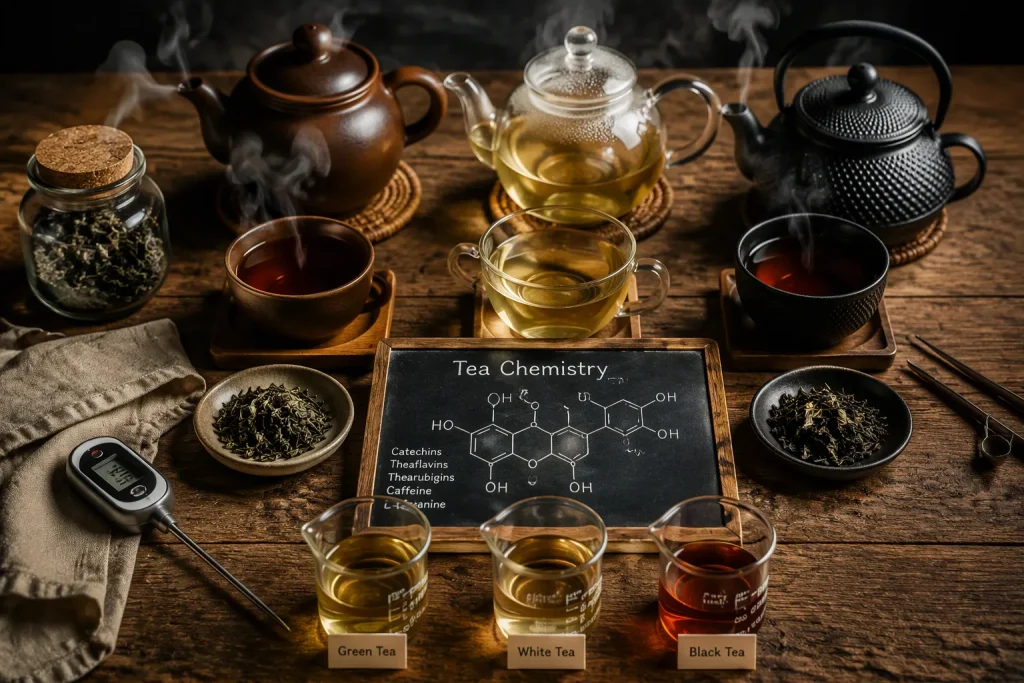
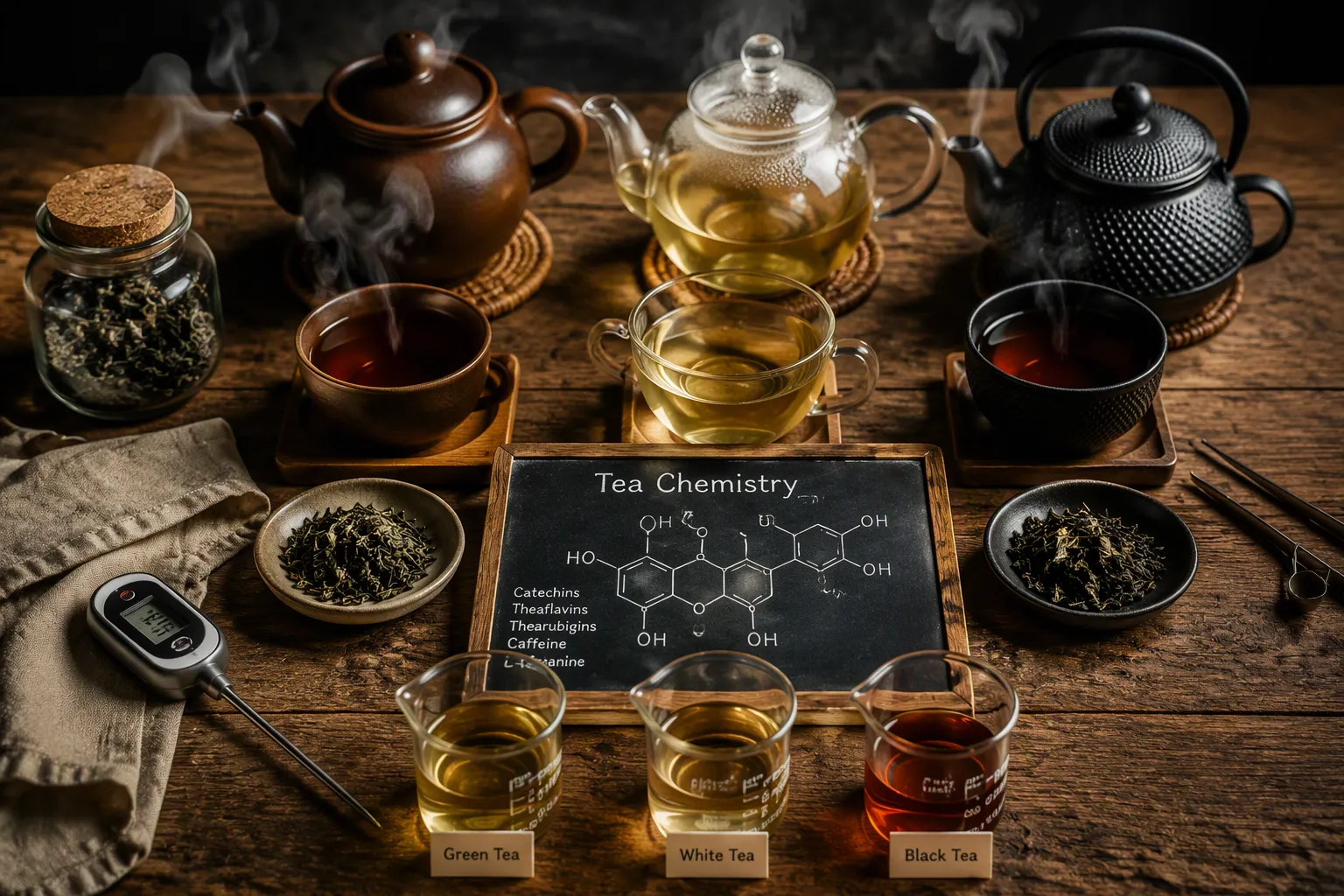
The brewing vessel material is not just a container that sits there. It works like an active chemical reactor. Thermal conductivity and reactivity control how polyphenols, caffeine, and aromatics are pulled out. How does the choice of a steeping vessel change the taste and health profile of tea? Adsorption, leaching, and heat retention drive the process. Tea leaves act differently inside clay, glass, porcelain, and metal. Steeping in clay softens harsh polyphenols. Steeping in metal lets ions out. Each material changes tea chemistry. A vessel that holds little heat slows extraction. Understanding how steeping works helps you make better brewing choices. Hot water pulls antioxidants from tea leaves in some materials. The same tea may turn bitter or smooth depending on the container.
Key Takeaways
Clay vessels soften tea by absorbing harsh tannins and keeping heat steady.
Glass is neutral and shows the true flavor, but it loses heat quickly.
Porcelain is neutral and holds heat well, making it great for delicate teas.
Metal vessels can release ions that change the taste and reduce health benefits.
Cast iron adds iron to tea, mellowing strong flavors like pu-erh and black tea.
Clay Vessels and Brewing Vessel Material Chemistry
Unglazed clay acts like an active partner in the cup. Through adsorption and steady heat, this brewing vessel material changes the liquid. It never sits idle. clayesouk, based in Jingdezhen, the Porcelain Capital, makes handmade ceramic cups. Their artisans have years of hands-on experience. Every piece is a work of art. These traditional methods turn a simple cup into a brewing tool. The same leaves steep differently in different materials. Clay’s role becomes much clearer during repeated infusions.
Adsorption of Tannins and Flavor Seasoning
The surface of unglazed clay stays porous. It captures harsh polyphenols from the water, softening the tea. Unglazed clay like Yixing ZiSha interacts with dark styles through its microporous structure. It rounds bitterness and astringency. Oolong, pu-erh, and black styles benefit the most. Polyphenols drive those harsh notes. They compose 15–30% of dry-leaf weight. They form 20–40% of brewed dissolved solids.
At the solid-liquid boundary, polyphenols attach to iron-oxide nucleation points. Fe2O3 and Fe3O4 serve as Lewis acid catalyst sites. They oxidize certain polyphenols into ortho-quinones, theaflavins, and thearubigins. This catalytic oxidation alters the tea flavor. Catechins lose fresh, vegetal notes. They become flat and musty, and their aroma gets weaker. Oxidized theaflavins become more tannic and coating. Theasinensins make astringency more diffuse.
The Arrhenius relationship says reaction rates near boiling may be up to 180 times faster than at normal room temperature. Short gong-fu steeps can still produce noticeable changes in taste. Overall, the effect can range from unnoticeable to barely noticeable to obvious. Sometimes the change stays below what HPLC can detect. Other times, both taste and lab tests show it very clearly. Adsorption removes harsh compounds before the drink reaches the palate. This selective action explains why a seasoned clay pot changes character over time.
Rougher clay surfaces create more nucleation sites. Under-fired zisha pieces have rougher surfaces. They yield more spots for red-iron oxide interaction. Red-iron oxide is more selective with polyphenols. Black-iron oxide is stronger and less selective. It oxidizes a larger set of compounds. In badly underfired pieces, some molecules enter the pores. In fully fired wares, open pores still stay too small to affect absorption.
Thermal Stability for Consistent Steeping
Clay carries heat slowly. Clay’s low thermal conductivity keeps water temperature steady. Glass and metal lose warmth fast; clay releases it slowly. This steadiness makes each steeping more forgiving. Tea leaves release compounds at steady rates. Caffeine and solids dissolve evenly. Ceramic walls take in heat during the pour. They release it slowly into the tea. This buffering keeps extraction going without burning leaves.
Clay also changes extraction chemistry. Heat makes solubility rise. A steady steep temperature keeps solubility constant. Every infusion pulls out the same mix of compounds. This matters for delicate teas and aged pu-erh. The clay body keeps the tea warm while extraction continues.
clayesouk’s handmade ceramic master cups make steeping better. Their old firing methods create a balanced brewing surface. The brewer adjusts steeping time to fit the clay. The final cup tastes smooth and full. Porcelain stays neutral. Clay is interactive. The brewer picks the material based on the tea flavor they want.
Glass Steeping Vessel: The Inert Observer
Glass works like a clear window into the brewing process. This steeping vessel does not react with tea compounds. It just holds the liquid and lets the drinker watch. Many tea fans pick glass for this clear view. The material gives a clear look at color and leaf movement. But glass brings its own set of chemical and thermal behaviors.
Zero Chemical Interference
Glass is chemically inactive. It does not react with tea compounds. This means the original flavor profile stays the same. Polyphenols, caffeine, and aromatics stay unchanged. No adsorption happens on the glass surface. No ions leak into the water. The chemistry of the tea stays exactly as the leaves release it. This makes glass great for judging a tea’s true character. A drinker can taste the pure expression of the leaves. The taste shows only the leaf quality and the water. Nothing else gets in the way. For this reason, professional tea tasters often use glass or porcelain. The steeping process stays clean and predictable. The link between time and temperature becomes the only variable. Glass keeps the authentic chemistry of every infusion.
Heat Loss and Extraction Kinetics
Glass has high thermal conductivity. Heat escapes through the walls quickly. Water temperature can drop sharply during a short steep. This fast cooling changes the extraction kinetics. Lower temperatures reduce solubility of tea compounds. Fewer solids dissolve into the water. The resulting liquor tastes thinner and weaker. Astringency and body fade. The steeping temperature falls too fast for full extraction. Tea leaves release their compounds more slowly. Caffeine and polyphenols stay trapped in the leaf. This creates an uneven cup. The first sip may taste strong. Later sips become weak and watery. Glass works well for green tea. These leaves need lower temperatures anyway. The visual appeal of watching leaves unfurl adds joy. But for oolong, pu-erh, or black tea, glass falls short. These teas need steady heat. A steeping vessel that holds warmth delivers better results. Glass loses that battle against physics. The steep temperature drops too quickly. Brewers must adjust their technique to make up for it.
Porcelain Vessels: The Neutral Standard
Porcelain sits between glass and clay. It is as neutral as glass but holds heat far better. This balance makes it a favorite for delicate teas. It does not interfere with the brew. It just offers a stable place for steeping.
Non-Porous and Non-Reactive
Glazed porcelain has almost no pores. Its glass-like surface stops nearly all adsorption. White porcelain’s porosity is under 0.5%. In contrast, unglazed Yixing Zisha clay has open pores around 20% by volume. This gap changes how each material affects tea chemistry.
Porcelain and glass don’t soak up water. So the aroma and ingredients aren’t absorbed. The tea’s flavor and smell come through right away. Pottery is very absorbent. It soaks up extra components and astringency. That gives a clean, mild taste.
The glazed surface adds no minerals and absorbs nothing. Tea leaves release their compounds into the water with no interference. The liquid keeps its pure, unchanged taste. No ions escape from the walls. No polyphenols cling to the surface. This inactive behavior keeps the original flavor of every steep.
Property | White Porcelain | Yixing Zisha (unglazed) |
|---|---|---|
Porosity | Less than 0.5% | Dual-pore (unglazed) |
Chemical Reactivity | Inert | Soaks up rough phenolics and storage smells |
Impact on Tea | Absorbs nothing, adds no minerals; pure, unchanged taste | Holds oils and aromas; smooths rough edges over time |
clayesouk continues this legacy in Jingdezhen. The city has made porcelain for centuries. Their handmade cups use real techniques and give clean, neutral steeping.
Heat Retention and Aroma Preservation
Porcelain keeps heat better than glass. Its walls work like a natural insulator. Steady warmth lets tea release flavors evenly without changing its chemistry. Delicate teas gain the most. Green and white teas need gentle, steady heat. A stable steep pulls flavors out at an even pace.
Glazed porcelain pots are neutral and work with many tea types. Their closed shape often holds heat longer than an open Gaiwan. This depends on wall thickness, lid fit, size, and shape.
Material
Chemical neutrality
Heat retention
Ceramic/Porcelain
It is described as neutral and non-reactive. It doesn’t change the tea’s flavor and keeps its original aroma and taste.
It works as a natural insulator and keeps the tea warm.
Glass
This source doesn’t say.
It holds heat poorly.
The closed shape traps aromatics. Volatile compounds stay inside instead of escaping. That keeps the tea’s fragrance. Water temperature stays steadier while steeping. The final cup tastes fuller and more aromatic. Porcelain suits oolong, green, and white teas. Its neutral chemistry and steady heat make it a standard choice for careful brewers.
Metal Vessels: Reactive Vessel Risks
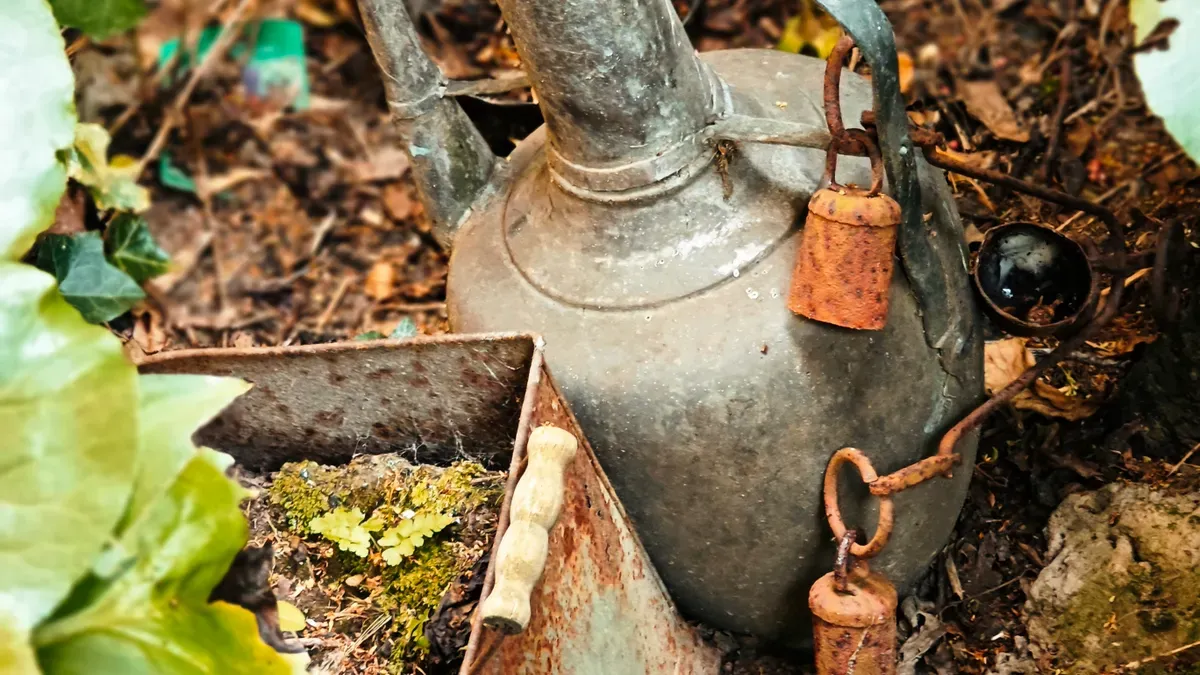
Metal teapots can change tea in ways that clay and porcelain do not. Chrome-steel—a chromium-containing steel closely related to stainless steel—actively changes the chemistry of the brew.
Ion Leaching and Metallic Taste
Reactive metals can change what the tea is made of. Research found that tea brewed in chrome-steel teapots had significantly higher mean total polyphenol content, caffeine, theaflavins, and thearubigins compared with tea brewed in porcelain teapots. The difference was statistically significant. The suggested reason is that chrome-steel teapots transfer heat more rapidly and maintain a more stable extraction environment. This environment helps phenolic compounds, caffeine, and other substances come out into the infusion.
The effect was selective rather than uniform. Teapot material affected extracted compound concentrations more than all color-related indicators combined. The higher theaflavins and thearubigins levels, along with higher L* values in chrome-steel-brewed tea, may explain the big color differences seen in sensory analysis. Other studies also show that brewing vessel material can affect the chemical features of tea infusions, though the direction and size change by the materials compared.
Oxidation and Polyphenol Changes
Metal surfaces speed up oxidation reactions. Tea leaves have polyphenols that react with oxygen. A metal vessel makes this process faster. The tea oxidizes quicker and gets bad flavors. The taste turns harsh and bitter instead of smooth and sweet.
Higher polyphenol levels sound healthy. But oxidation turns these compounds into forms the body cannot use as well. The chemical makeup of a cup of tea steeped at different temperatures also changes when metal ions are present. Water temperature matters, but the vessel adds another variable. Solubility of helpful compounds may go up, yet the taste gets worse. The chemical makeup of a cup of tea changes in ways that lower both flavor and health benefits.
Metal vessels heat up fast. That speed comes at a cost. The reactive surface changes the tea in ways you cannot predict. For steady results, inert materials work better.
Cast Iron Vessels: Iron Enrichment

Cast iron teapots let iron out into hot water while tea steeps. This iron then sticks to tannins in the tea. That binding reaction lowers astringency and makes the liquid darker. The vessel works as an active source of minerals, not just a container that sits there. This changes both the taste and the chemistry of every cup.
Iron Leaching and Color Change
Hot water pulls iron ions off the cast iron surface. These ions go into the brewing liquid and react with compounds from the tea leaves. The reaction makes a darker, deeper color in the cup. The liquid shifts from amber to a rich, almost reddish-brown shade. This color change shows a real shift in the chemical makeup of a cup of tea.
The iron enrichment also affects how the body takes in nutrients. Some helpful polyphenols stick to iron and become less available. The tea tastes smoother, but its health profile changes. How these minerals affect the solubility of other compounds matters for daily drinkers. Water temperature plays a role too. Hotter water pulls more iron from the vessel walls.
Tannin Binding and Mellowing
Tannins make the dry, puckering feeling in strong tea. Iron ions attach to these tannin molecules and cancel them out. This binding reaction softens the steep and removes harsh edges. The tea leaves release their compounds into water that already carries dissolved iron. The result is a rounder, gentler taste with less bite.
Cast iron works best for bold varieties. Puerh and black tea hold up well against iron enrichment. Their strong flavors balance the mineral influence. Delicate green or white teas lose their subtle notes in a cast iron vessel. The iron overpowers their gentle character. A brewer who wants a mellow, full-bodied cup should reach for cast iron. The material turns strong tea into something smoother and richer.
Comparing Teapot Material for Best Results
The numbers make it clear. Clay and porcelain have low thermal conductivity. Glass and metal have high thermal conductivity. This one property shapes how each brewing vessel material works. A low-conductivity vessel keeps heat inside. A high-conductivity vessel lets heat escape. The thermoconductivity of its material decides how fast water temperature drops during steeping. Brewers who understand this gap can match their teaware material to the tea in the pot.
Thermal Conductivity and Tea Type
Heat moves through glass and metal quickly. Water temperature drops fast in these vessels. Clay and porcelain resist that loss. They keep the liquid warm for a longer steep. This difference changes the material effect on tea flavor. A brewer who uses identical tea, water, temperature, and timing will still get different results from each vessel. The chemistry of extraction depends on heat. Lower temperatures pull out fewer compounds. Higher, steadier temperatures pull out more.
Green tea needs cooler water. Glass suits this leaf well. The clear walls let the drinker watch leaves unfurl. The fast heat loss matches the gentle steep green tea requires. Oolong needs more heat and a neutral surface. Porcelain delivers both. Its glazed walls add nothing to the brew. Its low thermoconductivity keeps the steep warm. Puerh benefits from clay. The porous surface adsorbs harsh compounds and softens the liquor over repeated steeping. Black tea pairs with cast iron. The thick walls hold heat for long sessions. Iron ions mellow the tannins for a smoother taste.
Tea | Teapot material | Why it works |
|---|---|---|
Green tea | Glass | Non-porous walls let the drinker watch the leaves steep. |
Oolong tea | Porcelain | The smooth, non-porous surface avoids flavor carryover. |
Puerh tea | Clay | Porous clay absorbs tea flavor and becomes seasoned with dedicated use. |
Black tea | Cast iron | Thick walls retain heat well and suit slow sipping and long sessions. |
Matching Material to Tea Chemistry
The right vessel does more than hold liquid. It shapes the final cup. A brewer who ignores teapot material leaves chemistry to chance. The table above gives a starting point. Glass works for delicate leaves. Porcelain stays neutral for aromatic styles. Clay transforms bold, aged teas. Cast iron enriches strong blacks.
Each choice changes water temperature and steep time in predictable ways. Glass cools fast, so the brewer must pour quickly. Clay holds heat, so the brewer can take more time. Porcelain sits in the middle. Cast iron stays hot but adds iron to the brew. These trade-offs define the craft.
clayesouk’s handmade ceramic cups offer a premium path for brewers who want clay and porcelain benefits. Based in Jingdezhen, the Porcelain Capital, clayesouk draws on centuries of ceramic heritage. Their artisans craft each cup by hand with years of skill. These master cups deliver the steady heat and neutral chemistry that delicate teas demand. For those who seek the softening power of clay or the clean neutrality of porcelain, clayesouk provides a traditional, high-quality option. The vessel becomes part of the ritual, not just a container.
The material of your brewing vessel is a key factor in tea chemistry. It affects how tea is extracted, oxidized, and adsorbed during each steep. Inert materials like glass and porcelain keep the tea’s original flavor. Reactive materials like clay and cast iron actively change it. Clay softens harsh polyphenols and keeps the temperature steady. Cast iron releases iron and reduces astringency at high heat. Each choice changes the final taste and health benefits. Brewers should try different materials to find what works best for them. Knowing the science behind steeping helps you make better brewing choices. A brewer who understands chemistry can match the vessel to the tea. This knowledge turns every cup into a lesson.
FAQ
Does unglazed clay remove caffeine from tea?
Clay adsorbs caffeine and harsh polyphenols. Material comparisons show that Yixing Zisha adsorbs bitter caffeine and harsh polyphenols, softening astringency. A clay vessel changes flavor by removing bitter compounds, and it can lower the caffeine in the brew.
Why does glass make tea taste weaker?
Glass lets heat escape fast. The water can drop sharply during a short steep. This fast cooling slows extraction. Fewer solids and polyphenols dissolve into the water. The cup ends up thinner and less flavorful. Glass is best for green tea, which needs low heat anyway.
Is porcelain better than clay for delicate teas?
Porcelain is non-porous and chemically neutral. It adds nothing to the brew and absorbs nothing. This helps keep the original flavor of delicate leaves. Clay adsorbs compounds, and it changes taste over time. For green and white teas, porcelain gives a cleaner, more predictable steep.
Which teaware material suits aged pu-erh?
Clay suits aged pu-erh best. Its porous walls trap harsh tannins and soften the liquor. Low thermal conductivity keeps water temperature steady through repeated steeps. That steady heat pulls out compounds evenly. Cast iron also works for strong teas, but clay offers more control over flavor development.
Does the brewing vessel material affect health benefits?
Yes. Inert materials like glass and porcelain keep polyphenols and caffeine. Reactive materials like clay and cast iron change the chemical profile. Clay adsorbs some harsh polyphenols. Cast iron binds tannins and adds iron ions. Every vessel changes both taste and the healthy compounds available in the tea.
