Picture a material so valuable it was called “white gold.” In Jingdezhen, you’ll find porcelain with that famous status. The secret lies in Jingdezhen clay, a special mix of kaolin and porcelain stone found only in this region. This natural blend provides the porcelain with remarkable flexibility, allowing artisans to shape thin, translucent pieces that remain exceptionally strong.
The wonder intensifies when the clay meets extreme heat. At temperatures above 1,300°C, the clay body transforms into a dense, stone-like material. This process eliminates impurities and produces the whiteness and translucency that collectors desire. Sourcing clay from the mountains is just the initial stage; the journey from raw clay to finished piece involves meticulous preparation that has been passed down through generations.
Key Takeaways
Jingdezhen clay combines kaolin and porcelain stone. This mix makes porcelain that is strong, thin, and lets light through.
Traditional preparation includes mining, washing, aging, and kneading. Each step removes unwanted materials and makes the clay easier to work with.
Letting the clay sit for weeks makes it more bendable. This cuts down on tears and cracks when you shape it.
Real Jingdezhen clay has a special makeup from the earth. Man-made copies cannot match how it acts or its value in history.
Buying real Jingdezhen porcelain helps craftspeople and keeps hundreds of years of culture alive.
The Origins of Jingdezhen Clay
You can’t really get Jingdezhen porcelain until you know its two raw materials. Long ago, the local geology made kaolin and a companion rock right next to each other. When you blend them, they create the jingdezhen clay that earned a thousand-year reputation.
Kaolin: The Backbone of Porcelain
Kaolin gets its name from Gaoling Mountain, a well-known spot just outside the city. In the local language, gaoling means “high ridge.” These days, Gaoling Mountain gives its name to kaolin deposits all over the world. Warm, wet weather broke down the area’s granite and left behind pure white clay with fine particles and low iron.
Those deposits are not the same as clay found in other places. Jingdezhen kaolin has a natural mix of fine and coarse grains. The fine grains give the clay great flexibility; you can pull walls thin without tearing them. The coarse grains work like a skeleton, helping the piece hold its shape as the kiln gets hotter.
You can think of kaolin as the heat-proof frame of porcelain. Without it, the body would go soft and fall apart before the glaze was ready. With it, the minerals melt together into a famously white surface. These two deposits gave potters the key raw materials. Through careful prep and high-heat firing, these materials turned into white, strong, see-through ceramics.
China Stone: The Key to Translucence
Porcelain stone is the second half of the recipe. Local artisans call this rock petuntse, a natural mix of feldspar and quartz. When you crush and refine it, the powder melts into a glassy base during firing. That glass is what gives finished wares their see-through quality.
Song and Yuan dynasty potters figured this out long ago. Southern China kilns used only crushed, refined petuntse, with no kaolin at all. Their bodies turned white and see-through, with a texture like very fine sugar. Those experiments show translucence can happen without the full blend, though shape options stay limited.
Local craftsmen finally paired both minerals. Kaolin allows large, sturdy forms; the stone gives the body its translucency and strength. This balanced recipe, refined over generations, defines real Jingdezhen clay. You can feel that history in a thin, ringing cup made here.
Sourcing Clay in Jingdezhen
Sourcing clay in Jingdezhen begins with a strict division of labor. Traditional jingdezhen porcelain production follows 72 individual steps. One worker handles each stage. Nothing moves to the next station until the previous task finishes. A single mistake might ruin an entire batch. One person dug the clay from the hills near Jingdezhen. That single task set the whole process in motion.
Mining and Washing the Ore
Most kaolin comes from Gaoling village in Ehu Town, Fuliang County. This place supplied the best clay during the early and mid-Qing dynasty. You can trace the name “kaolin” to the local term kaolin clay. The ancient town of Yaoli also holds notable deposits. Local families have worked these mineral deposits for generations. They know which veins yield the purest material and which ones stay closed.
Mining starts with hard porcelain stone. Workers pry the rock loose with iron tools and haul it to the valley floor. There, water-powered trip hammers crush the ore. A watermill drives the heavy wooden arms. Each arm lifts a massive hammer head. The hammers rise and fall slowly without pause. The rhythmic pounding has echoed through the valleys of Jingdezhen for a thousand years. You can hear that beat from far away, marking the rhythm of the whole district.
Water performs the next task. The crushed powder flows into settling ponds. The ponds form a chain down the hillside. Water carries the powder from one pond to the next. Grit and heavy metals sink to the bottom of the first pond. Only the finest particles stay suspended. Careful washing in the ponds separates the pure material from coarse waste. Workers screen the clay until it reaches the required purity. The cleaned kaolin then dries in the sun. Workers package it for dispatch. This careful stage removes nearly all impurities. What remains becomes the foundation for fine porcelain.
Transporting Raw Materials
Mining crews then haul the crushed stone downhill. These transport steps also protect the crushed stone from contamination. The route passes through dense bamboo forest. In the past, porters carried heavy baskets along mountain trails. They rested at stone shelters along the way. Boats moved them along the river. The current did the heavy work once crews loaded the vessels. Today, trucks handle most of the journey, yet the routes still follow the old paths.
Workshops demand enormous volumes. That constant appetite keeps the quarries busy. Sourcing clay never truly stops in this city. Each fresh batch receives the same careful treatment. Sourcing clay this way preserves the ancient standard of quality. Orders arrive from every continent. The steady demand for handmade cups keeps quarry teams active year-round.
By the time the clay reaches the potter’s hands, it has passed through every one of these steps. These preparation steps decide whether the final cup rings true. Artisans here still follow this ancient rhythm. Working with authentic jingdezhen clay, they know patience at this stage pays off later at the wheel. Some workshops blend fresh jingdezhen clay with aged batches to control workability. The finished cup hides that entire journey, yet you can feel its discipline and strength.
Preparing Jingdezhen Clay
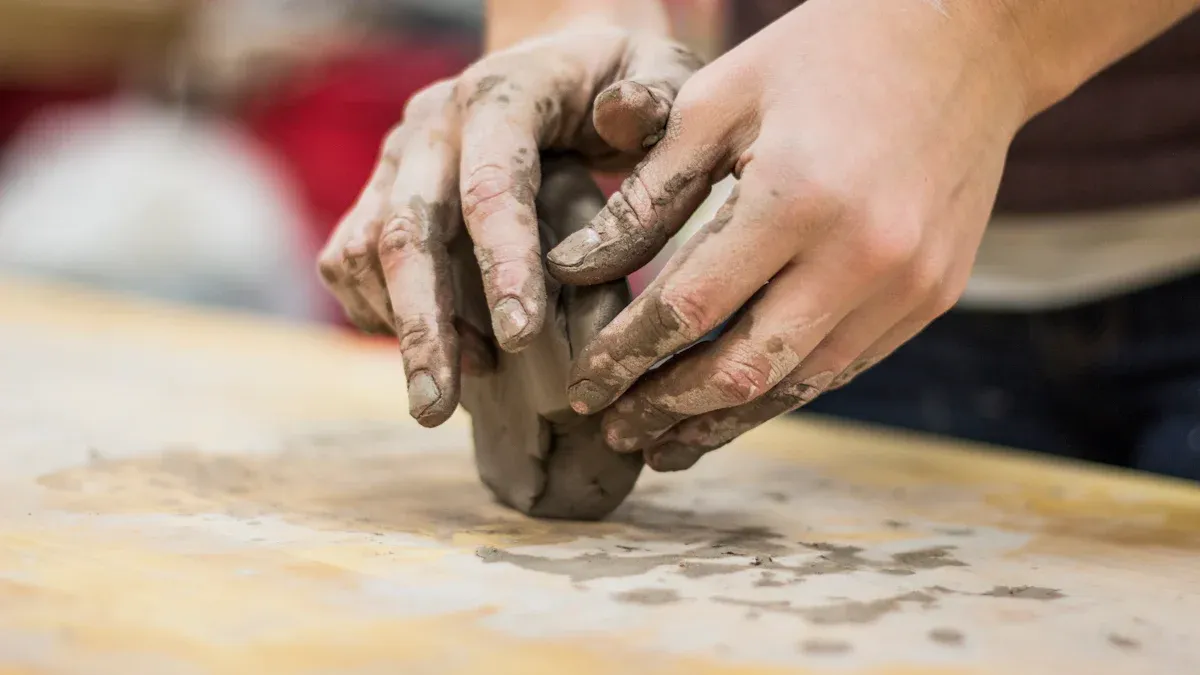
Raw ore will not turn into usable clay by itself. A series of careful steps is needed to change hard rock and white earth into a smooth, workable material. Each step removes waste and builds the flexibility that potters rely on.
Crushing, Washing, and Filtering
Two raw materials start the process: kaolin, a white clay, and porcelain stone, a harder mineral. Workers break both materials into small pieces. The crushed powder then goes through a washing stage. Jingdezhen has used water-powered hammers to pound hard rock ore for centuries. In settling ponds, the crushed material is mixed with water. The washing process pulls out grit and heavy metals. Only the finest particles are left behind.
Look at the table below to see how each material gets its own treatment.
Material | Traditional Jingdezhen purification method |
|---|---|
Kaolin | Stirred with water to pull pure clay away from impurities. |
Petunse (china stone) | Ground into powder, then mixed with water to remove unwanted particles, then dried into smaller blocks. |
Final preparation | Petunse blocks are ground again into powder and mixed with water to make a soft paste for use. |
After washing, the material goes through a filter to remove impurities. The clean clay is sorted by whiteness. Jade clay is the top grade, followed by super white and medium white. Each grade serves its own purpose. Potters use them for both slip casting and throwing. The clay body is ready for the next step.
Aging and Kneading for Workability
Freshly processed clay is not ready for the wheel yet. Aging the clay lets moisture spread evenly through the material. This rest period lasts for weeks. During this time, the clay gets more flexible and easier to shape. The chance of tearing or cracking during forming drops a lot.
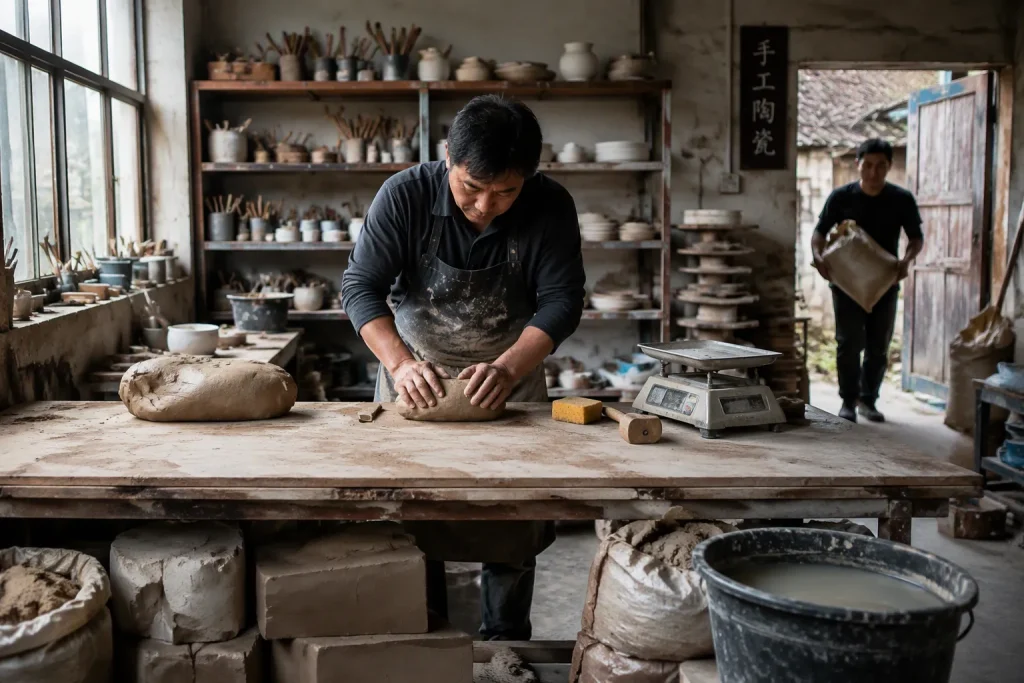
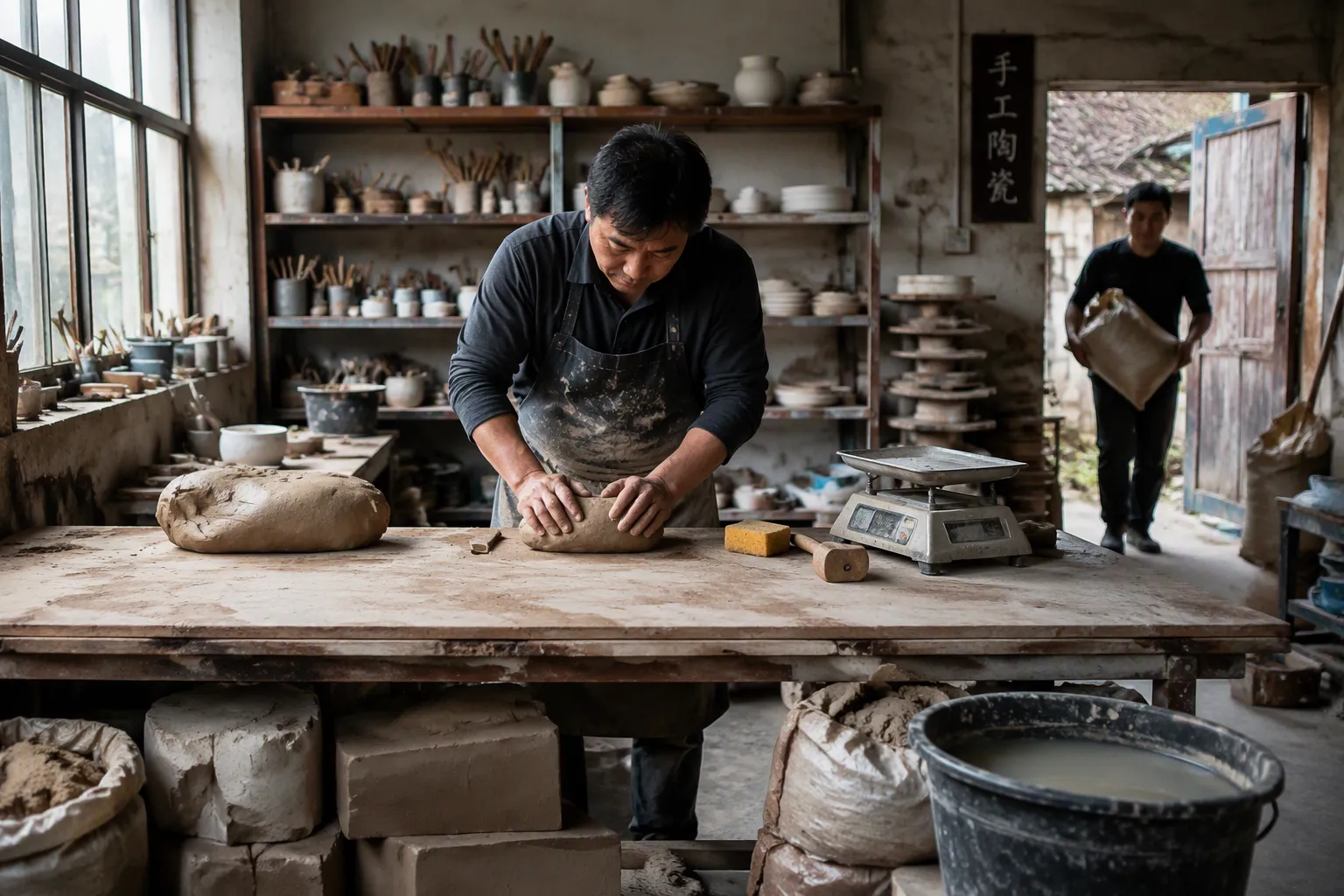
After aging, the clay needs kneading. One person wedges the clay by hand before throwing. This step takes out air pockets and makes the clay even. For large pots, two or more people throw together. They move together to shape the pot. This teamwork needs practice and trust.
The full process of sourcing clay in Jingdezhen follows a strict order. Traditional production uses 72 individual steps. One worker handles each stage. Nothing moves forward until the previous task is done. A single mistake can ruin a whole batch. When raw clay turns into porcelain, every step matters. Your patience at this stage pays off at the wheel. Sourcing clay this way keeps the old standard of quality that defines authentic Jingdezhen clay.
Why clayesouk Prefers Authentic Jingdezhen Clay
The Unique Properties of Natural Mineral Clay
Today you can buy chemical alternatives on the market. These substitutes blend industrial powders to copy the look of porcelain. But they cannot match how natural mineral clay behaves. Authentic jingdezhen clay has a geological fingerprint that no factory recipe can copy. Its fine and coarse particles work together when the piece is shaped and fired. This balance gives each piece a special feel and lasting strength.
Natural minerals also carry historical value. Jingdezhen has made porcelain for more than 1,700 years. The city earned its title as the Porcelain Capital of the World through centuries of nonstop craft. Potters there developed classic jingdezhen blue-and-white using cobalt oxide pigments. That same cobalt oxide tradition still lives in studios today. When you hold a cup made from real jingdezhen clay, you hold a piece of that long story.
The Value of Traditional Craftsmanship
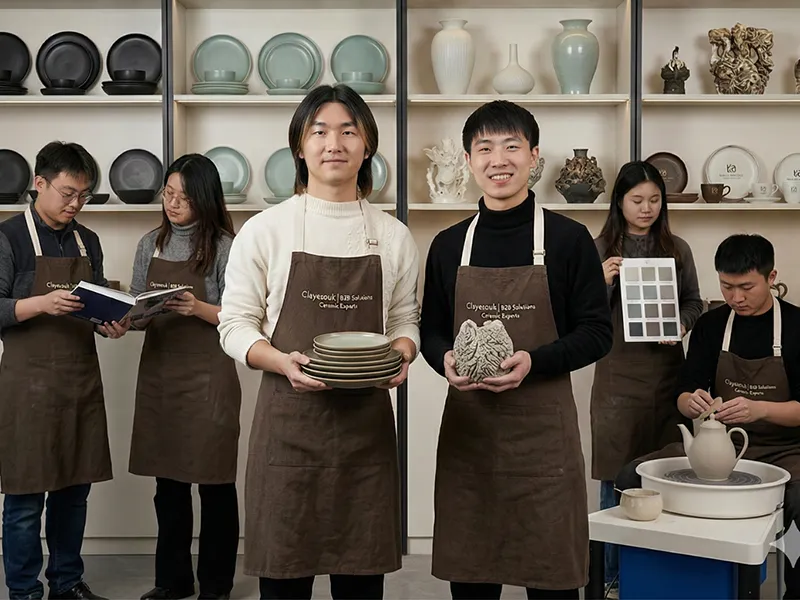
clayesouk builds its work on this heritage. The brand works in Jingdezhen, a city UNESCO recognizes as a Creative City of Crafts and Folk Art. Artisans at clayesouk focus on handmade ceramic cups. They follow traditional Chinese ceramic techniques handed down through generations. Each artisan brings years of experience to the wheel. They shape every cup as a real work of art, not a factory product.
The brand is recognized as a national-level ICH productive protection demonstration base. This status shows a commitment to preserving intangible cultural heritage. Products meet international quality standards. You see this dedication in every detail, from the choice of raw clay to the final glaze. clayesouk also creates underglaze blue-and-white designs that honor the region’s artistic legacy. Choosing authentic materials means choosing a piece of living history.
You have followed the journey of jingdezhen clay from ancient geological deposits to the potter’s wheel. Kaolin and porcelain stone combine to give this clay its special qualities. Traditional preparation methods, passed down through generations, turn raw materials into works of art.
These steps preserve a cultural heritage that spans centuries. In our modern world, handmade craftsmanship still holds deep value. Each cup carries the weight of history and the warmth of human hands. When you choose authentic jingdezhen pieces, you support artisans who keep this legacy alive.
FAQ
What makes the region’s porcelain clay unique?
Jingdezhen clay is a mix of kaolin and porcelain stone. These two local minerals form a one-of-a-kind body. The blend gives high flexibility and strength. It handles very high firing temperatures. You can shape thin, see-through wares. They still stay strong.
Why is aging necessary before throwing?
Fresh material holds moisture that is not even. Aging spreads water evenly through the material. You let it rest for several weeks. The material becomes more flexible and resists tearing. Shaping feels smoother and easier to predict.
Can chemical substitutes replace authentic material?
Chemical blends copy how porcelain looks on the outside. They cannot match the geological fingerprint of natural clay. Genuine minerals act better during throwing and firing. You will feel the difference in the finished cup. Authentic material keeps the historical quality standard.