
How to Source Uniform Handmade Cups for Your Restaurant with Claye
Source uniform handmade cups for your restaurant by setting tolerances and choosing a production studio like Claye. Get consistent cups with handmade charm.

Source uniform handmade cups for your restaurant by setting tolerances and choosing a production studio like Claye. Get consistent cups with handmade charm.
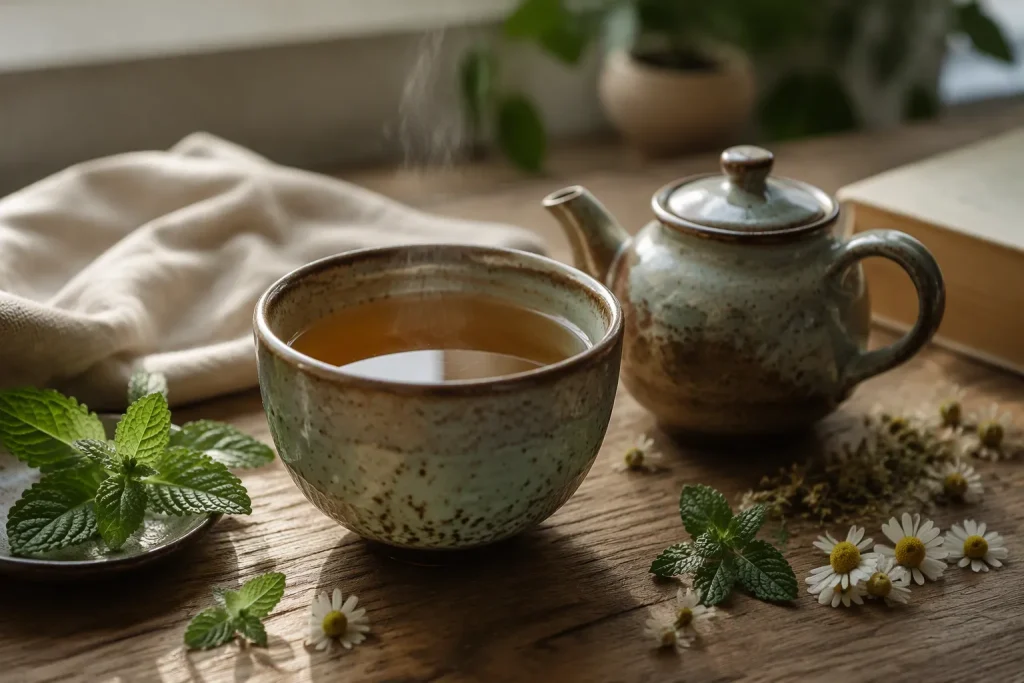
The best herbal teas for handmade ceramic cups are chamomile, lavender, peppermint, ginger, hibiscus, and rooibos—chosen for flavor, aroma, and everyday calm.

Assess competitive landscape for handmade ceramics with a step-by-step process: identify competitors, analyze pricing, branding, and customer journey to find your niche.
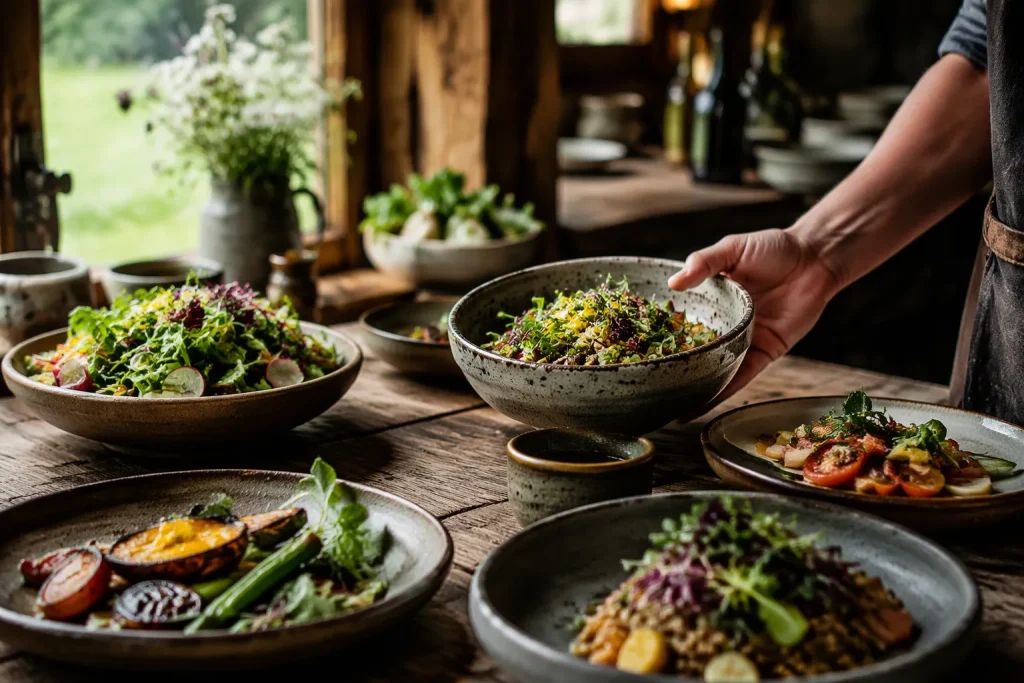
Artisan ceramics enhance farm-to-table dining with unique glazes, durability, and a story of local craft that complements seasonal food and values.

Brewing vessel material changes tea chemistry: clay softens tannins, glass cools fast, porcelain stays neutral, and metal adds ions. Choose the right vessel.
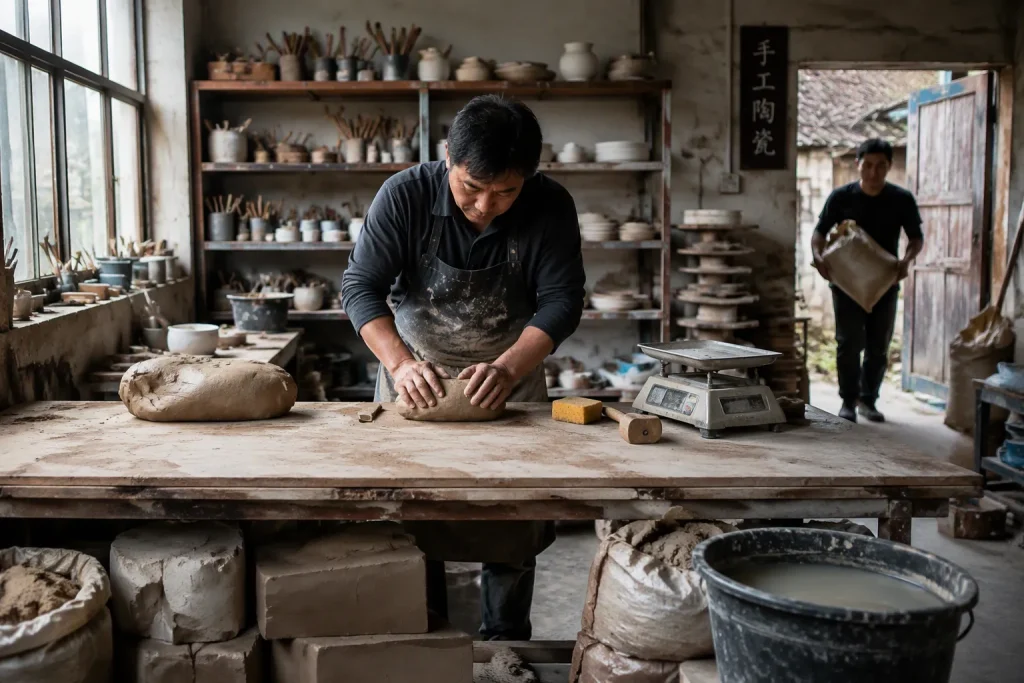
Sourcing clay in Jingdezhen involves mining kaolin and porcelain stone, then washing, aging, and kneading to create the renowned porcelain body.
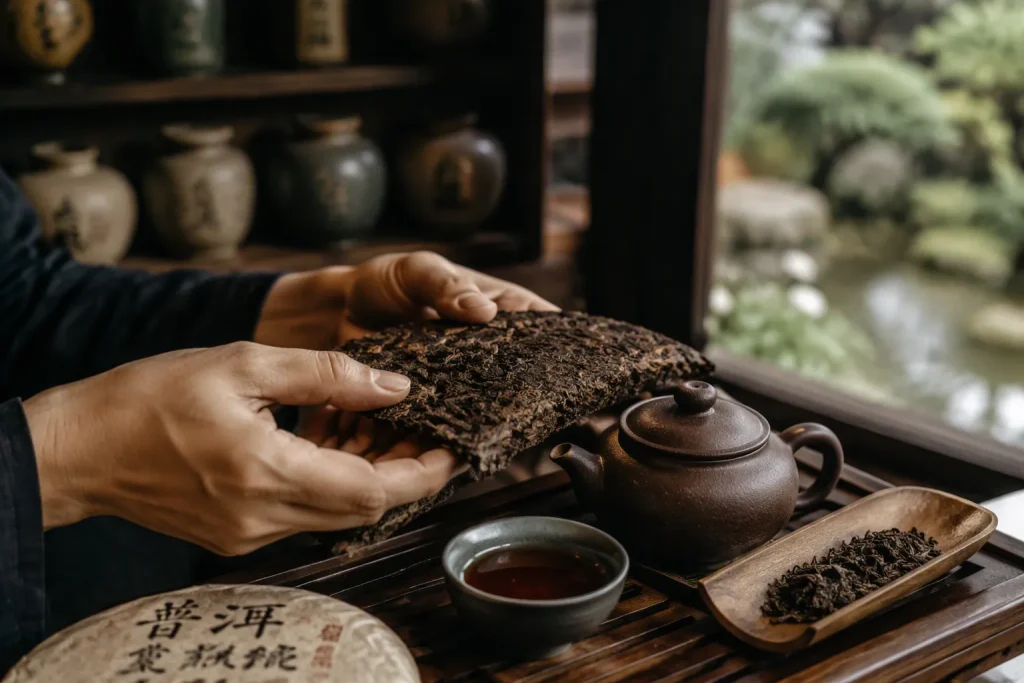
Dark teas like puer age better in clay because its micro-pores allow oxygen exchange, minerals interact with tea compounds, and it buffers temperature and humidity.
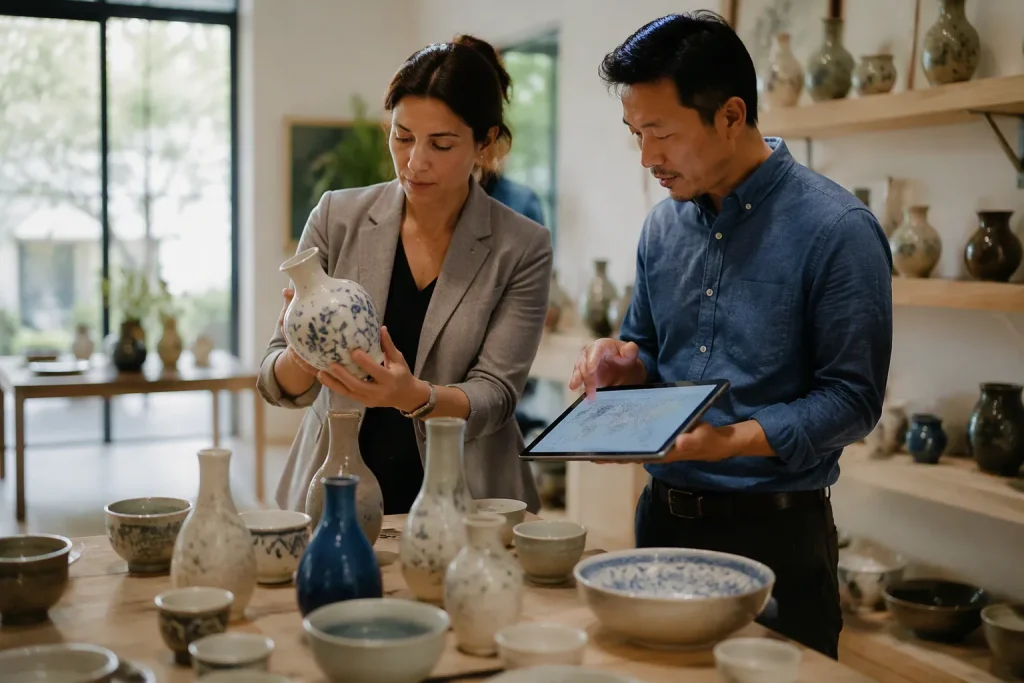
Why US boutique stores buy from Jingdezhen with CLAYE: cut out middlemen, get authentic porcelain, customize small batches with quality-checked shipments.
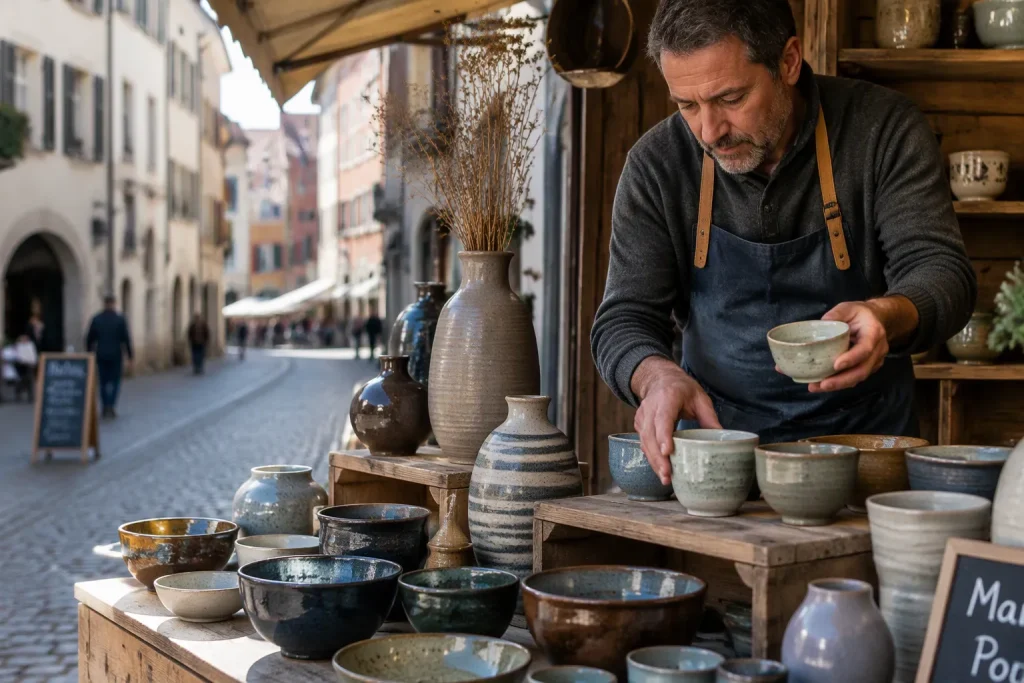
The market for handmade ceramics in Europe earns €2–3 billion yearly, driven by small independent shops, cultural policies, and trade shows, unlike the US.
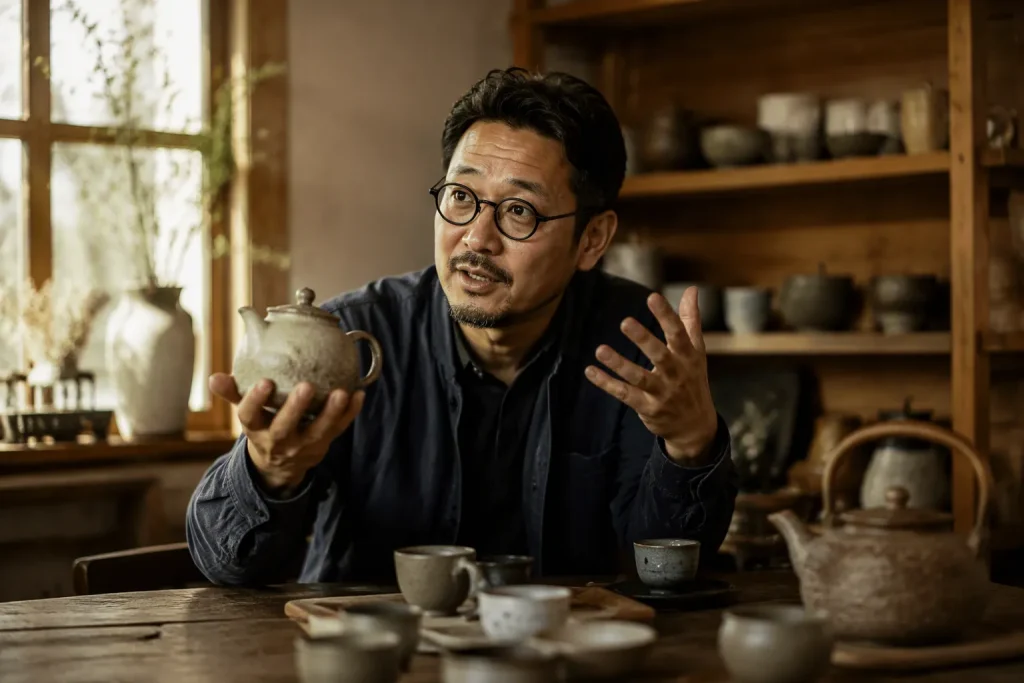
Use ceramic storytelling to turn every teapot and cup into a memorable character that attracts customers, keeps them longer, and brings them back again.
