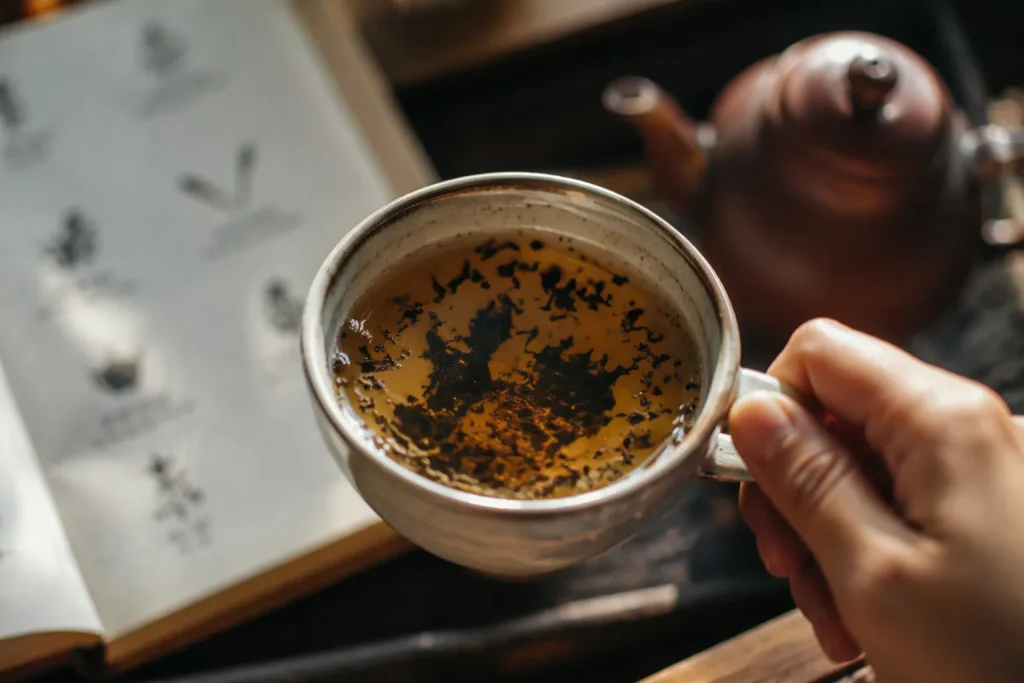
How to Read Tea Leaves After Brewing with Claye
How to read tea leaves after brewing for fun, not fortune. Simple steps with loose leaf tea, a light cup, and playful shape-spotting. No predictions, just curiosity.

How to read tea leaves after brewing for fun, not fortune. Simple steps with loose leaf tea, a light cup, and playful shape-spotting. No predictions, just curiosity.
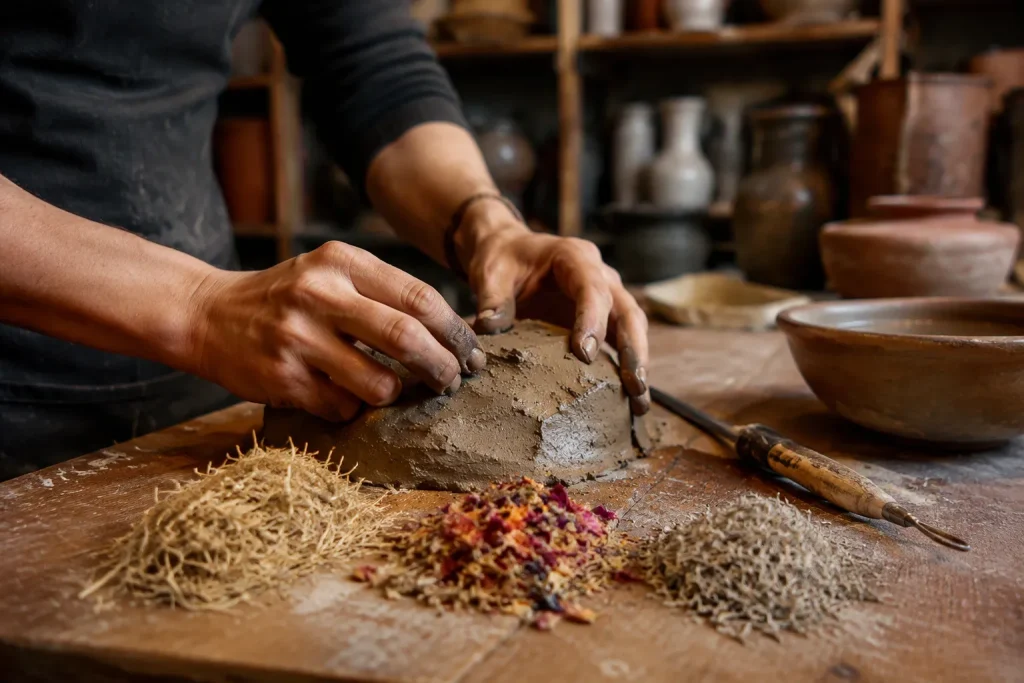
Organic material like straw and sawdust makes clay more flexible, reduces drying cracks, and creates lighter, porous pots. CLAYE explains how to use it.
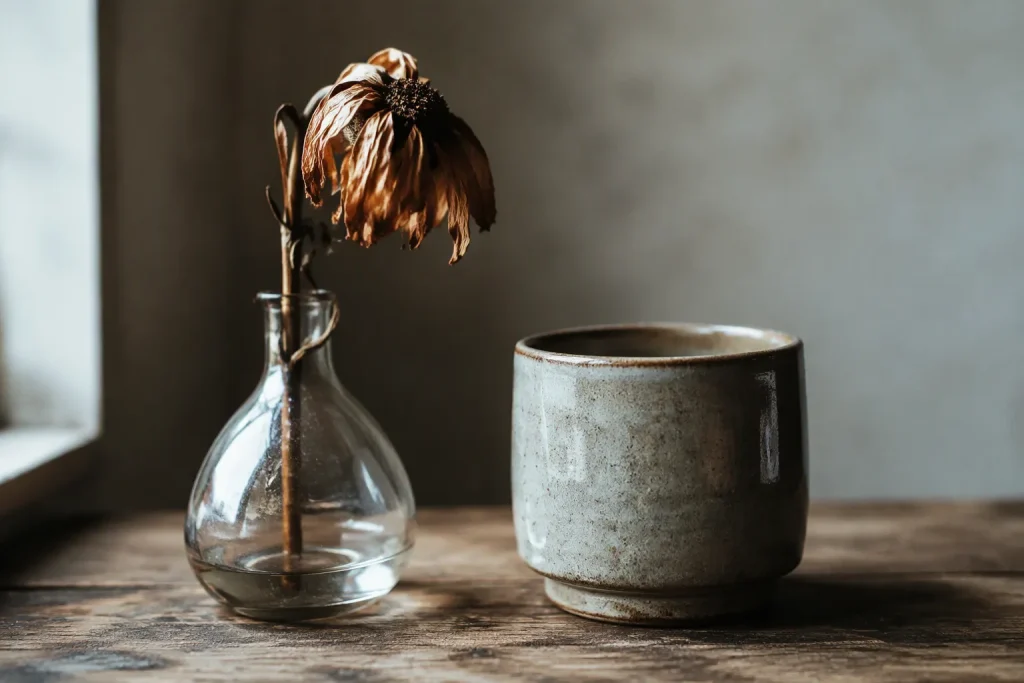
Ceramic cups make better gifts than flowers because they last for years, offer daily utility, save money over time, and can be personalized for a truly unique present.
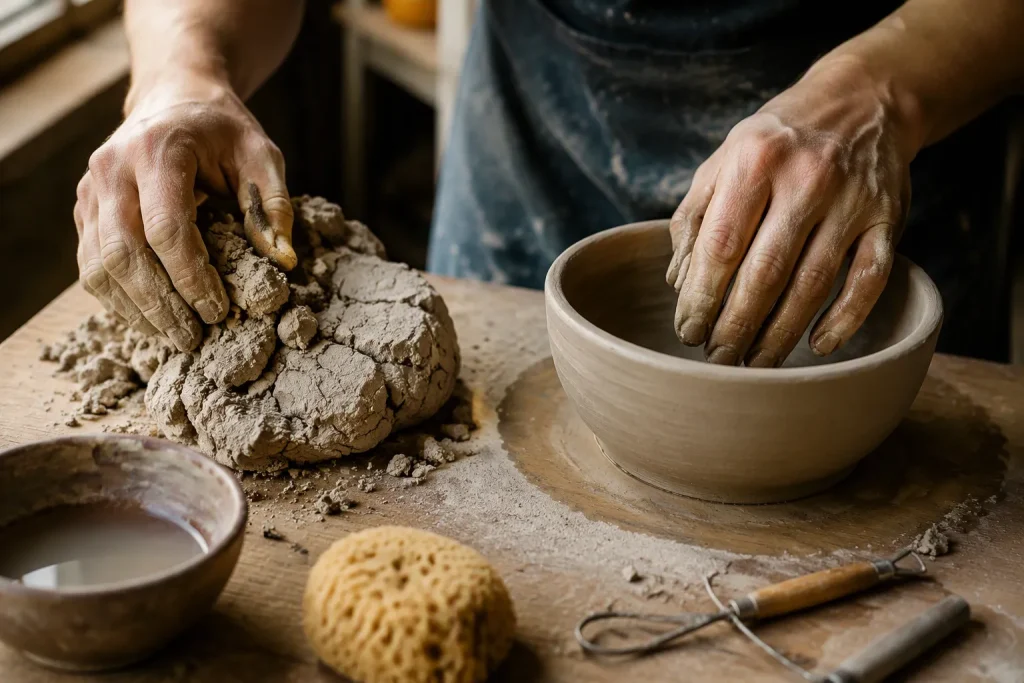
Water content affects clay workability: too little makes clay stiff and crack; too much makes it soft and unstable. Most workable clay holds about 20% water by weight.

A specialty coffee chain chose Claye cups after meeting four rules: technical performance, application fit, regulatory compliance, and cost.
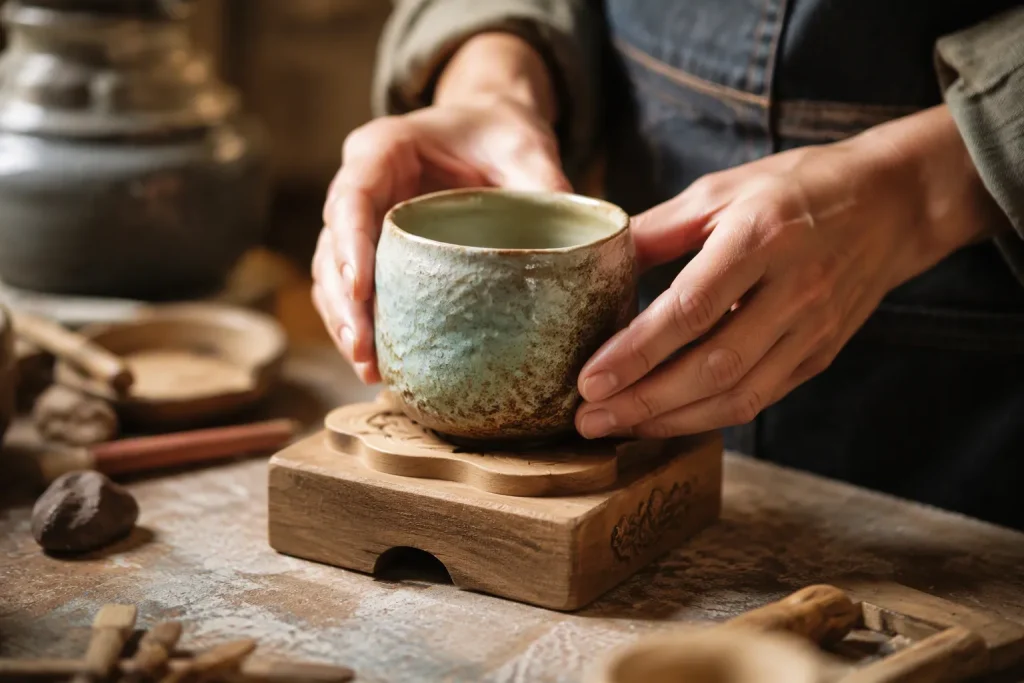
To gift a handmade ceramic cup, protect it with bubble wrap and double-boxing, then add personal touches like ribbons and notes for a memorable presentation.
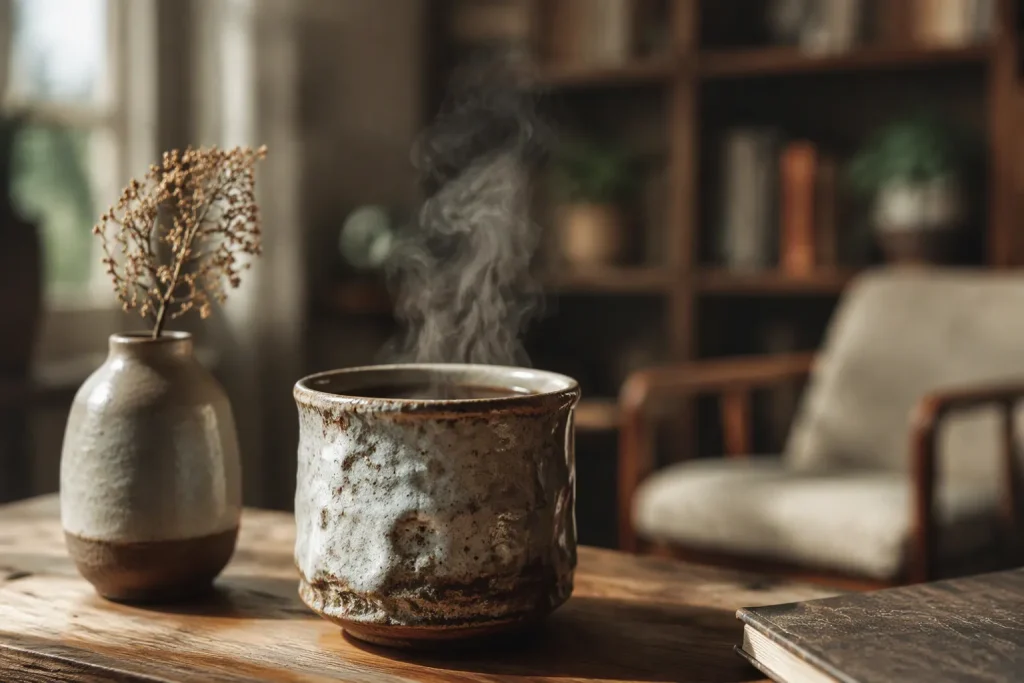
Looking for the best ceramic cups for someone who has everything? Our curated list matches top ceramic cups to personalities, ensuring a perfect gift.
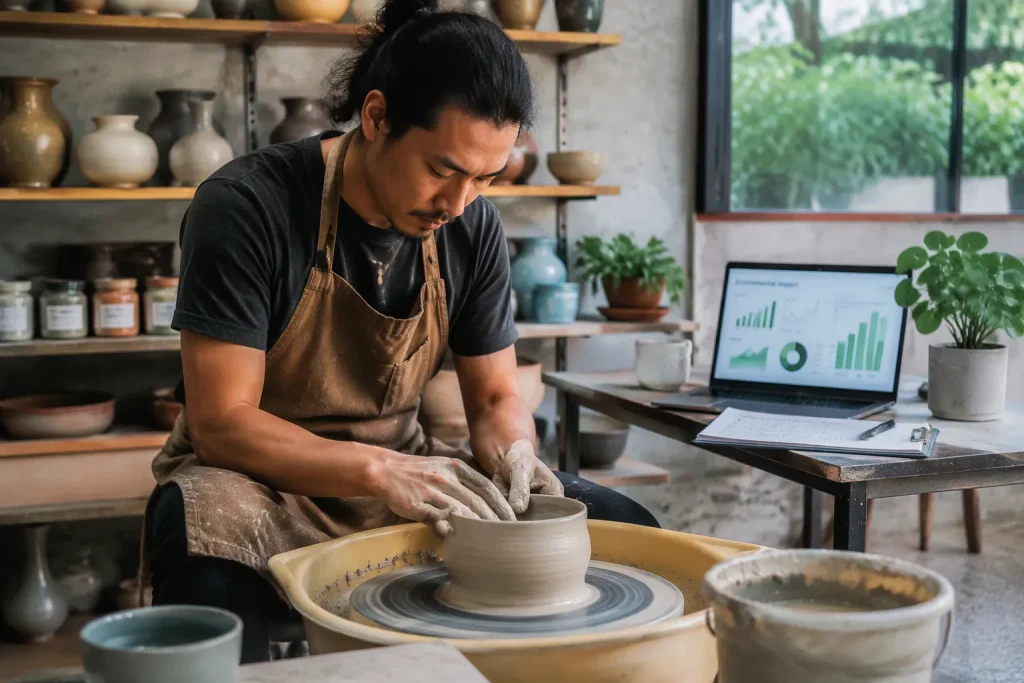
Ceramics’ environmental impact depends on production and lifespan. Eco kilns cut emissions, and durable pieces offset mining and firing costs.

Claye scaled from 200 to 2000 ceramic units per quarter by fixing process bottlenecks, training staff, and using corporate gifting to smooth demand.

Tea enthusiasts prefer tap water because minerals enhance flavor and it’s cost-effective. Boiling removes chlorine, making tap water a viable choice for brewing.
