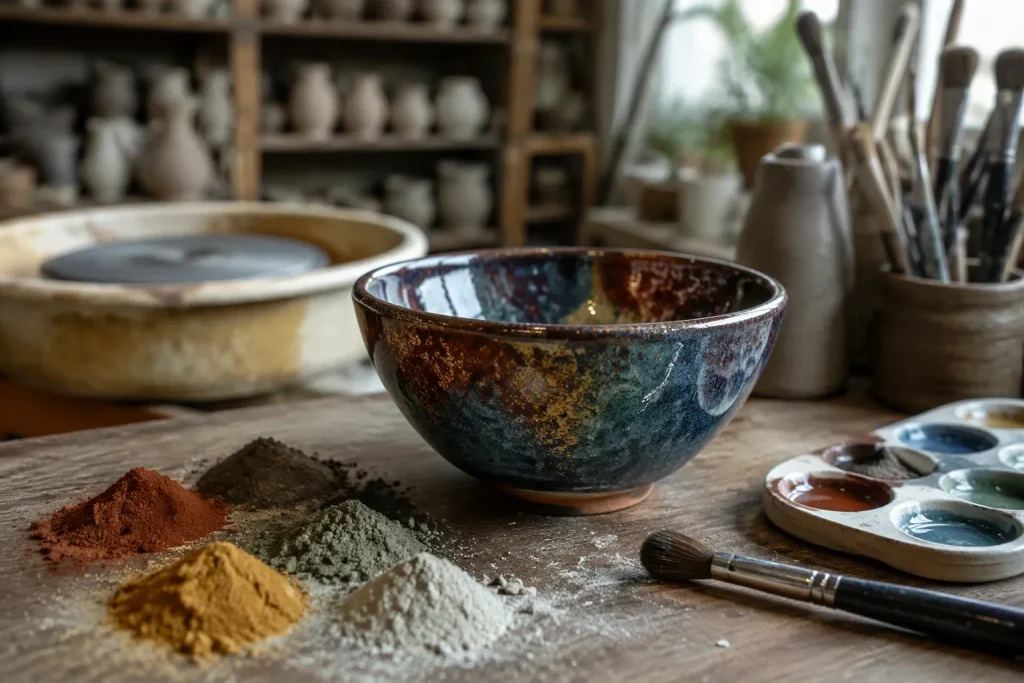
A potter lifts the kiln lid. Inside, a bowl shines with deep blue and copper red. This moment feels like pure magic. But chemistry makes it happen. Mineral pigments create different colors by soaking up certain light wavelengths inside the glaze melt. The reflected light reaches our eyes as the color we see. How do simple minerals like metal oxides turn into such a range of colors? The answer is in the chemistry of ceramic glazes. Potters who understand this science gain real control. They turn lucky accidents into results they can repeat. The kiln becomes a laboratory. Each firing teaches a new lesson.
Key Takeaways
Mineral pigments make color by taking in some light waves and bouncing back others.
Metal oxides such as cobalt, iron, copper, and manganese are common color makers in ceramic glazes.
The heat of the kiln and the air inside it change the colors that metal oxides make.
Testing and keeping records help potters get colors that stay the same every time.
It is very important to be safe when you work with metal oxide powders.
How Mineral Pigments Create Different Colors
Selective Light Absorption Explained
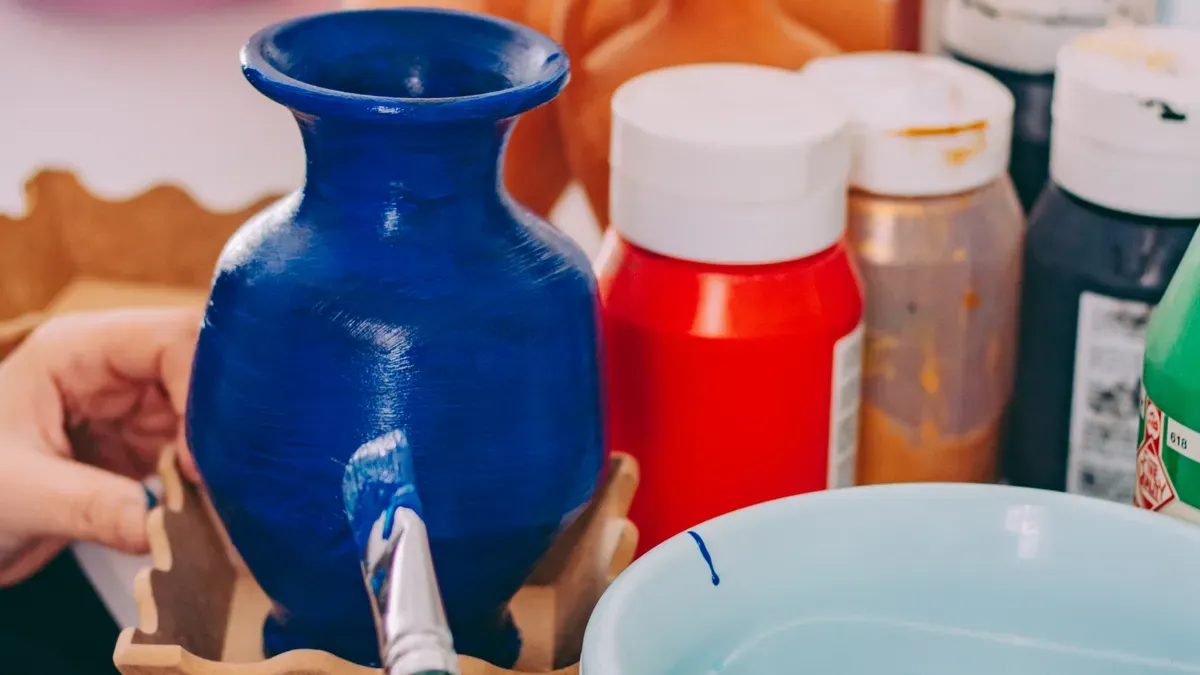
A glaze keeps a secret. It does not color itself blue or green. Instead, it takes certain colors out of white light. Mineral pigments make different colors by soaking up some light wavelengths and bouncing back others. The bounced light travels to our eyes. That leftover light turns into the color we see.
Transition metals run this process. Their atoms have d-orbitals that are partly filled. Electrons sit in these orbitals at different energy levels. When a metal bonds with oxygen or silica inside a ceramic glaze, those energy levels break into two groups. The gap between the groups matches one certain wavelength of light. As light goes through, electrons jump across that gap. They soak up the matching wavelength. The rest of the light mixes into a complementary color.
Cobalt silicate gives a clear example. It soaks up yellow light. Our eyes then see blue. Copper oxide in an oxidized ceramic glaze soaks up red light and looks green. In a sodium-rich, low-alumina glaze, the energy gap gets wider. Orange light gets soaked up instead. The result is turquoise. The metal used, the glaze chemistry around it, and the firing atmosphere all decide which wavelengths vanish and which color shows up.
The Glaze Melt as a Host Matrix
The glaze melt is not a passive container. It is a host matrix. Metal oxides dissolve or hang inside it. The chemistry around them shapes the final hue. This is why making color in ceramic glazes calls for attention to the full recipe, not just the pigment.
Coordination geometry matters. Iron ions in tetrahedral coordination soak up ultraviolet light. In octahedral coordination, their absorption moves toward visible wavelengths. That shift makes yellow-brown tones. Concentration changes the mechanism too. At low levels, iron gives a narrow yellow absorption. As iron concentration goes up, absorption spreads toward blue-violet. The glaze then shows complementary yellow. When iron goes past its chemical reaction limit, extra iron oxide crystallizes. The main coloring mechanism switches completely.
Other glaze components get in the way as well. Lead oxide raises free oxygen and stabilizes high-valent coloring ions. It also weakens the effective electric field that oxygen puts on iron. This favors low-coordination structures and shifts absorption to longer wavelengths. Phosphorus can push cobalt toward purple. Boron shifts chromium-tin pink toward violet. Calcium makes that same pink more stable and more red. Zinc oxide must stay away from chromium oxide pigments because it promotes brown spinel formation.
These interactions show that glaze chemistry directly controls pigment color. Dissolution, coordination changes, and reactivity with glaze components all play a part. A potter who tracks these variables gains real control over the outcome.
Metal Oxides: The Primary Colorants
Common Metallic Oxides Used in Glaze
Metal oxides are the classic workhorses of ceramic glaze colorants. Potters have counted on them for hundreds of years. The most common metallic oxides used in glaze are cobalt, iron, copper, and manganese. Each one adds its own special palette to the kiln.
The table below shows how these metallic oxide colorants act under different firing conditions.
Metal Oxide | Oxidation Colors | Reduction Colors | Typical Concentration | Special Properties |
|---|---|---|---|---|
Iron Oxide | Amber, yellow, brown | Celadon green, black | 2–6% | Acts as a flux, versatile |
Cobalt Oxide | Blue | Blue, violet, black | 0.5–2% | Extremely potent, expensive |
Copper Oxide | Green, turquoise | Red, metallic | 1–5% | Volatile, creates blushing |
Past these four, other oxide colorants widen the range. Manganese oxide makes purples and browns in oxidation at lower amounts (about 2–4%) and near-black tones at higher amounts (around 6–8%). Chrome oxide creates bright green hues even at very low amounts (typically 0.1–0.5%). Nickel oxide tends to make soft grays, browns, and sometimes muted greens or blues, usually at 1–5% concentration. Rutile, a mineral full of titanium dioxide, creates soft buff or tan tones with creamy, mottled surfaces at 2–8%.
Cobalt oxide for blue is the most well-known example. Yet cobalt can give pinks and violets in high-magnesium glazes. This change shows how the chemistry around it reshapes what a single oxide does.
Oxide vs. Commercial Stain
Raw metal oxides act in ways you cannot predict in ceramic glazes. Their fired color depends on complex chemistry, concentration, particle size, firing atmosphere, and firing schedule. The raw color of a metal oxide seldom looks like the fired result. Mixing different metal oxides does not always make the colors you expect. MnO2 and Co3O4 break down during firing, releasing gaseous oxygen that can cause glaze defects such as bubbles or holes. Raw oxides are very sensitive to firing conditions. Oxidation state and temperature affect the redox balance and can change the fired color tone. They are also very sensitive to the chemical action of glazes. Copper usually gives green but can look blue in high-alkaline or high-earth-alkaline glazes. Phosphorus can turn cobalt purple.
Commercial stains offer a different path. These complex inorganic pigments come from solid-state reactions at high temperatures using metallic oxides or salts, usually with mineralizers. These ceramic pigments stay unchanged in the glaze during firing and allow a wide range of shades. Stains are prefired and mixed with stabilizers such as aluminum and zirconium to make them refractory. This leads to more consistent and predictable color results. Stains also need lower percentages to reach a given color, reduce glaze thickness issues, avoid blistering and pinholes caused by metallic carbonates or hydroxides, and are safer and more consistent to handle.
Ceramic stains (Mason stains, etc.) are another choice for color, made by pre-firing and stabilizing these metal oxides (and others). They give more predictable hues than raw oxides alone.
The choice between metallic oxides and stains depends on what the potter wants. Raw oxides offer reactivity and surprise. Stains offer control and repeatability. Knowing both gives the artist a fuller toolkit for glaze pigments.
Common Oxide Color Outcomes
Iron Oxide: Earth Tones and Beyond
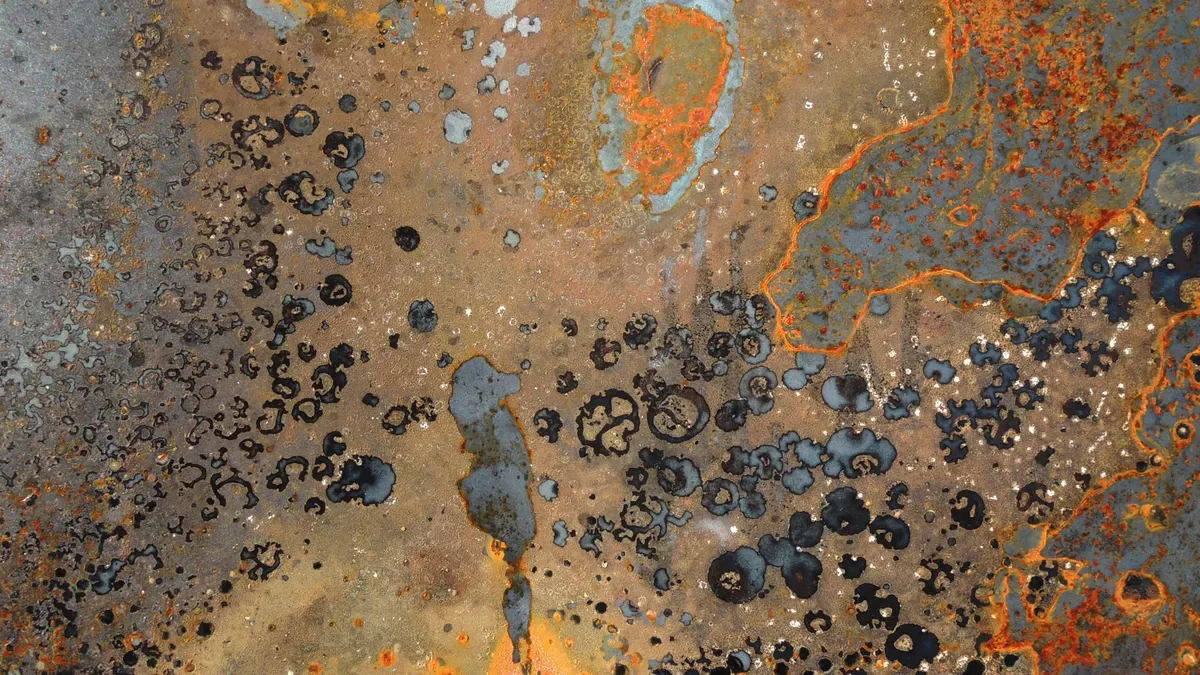
Iron oxide is the most flexible colorant among metal oxides. What you get depends on its form, the mineral mix, and how it is fired. In oxidation, iron oxide stays heat-resistant and does not melt well. The glaze keeps a lighter color. In reduction, Fe2O3 turns into FeO. This change opens up many colors. Potters see greens, blues, yellows, and maroons. More iron leads to deep brown and black. Tenmoku shows up at 10–13% iron oxide, and kaki at 13% or more.
A cooling hold near 950°C for one hour gives the best reds. Surface Fe2O3 red crystals form over a black FeO base. Refiring to cone 04 makes that red better. Shino glazes below 982°C also turn red. Temperature holds between 980°C and 870°C during cooling are key for red to develop. Small additions change everything. Titania at about 4% shifts iron from green to brown. Even 0.2 calcia turns an iron glaze brown. Magnesia forms red magnesioferrite. Soda with small amounts of iron gives blue, while larger amounts encourage red. Boron with small amounts of iron gives blue, but boron with almost no calcia gives green. Phosphorus from bone ash yields more reliable reds. Fluorine from cryolite at 1% or less helps iron move to the surface. Iron pyrite contamination in reduction-fired stonewares creates speckling.
Cobalt, Copper, and Manganese
Cobalt oxide and cobalt carbonate produce blues in both oxidation and reduction. Magnesium in the base glaze pushes cobalt toward blue-violet. Copper oxide and copper carbonate give blue and green in oxidation. In reduction, copper yields red to purple. Barium in the base glaze forces blues even in reduction. Manganese dioxide and manganese carbonate produce browns and purples. Manganese is a weak colorant overall.
During firing, manganese dioxide loses oxygen to form MnO, which acts as a flux. When MnO reacts with silica, it produces violet colors if alumina is absent, but browns when alumina is present.
Rutile, a mineral rich in titanium dioxide, deserves mention here. It interacts with other metal oxides to create variegated and speckled effects. These colors produced by metal oxides show how one oxide can shift another. The colors of ceramic glazes depend on these interactions. A potter who tracks them gains control over the colors created by ceramic glazes. Each oxide tells part of the story. Together, they define the final color in glaze.
Factors That Shape Color in Ceramic Glazes
Firing Temperature and Atmosphere
Firing conditions can change the colors a potter sees in a big way. Many metal oxides lose their brightness as the temperature goes up. High-fired stoneware often shows earthy tones. Low-fired work can stay bright and bold. Some colors, like chrome red, only work at low temperatures such as Cone 08 or below.
Firing atmosphere also changes the chemical state of colorants. In oxidation, oxygen is present. In reduction, oxygen is taken away. This shift changes how coloring oxides react. Copper makes oxblood red only in reduction firing because the red color shows up when oxygen is removed.
Reduction firing is a firing cycle with a higher fuel-to-air ratio. It makes carbon monoxide, which removes oxygen from metallic coloring oxides.
Glaze Composition and Pigment Concentration
Glaze chemistry shapes color in glaze through interactions among magnesium, iron oxide, and manganese. These materials can create surprising variations. A potter who tracks them gains better control over the final result.
Pigment concentration matters too. Too little pigment gives weak color. Too much creates metallic or muddy surfaces. Finding the right balance is key for stability in glazes.
A colorimeter can measure color in ceramic glazes. This tool helps potters keep results consistent across firings. It turns guesswork into data.
Working with ceramic glaze colorants takes patience. Each ceramic glaze recipe tells a story. The oxide chosen, the glaze around it, and the kiln’s fire all play a role. Understanding these factors helps any potter create repeatable, beautiful results.
Practical Pigment Use with clayesouk
Testing, Mixing, and Application
clayesouk works from Jingdezhen, a city with more than 1,700 years of ceramic history. Its artisans bring over ten years of skill with traditional glaze recipes. That history shapes how the studio handles pigments for glazes. Testing always comes first.
A potter can run a line blend to watch one oxide shift across a range. A triaxial blend compares three materials against each other. Both methods show how metal oxides act inside a glaze. Good records matter just as much. Notes on firing temperature, atmosphere, and concentration turn a lucky result into one you can repeat. clayesouk also offers custom ceramic design services. A client can ask for changes to patterns, glazes, shapes, and sizes. This service lets potters make a ceramic pigment or a whole glaze recipe their own.
Safety and Studio Hygiene
Many metal oxides are poisonous. A potter must handle every powder with care. A NIOSH approved respirator for fumes guards the lungs while mixing. Gloves must be worn when touching wet or dry glazes. The studio should never allow eating, drinking, or smoking. Hands need a full wash after work, even after the gloves come off.
Good housekeeping cuts down dust. Wet-mop floors instead of sweeping them. Wipe surfaces with a wet sponge and rinse it often. A vacuum with a HEPA-type filter catches particles 0.3 micron across or larger. These habits keep anyone safe who works with ceramic pigments. They also help glazes stay stable over many firings. A clean studio and a careful potter make better color.
Color in ceramics never follows a simple paint-by-numbers path. Mineral pigments make different colors through a living exchange among pigment, glaze, and fire. Metal oxides and commercial stains form the two main pigment families. These metal oxides react to temperature, atmosphere, and concentration in ways you can predict. Potters who control these factors shape the final result. Ceramic glazes reward this kind of patient study. A potter becomes a chemist-artist through steady testing. Line blends and triaxial blends show how a glaze behaves. Careful records turn one good firing into a recipe you can repeat. This approach builds true mastery over color. Now, go mix, test, and fire your way to a more colorful ceramic palette.
FAQ
Why does copper turn green in one glaze and red in another?
Copper oxide turns green when oxygen is present and red when oxygen is removed. The firing atmosphere changes the copper’s chemical state. A potter controls the kiln’s oxygen level to pick the result.
Can a potter predict the exact color before firing?
Not with raw metal oxides. Their fired color depends on concentration, glaze chemistry, temperature, and atmosphere. Commercial stains give more predictable results because makers pre-fire and stabilize them.
What happens when a potter adds too much pigment?
Too little pigment gives weak color. Too much makes metallic or muddy surfaces. Finding the right balance is key for stable, beautiful glazes.
Why does cobalt sometimes look pink or violet?
Cobalt usually makes blue. In high-magnesium glazes, it shifts toward pink and violet. The glaze chemistry around it reshapes what the oxide does.
How does a potter keep colors consistent across firings?
A potter runs line blends and triaxial blends to study how oxides act. Careful records of temperature, atmosphere, and concentration turn one good result into a recipe you can repeat. A colorimeter can also measure color for stability.