
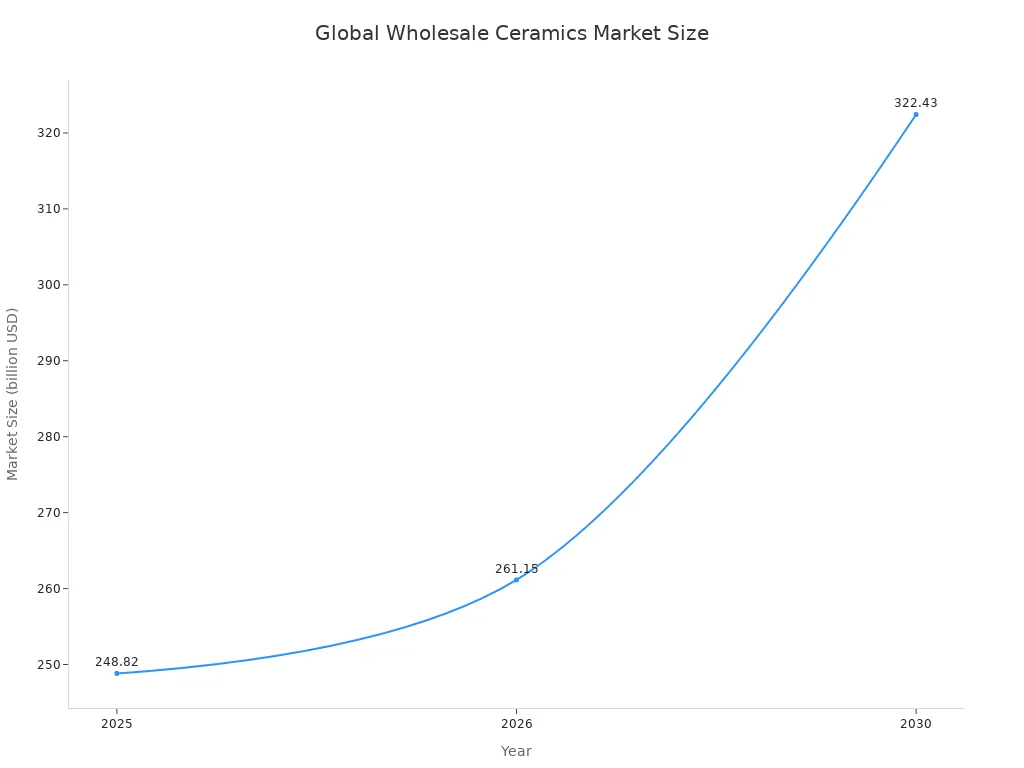
The worldwide wholesale ceramics market hit $248.82 billion in 2025. It will rise to $261.15 billion in 2026, growing 5.0% each year. This growth gives you a real chance to build a wholesale ceramic brand.
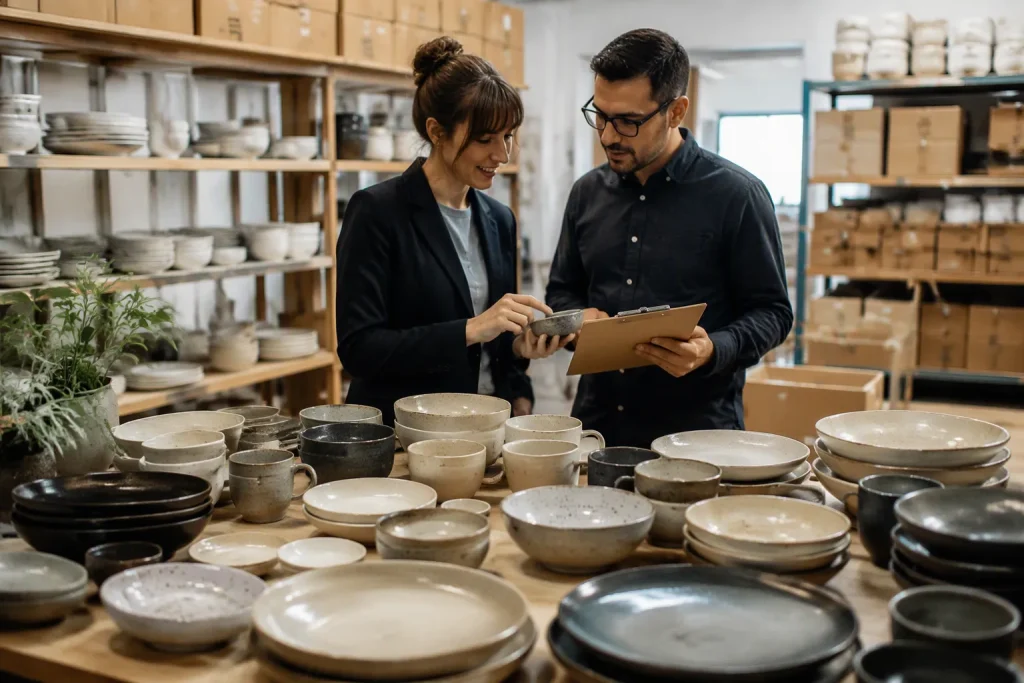
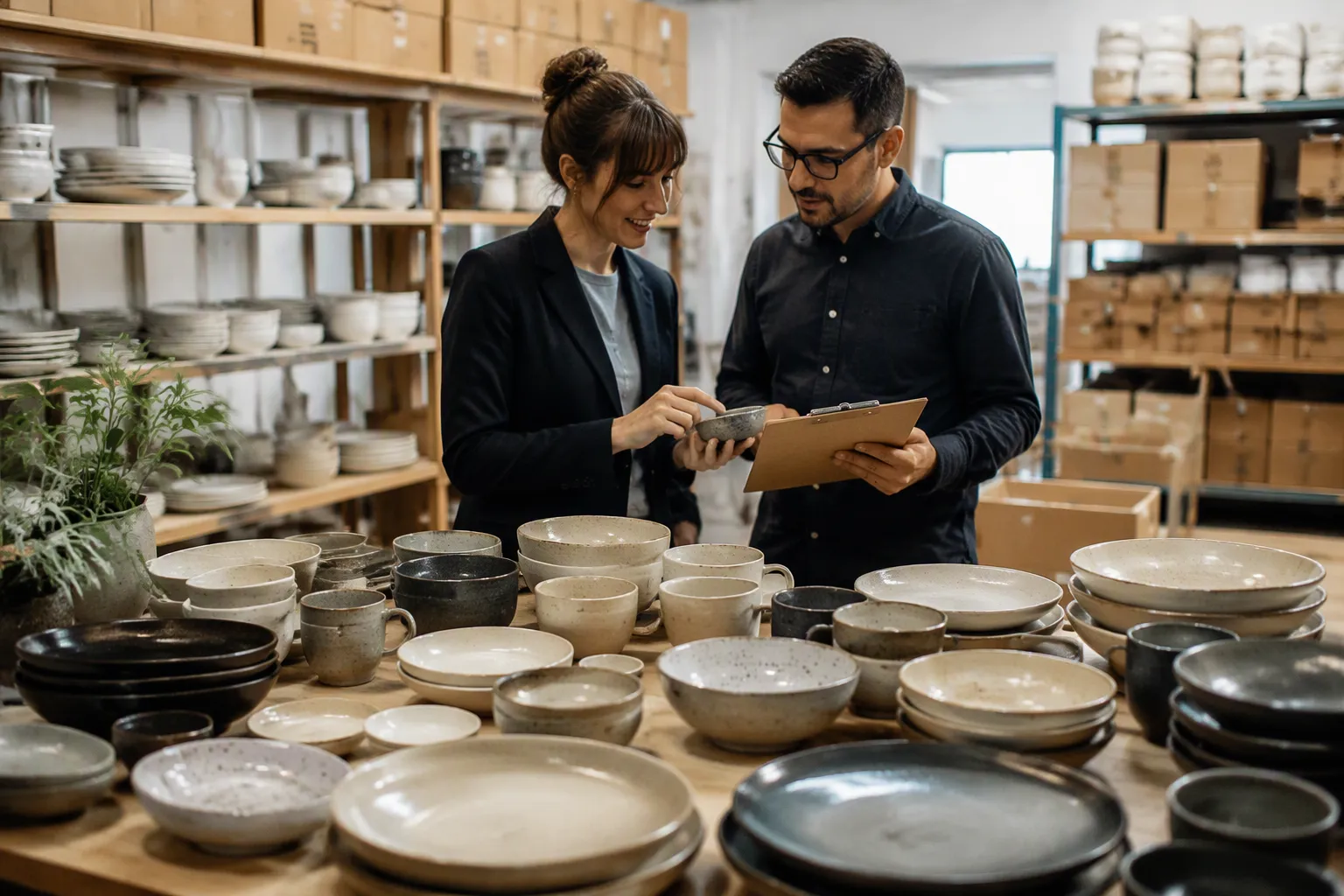
Restaurants, hotels, and stores need special ceramic tableware they can customize. Ceramic makes up 52.7% of the material type segment in 2026. Restaurant dining drives 38.5% of application demand. These buyers want products that look nice and last a long time.
So what does it take to build a wholesale ceramic brand from nothing? You need a clear plan. This guide gives you a useful roadmap. It covers research, suppliers, branding, costs, and logistics.
Key Takeaways
Begin with market research to find real demand for your ceramic products.
Pick a supplier who can make custom designs and keeps food safe.
Create a strong brand image to draw in wholesale buyers such as hotels.
Keep a close eye on your costs and shipping to protect your profits.
Custom designs make you stand out and build loyal clients who come back.
Why Ceramics Suits Startups
Low Entry Barriers, High Customization
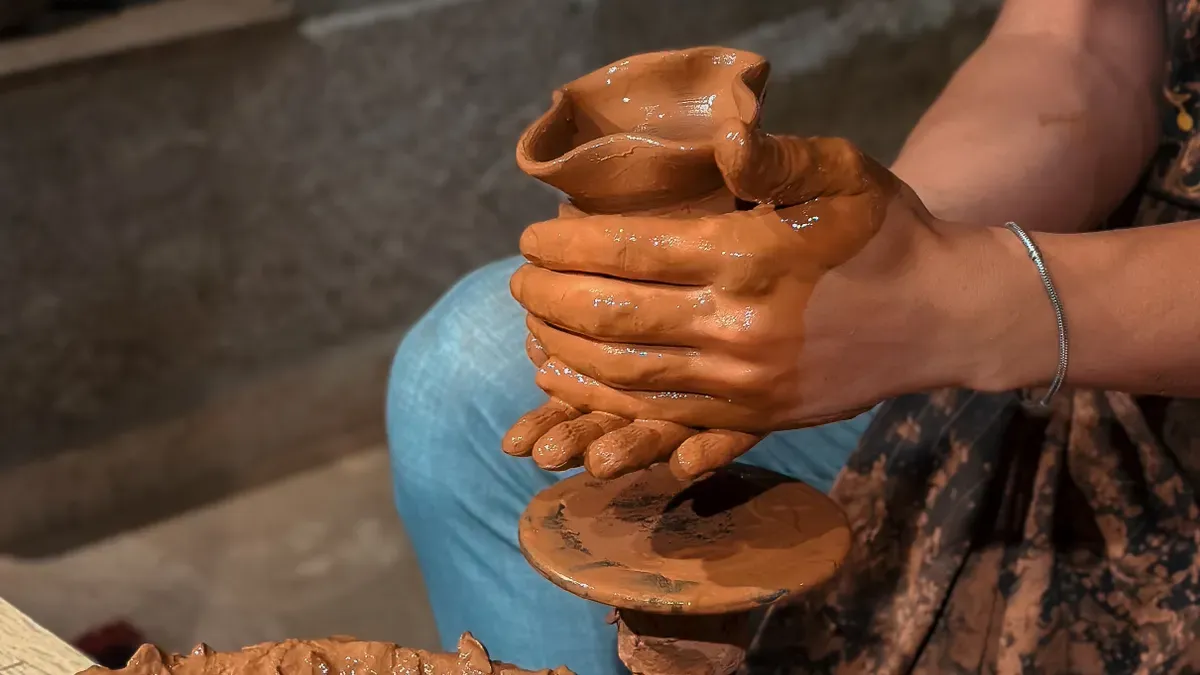
You do not need a factory to join this market. A simple home studio setup costs between $2,000 and $5,000. A pottery wheel costs $700 to $1,200. A kiln runs $1,000 to $3,000. You also need work tables, storage shelves, and a ventilation system. These numbers make ceramics one of the easiest manufacturing businesses for new entrepreneurs.
You can also work from home and buy tools over time. Many potters start small and add equipment as orders grow. This approach keeps your risk low while you learn the craft and build your client list.
Think about clayesouk as an example. This brand grew from Jingdezhen, a city with a long ceramic-making history. Clayesouk entered the market by mixing traditional artisan skills with modern design. The brand now serves boutique hotels and premium tea suppliers. Its success shows that a new brand can compete through craftsmanship and a clear identity.
Customized ceramic tableware lets you stand apart from mass-produced goods. You can offer unique glazes, shapes, and patterns that big factories cannot easily copy. This difference matters to buyers who want their brand to feel special.
Growing B2B Demand for Ceramic Tableware
Restaurants, boutique hotels, and tea suppliers increasingly seek unique ceramic tableware. These buyers want pieces that reflect their brand values. A restaurant may want a signature plate shape. A hotel may need custom colors that match its interior. A tea supplier may look for hand-painted cups that tell a story.
Customization turns tableware into a branded asset. Diners link a distinctive presentation with a specific establishment. This strengthens brand recall and gives businesses an edge in a crowded market. Mass-produced commercial tableware cannot copy artisanal details like irregular shapes or hand-thrown silhouettes.
You can offer private label options for faster turnaround. You can also develop fully custom designs for clients who need stronger differentiation. This flexibility helps you win wholesale accounts and build long-term relationships. As a result, your wholesale porcelain dinnerware line can grow with your clients’ needs.
How to Build a Wholesale Ceramic Brand: Step-by-Step
Market Research and Positioning
Start by checking demand before you spend money on inventory. Talk to restaurant owners, boutique hotel managers, and tea shop buyers in your area. Ask what they use now and what bothers them. Look for gaps in style, durability, or minimum order size. This step shows you if a real market exists for your products.
Next, figure out who your target buyers are. A neighborhood cafe has different needs than a luxury hotel chain. Write down their budget range, how often they order, and what designs they like. This profile guides every choice you make later.
Then define a unique style. Your brand needs a clear look that buyers can spot. The table below shows the key positioning factors that attract wholesale buyers.
Positioning Factor | How It Helps Attract Target Buyers |
|---|---|
Target market alignment | Adapting colors, shapes, sizes, and decorative styles to regional preferences lets a brand appeal directly to specific buyer segments. |
Application and material fit | Matching bowl depth, diameter, capacity, and material to the intended foodservice or retail use ensures relevance to buyer needs. |
Customization and branding | Offering shape and size options, glaze colors, finishes, private-label logos, and custom packaging enables differentiated collections. |
Product development support | OEM/ODM capability from concept to production helps buyers realize unique designs. |
Quality and batch consistency | Reliable material quality, glaze consistency, and quality control build trust for long-term wholesale programs. |
Production and order fulfillment | Supporting MOQ, bulk volume, repeat orders, and stable schedules makes the brand a dependable partner. |
Export readiness | Customized packaging and relevant market certifications ensure products meet target market requirements. |
Finding the Right Supplier
Choosing how to produce your items is the biggest decision you will make. You can work with a wholesale ceramics supplier that offers ready-made designs. You can also team up with a ceramic tableware and home decor manufacturer that handles full custom work. Knowing oem vs. odm helps you choose the right path. OEM means you bring your own design. ODM means the supplier offers existing designs you can brand.
Look for a supplier with deep craft knowledge. Clayesouk, for example, works from Jingdezhen’s artisan network and provides custom design services. This kind of partner helps you create customized ceramic tableware that stands out.
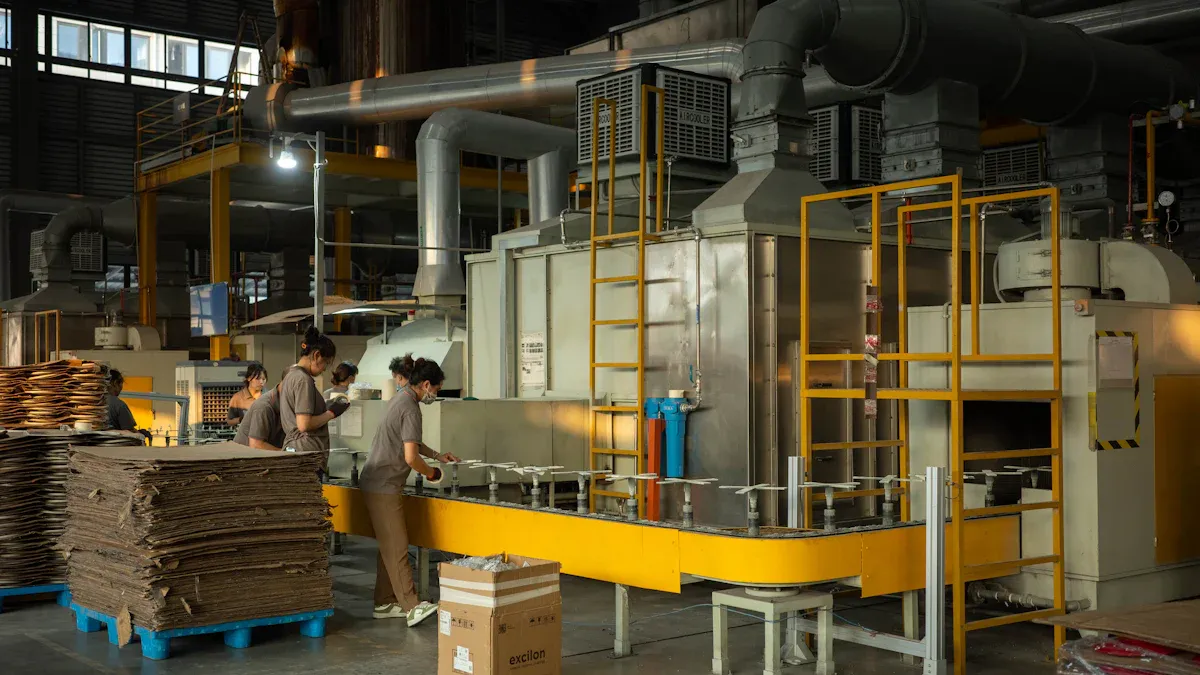
The ceramic development process for private label production follows a clear sequence:
Design confirmation and technical drawing.
Mold creation and sample pressing.
First firing (bisque firing at high temperature).
Glazing and decoration (hand-paint, decal, or reactive glaze).
Second firing (1200°C–1300°C vitrification).
Quality inspection and sorting.
Export packaging and pallet loading.
Each step affects final cost, consistency, and delivery time. Fast sampling cycles of 7–20 days let you react quickly to market trends. Your supplier should control common defect risks at every stage. These risks include warping after firing, glaze pinholes, color inconsistency, and uneven thickness. Raw material inspection, in-process firing checks, kiln batch sampling, and final export inspection keep quality on track.
For oem and odm projects, confirm that your supplier delivers identical, durable, and food-safe porcelain or stoneware pieces. Every item must be food-safe and follow your target market’s rules. Ask for test reports before you commit to bulk orders.
Platforms like Faire connect you with retailers and help you manage wholesale orders. You can list your products, set minimums, and track reorders in one place. This saves time and lets you focus on building relationships.
Branding, Marketing, and Logistics for Wholesale
Building a Wholesale Brand Identity
You need a brand identity that wholesale buyers will remember. Start with clear positioning. Define what your collection is for, your target price range, and the style you want. This clarity helps your manufacturer with design and production. Your brand values should show in every piece you sell. Clayesouk shows this approach well. The brand builds on traditional craftsmanship, personal style, and high-quality handmade products. These values draw boutique hotels and premium tea suppliers who want more than generic goods.
Private labeling lets you build a branded product line without factory costs. You skip costly research and development steps while still offering pre-tested, premium products. Design, messaging, and packaging can all reflect your identity. This creates a smooth story from your service to the branded product itself. Your clients remember your name instead of your supplier’s name. This builds loyalty and trust over time.
Co-branding partnerships with companies that share your values expand your reach. Team up with local or international businesses for shared promotions. Your brand identity must also show up in visuals and content marketing. Use user-generated content and traditional channels like brochures to reinforce your identity. Product visibility builds credibility with potential retailers. The more visible your brand is, the less convincing you need to do.
Managing Costs and Logistics
Pricing customized ceramic tableware requires understanding your true cost structure. Your costs include product cost, international shipping, customs duties, domestic warehousing, packaging materials, marketplace commission fees, advertising spend, returns, and breakage allowance. Budget for ceramic breakage. Tiered pricing works well for different channels. Your own website can support higher prices because it avoids marketplace commissions. High-volume marketplaces require more competitive wholesale prices due to direct comparison.
Seasonal pricing creates opportunities. Q4 holidays, Mother’s Day, and wedding season are peak periods when customers feel less price-sensitive. Plan sourcing to have inventory ready 6-8 weeks before these peaks. For shipping, build buffer time into your schedule. Place orders 2-3 weeks before you need them. Standard lead times run 4-6 weeks. Diversify across multiple manufacturers to reduce risk.
Inventory management software with min/max stock alerts and barcode tracking helps you avoid stockouts. For after-sales support, treat every retailer with empathy and professionalism. Offer multiple contact methods and create an FAQ page covering products and warranty returns. Prompt responses encourage retailers to prioritize your products. Negotiate value-added services like custom packaging and extended payment terms. Ensure all your ceramic tableware is food-safe and compliant with your target market’s rules. Your wholesale porcelain dinnerware must meet international quality standards. Always verify that your personalized ceramic tableware is food-safe before shipping.
Advantages of Wholesale and Customized Ceramic Tableware
Higher Volume, Recurring Revenue
Wholesale orders change how your business works. You serve a small group of clients who place big orders. This way saves your administrative time, packaging costs, and shipping fees. Think about the difference. You ship 40 mugs to one client in two boxes. Or you ship 40 mugs to 40 people in 40 boxes. The first choice saves you hours of work and real money.
Wholesaling can really cut down your administrative time! You deal with a select number of clients placing large orders, instead of many small orders. Picture the difference in time spent emailing, packaging, labeling, and shipping when you ship 40 mugs to one client in two boxes, compared to 40 mugs to 40 people in 40 boxes?! Not to mention the money you save on packaging and shipping too!
Recurring revenue builds stability. Hotels and restaurants replace dinnerware regularly. This replacement cycle creates a steady flow of orders. Subscription replenishment models turn one-time sales into yearly contracts. These advantages of wholesale and customized ceramic tableware give you a foundation that direct-to-consumer sales cannot match.
Differentiation via Custom Designs
Custom work sets you apart from mass producers. You can change patterns, glazes, shapes, and sizes to fit each client’s needs. A boutique hotel may want matte finishes that match its lobby. A tea supplier may need hand-painted motifs that tell a story. A restaurant may ask for specific bowl depths for its signature dishes.
Available Options | How It Meets Client Needs | |
|---|---|---|
Shape & Size | Plates, bowls, platters, mugs; square, oval, organic, custom shapes; adjustable depth and capacity | Different markets prefer different forms; sizing tuned to regional requirements |
Colors & Glazes | Glossy, matte, reactive, speckled finishes; Pantone color matching | Glaze defines appearance; Pantone matching keeps brand consistency |
Decorations & Patterns | Decals, hand-painted artwork, gold rims, embossed textures, custom illustrations | Exclusive artwork creates differentiated product lines |
Functional Features | Dishwasher, microwave, oven safety; chip resistance; stackable storage | Practical features are essential for hotels and restaurants |
This flexibility serves many types of buyers. Retail brands, supermarket chains, coffee shops, and gift companies each have their own goals. Your custom ceramic tableware collection can meet all of them.
Clayesouk shows what quality means in this market. The brand holds national-level ICH productive protection demonstration base status. Several of its works were chosen as national gifts. These achievements prove reliable quality and cultural value. The brand serves boutique hotels, premium tea suppliers, and ceramic collectors. These clients value traditional craftsmanship and unique handmade stories.
When you offer personalized ceramic tableware and bulk supply, you build loyalty. Clients come back because your products carry their identity. This creates the advantages of wholesale and customized ceramic tableware that keep your business growing.
You now have a clear plan to start a wholesale ceramic brand. Begin with market research. Then decide your positioning. Next, pick a supplier who meets your quality standards. After that, create a brand identity buyers can trust. Finally, handle costs and logistics with care.
Your supplier choice affects everything. A strong partner keeps your ceramic tableware consistent and dependable. This base supports your long-term success. Your wholesale orders will grow with repeat clients. Always balance quality, cost, and customer service at every step. Building a wholesale ceramic brand from zero takes hard work and commitment. With the right strategy, you can turn clay into a successful and thriving business.
FAQ
How much money do you need to start a wholesale ceramic brand?
You can start with a home studio setup that costs $2,000 to $5,000. A pottery wheel costs $700 to $1,200. A kiln costs $1,000 to $3,000. You also need work tables, storage shelves, and a ventilation system. Many potters begin small and buy more equipment as their orders grow.
How do you find a reliable ceramic supplier for wholesale?
Find a partner who knows the craft well and offers custom design services. Clayesouk works from Jingdezhen’s artisan network and provides private label production. Make sure your supplier gives you food-safe pieces, steady glaze quality, and test reports before you place bulk orders.
What is the difference between OEM and ODM for ceramic tableware?
OEM means you bring your own design to the supplier. ODM means the supplier has existing designs that you can put your brand on. Both paths work for wholesale ceramic tableware. Your choice depends on how much control you want over patterns, glazes, and shapes.
How long does private label ceramic production take?
The process includes design confirmation, mold creation, bisque firing, glazing, a second firing at 1200°C–1300°C, quality inspection, and export packaging. Fast sampling cycles take 7–20 days. Standard lead times run 4–6 weeks. Place your orders 2–3 weeks before you need them.
Why do restaurants and hotels prefer customized ceramic tableware?
Customized ceramic tableware lets restaurants and hotels show their brand values. A hotel may want custom colors that match its interior. A tea supplier may look for hand-painted cups that tell a story. Custom designs build brand recall and help businesses stand out from mass-produced competitors.
