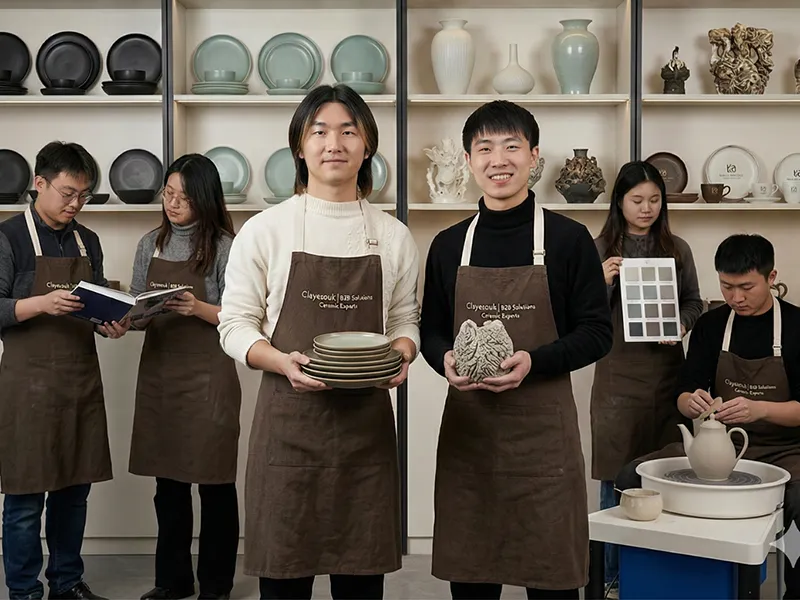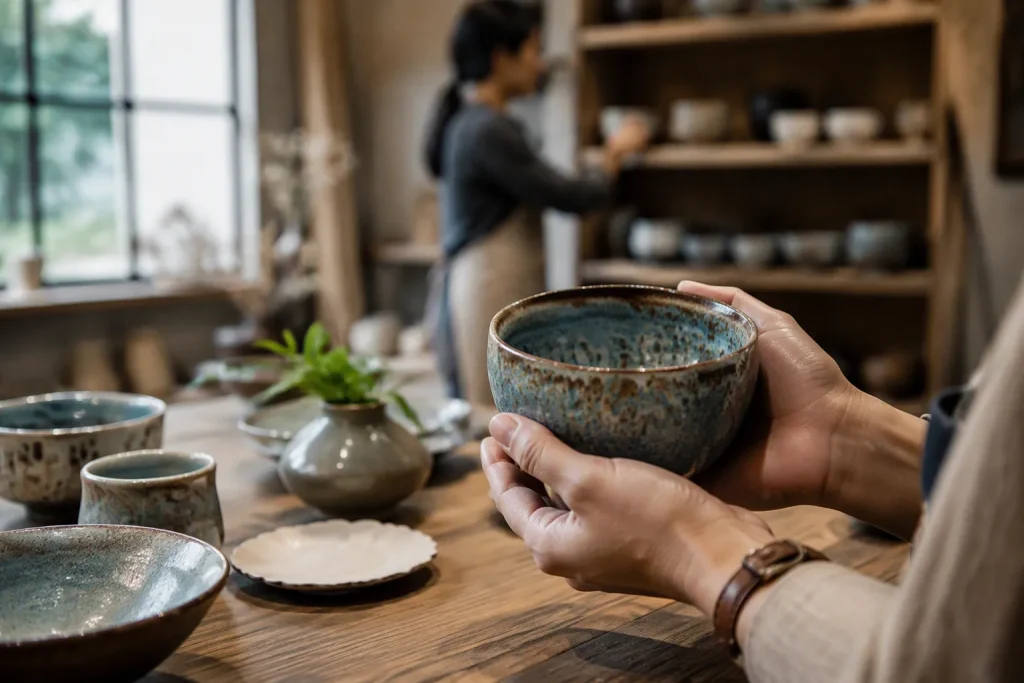
Positioning handmade ceramics as premium products requires storytelling, exclusivity, and outstanding presentation. You earn higher profits, gain loyal customers, and set your work apart from mass-produced dinnerware when you use this approach. Think about clayesouk, a brand based in Jingdezhen’s centuries-old porcelain heritage. Their artisans make each handmade piece as a work of art. This heritage-driven plan shows how real stories lift products above ordinary dinnerware. As a guide for ceramic artists, this article covers five proven strategies. You will learn to build a strong brand story, use value-based pricing, create premium presentations, market with exclusivity, and give outstanding service. These methods turn your ceramics business into a respected brand.
Key Takeaways
Create a brand story about your history and handmade methods to explain why your prices are higher.
Set your ceramic prices by what they are worth, not what they cost. Use anchoring and tiered pricing plans to help.
Build a high-end display in your store and online to make it seem more valuable.
Use limited editions and collaborations to create exclusivity and increase demand.
Teach your staff and give great service to support your premium positioning.
Build a Brand Story Around Handmade Ceramics
Artisan Process and Heritage
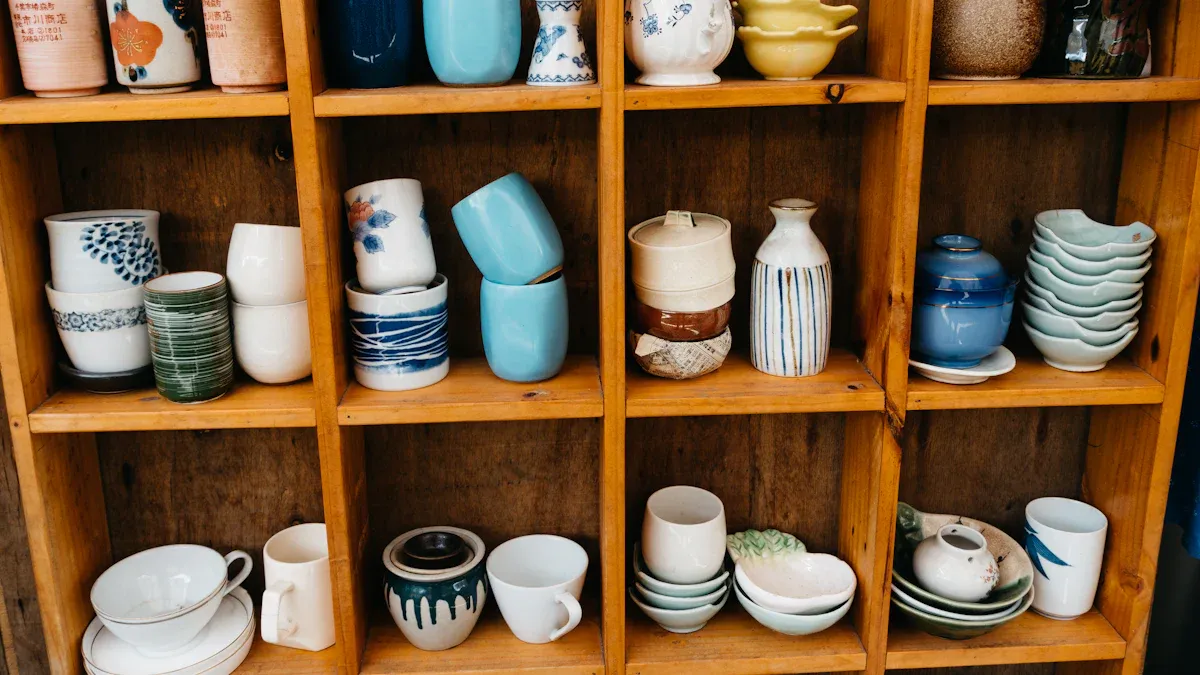
Your brand story needs to begin with where your craft comes from. clayesouk started in Jingdezhen, the Porcelain Capital, which has centuries of ceramic heritage. This gives the brand a real premium story. The artisans have extensive hands-on experience. They use clay, glaze, tools, time, and firing to make each piece. Top luxury companies use this kind of heritage to charge higher prices. When you share how deep your craft goes, you give a clear reason for a higher price. Customers see more value when they understand the skill and tradition behind your work. A strong brand story built on heritage fits this need perfectly. This brand story does not just sell cups. It sells a link to history. This way of telling your story makes your handmade ceramics feel truly special.
Emotional Storytelling for Buyers
Go past facts to connect with buyers on an emotional level. Your brand story and photos must work together to create desire. Describe the time, materials, and skill that go into each creation. One piece takes hours of shaping, glazing, and firing. This work turns everyday ceramic dinnerware into art you can collect. Each artisan brings their own style to the work. No two pieces are the same, and that adds exclusivity. Working with artists or cultural groups can lift your business even more. These partnerships create limited-edition collections that sell at premium prices. Younger luxury buyers care more about authenticity than prestige alone. They look for ceramic tableware with a story of where it came from. They want to own something handmade that holds cultural depth. Your brand story should speak right to this desire. Your brand story gives meaning to every piece. It should present every cup and bowl as a piece of heritage. This approach turns everyday objects into meaningful dinnerware. Your customers do not just buy dinnerware. They put their money into a tradition that spans centuries. Artisan ceramics like these keep their value over time.
Price My Work for Value, Not Cost
Anchoring and Tiered Pricing
You set your prices based on what your work is worth, not what it cost to make. Value-based pricing means you charge by craftsmanship, scarcity, and cultural depth. A mass-produced dinnerware set costs less because a machine makes thousands of identical pieces. Your handmade ceramics carry hours of skilled labor and a story no factory can copy. This difference justifies a higher price.
Anchoring bias shapes how buyers judge your prices. People rely on the first price they see as a reference point. Researcher Dan Ariely explored this tendency in Predictably Irrational. He found that people compare items against this initial anchor. You can use this knowledge to your advantage. Present a higher-priced piece first in your display. When shoppers see an expensive item first, lower-priced pieces later appear to be a better deal.
Tiered pricing works well with anchoring. Offer three versions of a similar product: Basic, Regular, and Premium. Present all three options together. Most buyers will choose the middle option. This strategy steers customers toward your target product. For example, a row might contain a premium dinnerware piece with elaborate glazing and a simpler dinnerware option. Place the premium item at the front. Shoppers notice it first. The anchor is set.
Communicating Value to Luxury Buyers
Luxury buyers need clear reasons to pay more. You must explain why your ceramics have value beyond the physical object. Recognition of your work as part of a cultural tradition can prove quality and importance. Such achievements support premium pricing because they show real-world validation.
When you price my work, connect the number to tangible proof. Tell buyers about your training, your materials, and your process. Share any awards or special recognition you have earned. A handmade cup from a recognized artisan carries more perceived value than an anonymous factory product. Your ceramic tableware becomes a collectible item, not just a daily utensil.
Focus on the experience your product delivers. A buyer who understands the heritage behind ceramic dinnerware will pay more for it. Explain how each piece fits into a tradition. Describe the firing process and the skill required. This approach builds trust. Buyers see that your price reflects genuine worth. They feel confident in their purchase. Your pricing becomes a statement of value, not an obstacle.
Curate a Premium Presentation for Selling Ceramics
In-Store Displays That Signal Luxury
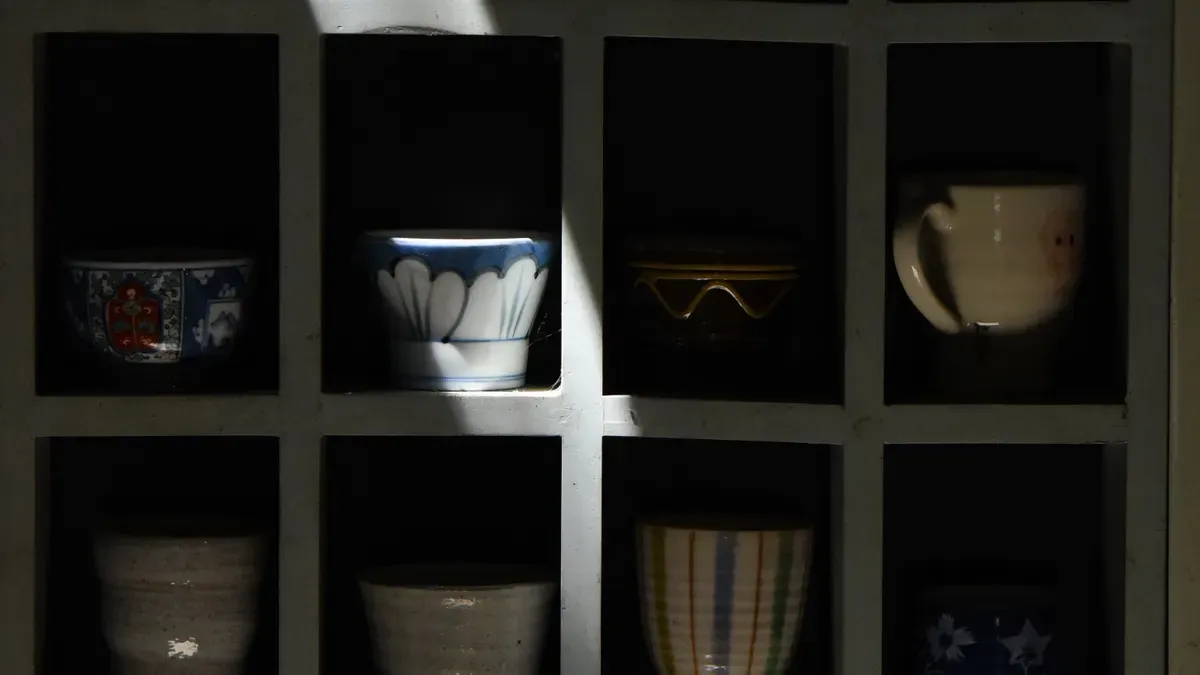
Your store space shapes how customers judge your work before they touch anything. Smart display systems create a visually captivating environment that matches your brand image. They evoke emotion and curiosity. They tell your story. Most importantly, they lift the perceived value of every item on your shelf.
Use these proven merchandising techniques to elevate your handmade ceramics:
Technique | How It Works |
|---|---|
Exclusive display cases | Showcase high-value items and create prestige |
Contrasting layouts | Emphasize beauty and craftsmanship through backgrounds or pedestals |
Spot lighting | Highlight textures, patterns, and unique details |
Limited quantity displays | Create exclusivity and let each piece stand out |
Storytelling signage | Share the heritage behind premium collections |
Negative space | Avoid overcrowding so individual pieces shine |
Dedicated premium zone | Separate high-end dinnerware into a special area |
Group your pieces by collection. A Master Cup deserves its own pedestal under focused light. Blue and White Porcelain Tea Cups work well together as a set. This approach turns your dinnerware display into a gallery experience. Customers slow down. They study each piece. They imagine owning it.
Online Listings That Convert
Your online presence must match your in-store experience. High-quality photography forms the foundation. Show your ceramic dinnerware from multiple angles. Capture the glaze detail. Photograph the piece in natural light. These images become your brand story and photography working together.
Write product descriptions that go beyond specifications. Explain the firing process. Describe the artisan’s training. Share what makes this dinnerware line different from factory-made alternatives. Buyers who understand your craft become loyal customers.
Consider where you sell your ceramics online. Shared marketplaces charge listing fees and transaction fees on every sale. You compete with mass production in search results. The platform owns your customer relationship. An independent website gives you full control. You own your customer list. Your SEO builds over time. You set the design and branding standards.
Look at Whiskey and Clay, a handmade ceramics business. Their homepage uses only black-and-white images. The brand story becomes the main attraction. A deliberately small product range lets buyers spend real time with each piece. A Press section adds credibility.
Build a dedicated story page. Explain why you make your work. Show process photography and short videos. These trust signals prove your handmade claim visually. Curate your collection carefully. Fewer products displayed beautifully beats more products displayed poorly. Every piece deserves a professional photograph and thoughtful description.
Add a newsletter with a real reason to sign up. Offer exclusive early access or behind-the-scenes looks. Your email list becomes your most valuable sales tool. Ensure your site loads fast and stays secure. A slow site loses sales silently.
The artisan economy runs on trust. Customers want to know who made their ceramic tableware. They want to know how it was made. They want to know why they should pay more for something crafted by a person. Your website must answer these questions before a visitor clicks on any product. Lead with story. Make the handmade distinction unmistakable. Real photos from your workshop and language that honors the craft signal authenticity that shared platforms cannot deliver.
Market Selling Your Own Ceramics with Exclusivity
Limited Editions and Collaborations
When something is hard to get, people want it more. When you release limited editions of your handmade ceramics, you create a demand that supports higher prices. Making fewer pieces lets each one stand out. Your creative, art-loving customers love owning something rare. Working with influencers and boutique hotels expands your reach without losing authenticity. Licensing deals with luxury hotels bring in royalties and boost your brand image. Wholesale partnerships with premium retailers give you upfront money to fund production. Collaborating with influencers can boost direct-to-consumer sales. Partnerships with decorators can expand into premium showrooms. These partnerships prove that selling ceramics through strategic collaborations lifts your brand above ordinary dinnerware.
Custom design services that adjust patterns, glazes, shapes, and sizes can give boutique clients a premium edge. Hotels and restaurants look for signature handmade tableware for their venues. You can sell your own ceramics to these buyers by offering exclusive designs they cannot find anywhere else. Your dinnerware line becomes a branded experience, not just a product.
Educational Content as Authority
Teaching builds trust. When you share what you know about glaze techniques, firing processes, or tea rituals, you show yourself as an expert. Educational content draws in buyers who want authenticity. They learn to appreciate the skill behind each piece. This authority supports premium pricing because customers understand the value.
Create videos or blog posts that explain your craft. Show how you shape clay or mix glazes. Talk about the cultural heritage behind your designs. This content helps your brand by connecting tradition to modern living. A heritage masterclass video series can use influencer collaborations for storytelling. Your audience sees the human touch behind every handmade piece. They become invested in your story. When you sell your ceramics, these educated buyers pay more because they recognize genuine craftsmanship. Your dinnerware carries meaning beyond function. Educational content turns casual shoppers into loyal collectors who value the artistry in their ceramic dinnerware and tableware.
Reinforce Premium Positioning with Exceptional Service
Training Staff to Tell the Story
Your staff can turn a browsing customer into a buyer. Train every team member on product knowledge, storytelling, and service rituals. Client advisors in luxury boutiques learn the product story, craftsmanship, materials, and brand heritage. This expertise builds trust and directly lifts conversion. Luxury boutique conversion rates often exceed mass retail, especially for qualified appointments. Your team should engage every walk-in professionally, identify needs quickly, and offer personalized recommendations.
Build lasting relationships with VIP clients. Keep detailed profiles that cover preferences, sizes, and purchase history. Follow up with new arrivals and exclusive pieces. Luxury sales is relationship-driven, not transaction-driven. When your staff can explain why a handmade ceramic tableware piece deserves its price, customers believe them.
Personalized Packaging and Follow-Up
Packaging shapes perception before the customer touches the product. Many consumers say packaging quality influences how they perceive a product and whether they buy again. A positive unboxing experience encourages repeat purchases and recommendations. Personalized touches make customers more likely to recommend you.
A thank-you card gives your business a voice inside the package. It can make a customer feel appreciated and connected to the people behind the product. Keep it simple. Write a short, warm message, add useful information, and include a loyalty offer if it feels natural.
Match your packaging investment to product value. Save premium details for gift sets and limited editions. Offer strong after-sales support through maintenance guidance and quality solutions. Send follow-up messages with care instructions for handmade pieces. This service keeps your dinnerware in daily use and builds repeat business.
You now have five ways to make handmade ceramics look like premium products. Build a brand story that comes from heritage. Price your work by its value, not its cost. Create a display that shows luxury. Use exclusivity to market through limited editions and collaborations. Support it all with outstanding service. Premium positioning is a planned, ongoing practice. It is not a one-time change.
Start today. Rewrite your brand story or change one display. Small steps add up to lasting results. Your dinnerware holds centuries of craft. Treat it that way. With steady effort, you can turn your ceramics business into a respected premium brand.
FAQ
How do I start building a premium brand story for my ceramics?
Start with your roots. Share your workplace, your teachers, and the traditions that guide your craft. Explain the firing process and the hours each piece takes. Link these facts to your customer’s wish for genuine items. Your story is the base for every price you set.
What is value-based pricing and why does it matter?
Value-based pricing means you set your price based on skill, rarity, and cultural meaning. A machine can make thousands of the same plates. Your hands make just one. Shoppers pay more when they see this difference. Share any awards, honors, or heritage proofs. These facts support your price and build trust.
How should I display ceramics to signal luxury in my store?
Use spotlights to show off glaze details. Group items by collection on separate stands. Leave empty space so each piece stands out. Put up signs that share the story behind top lines. A gallery layout makes customers move slowly. They look closely and picture owning each piece.
Why should I sell on my own website instead of marketplaces?
Your own website gives you total control. You keep your customer list and choose your brand look. Marketplaces take a fee from each sale and put you next to factory goods. Your site builds SEO over time. It lets you tell your story and show your handmade work.
How do limited editions support premium pricing?
Limited editions create rarity. When you make fewer items, each one is unique. Your artistic customers like owning something special. Working with small hotels or influencers spreads your name without losing realness. These deals place your ceramics as brand experiences, not common goods.