
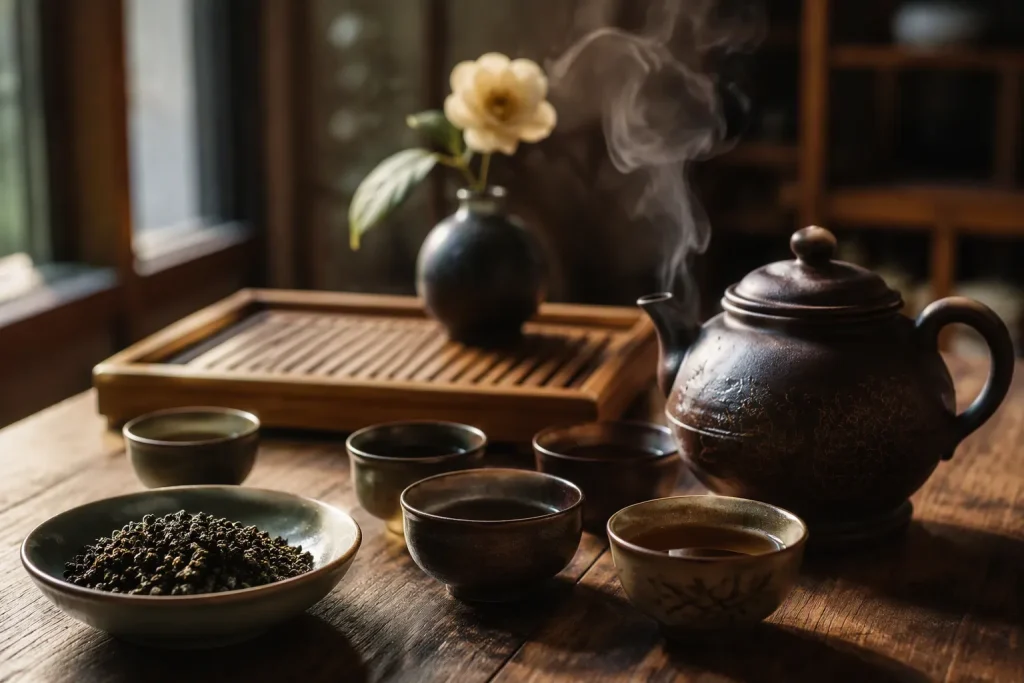
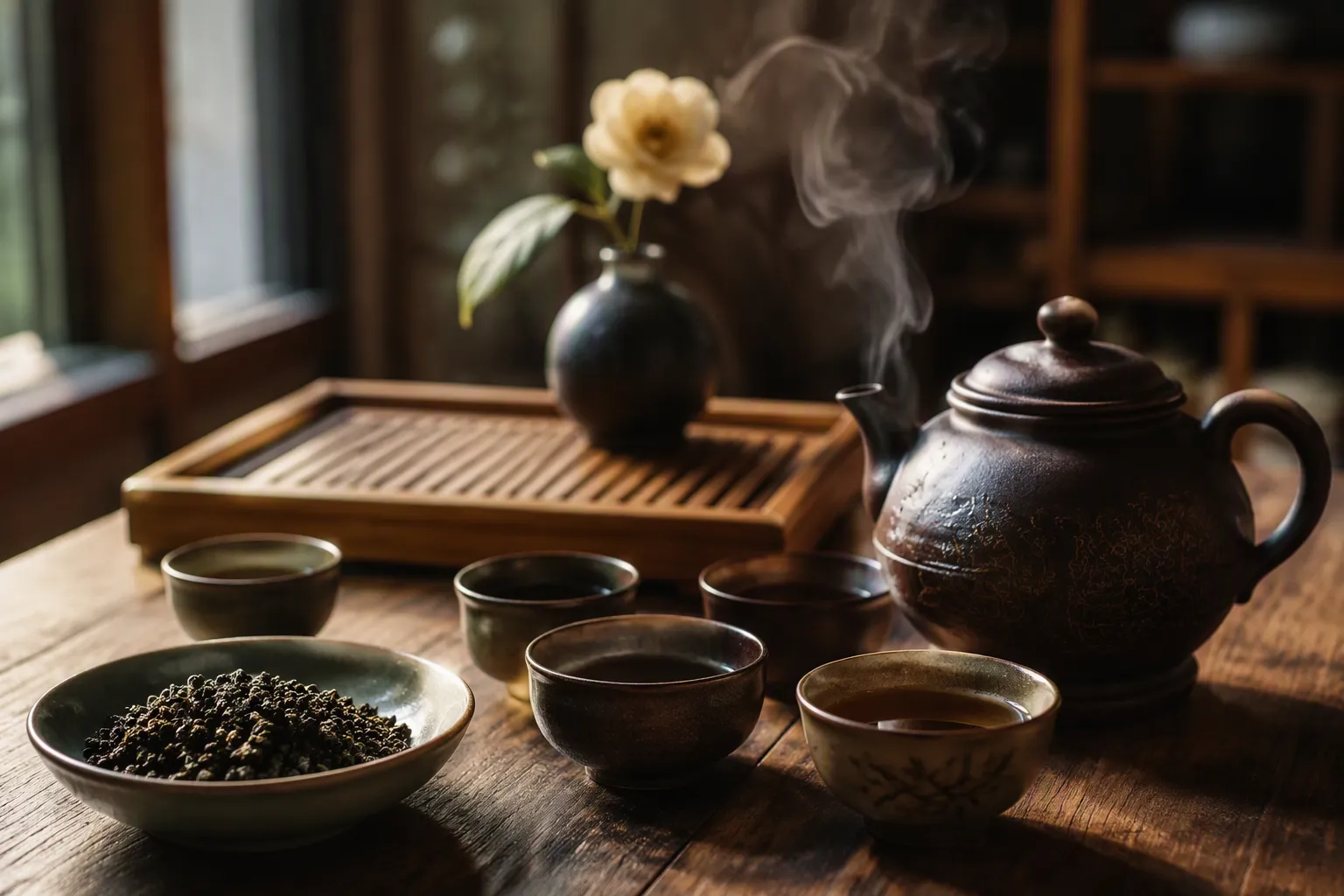
Ready to explore Chinese tea culture? Start with Tie Guan Yin oolong tea, Longjing green tea, ripe pu-erh, Silver Needle white tea, and Jasmine Pearl. Chinese tea is welcoming and not intimidating. These five teas are forgiving for beginners. They’re easy to brew and widely available. It includes black tea too, but you can explore that later. You don’t need fancy gear—just a mug and hot water. Each tea tolerates small mistakes. These teas are perfect for your first sip. You can find them online or in stores. Pick one based on the flavor you crave. So relax and enjoy the journey. By the end, you’ll know which tea to buy and how to brew it without stress.
Key Takeaways
Start with five beginner-friendly Chinese teas: Tie Guan Yin oolong, Longjing green, ripe pu-erh, Silver Needle white, and Jasmine Pearl.
These teas forgive brewing mistakes, so you can enjoy them without perfect skills.
You only need a mug, kettle, and strainer to begin—no fancy equipment required.
Try your tea plain first to taste its true flavor; add milk or sugar only if you prefer.
Keep a simple tea log to track your favorites and improve your brewing over time.
Start Your Journey Into Chinese Tea Culture
Chinese tea culture has five main groups. Fresh kinds taste grassy and bright. White teas are light, sweet, and barely processed. Oolong falls between green and black teas, with floral and complex flavors. Black tea is strong and malty. Dark tea, like pu-erh, is earthy and smooth.
If you’re new to tea, you don’t have to learn every group at once. Picking one or two starter teas is enough. These five teas really are the best chinese tea for beginners because they forgive mistakes. Tie Guan Yin oolong never turns bitter when you steep it too long. Longjing green tea tastes like warm chestnuts. Ripe pu-erh can take boiling water with no temperature worries. Silver Needle white tea gives honey-melon sweetness with no bitterness. Jasmine Pearl tea wraps you in soft floral perfume.
Each beginner option gives you easy flavors without needing perfect brewing skills. That’s what makes them the best chinese tea for your first try.
Why These Teas Are the Best Chinese Tea for Beginners
Look at the numbers. Green tea makes up about 58% of China’s total tea production. That’s more than half. White teas saw the biggest gain, growing 15% each year. But you don’t need to follow statistics. What matters is finding a flavor you enjoy.
Tie Guan Yin oolong works great for new tea drinkers. It gives you many infusions without bitterness. Longjing offers a familiar chestnut taste that Western palates love. Ripe pu-erh gives rich, earthy notes similar to coffee but with less caffeine jitters. Silver Needle is the least processed of all teas. Its soft, honey-like sweetness appeals to anyone who likes subtle flavors. Jasmine Pearl tea combines a sweet, gently grassy base with jasmine scent that everyone enjoys.
These five teas put up with small mistakes. Over-steep by a minute? No problem. Use slightly hot water? Still delicious. That’s why they’re the perfect chinese tea for beginners.

How to Use This Guide
Start with just one tea. Buy a small sample from a seller you trust. Read the flavor profiles in this guide. Floral sounds nice? Try Tie Guan Yin oolong. Toasty and sweet? Longjing fits perfectly. Earthy and bold? Ripe pu-erh works well. Honey-sweet and delicate? Choose Silver Needle. Perfumed and familiar? Jasmine Pearl delivers every time.
Chinese black tea isn’t on this shortlist. You can explore that group later after you build confidence. These five beginner teas offer enough variety for months of exploration.
Remember one key point. Every cup of chinese tea is a small adventure. Your first chinese tea doesn’t need to be perfect. It just needs to be yours. Take it slow. Brew a few times. Notice what you like. Enjoy each step into chinese tea culture.
Five Teas to Try First
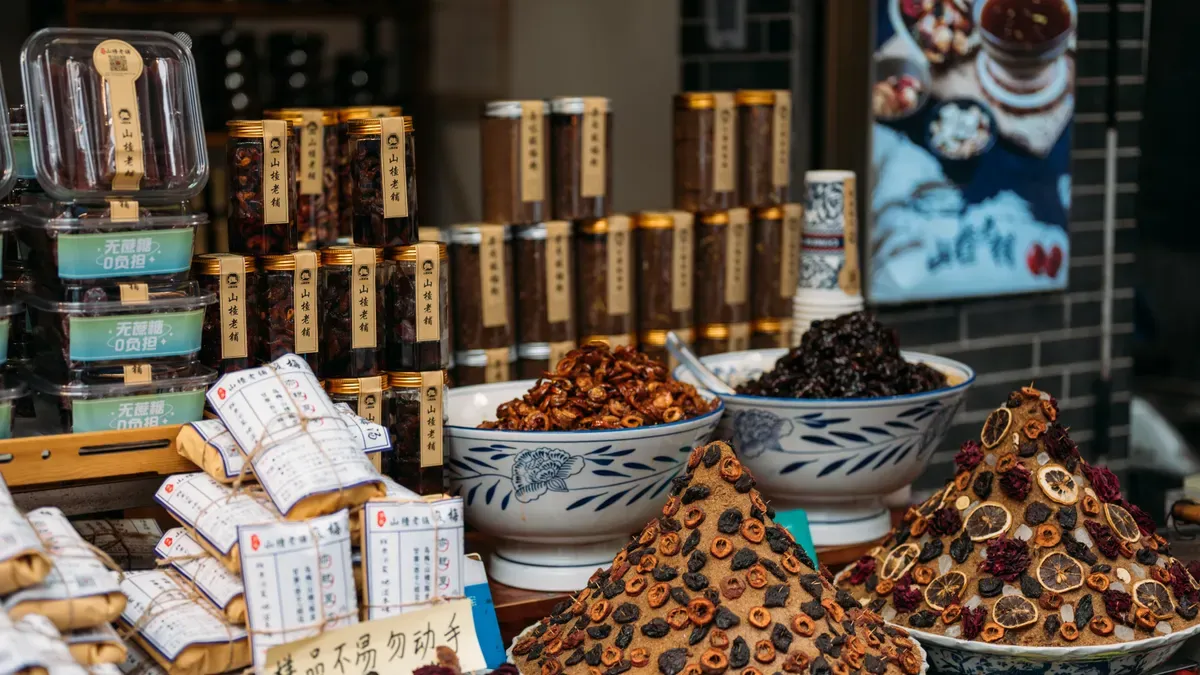
You have five teas to try first, and each one teaches you something new. Let’s begin with two easy favorites.
Tie Guan Yin Oolong Tea: Floral and Forgiving
Tie Guan Yin is a lightly oxidized oolong tea, so it falls between green and black tea in flavor. Oolong is partly oxidized, and oxidation is just how tea leaves darken and build deeper flavors after picking. This tea gives soft orchid smells, a buttery feel, and a honey-sweet finish that stays with you. Brew it at 180°F (82°C) for 3–4 minutes. At this lower heat, polyphenols release slowly and tannins stay calm, which keeps those gentle floral notes and stops bitterness.
Here’s why beginners love it: the roasting process gives Tie Guan Yin more room on temperature and steep time before the tea turns bitter. That makes it easier to brew than many other styles. You can go a minute over your steep and still get a nice cup. This easy-going nature makes tie guan yin oolong one of the best chinese tea for beginners. If you like floral flavors, this is your starting point.
Longjing Green: Toasty and Sweet
Longjing green tea comes from Hangzhou and gives a warm, chestnut-like sweetness with a smooth, almost buttery body. Unlike some chinese green teas that turn harsh fast, Longjing stays gentle when you treat it right. Use water at 170–180°F and steep for 2–3 minutes. This temperature range brings out the nutty, lightly sweet character that makes Longjing so easy to enjoy.
Many beginners worry that green tea tastes grassy or bitter. Longjing shows otherwise. Its toasty notes feel familiar, almost like roasted nuts, and the sweetness comes with no astringency. That familiar flavor profile makes it a top pick among the best chinese tea for newcomers. You can drink it plain and enjoy every sip. If you like warm, comforting flavors, start here.
Both teas welcome you without demanding perfection. A light oolong like Tie Guan Yin and a toasty green like Longjing give you two clear paths into chinese tea. Try one this week. Your palate will thank you.
Your Simple Brewing Setup
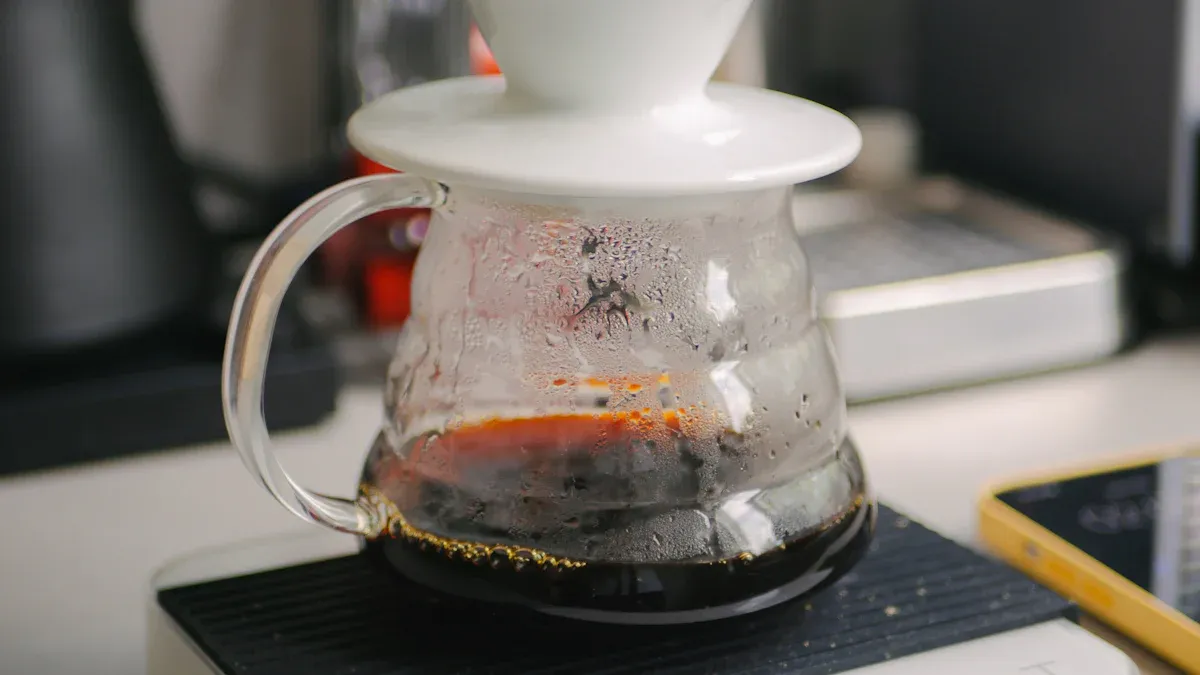
What Chinese Tea for Beginners Really Needs
You do not need a cabinet full of gear. A gaiwan or a regular mug, a kettle, and a strainer cover almost everything. That is the whole kit for chinese tea for beginners.
A gaiwan is a small lidded bowl. It beats a ceramic teapot for beginners for a few simple reasons:
The open design lets you watch leaves unfurl and check the liquor.
You can lift the lid anytime to adjust your steep.
The wide bowl rinses clean in seconds.
It stores in less space than a teapot.
It teaches you faster because nothing hides the leaves.
If you want your daily cup to feel special, clayesouk makes handmade ceramic cups from Jingdezhen, the “Porcelain Capital of the World.” Their artisans bring over a decade of experience to every piece.
Step-by-Step: Western Style vs. Gongfu Style
Gongfu just means brewing a small amount of tea with repeated short steeps. Western style uses more water and one longer steep. Both work fine.
Western style:
Add leaves to your mug or gaiwan. Use 3 g of oolong or 2 g of green tea per 250 ml of water.
Heat water to the right temperature for your tea.
Pour and steep 2–4 minutes.
Strain and drink. Add more hot water for a second cup.
Gongfu style:
Add 5 g of oolong or 4 g of green tea per 100 ml of water.
Rinse the leaves with hot water and pour it off.
Steep 20–30 seconds, then pour into your cup.
Repeat, adding a few seconds each round.
Skip milk and sugar at first, especially with green or oolong. Save that habit for black tea later. Keep it simple, and your cup will taste great.
Best Type of Tea for Beginners at a Glance
Tea, Temperature, Steep Time, and Beginner Appeal
You now have five solid starting points. This table pulls the key details into one place, so you can compare them side by side before you buy.
Tea | Water Temperature | Steep Time | Beginner Appeal |
|---|---|---|---|
Tie Guan Yin oolong tea | 180°F (82°C) | 3–4 minutes | Floral, hard to ruin |
Longjing green tea | 170–180°F | 2–3 minutes | Toasty, familiar sweetness |
Ripe pu-erh | Boiling | 3–5 minutes | Earthy, forgiving of heat |
175–185°F | 3–5 minutes | Honey-sweet, gentle | |
Jasmine Pearl | 175–185°F | 2–3 minutes | Perfumed, crowd-pleasing |
Read the table this way. The best type of tea for beginners depends on the flavor you want and how much attention you plan to give the cup. A light oolong like Tie Guan Yin sits in the middle of the temperature range, so it handles small mistakes well. Green tea wants cooler water, and that single habit protects its sweetness. Ripe pu-erh shrugs off boiling water, which makes it the easiest pick for a busy morning.
Notice what the table does not include. You will not find chinese black tea here, and that is on purpose. Black tea is bold and malty, and it works better once you know how you like your leaves. White tea, by contrast, rewards patience with soft honey notes. Jasmine Pearl gives you perfume without any fuss.
So which one wins? There is no single best type of tea. There is only the one you will actually brew. Pick the row that makes you curious, then start there. Beginners who choose by flavor stick with the habit far longer than those who chase a ranking.
How to Taste and Grow From Here
Slurp, Notice, and Keep a Simple Tea Log
Tasting tea well starts with one odd habit: slurp it. Pull the liquid across your tongue with a little air. This spreads the tea over more taste buds and wakes up the aroma. Then swallow and wait. Notice what lingers. Does the sweetness stay? Does your mouth feel dry or soft? That aftertaste tells you more than the first sip.
Keep a tiny log. Write one or two words per cup. “Floral, smooth.” “Toasty, sweet.” “Earthy, warm.” That is enough. Over a few weeks, you will see patterns. Maybe you love light oolong and dislike heavy roast. Maybe green tea feels too grassy, but white tea feels just right. Your notes guide your next purchase.
A handmade ceramic cup from clayesouk can turn daily tea into a small ritual. Each piece comes from Jingdezhen, where artisans with over a decade of experience shape every curve. Holding that craft in your hands makes the moment feel special.
When to Add Milk or Sugar
Try your tea plain first. Traditional Chinese tea culture focuses on the pure leaf. Brewing with hot water alone lets you taste the real flavor. That matters most for delicate types like green tea, white tea, and light oolong.
Milk and sugar are not forbidden. They just change the cup. Milk proteins bind to polyphenols and block bitter compounds from reaching your taste buds. That is why milk softens a strong cup. But it also hides the subtle notes you paid for. Save milk for bold black tea or ripe pu-erh. Add sugar only if you truly prefer it. No rules here. Just enjoyment.
You only need one or two teas from the shortlist. No need to buy everything at once. Pick the flavor that sounds most appealing: floral oolong, toasty green tea, earthy pu-erh, honey-sweet white tea, or perfumed Jasmine Pearl. Starting your chinese tea culture journey is simple. Beginners, brewing improves with repetition. Mistakes still make drinkable tea. A clumsy pour gives you a warm, tasty cup. Black tea can wait. Explore a curated beginner collection and start your first cup this week. Each attempt teaches you something new. Your palate will thank you. So relax and enjoy the process. Your first cup is waiting.
FAQ
Which tea should I buy first?
Pick the flavor that sounds best to you. Love floral notes? Grab Tie Guan Yin oolong tea. Want something toasty? Choose Longjing green tea. Craving earthy depth? Try ripe pu-erh. Each one is forgiving, so you cannot go wrong.
Do I need special equipment to start?
No. A mug, a kettle, and a strainer work fine. A gaiwan helps you watch the leaves unfurl, but it is optional. Start with what you own. You can add tools later once you know which teas you love.
How do I store my tea?
Keep leaves away from light, heat, and strong smells. A sealed tin or bag works well. Store it in a cool, dark cabinet. Green and white teas fade faster, so drink those within a few months. Pu-erh and oolong hold up longer.
Can I add milk or sugar?
Try your tea plain first. That lets you taste the real flavor. Milk and sugar mask delicate notes in green, white, and oolong. Save them for black tea or ripe pu-erh if you prefer. No rules here—just enjoy your cup.
How long until I get good at brewing?
A few weeks of daily cups will teach you a lot. Your palate learns fast. You will notice how temperature and time change the taste. Every cup teaches you something. Mistakes still make drinkable tea, so relax and keep brewing.
