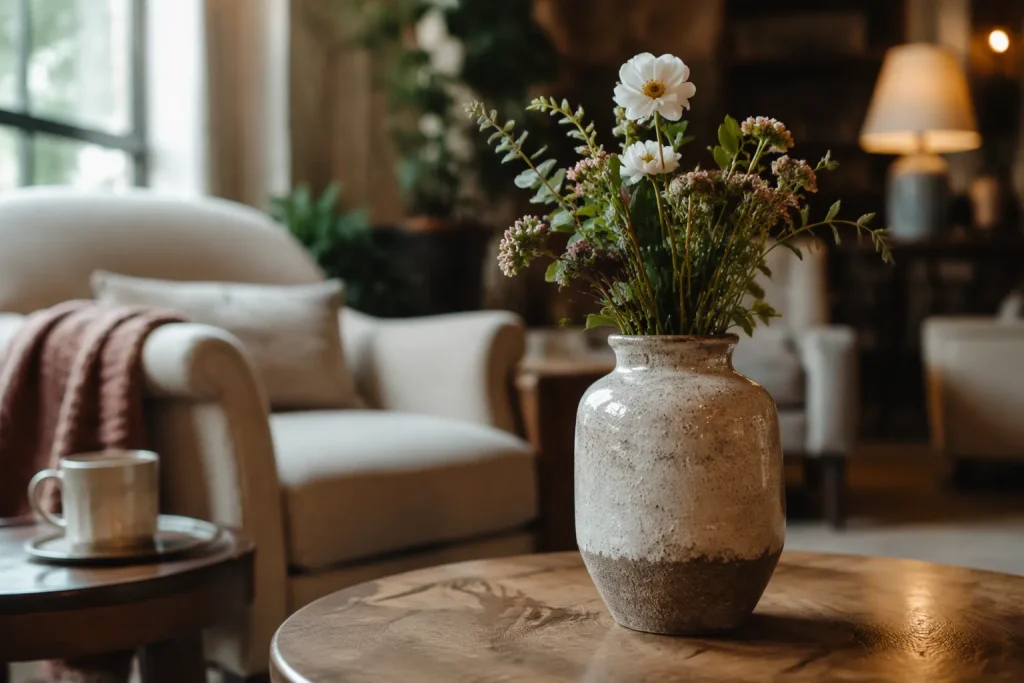
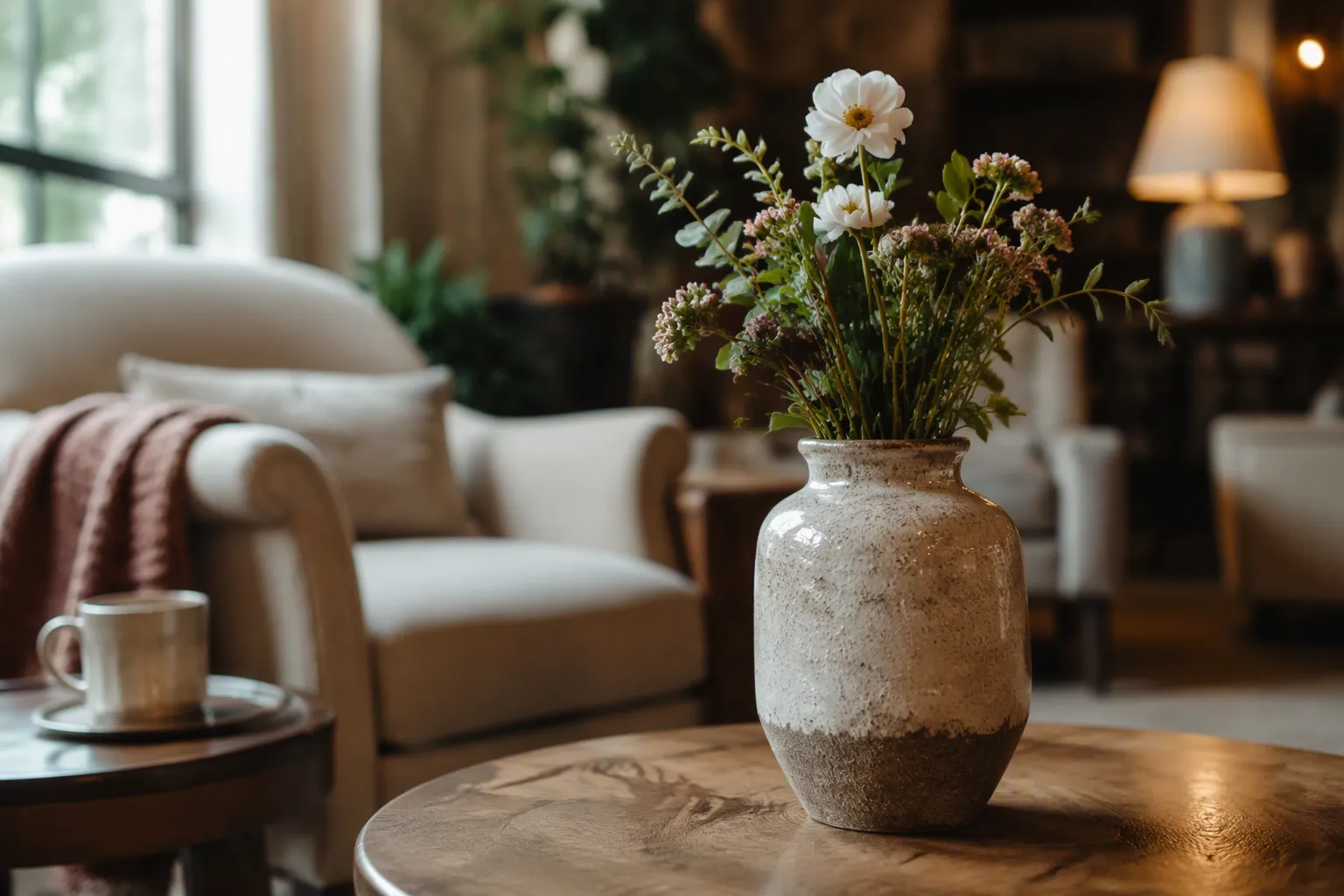
Boutique hotels use handmade ceramics as sensory anchors. These imperfect, touchable, locally made objects carry a warmth that mass-produced decor cannot copy. A guest’s hand wraps around a warm, slightly uneven mug at check-in. That small moment of touch creates an instant sense of belonging.
Every boutique hotel builds atmosphere through three deliberate levers. First, thoughtful selection of pieces that reflect local craft. Second, strategic placement that guides discovery. Third, narrative storytelling that connects each handmade object to its maker and region. Together, these choices turn a ceramic cup from a simple vessel into a quiet signature of the property’s identity.
Key Takeaways
Handmade ceramics with small flaws make you feel like you belong the moment you touch them.
Working with local craftspeople makes guests happier and brings them back again.
Placing ceramic pieces in just the right spots helps guests find and remember special moments.
One handmade ceramic mirror can make a plain wall into a special center of attention.
A few well-picked ceramic pieces have more impact than lots of decorations.
Why Boutique Hotels Use Handmade Ceramics
The Pull of Imperfection
A handmade ceramic cup feels different when you hold it. It has weight. It keeps warmth. The glaze looks slightly different across its surface. These small details make you notice things that factory-made cups cannot. A guest sees the tiny thumbprint left by the maker. That moment makes them feel connected.
Imperfection shows that something is real. A slightly uneven edge or a small color change tells a story that a person made it. This matches the boutique hotel’s wish to be different from big chains. Guests want spaces that feel real, not made by machines. Handmade ceramics give that feeling. They make the atmosphere honest and touchable.
This way of decorating fits a bigger trend in boutique hotel design. Hotels are buying more locally made fabrics, art, and crafts. These choices show off the location. They give guests a feeling of the place that big chain hotels cannot copy. One report says boutique hotels are working with local artists to offer special items that match the location. Handmade ceramics fit right into this trend.
Stories Told Through Clay
Every handmade ceramic piece has a story. The clay comes from a certain area. The maker shapes it by hand. The kiln fire changes it. These steps link the object to local culture and traditions.
Boutique hotels use handmade ceramics to share these stories. A cup made in a local pottery studio becomes something to talk about. It connects the guest’s stay to the place. This story-telling makes guests want to come back. Guests remember the cup they held at breakfast. They remember the vase in their room.
Studies on textured beige and white art in boutique hotels and business spaces show that guests are happier and think the place is more luxurious. This proves that design that makes you feel something directly affects how guests like the place and want to return. Handmade ceramics create that emotional pull. They turn a simple object into a memory.
The feel of a boutique hotel comes from these choices. Each handmade piece adds more meaning. It connects the guest to the maker, the area, and the moment. That connection is the quiet power of clay.
Choosing Ceramics for Boutique Hotel Interior Design
Sourcing From Local Artisans
Great boutique hotel design starts with a simple question: where does this object come from? Hotels that care about atmosphere build ties with local makers. They go to studios. They watch potters work. They order small batches. This way, every room feels like it belongs to that place.
Working with local artisans brings clear benefits. Hotels that buy locally can boost local business income by up to 10%. Hotels focused on local culture can fill rooms up to 13% more than standard hotels. Guests notice this effort. 73% prefer places to stay that show the local character. Guest happiness goes up 20% when a hotel feels like its location. Properties that feature local art see a 15% jump in guests who come back.
“Local artists and performers. Putting a local ceramicist’s work in guest rooms or having a jazz trio on Friday nights creates experiences a chain hotel cannot match. These ideas often cost little but lead to strong social media posts and repeat visits.”
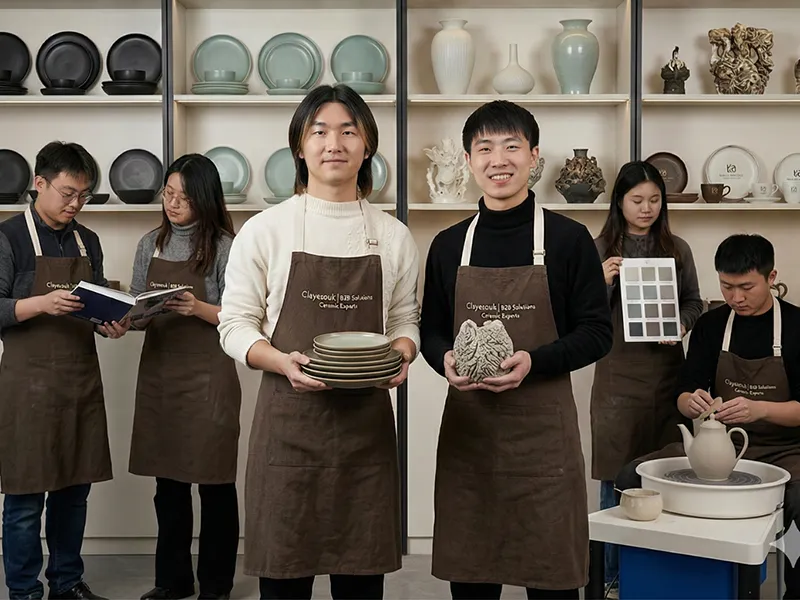
One maker shows how deep this sourcing can go. clayesouk works from Jingdezhen, a city with over 1,700 years of porcelain heritage. Its artisans bring more than ten years of experience to every piece. The brand offers custom design services. Hotels can change patterns, glazes, shapes, and sizes to match their vision. This flexibility turns a standard order into bespoke ceramic pieces that fit a property’s identity.
clayesouk holds national-level ICH productive protection demonstration status. Several of its works have been chosen as national gifts. These honors show reliable quality and cultural value. They give hoteliers confidence without any pushy sales talk.
Texture, Color, and Mood
Color and texture shape how a room feels. Light-colored ceramics create harmony and balance. They work well in reception areas and bright lobbies. A pale glaze reflects natural light. It makes a first impression feel open and calm.
Darker, textured glazes fit moody lounges. A deep brown cup or a rough-surface vase adds depth. It soaks up light instead of bouncing it. This contrast gives a bar or reading room a grounded, cozy feel.
Boutique hotel design grows from these changes. One handmade ceramic piece can shift a room’s emotional feel. Hotels should pick glazes that match the mood they want guests to feel. Soft matte finishes feel quiet. Glossy surfaces feel lively. Each choice supports the story the property tells.
The same idea applies to boutique hotel interior design across the whole property. A hotel might use light ceramics in the breakfast area and darker pieces in the cocktail bar. This creates a journey. Guests move through different atmospheres without leaving the building.
Handmade ceramic pieces have small differences. No two are exactly the same. That uniqueness strengthens the boutique hotel’s anti-corporate spirit. It tells guests they are in a specific place, not just anywhere.
Placement Strategies and Handmade Ceramic Mirrors
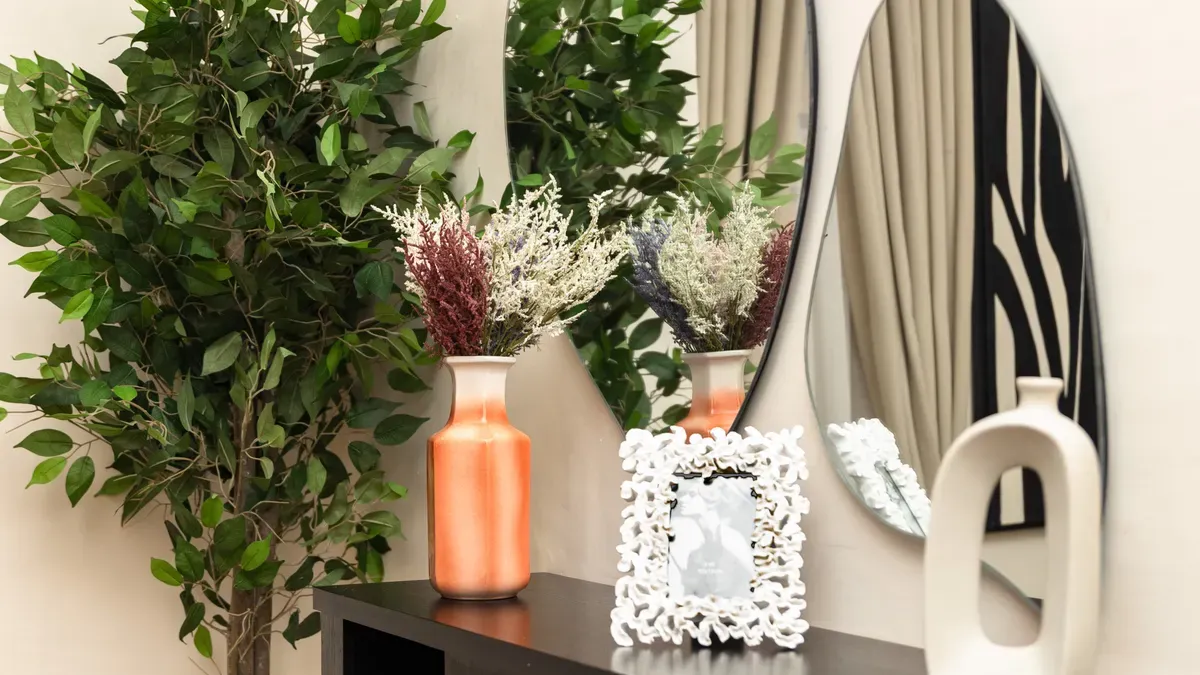
Handmade ceramics are not just for plates and cups. A handmade ceramic mirror can turn a plain wall into a main attraction. Ceramic knobs and handles give doors and cabinets more personality. Wall accents and tiles add texture to bathrooms and entrances. Every piece spreads the story of craftsmanship across the property.
Lobby and Reception Focal Points
The lobby is where first impressions happen. A sculptural ceramic mirror catches the eye right away. Its frame shows the maker’s work. Guests notice small changes in the glaze. They sense the real quality of handmade work. This unique mirror gives people something to talk about.
A group of handmade vases does the same job. Three vases of different heights stand on a reception desk. Light-colored ceramics bring balance to these bright areas. A pale glaze bounces sunlight around. It makes the entrance feel open and peaceful. The atmosphere feels inviting from the moment you walk in.
Hotels need to consider lighting, smell, music, and color changes in these spaces. A ceramic mirror picks up soft light. It spreads warmth through the room. This tiny thing affects how guests feel when they walk in.
In-Room and Dining Discoveries
Guest rooms should feel calm, not messy. A single handmade cup on a simple sideboard makes a quiet, elegant look. One ceramic vase holds fresh flowers. A small tray holds keys and jewelry. These items add coziness without making the room feel crowded.
The bathroom is also a chance to use ceramics. A ceramic mirror above the sink becomes part of the morning routine. Guests see the artist’s work every day. Ceramic tiles on the shower wall add texture. These details make everyday actions feel special.
Dining service gives the strongest hand-feel connection. A handmade mug feels different when you hold it. Its weight makes the guest feel grounded. The glaze has small changes across its surface. The heat from coffee or tea goes through the clay. This turns breakfast into a special practice.
Hotels that use clayesouk-style cups get this effect. Each piece tells the story of Jingdezhen porcelain tradition. The guest experience grows with every drink. A boutique hotel becomes unforgettable because of these small things.
Pottery decoration goes to surprising spots. Ceramic art hangs in hallways. Handmade ceramic pieces sit on windowsills. A ceramic mirror in the elevator brings surprise. These choices create a consistent visual story.
The interior design plan is important here. Fewer items with more power work better than packed shelves. One bold ceramic mirror is better than ten tiny decorations. A single handmade vase is better than a dozen plain ones. This way keeps spaces feeling chosen, not messy.
Ceramic pieces also get better with age. A handmade ceramic mirror gains character over time. The glaze might change a little. The clay might show use. These changes add to the story. They make the hotel feel used and cared for.
Guests notice these small things. They remember the cup they used. They take pictures of the ceramic mirror in their room. They tell friends about the handmade mug at breakfast. These items become the quiet mark of the hotel. They keep the feel of the place even after guests leave.
Where each piece is placed is important. A ceramic mirror near natural light shows its best qualities. A handmade cup put where guests stay longer asks to be touched. Hotels should think about how guests walk through rooms. They should put ceramics where people stop. This brings discovery and joy.
Creative Boutique Hotel Interior Design Ideas in Practice
Clayesouk in Hospitality Settings
Boutique hotels and premium tea suppliers already team up with clayesouk to add cultural depth to their spaces. These partners pick handmade ceramic cups from the brand’s Jingdezhen workshop. Each cup holds over 1,700 years of porcelain heritage. The artisans bring more than ten years of skill to every piece. This partnership gives guests a handmade story they can hold.
A hotel that serves morning tea in a clayesouk cup turns a simple drink into a ritual. The guest feels the weight of the clay. They see small changes in the glaze. They feel the warmth of the drink through the material. This moment stays with them. It shapes their guest experience long after checkout.
The brand’s custom design services let hotels change patterns, glazes, shapes, and sizes. A property can order cups that match its color palette. This flexibility makes clayesouk a natural fit for boutique hotel design. The brand holds national-level ICH productive protection status. Several of its works have been picked as national gifts. These honors show reliable quality and cultural value.
Lessons From Design-Led Properties
Design-led properties show what works. Hotel Saint Cecilia in Austin fills its rooms with artisan objects and regional craft. Ace Hotel builds identity through local art and handmade details. These properties share a clear approach. They choose fewer, better pieces. They source from local makers. They treat ceramics as a brand signature rather than simple decoration.
Boutique hotels use handmade ceramics to shape atmosphere in ways that mass-produced decor cannot match. A single ceramic mirror in a hallway does more than ten plain prints. One handmade vase on a sideboard creates calm. These choices reflect strong creative boutique hotel interior design ideas. They show that restraint and intention matter more than volume.
Hoteliers can apply these lessons today. Start with one local artisan partnership. Order a small batch of handmade cups. Place a ceramic mirror near natural light. Let each piece tell its own story. This approach builds a boutique hotel interior design that guests remember. It turns everyday objects into quiet signatures of place.
Ceramics are not decoration. They are atmosphere infrastructure. They carry touch, memory, and place in every curve and glaze.
Hoteliers should invest in fewer, better, locally made pieces. A handmade ceramic cup from clayesouk builds a distinctive atmosphere that uniform sets cannot. Travelers should notice the cups, vases, mirrors, and tiles. These handmade objects are the quiet signature of a boutique hotel’s identity. They shape the guest experience long after checkout.
Atmosphere is built by hand, one object at a time.
FAQ
Why do handmade ceramics cost more than factory-made tableware?
Every piece goes through an artisan’s hands. The maker shapes the clay, puts on the glaze, and fires it in a kiln. This work takes time and skill. Hotels pay for that human touch. The result is a one-of-a-kind object with a story, not a uniform product.
How many ceramic pieces does a boutique hotel need?
A few well-picked items make a bigger impact than shelves packed with decorations. One bold mirror in the lobby grabs attention. A single handmade cup in each room invites touch. Hotels should start small and add pieces that fit their story.
Can hotels customize ceramics to match their brand colors?
Yes. Many ceramic makers offer custom design services. Hotels can change patterns, glazes, shapes, and sizes. This freedom lets a property order pieces that match its color palette and overall design vision. The result feels planned and cohesive.
Do handmade ceramics break easily in high-traffic hotel areas?
Handmade ceramics hold up well when cared for properly. Hotels should put delicate pieces in low-traffic spots. For dining areas, thicker mugs and cups work well. Proper handling and gentle washing keep ceramics beautiful for years.
What makes Jingdezhen ceramics special for hospitality settings?
Jingdezhen holds over 1,700 years of porcelain heritage. Artisans there bring deep skill to every piece. Hotels that source from this region give guests a link to living craft traditions. Each cup or vase carries centuries of knowledge into the guest experience.