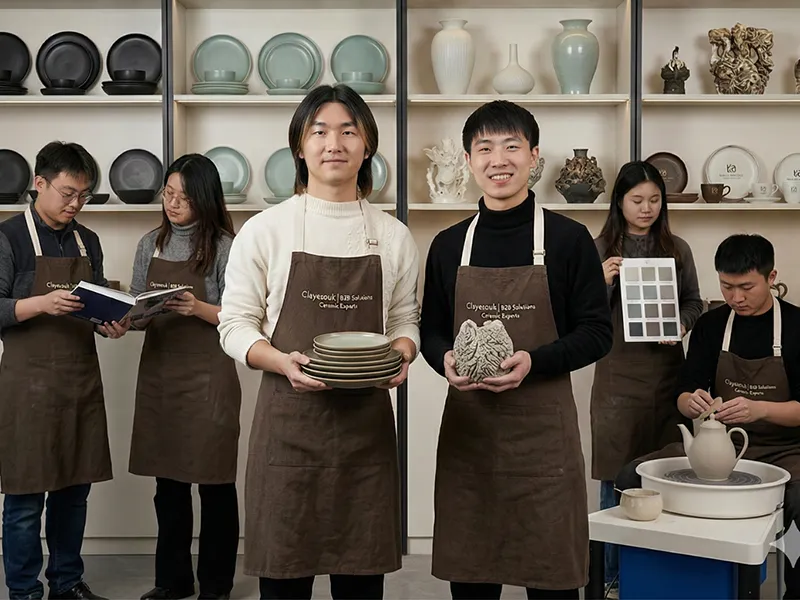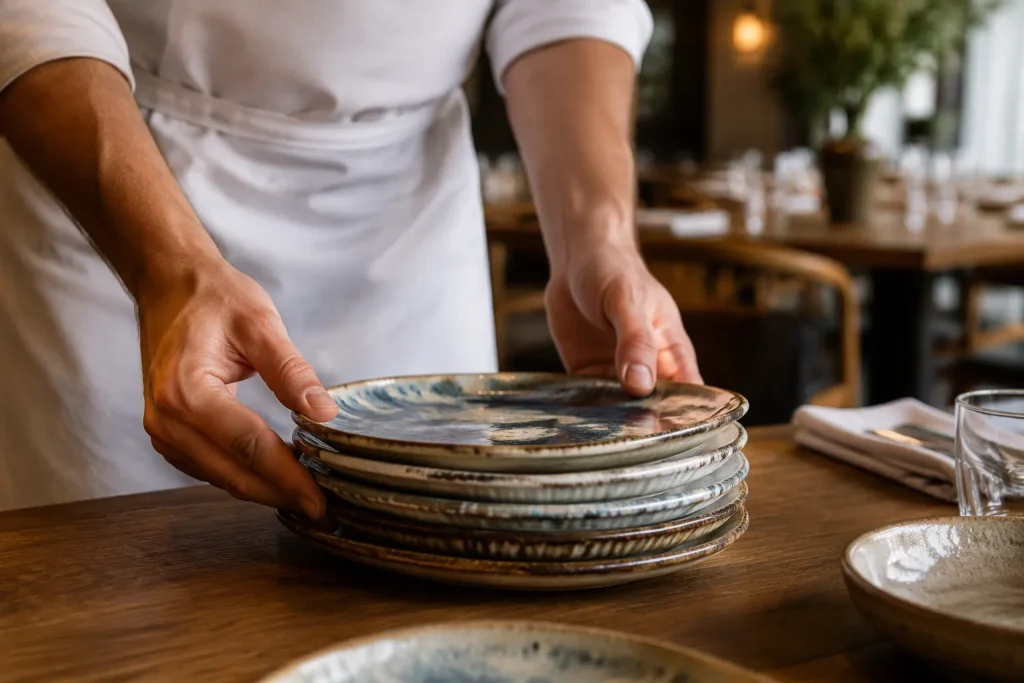
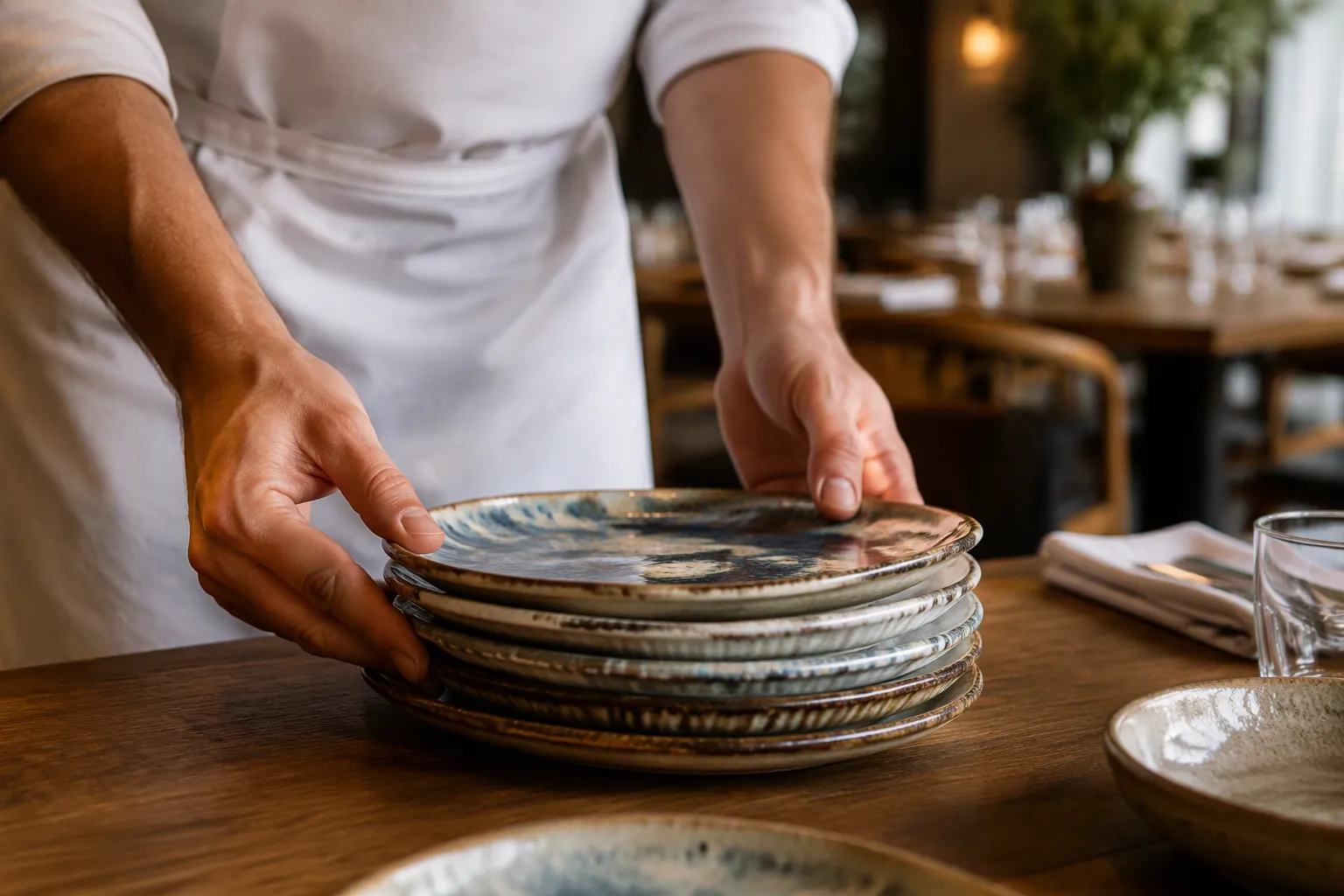
Custom ceramic tableware costs more at the start. Hospitality brands investing in it still do so for a clear reason: guests notice what they touch. A plate sets the tone from the first course to the final check. It signals lifestyle, care, and taste. Ceramic now holds 52.7% of the tableware material segment, and that share shows real demand. The experience payoff matters. So do practical cost factors: materials, durability, safety, and minimum order quantities. CLAYE, a Jingdezhen-based sourcing and design partner, brings deep industry experience to that investment decision. Strong branding starts at the table, and the right ceramic pieces carry brand identity into every dining moment.
Key Takeaways
Custom ceramic tableware makes a strong first impression and helps build brand identity.
Compare the cost each time you use it, not just the price you pay at first, to see the real value.
Check safety certifications to keep guests safe and protect your brand’s reputation.
Begin with a small test order to try out designs and collect feedback.
Pick a manufacturing partner with a strong history, design help, and flexible minimum order quantities.
Why Hospitality Brands Investing in Signature Tableware Win
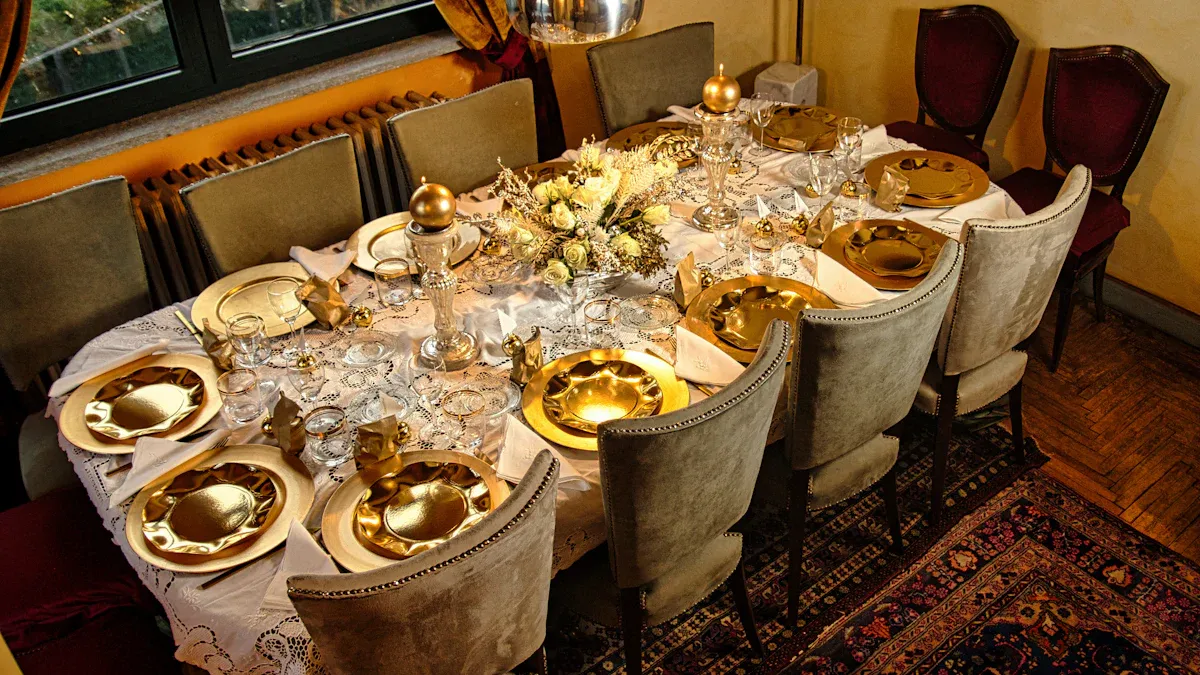
Ceramic tableware is no longer just a background item—it now sends a lifestyle message. Guests notice a plate before they taste the food. Hospitality brands that invest in signature pieces treat the table as a stage, not just a tool. The payoff shows up in how people perceive the brand, remember it, and are willing to pay more.
The First Physical Touchpoint of Your Brand
A guest first meets the brand through small physical moments. A coastal boutique hotel reinforces its calm character with simple ceramic trays for amenities. The same idea applies at the table. Tableware is the first physical link between the food and the guest. When it does not match the brand identity, it creates a confusing feeling. When it fits, it boosts plating, ambience, guest photography, and perceived value.
The tactile nature of ceramic branding creates a multi-sensory experience that digital branding cannot copy. A typical restaurant meal lasts 60 to 90 minutes, so tableware gives the brand a long period of immersion. Distinctive pieces also encourage social media sharing, which extends brand reach organically. Guests photograph what feels carefully chosen. That is why tableware changes how food tastes and feels, and why it belongs in the brand plan rather than the supply closet.
Building a Cohesive Brand Identity
High-end custom tableware can match the color palettes and material textures of guest rooms, lounges, and dining areas. A minimalist property may prefer unglazed, matte-finish plates. A hotel inspired by Asian serenity may choose celadon or white porcelain reminiscent of Song Dynasty aesthetics. This visual echo turns separate spaces into one continuous brand experience.
Concrete examples show the commercial effect. The Elegant Bistro introduced signature blue glazes, organic forms, subtle logo impressions, and presentation pieces built for photography. The result was a 32% increase in social media engagement and mentions, a rise in repeat visits, and a stronger perception of food quality and value. The Olive Tree used earth-toned glazes, rustic finishes, and botanical motifs to reinforce its culinary philosophy through decoration, branding, and storytelling. Ammy’s Coffee paired high-grade white porcelain with a monochromatic logo and a consistent mug shape, then sold retail versions. The mugs became top-selling merchandise and strengthened recognition across locations.
These cases show how custom dinnerware and fine dining tableware set a venue apart and justify premium pricing. Branded plates, cups, and vessels signal professional excellence. They also create a subconscious link to reliability, which supports guest loyalty. For hospitality branding, the table becomes a physical brand touchpoint that works every service, every day.
Strong branding starts at the table. The next question is what that investment actually costs, and where the money goes.
The True Cost of Custom Ceramic Tableware
Materials, Production, and Decoration
The material you pick causes the first cost gap. Porcelain costs the most and works best for premium service settings. Stoneware sits in the middle and balances cost, durability, and looks. Earthenware costs the least, but its higher absorption and shorter commercial life can cancel out the savings. Lifecycle cost matters more than the sticker price. Expensive porcelain in busy, high-impact settings may break too often from drops. Cheaper ware in rough environments may need frequent replacement.
Material | Cost Range | Cost-related notes |
|---|---|---|
Porcelain | $ (highest) | Fine, strong; premium positioning |
Stoneware | (medium) | Balances cost, durability, and aesthetics |
Earthenware | $ (lowest) | Lower cost; higher absorption; less durable in commercial settings |
Porcelain plates deserve a closer look for hotel dining. They resist heat well and come in many shapes. They hold up under repeated use and meet food-safety rules. They also handle easily during service. These traits make porcelain a sound investment for any property that plates hundreds of covers a day.
The production method adds another layer. Standard round shapes reuse existing molds and deliver high efficiency at lower cost. Irregular shapes require new mold development, which needs complex molds, longer drying, and more manual labor. Firing counts too. Single-firing is cheapest, while high-end ware needing two or three firings adds energy use and lead time.
Decoration technique shapes both durability and price.
Decoration Method | Durability | Cost Level |
|---|---|---|
Solid Color Glaze | Moderate | Low |
Decal | High | Medium-High |
Reactive Glaze | Excellent | Medium-High |
Gold/Platinum | Excellent | Very High |
Hand-painting and reactive glazes demand skilled artisans and yield lower production rates. Patterns must line up on curved surfaces, and colors must stay stable after firing. Details must remain clear across thousands of pieces. Private label ceramic tableware helps hotel supply brands launch branded tableware faster using proven products. CLAYE’s custom design services adjust patterns, glazes, shapes, and sizes to fit each property.
Quality Standards and MOQs
Quality certification protects guests and the brand. Buyers should confirm lead-free certification and a commercial dishwasher rating. They should also check thermal shock resistance and FDA compliance for food-contact surfaces. Lead and cadmium content should meet FDA and LFGB standards. These checks support guest trust and reduce liability.
Order volume shapes the final quote. Custom ceramic plates often start around 500 pieces. Standard wholesale designs may require 500–1,000 pieces, with 30–60 day lead times plus shipping. Custom OEM pieces need higher minimums due to mold creation, glaze matching, and branding setup.
Ceramic MOQ is not a fixed number; it varies by manufacturer, product type, customization level, and time of year. Factories in production regions such as Chaozhou, Jingdezhen, and Dehua each set different baseline requirements based on production capacity and specialization.
Flexibility exists within those ranges. Brands can begin with existing designs and customize colors or packaging first. They can test market feedback before expansion. Existing shapes with custom decoration lower initial development spend. Clear annual sales projections help partners plan future orders.
Premium vs. Budget Ceramic Tableware Compared
Durability and Total Cost of Ownership
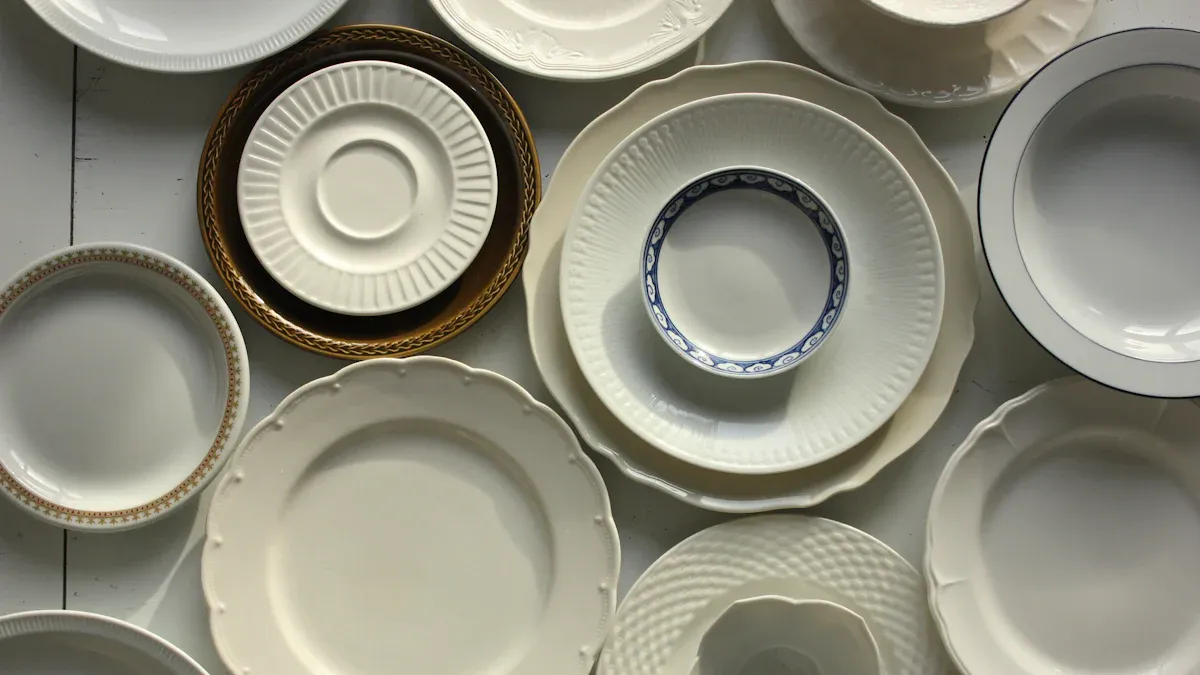
The price tag only tells you part of the story. Premium ceramic costs more per piece, but it lasts longer and needs replacing less often. The table below shows how the numbers compare once buyers figure out cost per use.
Material | Unit Price (FOB) | Est. Lifespan | Replacement Rate | Cost Per Use |
|---|---|---|---|---|
Durable Ceramic (stoneware, vitrified) — budget tier | $4–$9 | 3–5 years | 5–10% annually | $0.003–$0.008 |
Premium Ceramic (porcelain, bone china) | $8–$18 | 4–7 years | 3–8% annually | $0.003–$0.007 |
Budget ware breaks down through rim chipping, crazing, and glaze wear after two to three years of commercial dishwasher use. Porcelain resists scratches better, but rim chipping is still the top reason high-volume kitchens throw it out. A wider view helps: a premium plate at $50 that lasts 20-plus years costs about $2.50 per year, while a $10 budget plate lasting two to three years costs $3.33–$5.00 each year. Replacement ordering, inventory management, staff handling time, and mismatched looks add hidden costs. This is why the roi on custom ceramic tableware goes well beyond the first invoice.
Safety, Compliance, and Guest Trust
Food safety is what separates serious suppliers from cheap ones. US buyers depend on FDA CPG Sec. 545.450 and 545.400, which set rim and lip lead limits at 4.0 mg/L and cadmium at 0.4 mg/L. California Proposition 65 applies a stricter leachable limit of 0.226 PPM. EU buyers need Directive 84/500/EEC compliance and a written Declaration of Conformity. ISO 6486 and ASTM C738 provide international testing benchmarks.
Certification builds guest trust in real ways. Non-porous glazes resist bacterial growth, and certified setups earn guest reviews praising clean, premium dining. Hospitality procurement shows this shift: sustainability now plays a part in vendor selection for more than 67% of managers, up from less than 30% in 2018. The durability benchmark for five-star hotel porcelain has risen to 500 commercial dishwasher cycles, up from 300. Custom ceramic plates and custom dinnerware let brands meet these standards while reinforcing their identity. Choosing certified custom tableware is an investment in reputation, not just compliance.
Implementing Custom Ceramic Plates with clayesouk
Pilots, Core Collections, and Scaling
A smart rollout starts small. Hospitality brands investing in signature ware should check current usage first. Track breakage, replacement frequency, and twelve-month spend. Request samples from at least three suppliers, including a Jingdezhen manufacturer, and test them for 30 days under real dishwashing conditions. Then figure out total cost of ownership: purchase price plus projected five-year replacement cost.
Pilot in one outlet before scaling property-wide. Gather staff and guest feedback, then expand. Many buyers use a two-stage approach: digital decals for development and launch, then traditional decals for scale-up once demand is proven. Launch quantities of 300–2,000 pieces keep inventory risk low. Combine custom ceramic plates, bowls, and saucers with one supplier for better pricing and simpler logistics. Ordering custom ceramic plates in one shipment cuts freight costs. A signature core collection of custom printed ceramic plates anchors the brand identity across every dining room. The pilot can also test custom dinnerware samples.
Choosing the Right Manufacturing Partner
Partner selection deserves real scrutiny. Look for craftsmanship heritage, in-house design capability, food-safety certification, MOQ flexibility, and after-sales support. Ask for QC records and batch consistency guarantees, because replacements must match existing color, glaze, and size. Certifications such as FDA compliance, ISO 9001, and BSCI serve as key risk-management tools.
CLAYE brings Jingdezhen’s 1,700-plus years of porcelain-making heritage to every project. Its artisans hold over a decade of experience. The studio operates as a national-level ICH productive protection demonstration base, and several works have been selected as national gifts. Comprehensive after-sales support rounds out the partnership.
Timing favors action. The global tableware market is projected to grow at a 4.3% CAGR from 2026 to 2036, reaching USD 24.79 billion by 2036. Restaurant dining accounts for 38.5% of the application segment in 2026. A custom ceramic plate program, paired with custom ceramic dinnerware and custom tableware, positions brands to capture that momentum. Strong hospitality branding and consistent branding turn each meal into a customer experience. Custom ceramic tableware and quality pieces reinforce brand identity at every table.
Custom ceramic tableware is a long-term brand investment, not a one-time cost. It connects guest experience, brand identity, and total cost of ownership. Hospitality brands investing in signature pieces should judge suppliers on durability, safety, MOQ flexibility, and design partnership, not unit price alone. Strong ceramic lasts for years. Certified glazes keep guests safe. Flexible MOQs let a property test custom ceramic plates before a full rollout. Each season, that tableware builds brand identity across every dining room. The brand experience grows with every meal. Custom tableware turns routine service into a memorable customer experience. Ceramic pieces carry branding into every course. Signature ware rewards patience. CLAYE welcomes a conversation.
FAQ
Does custom ceramic tableware really justify the higher upfront price?
Yes. Premium ceramic pieces last longer and need fewer replacements. Buyers should compare cost per use, not sticker price. Certified glazes also protect guests. The investment pays back through durability, safety, and a consistent brand identity at every table.
What minimum order quantities apply to custom ceramic plates?
Custom ceramic plates often start around 500 pieces. Standard wholesale designs may require 500–1,000 pieces, with 30–60 day lead times plus shipping. Custom OEM pieces need higher minimums due to mold creation, glaze matching, and branding setup. Buyers can start with existing designs and change colors or packaging first.
How long does a premium ceramic plate last in commercial use?
The durability benchmark for five-star hotel porcelain has climbed to 500 commercial dishwasher cycles. Budget ware often shows rim chipping and glaze wear after two to three years. Porcelain resists scratches better. Rim chipping is still the top reason high-volume kitchens throw plates away.
Which safety standards should buyers check before ordering?
Buyers should confirm FDA compliance for food-contact surfaces. US rules set rim and lip lead limits at 4.0 mg/L and cadmium at 0.4 mg/L. California Proposition 65 applies a stricter leachable limit. EU buyers need Directive 84/500/EEC compliance and a written Declaration of Conformity.
Why does Jingdezhen heritage matter in a manufacturing partner?
Jingdezhen carries over 1,700 years of porcelain-making history. Artisans there hold more than a decade of experience. That craftsmanship supports consistent glazes, reliable batch matching, and strong after-sales support. Buyers gain a partner who understands both tradition and commercial dining needs.