


The amount of tea you use does more than fill your cup; it significantly influences how volume affects tea. When you use the right tea volume, you unlock better flavors and aromas. Additionally, you can enjoy more health benefits, such as increased antioxidants and catechins in your brew. The cup you choose plays a crucial role as well. A handmade ceramic cup from clayesouk can elevate an ordinary moment into something extraordinary. Experimenting with different amounts of tea will help you discover your perfect cup.
Key Takeaways
The right amount of tea makes flavor and smell better. Use one teaspoon of leaves for every six ounces of water. Change the amount if you want a stronger or weaker taste.
Try different types of cups. Handmade ceramic cups from clayesouk help the tea smell stronger. They also make your tea time nicer.
Use normal tea-to-water ratios for good results. Most teas need about one teaspoon for every eight ounces of water. This gives the best flavor.
Change how you brew tea based on what you need. If you drink alone, use smaller cups. If you are with friends, use bigger cups to share.
Keep notes about how you brew tea. Write down the tea amount, cup size, and steep time. This helps you make your best cup.
How Volume Affects Tea Flavor and Aroma
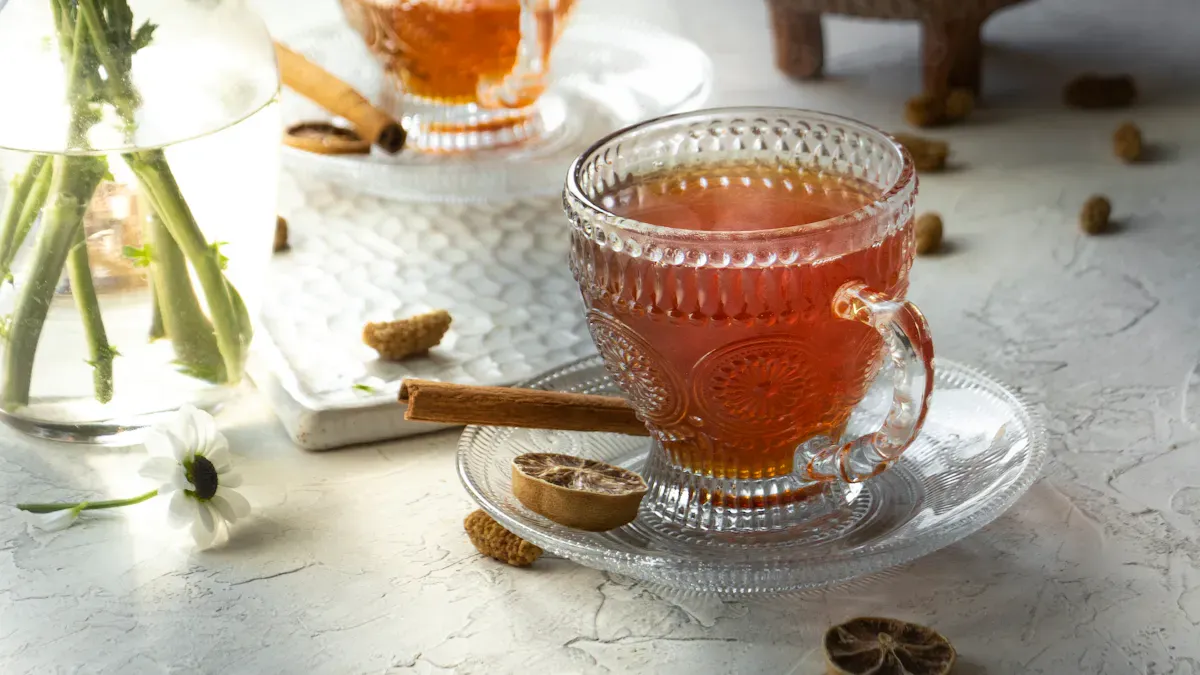
Extraction and Taste Balance
You might wonder why your tea sometimes tastes too strong or too weak. The answer lies in how volume affects tea. When you use the right tea amount, you get a balanced cup. If you add too much water, the tea becomes bland. If you use too little water, the tea turns harsh and bitter. The way volume affects tea is simple. Water pulls flavors and aromas from the leaves. This process is called extraction. The more leaves you use, the more intense the flavor. The less water you use, the stronger the taste.
You can see this in green and white teas. These teas need careful tea-to-water ratios. If you use too many leaves, green and white teas become bitter. If you use too few leaves, green and white teas lose their delicate taste. You can adjust the volume to match your preference. Try different amounts and see how volume affects tea in your cup.
Tip: Start with one teaspoon of leaves for every six ounces of water. Adjust the tea amount until you find your favorite taste.
Aroma Release and Complexity
Aroma is a big part of your tea experience. The way volume affects tea also changes how aromas fill the air. When you use the right volume, you unlock complex scents. Too little tea means you miss out on depth. Too much tea can make the aroma sharp and overpowering. Green and white teas are famous for their gentle aromas. You need the right volume to enjoy their full scent.
The vessel you choose matters, too. Handmade ceramic cups from clayesouk can enhance aroma release. The shape and material of your cup affect how you smell and taste tea. Pottery cups have a rough texture and can vary in color. This changes how aromas escape from the tea. Some clay cups, like zisha, can mute certain flavors and aromas. The iron-oxide content and surface texture play a role in aroma release.
Different vessel shapes concentrate aromas in different ways. For example:
Porcelain cups keep flavors clean and let you taste delicate green and white teas.
Ceramic cups hold heat well and can absorb flavors over time, making future brews richer.
Glass cups cool quickly and work best for green and white teas that need lower temperatures.
You can experiment with clayesouk handmade ceramic cups. Their unique shapes and textures help liberate aromatic compounds. This makes your tea experience more complex and enjoyable.
The right volume affects tea by enhancing aroma complexity.
Using the correct vessel shape and material lets you enjoy the full flavor and scent of green and white teas.
Try different cups and volumes to see how your tea changes.
Note: Green and white teas shine when you use the right volume and a quality ceramic cup. You get a gentle aroma and a balanced taste every time.
Tea-to-Water Ratios and Brewing Essentials
Standard Ratios for Popular Teas
Getting the right tea-to-water ratio can make your cup taste just right. You do not need to guess. Experts have tested and shared the best amounts for different types of tea. Here is a simple table you can use every time you brew:
Tea Type | Amount per 8oz | Water Temp (°F/°C) | Steep Time (min) |
|---|---|---|---|
Black | 2g (1 tsp) | 200–212°F / 93–100°C | 3–5 |
Green | 2g (1 tsp) | 160–180°F / 70–80°C | 1–3 |
Oolong | 2g (1 tsp) | 185–205°F / 85–96°C | 3–5 |
Herbal | 2g (1 tsp) | 212°F / 100°C | 5–10 |
You can see that most teas use about one teaspoon for every eight ounces of water. The water temperature and steep time change based on the type. These brewing parameters help you get the best flavor and aroma. If you use the right tea amount, you also get more antioxidants and caffeine from your cup. The way you brew can change how much of these healthy compounds end up in your drink.
Tip: If you want more antioxidants, try using hotter water and a longer steep time, but be careful not to overdo it or your tea might taste bitter.
Adjusting Without Measuring Tools
Sometimes you do not have a scale or measuring spoon. That is okay! You can still make great tea with things you have at home. Here are some easy ways to measure:
Use a regular teaspoon or tablespoon. Sixteen tablespoons fill one cup. Forty-eight teaspoons fill one cup.
A kitchen scale helps, but if you do not have one, remember that one cup of water is about the size of an apple or a regular mug.
If you use a handmade ceramic cup from clayesouk, fill it with water and pour it into a measuring cup once. Then you will know how much your favorite cup holds.
You can also look at the leaves. For most teas, a small pinch is close to one teaspoon. If you like your tea stronger, add a little more. If you want it lighter, use less. Many cultures, like in China, use special methods such as Gongfu Cha. This style uses small cups and short steep times, letting you enjoy many infusions from the same leaves. You can try this at home with your own clayesouk cup.
Note: The way you measure does not have to be perfect. What matters most is finding what tastes best to you.
Particle Size and Brewing Time
The size of the tea leaves changes how your tea tastes. Small pieces, like in tea bags, release flavor fast. Big, whole leaves take longer but give a smoother taste. If you use a small cup, like a clayesouk handmade ceramic cup, you might want to use smaller leaves or steep for less time. If you use a big pot, whole leaves work well because they have more room to open up.
Many factors affecting tea brewing come into play here. The water temperature, the size of the leaves, and the time you let them steep all work together. Smaller leaves mean you get a strong flavor quickly. Larger leaves need more time, but they give you a gentle, layered taste. If you want to experiment, try using different leaf sizes and see how your tea changes.
Tip: If your tea tastes too strong, try using bigger leaves or a shorter steep time. If it is too weak, use smaller leaves or let it steep longer.
You can see that every step, from the tea amount to the vessel you use, shapes your tea experience. When you pay attention to these details, you unlock new flavors and aromas in every cup.
Customizing Volume for Your Tea Experience
Personal Taste Preferences
You have your own way of enjoying tea. Some people like a bold taste, while others want something light and gentle. You can change the tea amount to match what you like. If you are new to brewing, start with a small amount and taste as you go. Experts often use more leaves and longer steeping times for a richer flavor. Here is a quick look at how different brewers adjust their tea:
Brewer Type | Tea Volume Recommendation | Brewing Method | Notes |
|---|---|---|---|
Novice | Eastern vs Western | Smaller cut leaves infuse faster, requiring less tea per cup. | |
Expert | Larger volumes of tea | Eastern vs Western | Larger leaf sizes require more tea and longer steeping times. |
Try different amounts until you find your favorite. Your taste may change over time, so keep experimenting.
Brewing for Groups or Solo
Brewing tea for yourself feels different from making it for friends. When you brew solo, use a small cup—something between 50ml and 75ml works well. This lets you focus on each sip. For group sessions, you need a bigger vessel. A medium cup or pot, around 100ml to 150ml, makes sure everyone gets a taste. Here is a simple table to help you choose:
Brewing Type | Recommended Tea Volume | Vessel Size |
|---|---|---|
Solo Brewing | 50ml to 75ml | Small (50-75ml) |
Group Brewing | 100ml to 150ml | Medium (100-150ml) |
If you use clayesouk handmade ceramic cups, you can pick the size that fits your needs. For group sessions, cups between 30ml and 70ml make sure each guest enjoys the same amount.
Troubleshooting Common Issues
Sometimes your tea does not taste right. Maybe it is too strong, too weak, or just not what you expected. Here are some quick fixes:
If your tea tastes bitter, use less tea or a bigger cup.
If your tea is too light, add more leaves or use a smaller cup.
If you want to try something new, switch to a different cup size from clayesouk.
Tip: Keep a notebook to track what works best for you. Write down the tea amount, cup size, and steep time. This helps you remember your favorite combinations.
You can always adjust and improve your tea experience. The right cup and the right amount make every sip special.
Quick Reference: Tea Types and Vessel Sizes
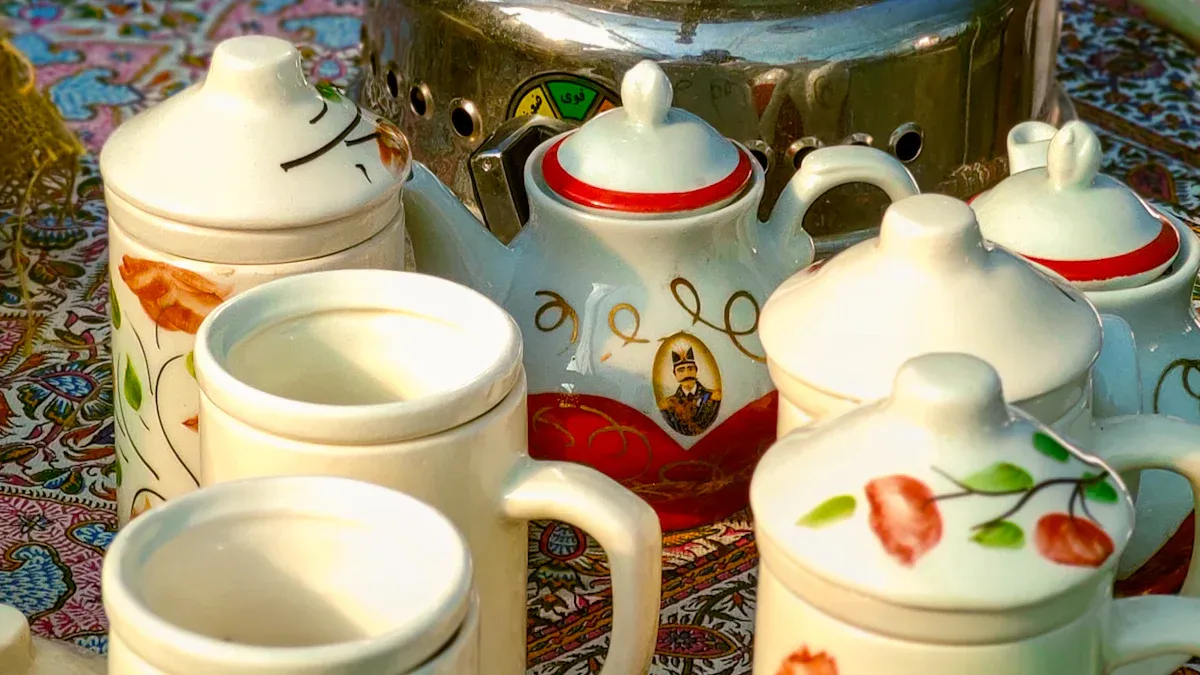
Tea Ratios by Cup and Pot
You want your tea to taste good every time. The amount of tea and water you use changes how it tastes and smells. Here is a simple table to help you pick the best ratio for your next cup or pot:
Tea Type | Vessel Type | Vessel Capacity | Tea Quantity |
|---|---|---|---|
Black Teas | Teapot | 150 – 200ml | 5 – 8g |
Green Tea | Glass Filter Mug | 150 – 200ml | 3g |
Jasmine Tea Pearls | Glass Teapot | 150 – 200ml | 2 – 3g |
Rock Tea (WuYi Oolong) | Yixing Teapot or Gaiwan | 150 – 200ml | 5 – 8g |
Puer Tea | Yixing Teapot or Gaiwan | 150 – 200ml | 5 – 8g |
Darjeeling | Ceramic or Glass Teapot | 250ml | N/A |
White Tea | Yixing Teapot | 250 – 500ml | 8 – 15g |
If you make tea in a cup or a pot, the ratio will change a little. Look at this table for an easy guide:
Brewing Method | Water Volume | Tea Amount |
|---|---|---|
Cup (8 oz) | 240 ml | 1 tsp (≈2 g) |
Pot (32 oz) | 960 ml | 4 tsp (≈8 g) |
Pot (64 oz) | 1920 ml | 8 tsp (≈16 g) |
These ratios help you get the healthy parts of tea. The right amount makes your tea taste better and gives you more benefits.
Tip: Try different amounts to see how your tea changes. You might find a new taste you like!
Choosing the Right clayesouk Cup
Picking the right cup makes your tea feel special. Handmade ceramic cups from clayesouk are more than just pretty. They keep your hands warm and comfortable. The bright glaze does not chip, so your cup lasts a long time. You can put your clayesouk cup in the microwave, oven, freezer, or dishwasher. This means you can enjoy tea anywhere you want.
Here is a quick chart to compare:
Aspect | Handmade Ceramics | Mass-Produced Ceramics |
|---|---|---|
User Satisfaction | Unique art, special feeling | No special feeling, all look the same |
Durability | Strong materials last longer | Regular materials may break sooner |
Craftsmanship | Made by hand, lots of care | Made by machines, less creative |
You feel closer to your tea when you use a handmade cup.
The cup is strong, so you can use it many times.
The careful work makes every tea time feel important.
If you want your tea to stand out, pick a clayesouk cup. You get both style and use. Your tea tastes better, and your cup looks great.
Material Type | Influence on Tea Experience |
|---|---|
Porcelain and Ceramic | These materials give good balance and are easy to use. They help make your tea taste better. |
Unglazed Clay | Unglazed clay soaks up oils and flavors as you use it. This makes your tea taste richer over time. |
Interaction | Your tea mug helps shape how you enjoy tea. It lets the tea and the cup work together for a better experience. |
You can try different ways to brew, change the temperature, and adjust the time. You might find a new cup you love. Clayesouk handmade ceramics make each brew feel special. Try using different cups and see how your tea changes. You can make your tea time different every day.
FAQ
How does changing the tea volume affect taste?
If you use more tea leaves, your drink tastes stronger. Less tea gives you a lighter flavor. Try different amounts to find what you like best. You control the taste with every scoop.
Can I use any cup for brewing tea?
You can use any cup, but handmade ceramic cups from clayesouk keep heat well and make tea taste better. These cups also feel special in your hands. Your cup choice changes your tea experience.
What if I don’t have a scale or measuring spoon?
No worries! Use a regular teaspoon or just pinch the leaves. One teaspoon is a good start for most teas. You can adjust by tasting. Trust your senses and enjoy the process.
