


Imagine you are standing in the big halls of the Forbidden City. Emperor Qianlong looks at bright red wine cups made in Jingdezhen. You notice he wants everything to be perfect. He asks Tang Ying to write his poems on porcelain vases. Qianlong cares about beauty and new ideas in each piece. His love for porcelain still inspires people today. Handmade porcelain and brands like clayesouk follow his passion.
A palace paper from 1726 talks about 24 special wine cups given to the emperor.
Tang Ying wrote Qianlong’s poems on big vases.
Qianlong’s collections show his love for art and history.
Key Takeaways
Emperor Qianlong liked beauty and perfect porcelain. He inspired artists to make special and beautiful pieces. Jingdezhen porcelain has new designs and ways of making it. It mixes old and new styles. These styles still help artists today. The emperor wanted luxury, so they used rare materials. This made Qing dynasty porcelain famous all over the world. Symbols on Qianlong-era porcelain, like dragons and peaches, show power and good luck. These symbols give each piece a deeper meaning. Today, brands like clayesouk keep Jingdezhen porcelain’s history alive. They help people connect with many years of art tradition.
Emperor Qianlong’s Taste for Porcelain
Superior Craftsmanship
Jingdezhen artists showed great skill in every piece they made during the Qianlong period. They used new ways to make their porcelain different from others in the Qing dynasty. These artists did not just make simple dishes. They made porcelain art that surprised the emperor and people from other countries.
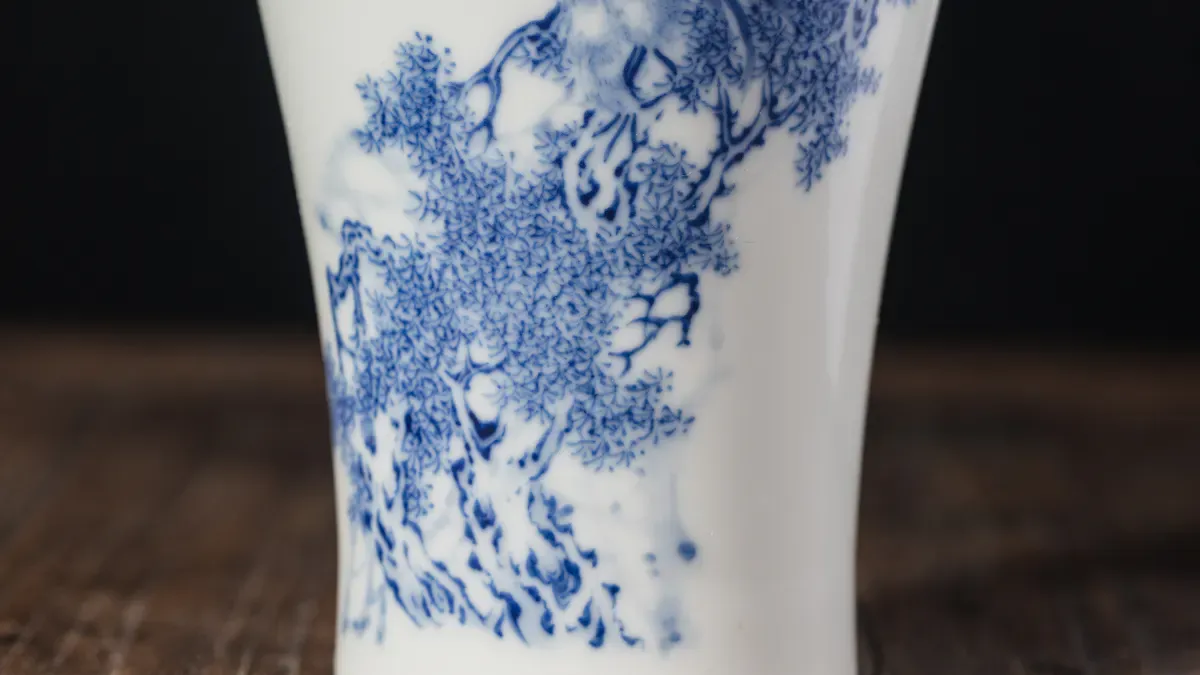
Blue and White Porcelain: Artists used cobalt pigment to paint on clay. This made strong pieces with bright blue pictures on a white base.
Famille Rose Porcelain: This method used special colors on top of the glaze. It gave the porcelain soft pastel colors and made it look three-dimensional.
Linglong Porcelain: Craftsmen cut tiny shapes into the porcelain. When you hold these pieces up to light, you see fine, see-through patterns.
These ways of making porcelain show how much the Qianlong dynasty cared about beauty and quality. Today, brands like clayesouk keep this old tradition going. When you hold a handmade Jingdezhen cup, you can feel the same care and skill that once amazed Emperor Qianlong.
Innovative Designs
Porcelain from the Qianlong dynasty looks different from older pieces. The Qianlong period brought new shapes, colors, and patterns to porcelain. Artists did not just copy old designs. They made new ones to match the emperor’s love for art and luxury.
The hundred flowers, no ground left uncovered style started at this time. It used very detailed and careful designs. Many people think this style is the best in decorative art.
Artists used over 30 colors on one vase. They put on layers of enamel to make the colors bright and deep.
Gold and special ways like sgraffito ground (sgraffito ground) made the surface rich and textured.
You can see how the emperor’s love for new things made artists try new ideas. This creative spirit still inspires artists today. Clayesouk, for example, makes cups with special glazes and shapes, mixing old and new ideas.
Luxurious Materials
Emperor Qianlong wanted only the best things for his court. He asked for big, beautiful pieces to show off the skills of Jingdezhen’s artists. These artists used rare and fine materials to make each vase or cup special. This focus on luxury made Qing dynasty porcelain famous all over the world.
During his rule, the emperor told artists to use new materials and bring back old ways of making porcelain. Craftsmen learned to make porcelain that looked like bronze or wood. They also mixed Eastern and Western styles, so each piece was a work of art. Artists could choose better materials and get better at their craft because they were paid for their work.
Today, when you pick up a handmade cup from clayesouk, you hold a piece of this history. The brand uses high-quality clay and glazes, just like artists did long ago. Each cup shows the luxury and creativity that made Qianlong dynasty porcelain special.
Tip: If you want to feel the history of imperial porcelain art, try using a handmade Jingdezhen cup every day. You will feel close to hundreds of years of tradition and art.
Golden Age of Porcelain in Qianlong’s Reign
Artistic Innovation
The Qianlong period was a special time for porcelain. Emperor Qianlong wanted better porcelain for his court. He built kilns in Jingdezhen to make these pieces. Artists tried new designs and ways to glaze porcelain. They used kaolin clay and cobalt blue for bright colors and detailed patterns.
Ceramics became fancy and complicated. Artists worked hard to improve their skills. They made porcelain that looked like bronze, lacquer, and wood. Qianlong liked mixing Eastern and Western styles. This time was the best for skill and creativity.
Symbolism and Imperial Power
Porcelain art from Qianlong’s time had important meanings. You can see symbols like nine dragons on vases. These dragons show the emperor’s power. Five bats mean good luck and blessings. Peaches stand for a long life. When bats and peaches are together, they honor the emperor.
Qianlong’s style focused on skill. This skill showed the emperor’s power. He controlled art and resources. Each piece showed his ideas and strength.
Cultural Heritage
Jingdezhen porcelain became a sign of culture in the Qing dynasty. The city was called the capital of Chinese porcelain. Artists used new skills and glazes. Monochrome porcelain showed how art changed.
The Qianlong period mixed styles from China and other places. Today, brands like clayesouk keep this tradition alive. Handmade cups from Jingdezhen connect you to Qing dynasty history. The Imperial Porcelain Vase, with birds saluting the phoenix, still shows harmony and virtue. Using Jingdezhen porcelain lets you hold a piece of culture.
Qianlong’s Lasting Influence on Jingdezhen Porcelain
Imperial Commissions
Emperor Qianlong ordered special Jingdezhen porcelain pieces. These orders made artists work harder and try new ideas. The table below lists famous pieces from Qianlong’s time:
Commission Type | Characteristics |
|---|---|
Turning heart bottle | Ordered in Qianlong’s 18th year, shows fighting dragons, finished after 18 months of work. |
Reticulated revolving vase | Made with a hard process, parts joined after separate firings. |
Turning heart bottle | 63 cm tall, shows a flying phoenix and lucky birds, stands for balance between yin and yang. |
Reticulated vase | 40 cm tall, mixes old and new styles, has a blue and white inside wall in Ming style. |
These pieces prove the emperor’s choices changed how porcelain was made. They set new rules for the Qing dynasty.
New Techniques and Styles
Many new styles and ways to make porcelain started in Qianlong’s time. Artists found new ways to decorate and shape their work. Here are some big changes:
Famille Rose: Artists used soft colors and painted flowers, birds, and people with care.
Famille Verte and Famille Jaune: These styles used green, red, and yellow glazes. Famille jaune is known for its bright yellow.
Monochrome Glazes: Makers made smooth finishes in many colors, including “three-color glaze,” which means three-color glaze.
Innovative Shapes: New shapes like boxes and lampstands appeared for the first time.
These changes made Qing dynasty porcelain special. Jingdezhen became famous for new art ideas.
Legacy in Modern Craftsmanship
Qianlong’s love for art still affects Jingdezhen porcelain today. He brought back imperial kilns and new glazing ways. Artists copied old bronze shapes and mixed old and new styles. This mix became part of Jingdezhen’s culture.
After Qianlong, the Qing dynasty gave less support to art. Fewer new ideas came, but good craftsmanship stayed. Today, brands like clayesouk keep this tradition going. When you use a handmade vase or cup, you connect with Jingdezhen’s history. Qing dynasty porcelain is wanted all over the world. Artists everywhere are inspired by it. You help keep this tradition alive when you pick a piece made with care.
You can see how emperor qianlong’s love for porcelain changed history. He wanted the best art and pushed artists to try new things. Because of him, Jingdezhen is like a museum you can visit today. There, masters teach students how to make porcelain. Brands like clayesouk keep these old ways alive and add new ideas.
Ceramics show peace and balance in everyday life.
The yangcai palette mixes Chinese and Western art. This inspires people who collect and make art.
Many artists go to Jingdezhen to learn both old and new skills.
Collectors and designers still look up to qianlong’s passion. Museums and shows display how his ideas are still important in art and design today.
Influence | Modern Impact |
|---|---|
Artistic mastery | Inspires new shapes and decoration |
Global fascination | Attracts collectors worldwide |
When you pick handmade porcelain, you help keep this tradition going.
FAQ
What made Emperor Qianlong love Jingdezhen porcelain?
Qianlong loved beauty and wanted everything perfect. He liked how Jingdezhen artists made things with great skill. He wanted porcelain that looked fancy and creative.
How does clayesouk keep traditional porcelain art alive?
Clayesouk uses old handmade ways from Jingdezhen. Skilled people make each cup by hand. Every piece shows history and feels special to touch.
Can you use Jingdezhen porcelain every day?
Yes, you can use Jingdezhen porcelain all the time. You enjoy art and tradition with each cup you use. The porcelain is strong and looks nice.
What symbols appear on Qianlong-era porcelain?
You see dragons, bats, and peaches on many pieces. Dragons mean power. Bats show good luck. Peaches mean a long life.
Why do collectors value clayesouk’s handmade cups?
Reason | Value |
|---|---|
Craftsmanship | Unique, skilled artistry |
History | Connection to tradition |
Quality | Durable, beautiful pieces |
You get a cup that tells a story about Chinese culture.
