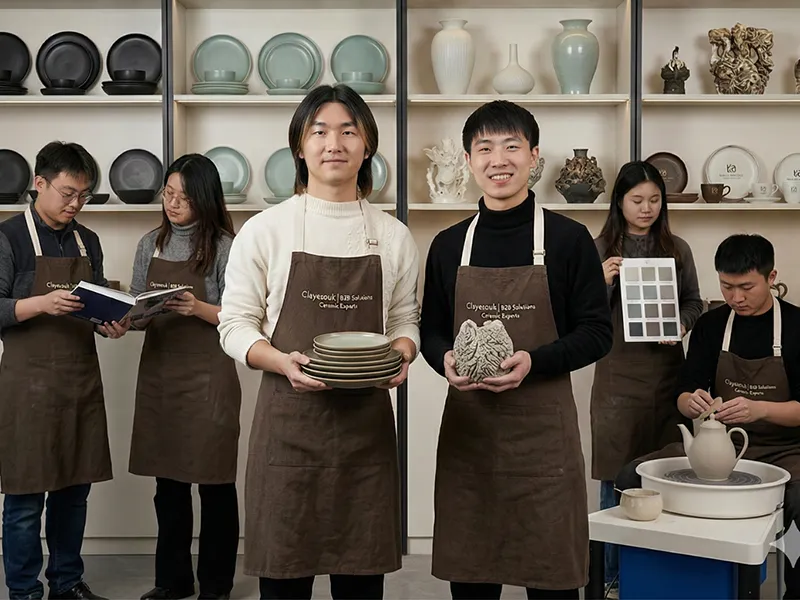
You can taste tea like a pro by using all your senses. Try to pay close attention when you taste tea. Notice the smell, look at the color, and feel how it is in your mouth. The right tools help you see each detail better. Experts say that practicing tea-tasting helps you learn about different teas. You can use a flavor wheel and write notes about each taste. Anyone can get better at this with practice and interest. You will find more happiness in every cup of tea.
Key Takeaways
Use all your senses when you taste tea. Pay attention to the smell, color, and feel of the tea. This will make your experience better.
Pick the right tools, like clayesouk ceramic cups, for tasting tea. The cup’s shape and material can change how you taste flavors.
Keep a tasting journal to write down what you notice. Writing about flavors helps you remember them. It also helps you get better at tasting.
Practice mindful tasting by taking your time with each sip. Focus on the taste. This helps you find new flavors and enjoy tea more.
Join a tea tasting group to learn from other people. Sharing what you taste makes you more confident. It also helps you use more words to talk about tea.
Why Taste Tea Like a Professional
The Value of Tasting Skills
When you taste tea like a professional, you unlock a new world of discovery. You learn to look at the leaves before and after steeping. Intact and uniform leaves show careful handling and high quality. For example, white tea should have soft, downy buds. Green tea should look bright and whole. Oolong tea often has tightly rolled or twisted leaves. After steeping, good leaves will open up and show their freshness. This helps you pick the best teas for your collection or daily enjoyment.
You also build a strong vocabulary for describing tea. You start to notice key flavors and unique notes in each cup. You can talk about floral, fruity, or roasted aromas. You learn to describe the taste, aroma, and mouthfeel. This skill helps you tell the difference between many types of tea. You become more confident when you choose new teas to try.
Tip: Engaging all your senses during tea tasting reveals hidden details. Listen to the sound of dry leaves. Smell the aroma. Look at the color. Feel the texture in your mouth. This multi-sensory approach can improve your ability to detect flavors by up to 50%.
Enhancing Your Tea Experience
Skillful tasting makes every cup of tea more enjoyable. When you reflect on each cup, you find new layers of taste and meaning. Even teas that seem simple or less pleasant can teach you something. Exploring different teas, both good and bad, adds depth to your appreciation.
You also connect with the deeper culture of tea. In Chinese tradition, the idea of “perceiving with feeling” means tasting with your heart and emotions, not just your senses. This holistic approach brings more joy to your tea journey.
Tea enthusiasts gain even more from professional tasting:
You explore teas from many regions and discover new flavors.
You learn from experts and improve your brewing skills.
You meet other tea lovers and share your experiences.
You develop your own style and taste preferences.
Sensory Aspect | Description |
|---|---|
Aroma Vocabularies | Connect teas to floral, vegetal, fruity, nutty, roasted, smoky, or fermented notes. |
Sensory Physiology | Understand taste, aroma, mouthfeel, and how they work together. |
Multi-Sensory Evaluation | Use all your senses to find subtle flavours in every cup. |
When you taste tea with skill, you enjoy every sip more. You find beauty in the details and make each tea session special.
Essential Tools for Tasting Tea with clayesouk
Choosing the Right Ceramic Cups
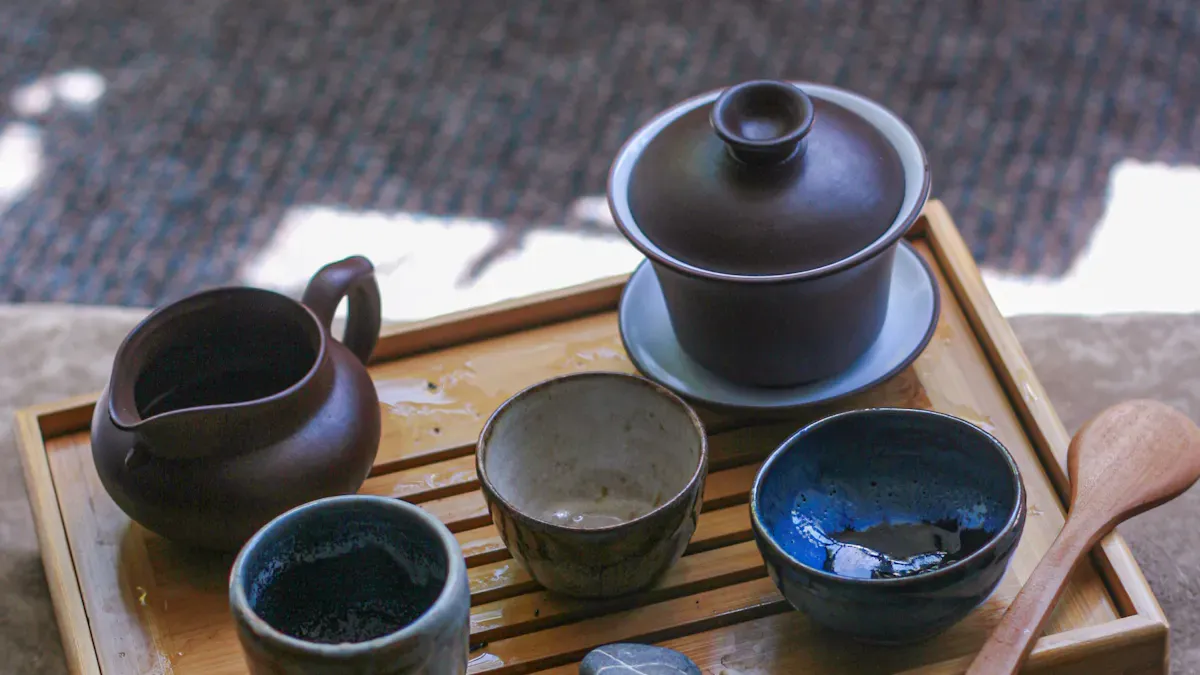
You need the right cup to truly experience the taste of tea. clayesouk’s handmade ceramic cups come from Jingdezhen, a place famous for its porcelain. Each cup is made by skilled artisans who care about tradition and quality. These cups help you notice every detail in your tea.
The shape of your cup changes how you sense aroma and flavour. Here is how different cup shapes affect your tea experience:
A wide rim lets more aroma escape, so you can smell the tea’s fragrance better.
A narrow rim holds the aroma inside, making the scent stronger. This works well for delicate teas.
The thickness of the ceramic keeps the temperature steady, so you can taste the tea at its best.
When you use a well-made ceramic cup, you notice more flavors and enjoy a richer taste. The cup becomes part of the tasting process, not just a container.
Setting Up Your Tasting Space
A good tasting space helps you focus on the tea. Choose a quiet spot with natural light. Keep your table clean and free from strong smells. This way, you can pay attention to the color and aroma of the tea.
You also need a few simple tools:
A scale helps you measure the right amount of tea leaves.
A kettle lets you control the water temperature, which changes the taste.
A tasting journal gives you a place to write your thoughts about each tea.
Set out your tools before you start. Arrange your cups, scale, and journal so you can reach them easily. When you prepare your space, you make it easier to notice every taste and flavour in your tea. This careful setup helps you become a better taster and enjoy each cup even more.
How to Taste Tea Like a Professional
What to Look for When Tasting Tea
You can start your tea tasting journey by learning what to look for when tasting tea. The art of tea tasting begins before you even brew the leaves. First, examine the dry tea leaves. Notice their shape and color. High-quality leaves often look tight and heavy. For example, Longjing tea has a green color with a yellowish tint. Bring the dry leaves close to your nose and take a deep breath. Try to find grassy, floral, nutty, fruity, woodsy, or earthy aromas. If you do not smell much, rinse your cup with hot water, add the leaves, and smell again. This step helps you understand the tea’s flavor before you even taste it.
Next, brew the tea using standardized steeping guidelines. This step ensures you get a fair comparison between different teas. Use a scale to measure the leaves and a kettle to control the water temperature. These tools help you make the perfect cup every time. As you brew, watch the leaves open and expand. This visual cue gives you clues about the tea’s freshness and quality.
Engaging Your Senses
To taste tea like a professional, you need to use all your senses. Sight, smell, touch, hearing, and taste work together to create a complete tea tasting experience. Visual cues are very important. You can learn a lot by looking at the color and clarity of the tea liquor. Listen to the sound of water pouring over the leaves. Feel the warmth of the cup in your hands. Smell the aroma rising from the cup. Each sense adds a new layer to your understanding of the tea.
Here is a table to help you remember how each sense plays a role:
Sense | Description |
|---|---|
Sight | Observe leaf appearance and liquor clarity. |
Smell | Assess the aroma of dry and infused leaves. |
Touch | Feel the texture of the leaves and the cup. |
Hearing | Notice sounds during infusion and leaf expansion. |
Taste | Identify various flavor notes in the tea. |
When you use all your senses, you can find subtle flavors and aromas that you might miss otherwise. This method helps you build a strong foundation in the art of tea tasting.
Noting Aroma, Taste, and Mouthfeel
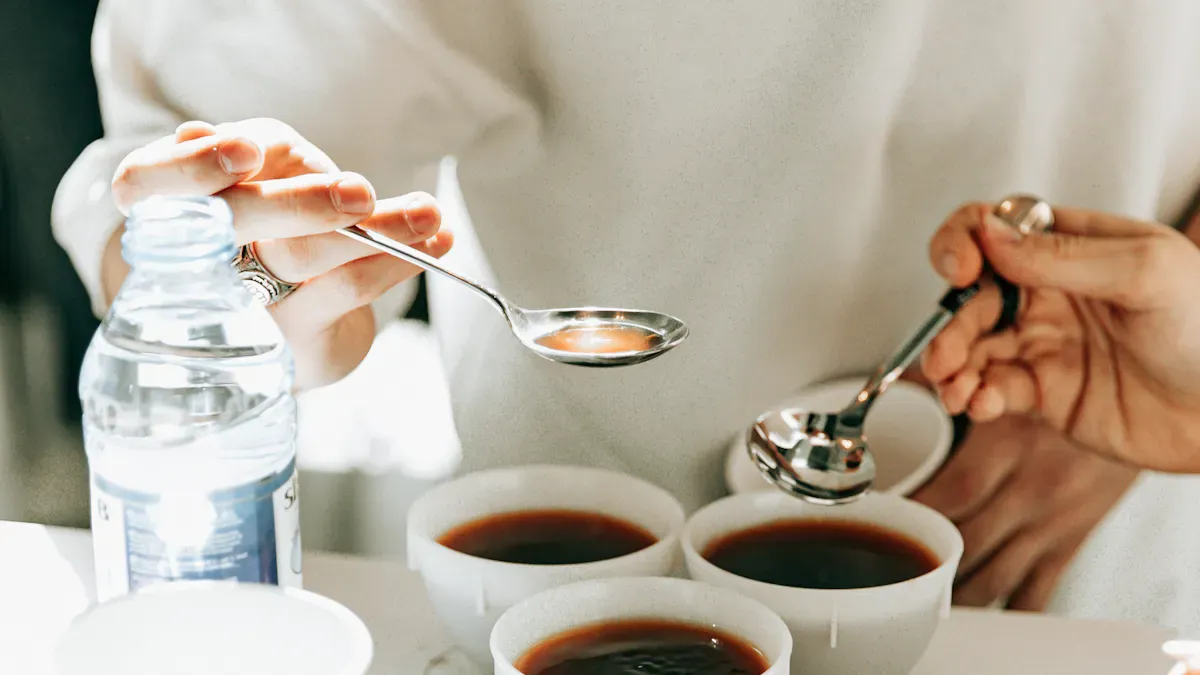
The next step in your tea tasting guide is to focus on aroma, taste, and mouthfeel. Drinking tea is not the same as tasting tea. When you taste tea, you observe and evaluate each sip. Start by smelling the brewed tea. Try to describe the aroma using words like floral, fruity, roasted, or earthy. Take a small sip and let the tea cover your tongue. Notice the first flavors that appear. Swirl the tea in your mouth to explore its texture and body. This is called mouthfeel. Some teas feel smooth and creamy, while others feel brisk or astringent.
Compare two teas side by side to see how their flavors and aromas differ. Use terms like structure, aftertaste, and flavor profiles to describe your impressions. Taste the tea as it cools. You may notice new flavors at different temperatures. This practice helps you become a true tea connoisseur.
clayesouk’s handmade ceramic cups can enhance your tea drinking experience. The shape and material of the cup affect how you perceive aroma and flavor. Clay cups hold heat well and bring out the best in your tea’s flavor. Traditional Chinese cups, like those from clayesouk, are designed to help you enjoy every detail of your tea.
Recording Impressions
You can refine your skills by recording your impressions after each tasting. Write down your tasting notes in a journal. Use tasting grids or cue cards to organize your thoughts. Try using shorthand descriptors for quick recall. This habit helps you remember what to look for when tasting tea in the future.
The first taste should be gentle. Notice the burst of flavor on your tongue. Reflect on the impression it leaves in your body and mind.
Tasting notes help you track your progress and discover your favorite teas. Over time, you will see patterns in your preferences. You will also learn how to taste tea like a professional. This practice turns every cup into a learning experience.
Here are some tea tasting tips to help you improve:
Taste tea early in the day for a sharper palate.
Taste the tea as it cools to find new flavors.
Bring neutral snacks to refresh your palate.
Invite friends to join your tasting sessions.
Have fun and enjoy making the perfect brew.
By following these steps, you will master the art of tea tasting. You will learn how to taste, describe, and enjoy tea like a true tea connoisseur.
Training Your Tea-Tasting Palate
Using a Flavor Wheel
You can improve your tea-tasting palate by using a flavor wheel. This tool helps you identify and name the many flavors and aromas you find in tea. The wheel shows categories like floral, fruity, nutty, and earthy. When you taste a new tea, look at the wheel and match what you sense to the words on it. Keep a tea journal nearby. Write down the flavors you notice during each tasting. This practice helps you remember and describe your experiences. Many experts use a flavor wheel and a journal together during a tea tasting course or an immersive tea course. You will soon find that your vocabulary for describing tea grows quickly.
Practicing Mindful Tasting
Training your palate takes time and focus. You should create a calm space for tasting. Turn off distractions and pay attention to the tea in front of you. Smell the dry leaves, the wet leaves, and the brewed tea. Take small sips and let the flavors develop on your tongue. Mindful tasting means you slow down and notice every detail. This helps you become more aware of each flavour and aroma. Try to taste tea at different times of day to see how your senses change. Practice often, and you will notice your tea-tasting palate becoming sharper.
Tip: Savor each sip and write down your thoughts. Over time, you will see patterns in your preferences.
Social Tasting and Feedback
Tasting tea with others can help you learn faster. When you join a group or take an online tea course, you hear how others describe flavors. You can compare notes and learn new words for tastes and aromas. Sharing your impressions builds your confidence. You also discover new teas and ways to enjoy them. Social tasting encourages you to explore more and deepens your understanding of tea. This approach makes training your palate more fun and rewarding.
You gain new perspectives from group discussions.
You build connections with other tea lovers.
You develop a richer vocabulary for describing tea.
By practicing these steps, you will refine your tea-tasting palate and enjoy every cup even more.
You can get better at tea-tasting if you practice a lot. Stay curious and keep trying new teas. Start a tasting journal to remember your favorite teas. Write down flavors to build your vocabulary. Use clayesouk ceramic cups to see more details in your tea. Anyone can learn to taste tea like a pro by exploring new teas. Follow easy tasting steps to improve your skills. Drinking tea helps you relax and meet new people. You can also learn about different cultures through tea for your whole life.
FAQ
What is cupping in tea tasting?
Cupping is a method you use to evaluate tea. You place tea leaves in a cup, add hot water, and taste the brew. This process helps you compare different teas side by side.
Why do professionals use cupping for tea evaluation?
You use cupping because it gives a fair way to judge teas. Cupping lets you notice aroma, flavor, and mouthfeel without distractions. You can focus on each tea’s unique qualities.
How do you set up a cupping session at home?
You need clean cups, a scale, and hot water. Place the same amount of tea in each cup. Pour water over the leaves. Taste each tea and write your notes. Cupping works best in a quiet space.
Can you use clayesouk ceramic cups for cupping?
Yes, you can use clayesouk ceramic cups for cupping. These cups help you sense aroma and flavor clearly. The handmade design keeps the temperature steady. You get a better tasting experience.
How often should you practice cupping to improve your skills?
You should practice cupping once a week or more. Regular cupping helps you build your tasting vocabulary. You learn to spot differences in teas. Over time, you become more skilled and confident.