
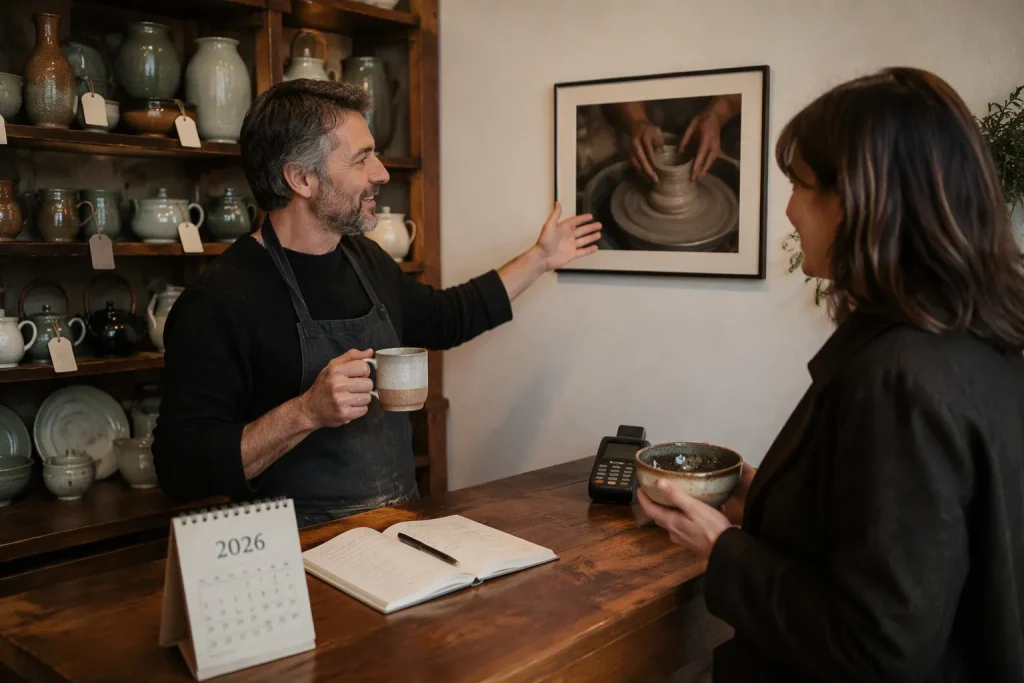
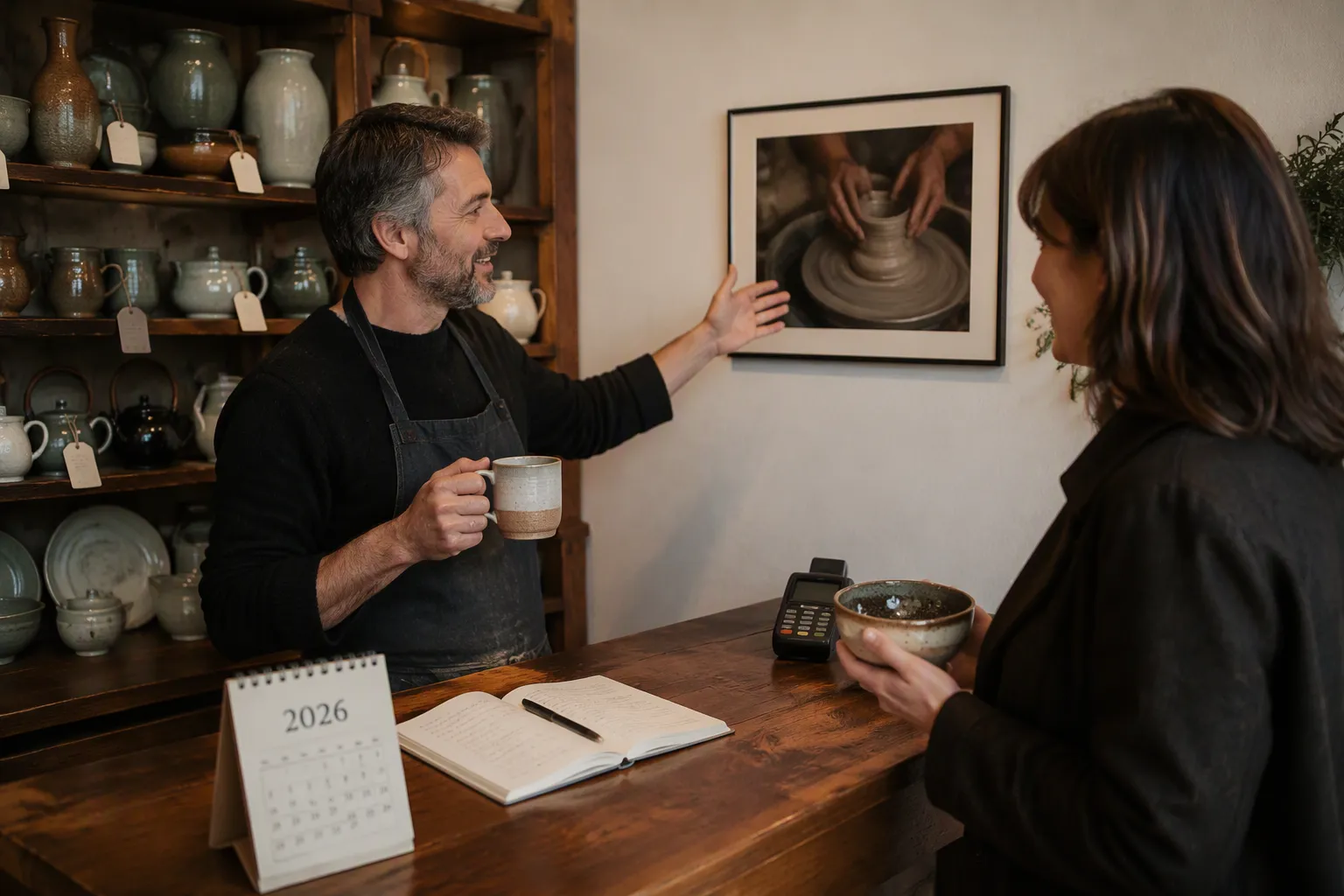
Picture two ceramic cups on a shelf. They look the same. They cost the same. One sells out fast. The other sits there for months. The difference? Buyers know the maker’s story behind the sold-out cup.
Why do customers happily pay more when they know who shaped a piece and why it exists? The answer is simple. Storytelling builds trust and desire. It is not a nice extra for 2026. Storytelling is a measurable tool that can increase ceramic sales for any retailer.
Brands like clayesouk already prove this works. You can grow your business when your stories do. That is the real power of a good story.
Key Takeaways
Share the maker’s story. Buyers will pay more for ceramic pieces that feel truly human.
Say what ceramic problem the buyer has. Then show the handmade piece as the clear solution.
Show the buyer the life they dream of. Place your ceramic piece inside that dream.
After you open the kiln, post Reels. Use captions that speak to buyers to turn views into sales.
Begin with your origin story. Then share artisan profiles and customer transformations.
Why Storytelling Drives Ceramic Sales

When you look around a store, your brain wants meaning, not just stuff. Psychologist Jerome Bruner wrote Actual Minds, Possible Worlds. He discovered that facts inside a story are 22 times easier to remember. Only 5% of people remember a number. But 63% remember a story. That memory builds the emotional link you need to make a sale.
The Psychology of Story-Driven Buying
People do not buy things. They buy the feelings those things give them. A cup means more than clay when you see the hands that made it. This is the heart of storytelling in sales. Make the buyer feel something. You can turn a plain cup into a moment by telling its story. This kind of storytelling can lift a whole shelf.
Think about a tile. A plain tile on a shelf goes unnoticed. But a tile with a story can hold a room together. A kitchen tile with a hand-drawn pattern feels alive. A mosaic tile tells a family history. Every tile in a boutique hotel can carry local culture. This is marketing with meaning. A handwritten note next to a piece makes in-store moments more powerful. Then the buyer remembers the story, not just the price.
What Ceramic Buyers Want in 2026
Buyers in 2026 want what is real. They do not want a plain product sheet. They want to know who made a piece and why it exists. In the ceramic world, this wish is even stronger. A handmade mug from Jingdezhen carries 1,700 years of history. Your customers will pay more when they feel a real human story behind the glaze.
Good design gets attention, but strong stories win the sale. At every step of the customer journey, ask yourself: what is this piece’s story? Talk about the artisan’s training, the glaze formula, or the reason behind a shape. Design choices, like a comfortable handle, become meaningful when you explain why they matter. That is how you increase ceramic sales without cutting prices. Buyers hold onto the emotional connection long after the checkout.
Story Frameworks That Increase Ceramic Sales
Great stories need a clear structure. The two best patterns are challenge-based stories and aspirational stories. Both guide buyers along a path.
Using Storytelling to Sell Through Customer Challenges
Try the mirror method: show your buyer you understand their daily struggle. Shoppers relax when they see another person facing the same problem. Name the pain point, then offer the handmade solution.
Think about a boring morning coffee routine. Your buyer grabs a factory-made mug, drinks fast, and forgets the moment. Now picture a handmade coffee cup from Jingdezhen. Explain why the handle fits the hand so well. The problem now has a name, and the cup becomes the fix.
Price worries often show up. “Why is this mug so expensive?” a buyer asks. Challenge-based stories help explain product details in a useful way. Show close-up glaze details. Point out small color changes. Describe the careful hand-finishing work. Answer questions about value and risk before buyers ask them.
Buyers also worry about how long a piece lasts. A true maker’s story answers that. Handmade pottery uses good materials and careful work. The result lasts years, maybe a lifetime. Buyers will not trade this cup every few years like factory-made goods. The emotional tie between buyer and maker helps. Both lower doubt and close the sale.
Even a tile works with this method. A tile on a shelf looks like every other tile. A kitchen tile with a hand-drawn design seems alive. Share the story of the local craftsperson. Whether you sell one tile or a whole installation, challenge stories win sales. Good stories can sell tile just as well as they sell cups.
Using Storytelling for Aspirational Outcomes
Challenges take away doubt. Dreams create desire. Show your buyer the life they want. Picture a slow morning with a handmade cup. Sunlight falls on the glaze. The mug becomes part of the customer’s story, not just an object on a shelf. This is telling a story to sell a result, not a product.
Maker and design stories work like an extra salesperson. Share them on social media. These stories show the maker’s vision. They help buyers see how the product fits into their lives.
Stories about lasting quality matter here too. Tell buyers the piece will still look beautiful after years of daily use. A handmade cup ages well. Its glaze grows richer. The buyer sees next year, not just today. That future image brings repeat sales.
Real project stories build trust. Experts use this method for floors and walls. They share home and business projects. They connect them to trends like sustainability and biophilia. Or they point out special steps like tile-over-tile installation. Shops can do the same with cups and vases. Show a styled shelf in a real living room. Share a photo of a boutique hotel using handmade mugs.
Think of clayesouk as your example. The brand is based in Jingdezhen, the Porcelain Capital of the World. Each handmade coffee cup and master cup carries 1,700 years of history. That is a dream result buyers happily pay for. One cup tells that whole story.
Choose one story structure this week. State a problem. Paint a dream. Your marketing becomes a conversation, not a sales pitch. Watch the design choices instantly matter. Your customers will notice the difference.
Using Stories to Boost Social Media Sales
Social media is the fastest place to use stories to sell. With the right pictures and words, you can reach, engage, and turn customers into buyers. Instagram rewards ceramic brands that show the messy, real side of making. Let’s see how you can use this to drive sales.
Sharing Visual Stories on Instagram for Ceramics
Your feed needs more than nice product photos. Buyers want to see the fire, the hands, and the glaze close up. Different visual formats give different results. Use this table as your guide.
Visual format | Engagement driver | Why it works |
|---|---|---|
Kiln-opening Reels | Reach and shares | People love the surprise of the change, so they share it like fun videos. |
Glaze palette carousels | Saves and brand identity | Naming your special glaze colors makes your brand feel creative. |
Educational carousels with glaze or technique breakdowns | Saves and follows | Clay body comparisons and firing range guides get saved at very high rates. |
Behind-the-scenes process posts or Reels | Trust and saves | A studio tour of the wheel room, glaze room, kiln, and drying shelves builds trust. |
Post a kiln-opening Reel this week. Film the lid as it lifts. Show the orange glow fade to reveal a finished tile or cup. That one clip can beat ten polished product photos. A tile fresh from the kiln carries a story of risk and reward. Your audience feels that risk with you.
Captions That Turn Views into Sales
Great pictures stop the scroll. Great captions make the sale. Your words should focus on the buyer, not the product. Two frameworks work best for handmade ceramics.
The PAS framework moves buyers from pain to relief. Name a specific frustration, like mismatched, dull tableware. Poke at that frustration so the customer feels it. Then present your ceramic piece as the fix. The BAB framework paints the before, shows the after, and makes your product the bridge. Here is the BAB formula in action:
Before [product]: [pain]. After [product]: [outcome]. [CTA].
Try this: “Before: your morning coffee tastes rushed and forgettable. After: a handmade cup from Jingdezhen that makes you slow down. Tap the link to find your new ritual.” That caption focuses on the buyer’s change. It does not just list product details.
Use Instagram tools to tell your story. Add local tags so nearby tea shops and boutique hotels find you. Team up with a boutique hotel for a giveaway. Their guests become proof of your work. Real-life displays in a hotel lobby or a tea shop window show your work in use. One tile in a boutique hotel bathroom can spark a hundred DMs.
Clayesouk offers custom ceramic design services. This is a strong story idea. You can change patterns, glazes, shapes, and sizes. Share a customer’s custom order from sketch to final piece. That process story turns a simple cup into a personal story. Your marketing becomes a talk about design, not a sales pitch. Every custom tile, every glazed cup, and every shared kiln video builds a bridge to your next sale.
Real Ceramic Brands Winning With Storytelling
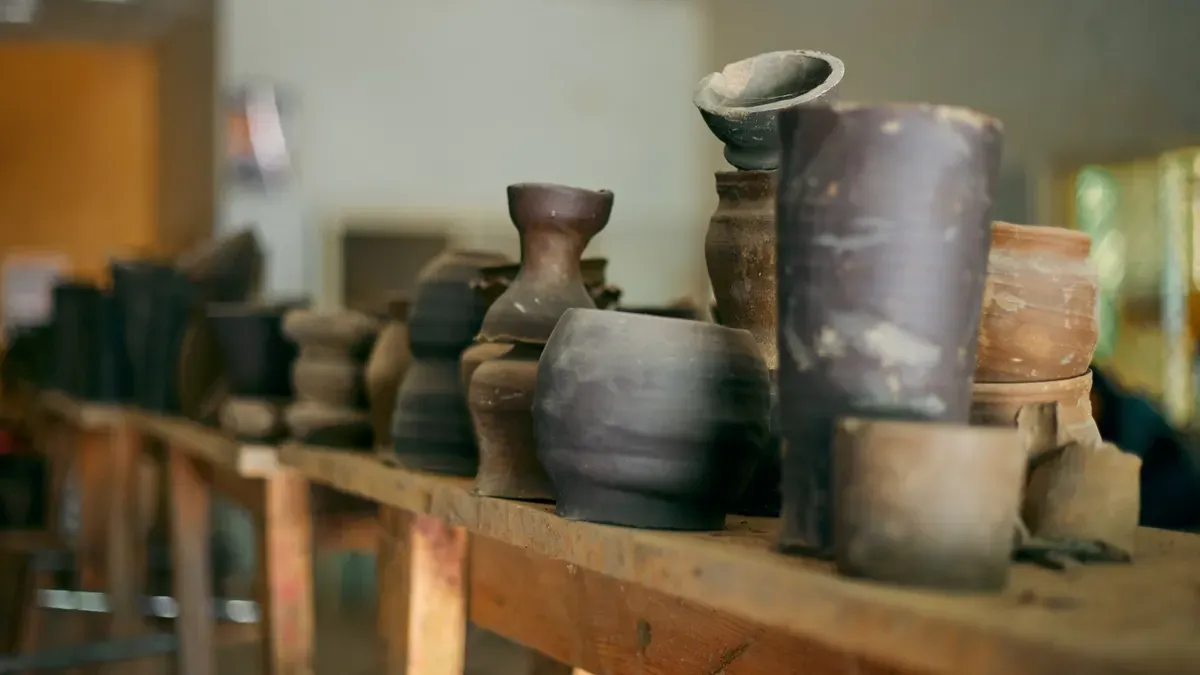
Clayesouk shows what happens when you build a brand around heritage. The company works from Jingdezhen, the Porcelain Capital of the World. That city carries more than 1,700 years of ceramic-making history. Glowing kiln fires and skilled hands shape every design. Each cup is a real work of art, not just a daily tool.
Lessons From clayesouk and Jingdezhen Artisans
You can learn from the artisans behind clayesouk. Take Luo Xujing, a master born in 1957 into a family of ceramic artists. His grandfather started the brand Luo Bingsheng Zao. In 1976, Luo joined the Jingdezhen Sculpture Porcelain Factory. Two years later, he became a student of designer Tu Zhengsheng. His works Zhi Ze Hong Yan and Lian Nian You Yu won gold at the 16th Asian Games exhibition. In 2013, another gold came.
Notice who buys from clayesouk: European and American home decor lovers, premium gift shoppers, coffee and tea fans, boutique store owners, and ceramic collectors. They want more than a vessel. They buy history, skill, and a piece of Jingdezhen’s soul. This approach can increase ceramic sales when you pair a strong origin story with real proof.
What Retailers Can Copy Today
You do not need a thousand-year pedigree to win. Start with your origin story. Next, create artisan profiles like Luo’s, highlighting training, mentors, and awards. Then share customer transformation stories. Show a dull morning becoming a slow ritual with your cup.
Always tell the design story for each object. Show the handle’s curve. Reveal the glaze experiments behind your design choices. Even a simple tile can carry a story. A kitchen tile feels different when buyers know the hands that pressed it. That tile connects a room to a history. A tile destined for a chef’s kitchen gains new meaning. Good storytelling earns attention before price ever matters. Keep it warm, like a talk with a friend, not a marketing pitch. When every tile and cup earns a narrative, you turn casual visitors into loyal customers.
Storytelling turns a plain ceramic piece into a special buy. It also makes customers come back again. You learned how the mind works when stories drive buying. You looked at four story angles: customer problems, dream results, maker profiles, and cultural heritage. You also learned social media tricks like kiln-opening Reels and captions that focus on the buyer.
Now you know why storytelling matters for your ceramic sales. So pick one story this week. Share clayesouk’s Jingdezhen heritage or a tale from your own studio. Put it in front of buyers. Watch your shelves move.
FAQ
How do I start telling stories if I am not a writer?
You already have the raw material. Talk about your morning in the studio. Describe the glaze you mixed last week. Record a short video on your phone. Your customers want real moments, not polished essays. Speak naturally and let your passion show through.
What if my ceramics do not come from a famous place like Jingdezhen?
Your story still matters. Maybe you fire your kiln in a garage. Maybe you learned from a local mentor. Buyers connect with honesty and effort. Share your first failed piece. Talk about the glaze that took months to get right. Authenticity beats pedigree every time.
How often should I post story content on social media?
Consistency beats volume. Three to four posts each week work well for most ceramic sellers. Mix kiln videos, glaze close-ups, and customer photos. Save your best behind-the-scenes clips for weekends when engagement runs higher. Watch your insights and adjust based on what your audience responds to.
Can storytelling work for lower-priced ceramic items?
Absolutely. A five-dollar tile still carries a story. Show the hands that pressed it. Explain the pattern’s origin. Buyers at every price point want meaning. A strong story makes a small purchase feel special. That feeling brings customers back for bigger items later.
How do I measure whether storytelling actually boosts sales?
Track your engagement and conversion rates. Compare weeks when you post story content against weeks when you only post product shots. Watch saves, shares, and direct messages. Ask new buyers how they found you. Over time, you will see which stories drive real revenue.
