
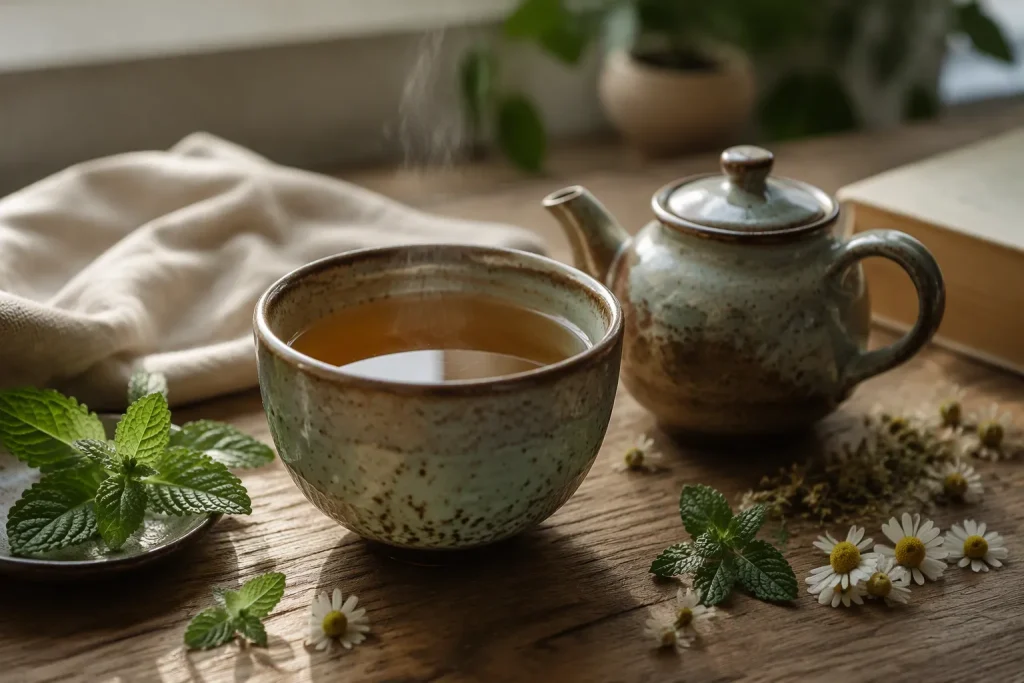
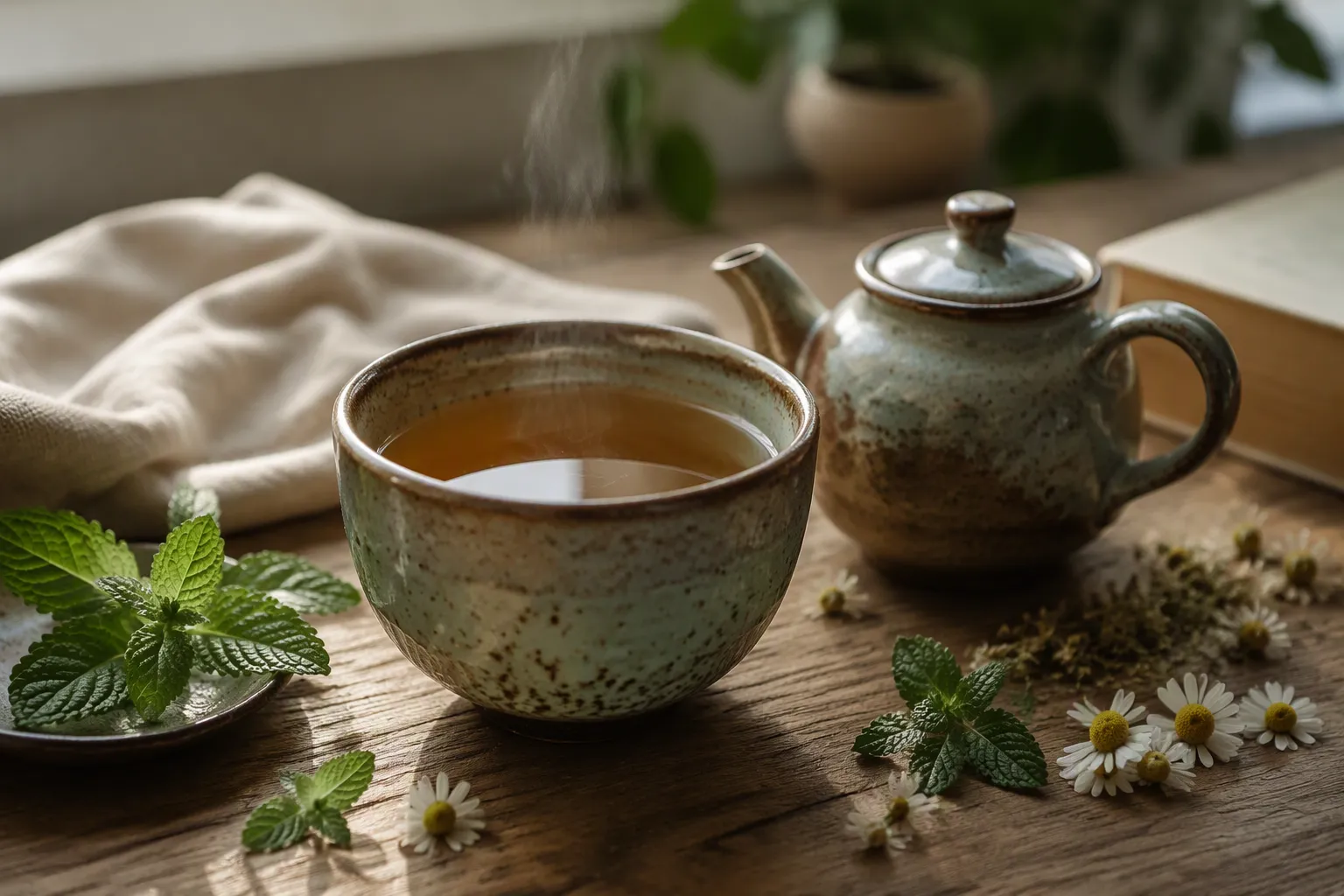
The best herbal teas for handmade ceramic cups pair pleasing flavor with a calming benefit. They feel fuller in your hand and nose because of the cup itself. Think about warmth, color, and aroma. Picture glazed clay against your lips. That sensory ritual turns any herbal tea into a small escape.
You will find popular herbal teas grouped by purpose here. Some types of herbal tea help you wind down at night. Others support digestion or refresh you midday. This complete guide to herbal tea also covers brewing tips. So grab your favorite cup. The best herbal tea is the one you sip slowly. Let these teas become your daily ritual.
Key Takeaways
Handmade ceramic cups keep herbal tea warm longer than glass. Their thick walls hold heat while you sip slowly.
Chamomile, lavender, lemon balm offer calm without caffeine for quiet nights. They help your body unwind.
Peppermint, ginger, and fennel help your digestion work well after meals. Their active compounds ease the feeling of fullness.
Use boiling water to make most herbal teas. Let them steep for five to seven minutes. Warm your cup first.
Pick one tea, one cup, and one calm moment. Sipping slowly makes the ritual feel like it has a purpose.
Why Handmade Ceramic Cups Elevate Herbal Tea
Heat, Aroma, and the Clay Difference
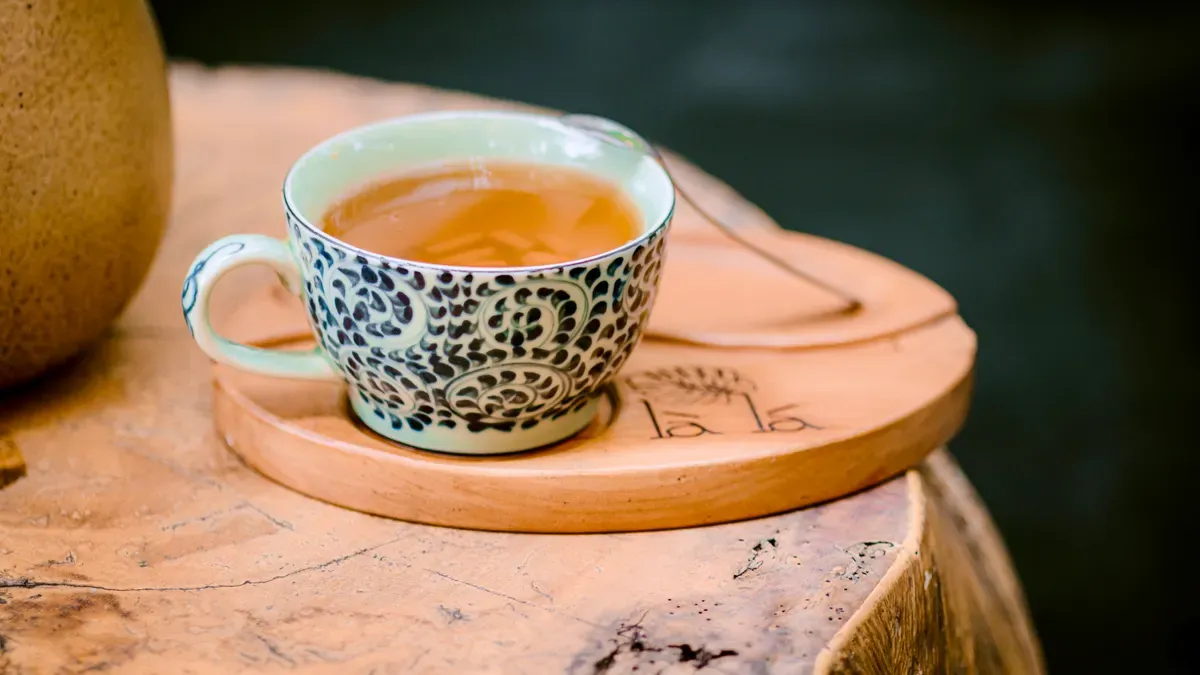
You already know the tea is important. But the cup changes everything. Clay holds heat longer than glass or thin porcelain. That means your herbal tea stays warm while you sip slowly. You get to enjoy the whole cup without rushing.
Here is how stoneware ceramic compares to borosilicate glass under controlled conditions. The test used 8 ounces of liquid starting at 200°F in a 72°F room.
Material | Thermal diffusivity (mm²/s) | Time above 140°F (min) |
|---|---|---|
Stoneware ceramic | 0.48–0.62 | 16–18 |
Borosilicate glass | ~0.51 | 9–12 |
The ceramic mug kept tea above 140°F for about 16 to 18 minutes. The glass cup held that temperature for only 9 to 12 minutes. That gap matters when you sip slowly.
Stoneware, porcelain, and glass have thermal properties that are roughly in the same ballpark compared with metals, but wall thickness often matters more than the material itself. Thicker stoneware walls can roughly double heat retention, which helps explain why stoneware and ceramic vessels keep tea hot longer than thinner borosilicate glass vessels in practice.
The glaze and rim shape also change how you experience your tea. A smooth glaze lets aroma out evenly. A rounded rim feels soft against your lips. A thin rim directs the flow differently than a thick one. These small details turn a simple drink into a fuller sensory moment.
The clayesouk Craft Story from Jingdezhen
Now let me tell you where your cup comes from. clayesouk is based in Jingdezhen, a city in Jiangxi Province, China. People call it the “Porcelain Capital of the World.” The city has produced ceramics for at least 1,000 years. Its documented history stretches back over 2,000 years. In 2004, Jingdezhen celebrated 1,000 years as an imperial kiln production center.
The 600 photographs reproduced in this book document the stages of ceramic production in the “porcelain capital of the world,” Jingdezhen, in Jiangxi Province, China.
clayesouk’s artisans bring over a decade of experience to every piece. They craft handmade ceramic cups, master cups, coffee cups, mugs, and hand-painted blue-and-white porcelain tea cups. Each cup carries the weight of history and the warmth of human touch.
You might wonder about safety. clayesouk uses food-safe glazes on every cup. Ceramic is a traditional vessel for hot herbal infusions. It has served tea drinkers for centuries. That long history gives you confidence with every pour.
So when you choose a handmade ceramic cup, you get more than a vessel. You get heat retention, aroma release, and a story rooted in Jingdezhen craft. Your herbal tea deserves that kind of home.
Best Herbal Teas for Evening Calm
Evening calls for a different kind of cup. You want something caffeine-free that helps your body slow down. Chamomile, lavender, and lemon balm all fit that role. These herbal teas contain no stimulants. They suit bedtime rituals because they calm your senses without keeping you awake. A warm cup of herbal tea signals to your brain that the day is ending. That signal matters more than you might think.
Chamomile for a Soft, Honeyed Wind-Down
Chamomile is the classic choice for nighttime. This floral chamomile delivers a soft, apple-honey sweetness. The aroma feels gentle and round. You get notes of hay and fresh fruit with every sip. A cup of chamomile tea before bed becomes a small comfort you can count on.
Many people reach for chamomile tea when they feel restless. The flavor never overwhelms. It wraps around you like a light blanket. You can steep a caffeine-free blend of chamomile alone or mix it with other herbs. Either way, this herbal sleep tea works best when you give it time. Let the flowers open in hot water. Watch the color turn pale gold. That slow process is part of the pleasure.
A warm clayesouk handmade ceramic cup holds heat through all of this. The clay keeps your herbal sleep tea warm while you sit quietly. You do not need to rush. The cup makes the ritual feel slower and more intentional. Every sip stays at the right temperature. That warmth helps your body relax.
Lavender and Lemon Balm for Quiet Nights
Lavender brings a floral calm that feels almost spa-like. Lemon balm adds a citrus lift that brightens the blend. Together they create a caffeine-free tea that quiets a busy mind. You can use them alone or combine them with chamomile for a deeper herbal sleep tea.
Getting the amounts right matters. Too much lavender turns the cup soapy. Too little lemon balm leaves the blend flat. Here is a simple guide for an 8-ounce cup.
Recipe | Dried Lavender (per 8 oz cup) | Dried Lemon Balm (per 8 oz cup) |
|---|---|---|
Chamomile Lavender Sleep Tea | 1 teaspoon dried lavender buds | 1/2 teaspoon dried lemon balm (optional) |
Lemon Balm Stress Relief Tea | 1/4 teaspoon dried lavender | 1 tablespoon dried lemon balm |
That general rule keeps your herbal sleep tea balanced. You can adjust within that range based on your taste. Some people prefer a lighter cup. Others want more depth.
A bedtime lemon balm tea recipe uses 1 teaspoon of dried lemon balm (or about 8 fresh leaves) per 2 cups of water. It does not include dried lavender. That version works well if you want a pure citrus note without floral layers.
These teas reward patience. Steep them covered to keep the aromatics in the cup. A clayesouk ceramic cup traps those aromatics beautifully. The glaze releases scent slowly as you sip. Your evening herbal sleep tea becomes a full sensory experience. The best herbal teas for night are the ones that help you exhale. Chamomile, lavender, and lemon balm all do that. Pick one. Prewarm your cup. Let the evening settle around you.
Herbal Teas for Digestion After Meals
A big dinner deserves a gentle ending. These herbal teas act as after-dinner friends. They are not medical cures. Think of them as a calm moment to help you feel at ease. You sit down. You hold a warm cup. Your body relaxes.
Peppermint for a Cool, Clean Finish
Peppermint tea gives a cool, clean finish that refreshes your palate. That cooling feeling comes from menthol. Menthol works with cold-sensitive receptors in your mouth. The effect is a sensory feeling, not a real drop in temperature. In well-grown peppermint, menthol is the main aroma compound. It usually makes up 35–50% of the essential oil. That is what creates the cooling feeling on your palate and in your sinuses.
A cup of peppermint tea after a heavy meal feels like fresh air. The flavor is bright and sharp. It cuts through rich foods without adding weight. You can drink peppermint tea hot or let it cool a bit. Either way, the menthol does its job.
Ginger and Fennel for Warmth and Comfort
Ginger brings a warming bite. Fennel adds a mild licorice sweetness. Together they make a comforting cup. Ginger contains gingerols and shogaols. These compounds give ginger its warm, spicy, strong character with natural sweetness. Fennel seeds get their sweet taste from trans-anethole. This is the same aromatic compound found in anise and star anise. Fennel also contains estragole, which adds a subtle peppery warmth.
Herb | Active Compounds | Associated Flavor |
|---|---|---|
Ginger | gingerols, shogaols | Warm, spicy, pungent with natural sweetness |
Fennel | anethole | Sweet, licorice-like flavor |
A systematic review reports that ginger speeds up gastric emptying and stimulates antral contractions in healthy people. The same review describes ginger as having carminative effects. It cites a randomized trial where a ginger/artichoke combination greatly improved functional dyspepsia symptoms compared with placebo. No included study specifically tested ginger tea. The evidence refers to ginger extracts, rhizome, or combinations.
Pair these teas with a sturdy handmade ceramic mug. A mug that feels good in both hands makes the ritual complete. The weight grounds you. The warmth spreads through your palms. You sip slowly. The meal ends well.
Herbal Tea for Refreshment Any Time
You need an afternoon pick-me-up. Skip the coffee. These herbal teas wake up your senses without a single jitter. They work hot or iced. Every sip feels like a small reset.
Hibiscus for Bright Color and Tart Flavor
Hibiscus tea turns a clear glass into a jewel. The ruby color comes from anthocyanins. Hibiscus sabdariffa carries two key compounds: delphinidin 3-sambubioside and cyanidin 3-sambubioside. They create a deep red hue under acidic conditions.
The plant contains organic acids, polysaccharides, flavonoids and particularly anthocyanins, which provide the purple-red color.
The tart, cranberry-like flavor comes from organic acids. Citric acid and malic acid give a clean, mouth-brightening tang. Tartaric acid adds another layer. Ascorbic acid joins the mix too. The taste lands somewhere between lemon juice and ripe berries. You get a cup that feels both sharp and round.
Pour your hibiscus tea into a pale glazed clayesouk cup. The ruby liquid pops against the surface. If you choose a hand-painted blue-and-white porcelain tea cup, the color contrast becomes even stronger. That visual moment counts. You drink with your eyes first.
Rooibos and Tulsi for Smooth, Easy Sipping
Rooibos tea offers a smooth, nutty sweetness with no bitterness. Tulsi, also called holy basil, brings an earthy, minty note. Together they create one of the most satisfying natural, caffeine-free options around. Many herbal tea drinkers call these editor favorites for everyday well-being.
Try tulsi and ginger tea when you want a little warmth. Ginger adds a gentle bite. Tulsi keeps the cup grounded. Both herbs count as naturally caffeine-free options. They suit a slow afternoon better than strong black tea.
A clayesouk handmade ceramic cup makes the ritual feel slower. The clay holds the heat. That moment becomes your own quiet pause. A master cup with a rounded rim suits a plain cup well. Both teas shine in different cups. Either way, you have a caffeine-free blend that tastes genuine. Sip that cup of tea slowly. A cup of herbal tea becomes a mindful pause. Both teas turn an ordinary break into a ritual.
Best Herbal Tea for Everyday Wellness
Everyday tea can be a warm pause. These teas are not medicines. They are comforting rituals you can sip slowly. The best herbal teas for daily life are simple, flavorful, and caffeine-free. They give you a moment to breathe.
Echinacea and Elderberry for Cozy Comfort
Echinacea and elderberry make a bold pair. Elderberry brings dark berry sweetness with tart depth. Echinacea adds a distinctive prickly, herbal zing. Your tongue feels a gentle tingle. They create a berry-forward, layered cup. The aroma is jammy and bright, with berries and orange zest. A hint of licorice root adds anise-like sweetness. The finish leaves a cooling whisper of spearmint. It feels clean and soothing. A warm clayesouk cup makes this herbal tea feel more comforting.
Echinacea alone is mild, earthy, and floral. Elderberry alone tastes more fruity and forward. Combine them when you want cozy comfort. This tea tastes like a hug.
Turmeric, Ginger, and Butterfly Pea Blends
Turmeric and ginger offer golden warmth. Ginger brings a gentle bite. Turmeric adds an earthy, almost peppery note. Explore lemon ginger blends for a brighter citrus edge. Butterfly pea flower brews a striking blue color. Add a squeeze of lemon and the tea shifts to purple. The flavor is light, earthy, and caffeine-free.
Creative blends reward curious sippers. Look for basil, rose, sage, calendula, or thyme in your tea mix. Each herb adds a new layer. You can build your own daily ritual. Start with chamomile at night, switch to turmeric in the morning. Chamomile remains the classic evening choice; wellness teas give room to explore. Herbal tea can be playful.
The right tea for you is the one you actually want to brew. Pick one tea. Pick one cup. Pick one blend. Let the warmth do its work. A handmade ceramic cup from clayesouk makes the whole experience slower and more intentional. That small pause is the real wellness tea benefit.
Top Herbal Teas to Try in a clayesouk Cup
Matching Tea Color to Glaze and Shape
You have plenty of options now. The best herbal teas for evening calm include chamomile and lavender. Peppermint and ginger help after meals. Hibiscus and rooibos refresh you anytime. Echinacea and turmeric blends round out your day. Each one deserves the right cup.
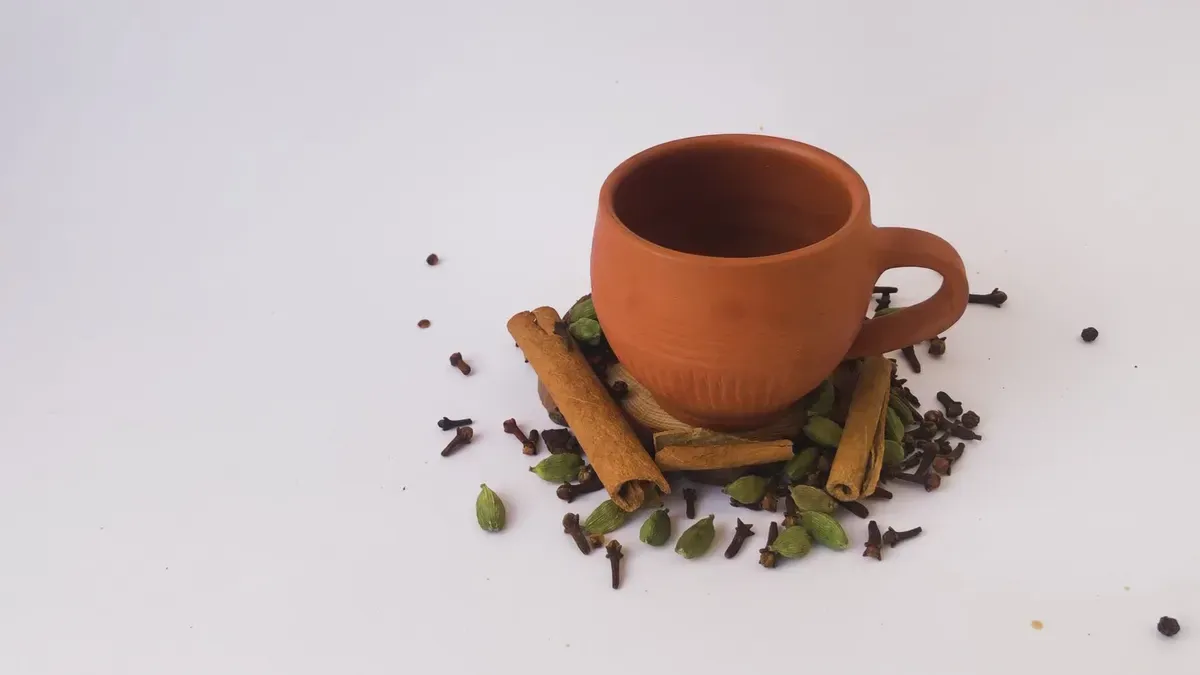
Match the color of your tea to the glaze. Hibiscus looks stunning in a hand-painted blue-and-white porcelain tea cup. The ruby red pops against the pale surface. Chamomile and lemongrass shine in a master cup with a creamy glaze. Their golden tones feel warm and soft. A dark rooibos looks rich in a coffee cup with an earthy finish. For ginger and turmeric, reach for a sturdy mug. The wider shape lets the steam rise slowly. These popular herbal teas each have a natural partner in your cupboard.
A Simple Daily Ritual to Build
You do not need a long ceremony. A short ritual works better. It fits into any morning or evening. Here is how to build one.
First, prewarm your cup. Fill it with hot water for a minute. Pour that water out. Now your herbal tea stays warm from the first sip to the last. Second, steep your tea for 5 to 7 minutes. Cover the cup while it steeps. The lid traps the aromatics inside. Third, sip slowly without a screen. Let the leaves settle. Take small sips. Feel the warmth in your hands.
Try this with different teas through the week. Chamomile on Monday. Peppermint on Tuesday. Hibiscus on Wednesday. You will learn which teas you love most. The top herbal teas to try are the ones you actually drink. The top herbal teas to try are the ones that fit your quiet moments. So pick one tea. Pick one cup. Start today.
Brewing and Caring for Herbal Tea in Ceramic
Water Temperature and Steeping Times
Brewing herbal teas starts with the right water temperature. Most of these infusions need a full boil around 212°F. Chamomile, peppermint, rooibos, and hibiscus all follow this rule. Learning how to brew herbal tea well is simple once you know the basics.
Here is a quick guide for your next cup of herbal tea:
Tea Type | Water Temperature | Steep Time |
|---|---|---|
General herbal blend | Full boil, approx. 212°F | 5–10 minutes |
Chamomile | Full boil, approx. 212°F | 5–10 minutes |
Peppermint | Full boil, approx. 212°F | 5–10 minutes |
Rooibos | Full boil, approx. 212°F | 5–10 minutes |
Hibiscus | Full boil, approx. 212°F | 5–10 minutes |
These hot infusions are naturally caffeine-free. Most teas stay smooth when steeped longer. Chamomile tea needs the same full boil. Delicate teas may need less steeping time. Start with 5 minutes. Taste your tea. Add more time if you want deeper flavor.
Prewarm your handmade ceramic cup first. Fill it with hot water. Wait one minute. Pour the water out. Your herbal tea stays warm longer in a clay cup.
Cleaning and Protecting the Glaze
Your clayesouk cup deserves careful maintenance. The painted blue-and-white designs sit beneath a protective glaze layer. Your focus should stay on preserving that smooth glaze surface.
Wash your cup by hand using these steps:
Use warm, not hot, water.
Add a mild dish soap.
Clean with a soft cloth or sponge.
Avoid abrasive scrubbers completely.
Do not soak the cup for long periods. Water may enter tiny glaze cracks.
Air dry fully before storing. Trapped moisture can cause mildew.
Skip the dishwasher. Sudden temperature changes can shock the clay. They may crack the glaze. Hand-washing protects your cup for years. The basics of brewing herbal tea boil down to patience. Brewing tea at home becomes easier with a trusted vessel. A warm cup of tea deserves slow attention.
clayesouk offers after-sales support and maintenance guidance. Ask questions about cleaning or storing your cup. The brand wants your handmade piece to last. That support makes your daily ritual easier. Each cup of tea becomes a small ceremony in your hands.
Chamomile and lavender lead the evening list. Peppermint and ginger ease digestion. Hibiscus and rooibos refresh you anytime. Echinacea or turmeric blends cover everyday wellness. Keep chamomile on hand for restless nights. These remain the best herbal teas for most routines.
Your cup matters as much as the tea. A handmade clayesouk cup turns a simple steep into a Jingdezhen ritual.
Pick one tea, one cup, one quiet moment today. Brew a hot cup of herbal tea, hold it slowly, let the day soften. Sip that tea without rushing. Try different teas through the week. These teas ask for nothing but time. That small ritual is the best herbal tea reward.
FAQ
Do handmade ceramic cups change the flavor of herbal tea?
Yes. Clay holds heat longer than glass, so your herbal tea stays warm through a slow sip. The glaze and rim shape affect aroma release. That warmth makes each cup feel intentional. One cup of herbal tea turns a busy day around. That is the real tea ritual.
What water temperature and steeping time should I use?
Most herbal teas need a full boil around 212°F. These teas steep well for 5 to 7 minutes. Chamomile, peppermint, rooibos, and hibiscus all follow this rule. Some herbal teas taste deeper with a few extra minutes. Prewarm your clayesouk cup so your tea stays hot.
Can I drink herbal tea every day from ceramic?
Absolutely. These teas are naturally caffeine-free, so daily sipping fits any routine. Chamomile, peppermint, and rooibos stay gentle. A handmade clayesouk cup adds warmth. A cup of herbal tea each morning works well. Choose one and make it your daily tea.
Which herbal tea should I try first?
Start with chamomile. Its apple-honey softness pairs beautifully with a handmade cup. Lavender and lemon balm offer quiet nights. Rooibos and tulsi work anytime. These teas are all herbal and suit slow sipping. Pick one cup of herbal tea and sip your tea slowly.
How should I clean my clayesouk cup?
Hand-wash with warm water and mild soap. Use a soft cloth, not abrasive scrubbers. Avoid the dishwasher. Sudden temperature changes can crack the glaze. Dry fully before storing. That keeps your herbal teas, tea leaves, and favorite herbal tea cup ready for every tea.
