
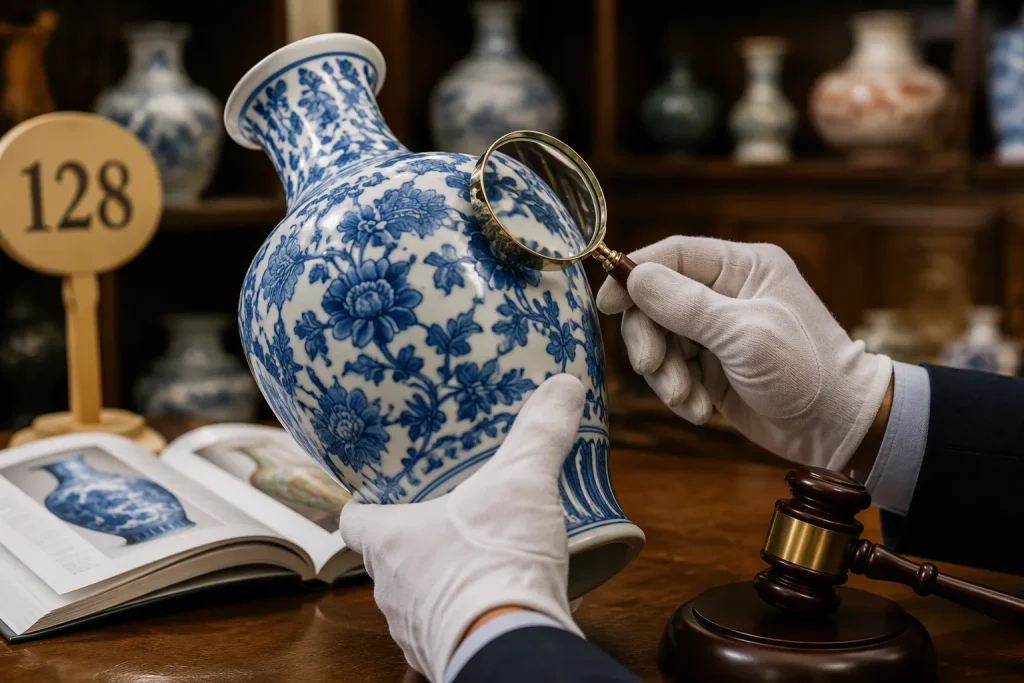
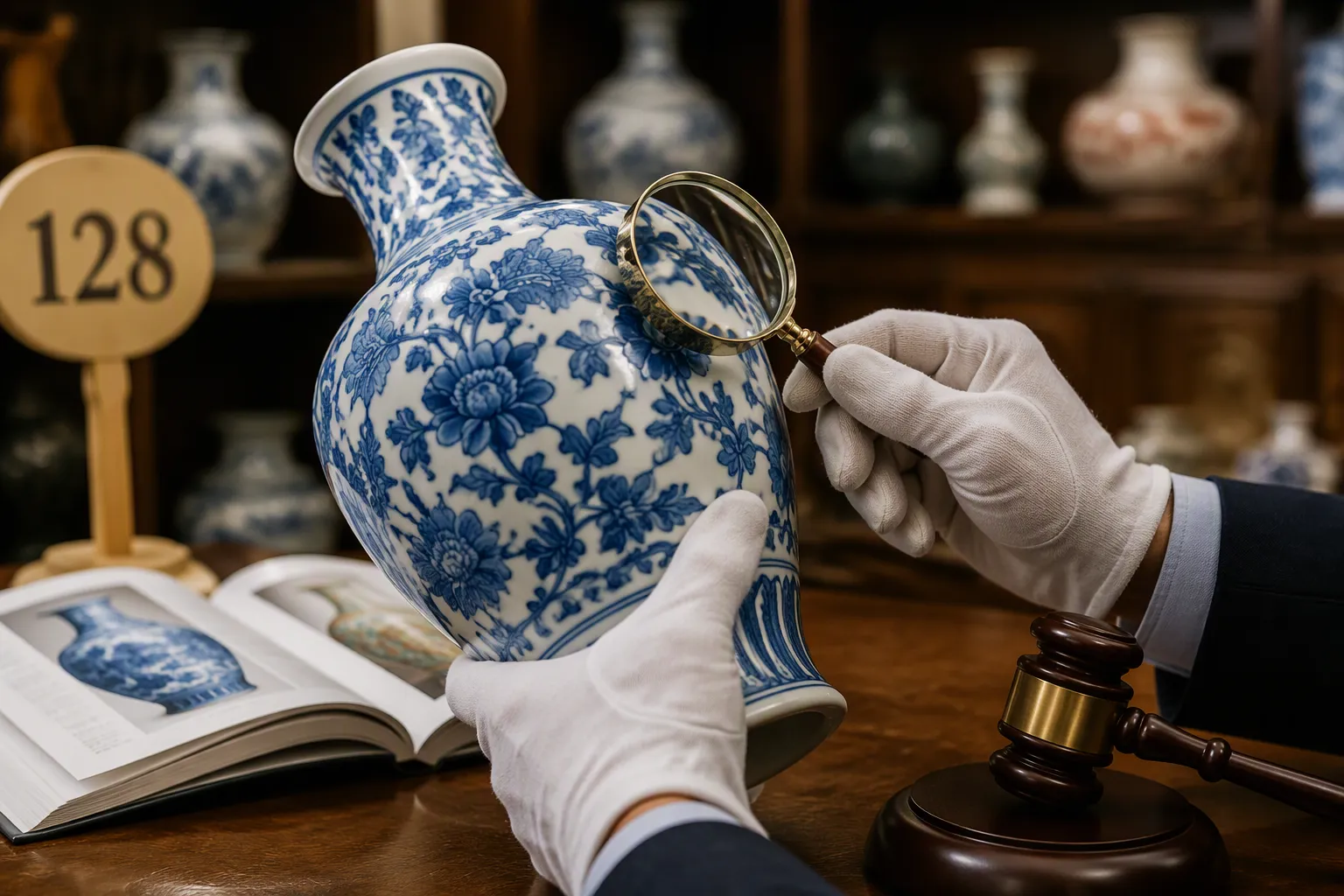
A 6-inch blue and white bowl, bought for $35 at a yard sale in Connecticut, sold for $721,800 at Sotheby’s. Experts identified it as a Ming Dynasty Yongle period piece from Jingdezhen. That surprising result shows how auction houses figure out value. They examine five core factors: authenticity, condition, provenance, rarity, and market demand. Major houses like Christie’s and Sotheby’s combine expert knowledge with sales data. This post explores each factor. Learning about chinese export porcelain and its auction history helps collectors. It also gives practical tips for buying or selling antique jingdezhen pieces. Collectors who study chinese export porcelain have a competitive edge.
Key Takeaways
Auction houses judge old Jingdezhen pieces by five main things: if they are real, their shape, who owned them before, how few exist, and what buyers want.
Experts look at reign marks, glaze, and clay paste to check if a piece is real. They also use science tests like thermoluminescence.
Condition is very important: cracks, chips, or repairs can lower value by 50% or more, so collectors should stay away from damaged pieces.
Provenance—the ownership history—can greatly raise value, especially if a famous collector owned the piece or a museum displayed it.
Rare items and high demand make prices go up. Pieces from short time periods or with special designs can cause bidding wars. They can sell for millions.
Authenticating Antique Jingdezhen Pieces
Marks, Glaze, and Paste
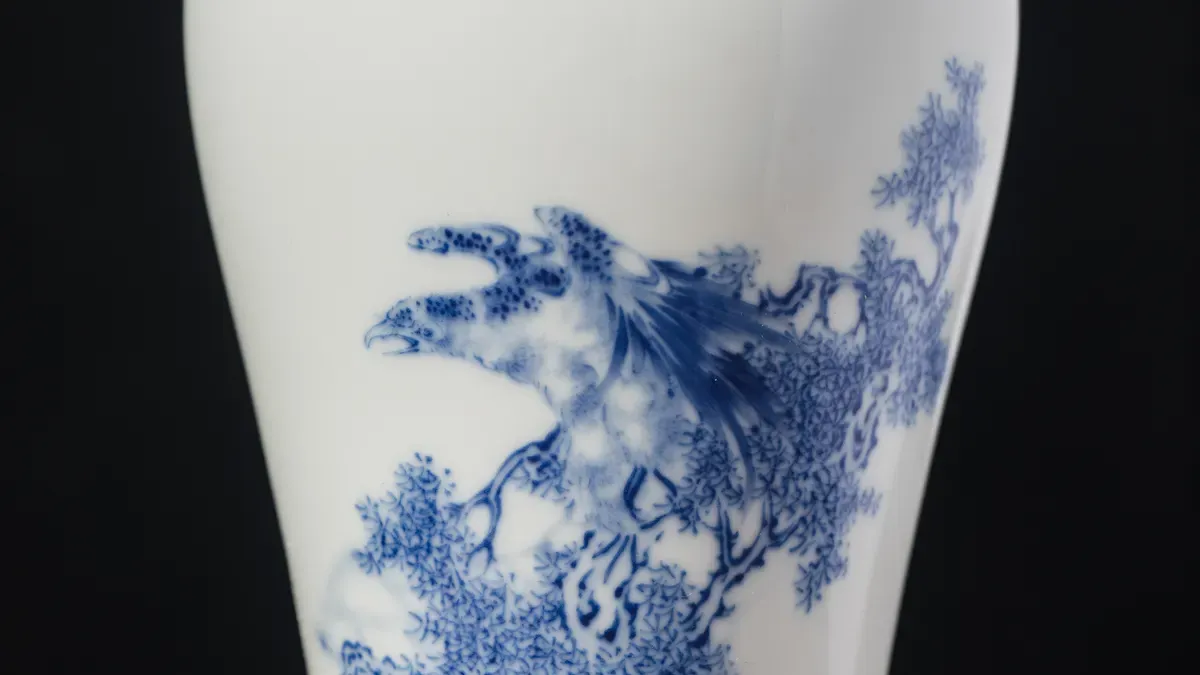
Experts start by checking three physical features: reign marks, glaze texture, and clay paste. Each one gives clues about where a piece came from and when it was made. A reign mark shows who ordered the piece and when. Glaze texture shows how the kiln fired the vessel. Clay paste tells where the potter got the raw materials.
Real Kangxi marks look very different from later copies. Experts look for certain traits.
Real Kangxi marks are clear and well-made, while fakes may look blurry or poorly done.
The table below sums up the main differences experts check.
Feature | Real Kangxi Reign Mark | Later Fake |
|---|---|---|
Brushwork / Calligraphy | Strokes show changes in weight and pressure in the middle of characters; spacing is loose and sure, done by trained court calligraphers | Too even and tight; characters look printed instead of hand-written |
Foot Ring | Hand-finished with small uneven spots and marks from original kiln stilts | Machine-cut, perfectly even |
Glaze Pooling | Pools and crawls in small ways; shows pinholes, tiny bubbles, and slight unevenness | Smooth all over with none of these hand-made firing signs |
Body Weight & Ring | Tapping makes a high, lasting sound | Denser body gives a duller thud |
These details matter for chinese export porcelain marks too. Export pieces often have simpler marks. But the same rules still apply. Trained eyes catch the difference between hand-painted and printed characters. They notice how glaze pools on real antique jingdezhen pieces.
Scientific Testing and Connoisseurship
Christie’s and Sotheby’s mix scientific testing with many years of expert knowledge. Thermoluminescence testing measures when clay last took in heat. This test helps confirm when a piece was fired. It cannot prove a piece is real on its own. Specialists pair test results with visual analysis.
Professional authentication depends on both methods. A thermoluminescence result might point to a Ming date. The glaze and paste must back up that finding. When science and expert judgment agree, confidence goes up.
Where a piece comes from matters for authentication. Jingdezhen has made ceramics for over 1,700 years. Artisans there created special clay formulas and firing methods. A Jingdezhen-based brand like clayesouk carries this heritage forward. Its artisans bring over ten years of experience in traditional craftsmanship. That deep knowledge shows why collectors and auction houses value pieces from this region.
Authentication also changes market value. A confirmed period piece can sell for much higher prices than a later copy. Buyers who understand craftsmanship, rarity, and provenance get an edge. They know which questions to ask. They spot when a piece needs a closer look.
Collectors should get more than one opinion before buying. They can ask auction specialists, independent appraisers, and skilled dealers. Each expert brings different tools and views. Together, these voices build a clearer picture of a piece’s authenticity.
Condition Standards for Antique Jingdezhen Pieces
Cracks, Chips, and Restoration
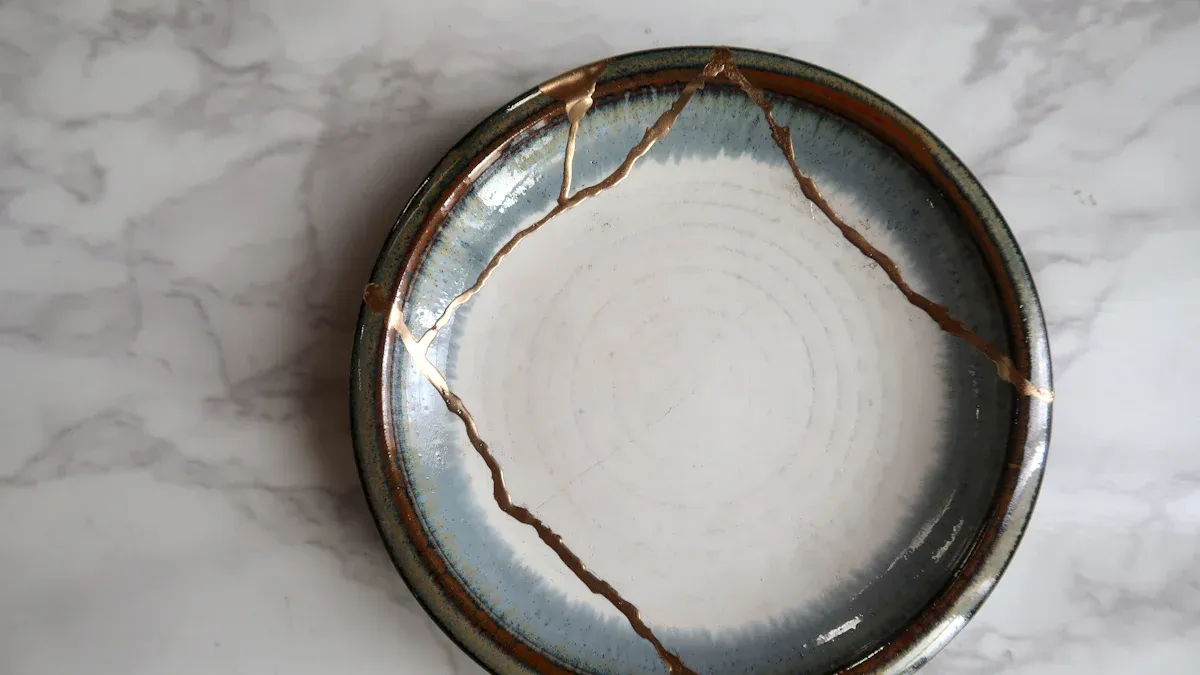
Auction houses look over every piece for damage. Cracks and chips make value drop fast. Even small restoration can cut value by 50 percent or more. A filled chip or a painted-over crack changes how experts see a vessel. Repaired pieces lose the trust of many collectors. Buyers want examples that are untouched. They pay extra for original glaze and painting. Restoration hides the real state of the ceramic. Skilled restorers can make repairs hard to see. But experts use ultraviolet light to find retouching. They also check how light reflects across surfaces. These methods show hidden work.
For chinese export porcelain, repairs matter less than for imperial wares. Export pieces traveled long distances. They often showed up with some wear. Small fixes may not hurt their value as much. Collectors of chinese export porcelain accept small adjustments. They care more about shape and decoration. But major restoration still lowers price.
Glaze, Painting, and Firing Flaws
Original flaws from the kiln also affect value. At the highest level of Jingdezhen production, inspection standards were strict. Pieces with small imperfections were rejected. A pinhole, a slightly uneven rim, a speck of ash on the foot, or a glaze color judged slightly off made a piece unacceptable. Only flawless survivors earned the label of extraordinary. This harsh quality control means any original firing flaw lowers desirability and market value.
The same logic applies to chinese export porcelain pieces with painting flaws. Collectors of export wares also value clean decoration. For prized categories like Famille Rose and monochrome glazes, condition is paramount. Buyers demand perfect glaze surfaces. Any factory flaw meant destruction. Surviving pieces with firing flaws are rare but still sell for lower prices. The condition of the glaze directly shapes auction estimates. Understanding these standards helps collectors evaluate their own pieces. They can identify restoration and recognize firing flaws. This knowledge gives an edge when buying chinese export porcelain or other wares. Every detail of condition matters when auction houses set value for antique jingdezhen pieces.
Provenance and Historical Context
Ownership and Exhibition Records
A written record of who owned a piece can make antique jingdezhen pieces worth much more. Auction houses find out who owned a piece and when. They search for famous collectors, imperial lists, or museum shows. A bowl from a royal collection might sell for ten times more than the same bowl with no records. The provenance chain shows the piece is real and important.
Exhibition records add more proof. A piece shown at a big museum gains respect. Catalogs from those shows serve as evidence. Buyers trust pieces with clear paper trails. They pay more for objects with a rich past. This written ownership history sets ordinary wares apart from treasures.
Imperial, Literati, and Export Wares
Imperial wares were made for the emperor and his court. They have perfect glaze and fine painting. Literati wares show scholar tastes with subtle designs. Chinese export porcelain went to foreign markets. It often has Western shapes or patterns. Each group draws a different set of buyers.
Imperial pieces attract collectors who want the best craftsmanship. Literati wares appeal to those who value scholarly traditions. Chinese export porcelain draws buyers interested in global trade history. The history, identification, and auction values of these groups differ a lot. A rare imperial piece may start at $250,000. Chinese export porcelain usually sells for less. But top export pieces can still go over $1.6 million. Auction houses study these patterns. They know which buyers want which wares. This knowledge shapes every estimate. Collectors who understand provenance gain an edge. They see how ownership and category affect final prices.
Rarity and Market Demand
Scarcity of Period and Decoration
Rarity makes collectors compete hard. Bidding wars on top antique jingdezhen pieces can start at $250,000 and go past $1.6 million. A rare piece from a short reign period gets more attention. Decoration style matters too. A unique pattern or an unusual glaze color increases demand.
Sotheby’s London sold a pair of very rare 16th-century Ming dynasty wucai fish jars and covers from the Jiajing period on November 6, 2024. The pair brought in £9.6 million ($12.5 million). This result was over nine times their high estimate. Experts believe only 41 known similar Ming vases still exist, mostly without covers. One somewhat damaged set with covers is at Musée Guimet in Paris. Three other single jars with covers remain in private hands. This level of scarcity pushes the auction value to amazing heights.
Collector Trends and Comparables
Auction houses study similar sales to measure demand. They track which periods, shapes, and decorations sell well. A strong track record for one piece raises hopes for similar items. This data shapes every auction estimate.
Collectors who follow selling chinese export porcelain notice changing tastes. Chinese export porcelain appeals to buyers who value global trade history. Imperial wares draw collectors seeking the finest craftsmanship. Each group responds to different market signals. The provenance of a piece also affects which buyers compete for it.
An auction value guide helps collectors understand these patterns. They learn how rarity and demand work together. They see why one piece sells for a modest sum while another starts a bidding war. This knowledge gives them confidence when they buy or sell. Understanding value means studying both the object and the market. Collectors who do this homework make better decisions.
Expert Appraisal and Auction Estimates
The Specialist’s Role
Auction specialists have years of training for every appraisal. They list each piece with exact details about its shape, decoration, glaze, and marks. This list becomes the base for every auction estimate. The specialist’s background shapes how they judge value.
Credential Category | Details |
|---|---|
Education | BA in Chinese Studies and Anthropology; MA in Classical Chinese Literature; Post-Graduate Diploma in Asian Art with Distinction from SOAS/Sotheby’s, London |
Language/Regional Study | Two years living and studying in Taipei, Taiwan, including at Stanford’s Inter-University Program for Chinese Language Studies at National Taiwan University |
Certification | ISA CAPP (Certified Appraiser of Personal Property), highest level of certification with the International Society of Appraisers; complies with USPAP 2022/2023 |
Professional Memberships | Oriental Ceramic Society (London, England); Canadian Society of Decorative Arts; International Society of Appraisers |
Relevant Work Experience | Head of the Asian art department at a Toronto auction house for six years; prior positions at the Royal Ontario Museum, Department of Near Eastern & Asian Civilizations |
Continuing Development | Regular professional development in appraising, collection management, and museum studies; lecturer and published author in Asian art |
This training helps specialists catch details that untrained eyes miss. They know how chinese export porcelain is different from imperial wares. They can tell how chinese export porcelain marks change over time. Their expertise sets the value for each piece.
Specialists also look at market data. They follow recent sales of chinese export porcelain and other wares. This research shapes every estimate they write. An auction value guide from past sales helps them judge current demand. They compare shape, period, and condition with similar pieces. This comparison builds a realistic auction estimate.
Setting Low and High Estimates
Specialists set a range for each lot. The low estimate pulls bidders in. The high estimate shows what the piece could bring. Auction houses often set the low estimate below true market value. This plan starts competitive bidding. A low opening number draws more interest. Bidders feel they have a chance to win. The final price often falls between the two numbers. Sometimes it goes far past the high estimate.
An auction value guide helps collectors understand this range. The guide shows what similar pieces sold for at past auctions. Collectors who study selling chinese export porcelain see how estimates work. They learn why one piece opens at a modest sum and another starts higher.
The gap between low and high estimates changes. A rare piece with strong provenance may have a narrow range. A common piece with condition issues may have a wider range. Specialists weigh all five factors: authenticity, condition, provenance, rarity, and demand. Each factor moves the estimate up or down.
Expert appraisal also thinks about timing. A strong market for chinese export porcelain raises estimates. A weak market lowers them. Specialists watch buyer trends and adjust their numbers. They know which periods and styles sell well. This knowledge shapes every valuation they produce.
Collectors can use these estimates as a learning tool. They compare the estimate to the final price. They note when a piece sells above or below expectations. Over time, they build their own sense of value. This skill helps them bid with confidence. It also helps them sell at the right moment. Understanding how appraisers set estimates gives collectors a real advantage.
Auction houses base every estimate on five connected things. Authenticity, condition, provenance, rarity, and demand all affect the final price. A piece with the right period, condition, rarity, craftsmanship, and history can hit the top of the market. One problem, like restoration or a weak ownership record, brings the value down. Setting value mixes expert judgment with market timing. Specialists study the object and the market at the same time.
Collectors can use this knowledge. They should get more than one opinion before buying or selling. They should keep records of provenance with receipts, catalogs, and photos. They should study auction records for chinese export porcelain and other items. These habits build skill over time. Knowing these factors helps collectors bid and sell with confidence. The market rewards careful study. It also rewards patience. Collectors who learn how chinese export porcelain and imperial wares differ gain a real edge. They see why one estimate opens low and another starts high. That skill turns a hobby into a smart pursuit.
FAQ
How do experts confirm a porcelain piece’s kiln site?
Specialists look at reign marks, glaze texture, and clay paste for signs of Jingdezhen origin. They also use thermoluminescence testing. Pairing science with expert eyes gives the most solid proof.
Does restoration affect a piece’s worth?
Even small repairs can lower value by half or more. Chinese export porcelain with major fixes loses a lot of its price. Flawless antique pieces can sell for much higher amounts.
How do specialists determine market trends for porcelain wares?
An auction value guide lists recent sales of similar pieces. It helps specialists see current market trends for porcelain. This guide shows what similar wares have sold for.
Why does an ownership history matter for value?
A clear history of who owned a piece raises its auction estimate. A famous past owner can push the final price much higher. Buyers trust pieces that have been shown in museums.
