
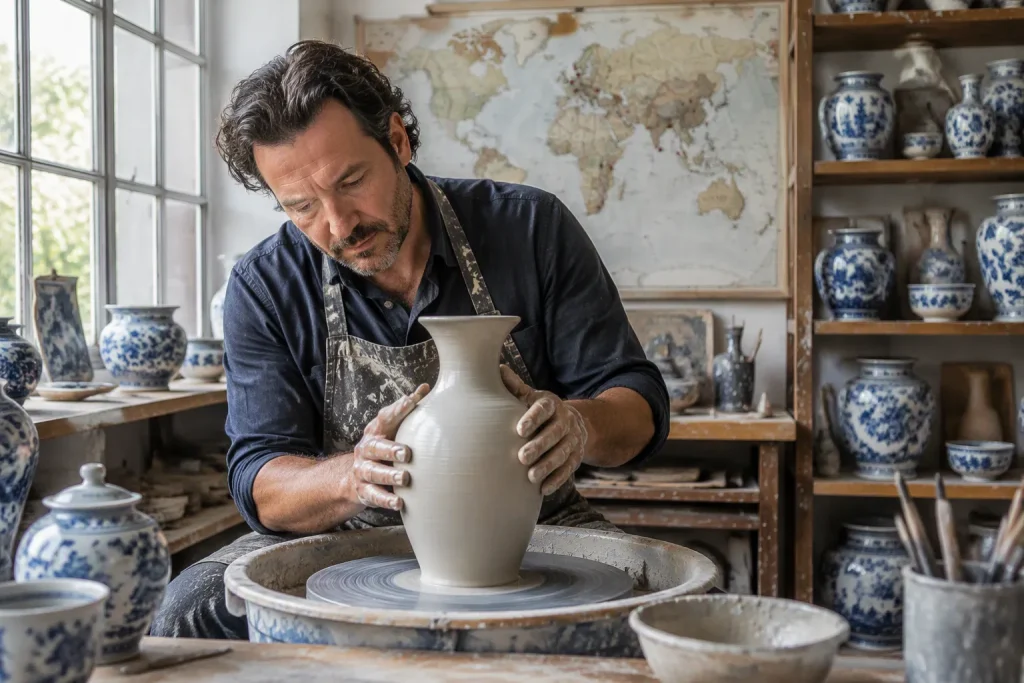
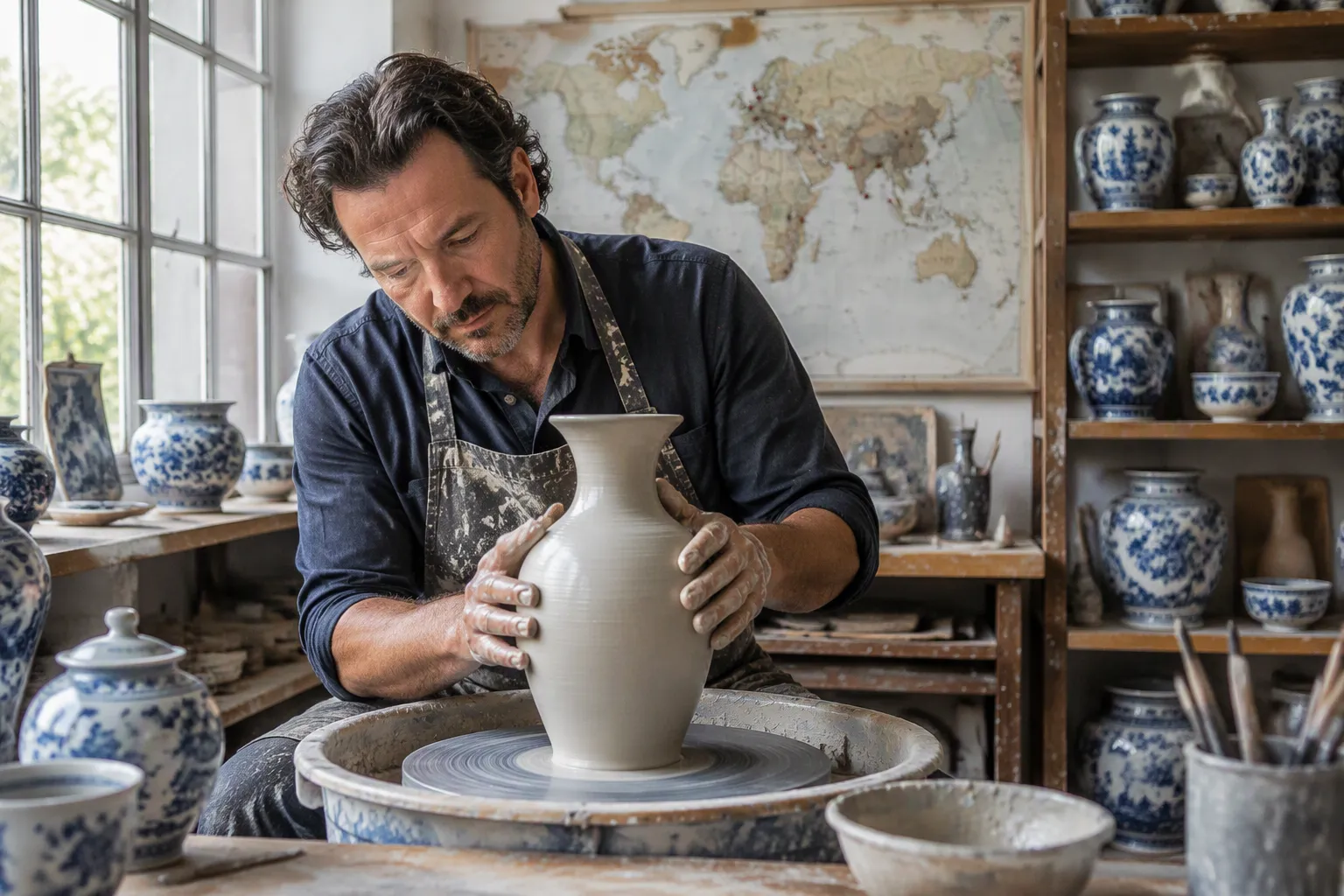
You see a big change happening today. Claye leads the revival of Chinese ceramics around the world. Chinese ceramics once moved along the Silk Road. They shaped European tastes for hundreds of years. Their role in history is deep. Porcelain set beauty standards in royal courts everywhere. Why does this revival of Chinese ceramics matter now? Claye works from Jingdezhen, the old porcelain capital. They connect centuries of tradition with modern art. How did they become the driving force of this movement? You need to look at their special way of working. You will see how they make handmade ceramic cups that honor the past. You get a view into living history. Collectors and fans now find a new chapter for this timeless art.
Key Takeaways
Claye is leading a worldwide comeback of Chinese ceramics by mixing old methods with a modern look.
Claye’s handmade cups and custom designs respect the past and fit what people like today.
More people want modern Chinese ceramics now, and sales are strong with collectors very interested.
The value of ceramic art comes from four things: it must be real, have a known history, show artistic skill, and hold cultural meaning.
Claye uses top-quality Longquan glazes and skilled workmanship, making sure every piece is a smart buy.
Defining Contemporary Ceramic Art
What Sets Modern Chinese Ceramics Apart
You can draw a straight line from old dynasties to today’s studios. Han Dynasty artisans created glazed ceramics. Tang Dynasty potters brought in high-fired porcelain and bright glazes. Song Dynasty makers hit a high point of refinement with soft single-color glazes. These eras built the base for chinese porcelain. Today, modern chinese ceramics break away from Ming and Qing styles. Artists like Ai Weiwei, Ah Xian, and Liu Jianhua reshape tradition to show modern life. They use old methods to explore today’s themes and cultural identity. This change defines contemporary ceramics as a living, growing practice.
Period | Turning Point in Chinese Ceramics |
|---|---|
Han Dynasty (206 BC–220 AD) | Development of glazed ceramics, shifting pottery from purely functional use toward aesthetic contemplation. |
Tang Dynasty (618–907 AD) | Introduction of high-fired porcelain and systematic use of vibrant glazes, making China the preeminent ancient ceramic producer. |
Song Dynasty (960–1279 AD) | Pinnacle of refinement, marked by subtle monochromatic glazes and formal elegance over decorative complexity. |
Contemporary era | Transcultural hybridization driven by global mobility, digital communication, and institutional exchange, moving beyond simple foreign technique adoption toward synthetic approaches that transcend traditional cultural boundaries. |
From Tradition to Innovation
clayesouk bridges old craftsmanship and modern taste from its base in Jingdezhen. The brand makes handmade ceramic cups that honor centuries of skill. Each piece carries the weight of history and the warmth of human touch. clayesouk holds recognition as a national-level ICH productive protection demonstration base. Several of its works have been selected as national gifts. This status shows how modern ceramic art in china can earn official and cultural respect.
The brand’s artisans bring over a decade of experience to every cup. They mix traditional techniques with modern aesthetics. You see this in their Handmade Ceramic Master Cup and Hand-Painted Blue and White Porcelain Tea Cups. These items serve as real works of art. They also offer custom ceramic design services for personalized patterns, glazes, shapes, and sizes. This approach keeps modern ceramic art in china fresh and relevant. It also shows how contemporary ceramic arts can grow through innovation. The studio constantly tests new glaze formulas and adds fashion elements. This commitment to both heritage and novelty defines their contribution to ceramic art. Their work proves that modern ceramic art can honor the past while embracing the future. For collectors, this means each piece tells a story of continuity and change. The revival of chinese ceramics finds a strong voice in such dedicated craftsmanship. You can see why longquan celadon traditions and other classic styles inspire new generations. The longquan legacy of jade-like glazes, the longquan focus on form, and the longquan dedication to purity all echo in clayesouk’s philosophy. This is how contemporary ceramic art moves forward.
The Revival of Chinese Ceramics in Global Markets
Statistics Behind the Surging Demand
You can follow the current comeback of chinese ceramics by looking at real numbers. China’s pottery ceramics market is projected to grow at a CAGR of 5.9% from 2025 to 2035. This is the highest growth rate among key countries. These numbers show a clear pattern. Buyers want Chinese porcelain once again.
This trend matches history. From the 16th to the 19th centuries, Chinese porcelain shipped to Europe in huge amounts. British collectors started something called Chinamania. They wanted blue-and-white porcelain more than anything else. This need shaped Western tastes for many generations. Today, you see a similar hunger. The rise in collecting modern chinese porcelain shows this deep cultural pull. The global and national art market now treats modern chinese ceramics as serious investments. Auction houses report strong prices for contemporary works. Collectors who once chased old pieces now look for living artists. This change drives the revival of chinese ceramics across continents.
How Claye Capitalized on Market Momentum
clayesouk placed itself perfectly to serve this growing demand. The brand works from Jingdezhen, the historic center of chinese porcelain production. This location gives them direct access to centuries of knowledge. Their artisans bring over ten years of experience to every piece.
You will find clayesouk products in several key markets. European and American home decor fans buy their handmade ceramic cups. Premium gift buyers pick their pieces for important events. Boutique store owners stock their collections for careful customers. Each group values different things. Home decor fans want beauty for daily life. Gift buyers need cultural meaning. Store owners look for items with a strong story. clayesouk delivers on all fronts.
The brand’s approach to modern ceramic art in china makes them stand out. They mix traditional techniques with modern style. Their Handmade Ceramic Master Cup shows this balance. The Hand-Painted Blue and White Porcelain Tea Cups honor classic designs while feeling new. Custom ceramic design services let clients change patterns, glazes, shapes, and sizes. This flexibility captures the spirit of modern ceramic art. It also drives demand for modern porcelain among buyers who want something personal.
The longquan tradition of jade-like glazes shapes their work. The longquan focus on pure forms guides their shapes. The longquan commitment to quality matches their standards. The longquan heritage lives on through their craftsmanship. This link to history gives buyers confidence. They know each piece carries real cultural weight.
You can see how collecting chinese ceramics has changed. Modern ceramic art now competes with antiques for attention. The chinese art market shows this change. Modern chinese ceramics draw new buyers every year. The global art market rewards this innovation. clayesouk proves that modern ceramic art in china can succeed in business. Their success shows how chinese ceramics as a collectible can grow in value. The revival of chinese ceramics gains strength from such dedicated brands. They understand both heritage and modern taste. This understanding drives their market success.
Contemporary Ceramic Art of China: Key Artists and Works
Modern Masters Reshaping the Market
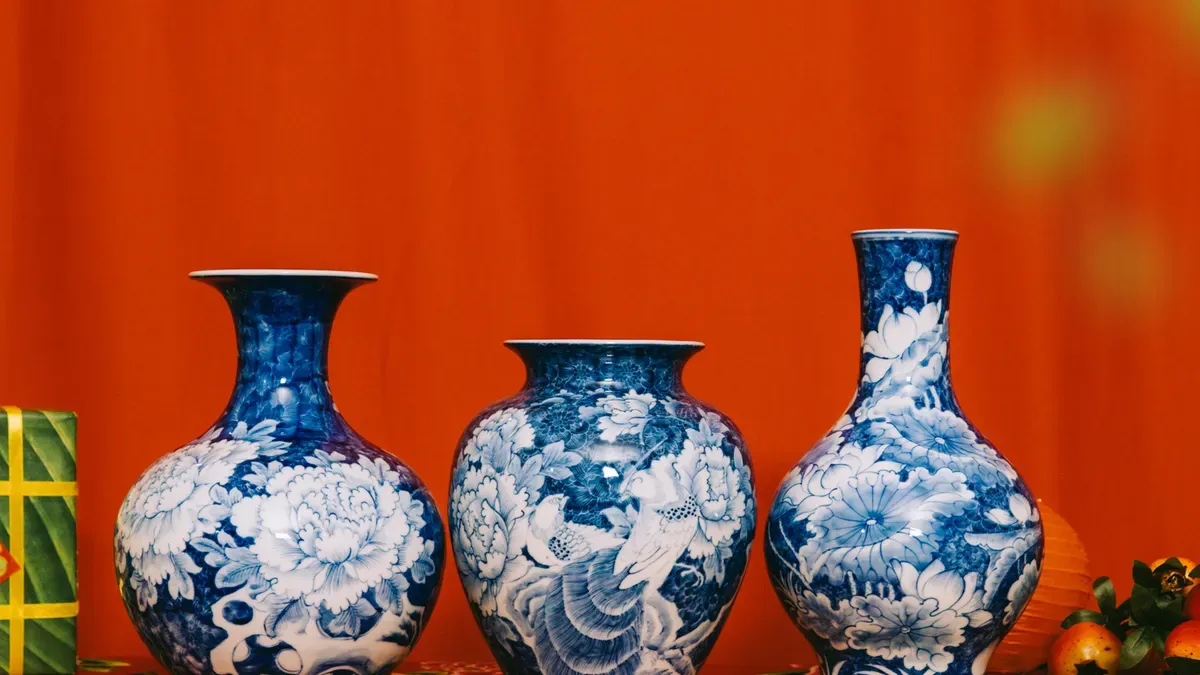
You can find high-value modern ceramic art in china by checking certain features. Collectors and investors want works that show new ideas in how they are made. Artists mix tradition with today’s styles. This blend makes their ceramic art worth more. The market responds well. Both collectors and investors go after these pieces. The lasting artistic value of ceramic art comes from history, skilled work, and artistic talent. This helps the art hold strong value over time. Famous modern artists like He Chaozong, Qiu Han, Li Renping, and Zhang Shouzhi show these desired features. Their works define the contemporary ceramic art of china today.
Defining Feature | Supporting Detail |
|---|---|
Innovation in creation | Modern ceramic masters are known for new creations that make their works wanted by collectors and investors. |
Blending tradition with contemporary aesthetics | Artists mix old techniques with modern styles, which raises the value of their ceramic art even more. |
Market traction and investment appeal | Modern ceramic masters’ works are getting strong market attention and are sought by both collectors and investors. |
Enduring artistic value | Ceramic art holds history, fine skill, and artistic mastery, which supports strong long-term value growth. |
Recognition of specific artists | Named modern artists such as He Chaozong, Qiu Han, Li Renping, and Zhang Shouzhi are clear examples of these desired features. |
Auction results back this up. Ming and Qing porcelains still bring high prices. A Ru ware brush washer sold for $37.7 million. This number shows how much buyers will pay for rare pieces. The rise in collecting modern chinese porcelain follows this trend. You see strong demand for contemporary ceramics that carry historical weight.
Longquan Celadon and Claye’s Signature Pieces
Longquan celadon ceramics hold a special spot in this story. Longquan was one of the best Chinese celadons. It led the way in style and technique. The glaze colors are mostly olive-green. They also include sought-after greenish blues and browns. The body ranges from heavy grey stoneware to nearly white porcellaneous material. Where it is unglazed, it fires to a unique terracotta reddish brown. This key feature sets it apart from Northern Celadons. Early shapes were simple to highlight the glaze. Later periods added raised decoration.
The Song dynasty marks the peak of skill and art for Longquan celadon. The glaze is thick and shiny. Colors go from pale grey-green to deeper blue-green. The glaze pools darker in carved areas. The body is grey stoneware, seen at the unglazed foot rim. Small spur marks from kiln supports show up there. The glaze surface has a waxy, semi-matte feel. This feel is different from later copies. Rarity and age add to high collector value. Song or Yuan Longquan celadon pieces range from £3,000 to £50,000 or more. Outstanding museum-quality examples go beyond £50,000.
The revival of longquan ceramics finds a strong voice in clayesouk. The brand honors the chinese longquan ceramics tradition. Their artisans study song dynasty longquan shards to learn old glazes. They respect traditional longquan forms. The longquan ceramics tradition of jade-like glazes shapes their work. The longquan focus on pure forms guides their shapes. The longquan commitment to quality matches their standards. The longquan heritage lives on through their craftsmanship. This link to history gives buyers confidence.
clayesouk offers signature pieces that carry this legacy. The Handmade Ceramic Master Cup shows this balance. The Hand-Painted Blue and White Porcelain Tea Cups honor classic designs while feeling new. Custom ceramic design services let clients change patterns, glazes, shapes, and sizes. Their artisans bring over a decade of experience to every piece. They create each cup as a real work of art. This approach keeps modern ceramic art in china fresh and relevant. It also shows how modern ceramic art can grow through innovation. For collectors, this means each piece tells a story of continuity and change.
Value Criteria in the Modern Ceramic Market
Authenticity, Provenance, and Artistic Merit
You need clear rules to judge any piece of modern Chinese ceramics. Four standards matter most. Authenticity proves the piece is real. Provenance shows where it came from. Artistic merit measures skill and vision. Cultural significance links the work to history. These four pillars support the artistic value of modern Chinese ceramics.
Provenance records carry different weights. You should know which ones hold up under scrutiny:
Publication and exhibition history: A printed image in an old catalog proves the object existed at a certain date.
Old auction records: Sale catalogs with lot numbers can be checked against the object.
Dealer and collection labels: Tags on the base have information you can verify in archives.
Family stories and unsupported certificates: This is the weakest proof, only helpful if backed by documents.
You must get claims in writing with specific names and dates. Check auction claims against catalogs. Look at physical evidence on the object. Keep your own records perfect.
Clayesouk’s Role in Setting New Standards
clayesouk combines old techniques with modern style. The brand always tries new glaze formulas and adds fashion elements. This approach raises the artistic value of modern Chinese ceramics. Their artisans study longquan shards to learn old glazes. They respect longquan forms. The longquan tradition of jade-like glazes shapes their work. Their commitment to quality matches longquan standards.
The brand offers full after-sales support. Products meet international quality standards. These factors boost value for collectors. The demand for modern porcelain grows as buyers trust reliable sources. clayesouk shows that modern ceramic art can succeed in business. Their success proves Chinese ceramics as collectibles can gain value. The revival of Chinese ceramics gets strength from such dedicated brands. They understand both heritage and modern taste. That understanding drives their market success. For collectors, each piece tells a story of continuity and change. The modern ceramic art movement finds a strong voice in such craftsmanship. You can see why contemporary ceramics draw new buyers every year.
Now you know the standards that drive demand. The most important things are authenticity, provenance, artistic value, and cultural meaning. Claye set these standards by using longquan glazes, longquan shapes, and longquan quality. Their work brings modern ceramic art to a new level. The revival of Chinese ceramics gets faster each year. China’s pottery ceramics market will grow by 5.9% each year from 2025 to 2035. This growth shows strong forward movement.
The global art market will keep changing. Claye leads with a longquan dedication and a vision for modern ceramic art. The Chinese art market and the global and national art markets reward this path. You should think about what this means. The revival of Chinese ceramics preserves heritage. It also brings Chinese ceramics to new collectors. Modern ceramic art links the past and the future. Claye is at the heart of this change.
FAQ
What makes modern Chinese ceramics different from antique porcelain?
You see a mix of old and new. Modern pieces use old methods like longquan glazes. These designs come with a fresh look. This makes modern ceramic art feel both timeless and current.
How does Claye ensure the quality of its handmade cups?
Artisans bring over ten years of skill to each cup. The brand has national-level ICH status. Modern ceramic art needs this focus on quality. You get a piece you can trust to be reliable.
Why does Claye focus on longquan celadon traditions?
Longquan celadon is a high point in ceramic history. The jade-like glazes and simple forms guide Claye designs. You see this heritage in every cup. Understanding Chinese ceramics starts with understanding longquan.
Can you customize a ceramic piece for your home or business?
Yes, you can change patterns, glazes, shapes, and sizes. This choice lets modern ceramic art fit your own taste. Artisans make each order unique while keeping traditional quality.
Why are contemporary Chinese ceramics gaining value in the global market?
Collectors value the mix of history and new ideas. Modern ceramic art offers cultural depth and fresh design. China’s pottery ceramics market is projected to grow at a CAGR of 5.9% from 2025 to 2035. The longquan heritage adds trust and lasting value.
