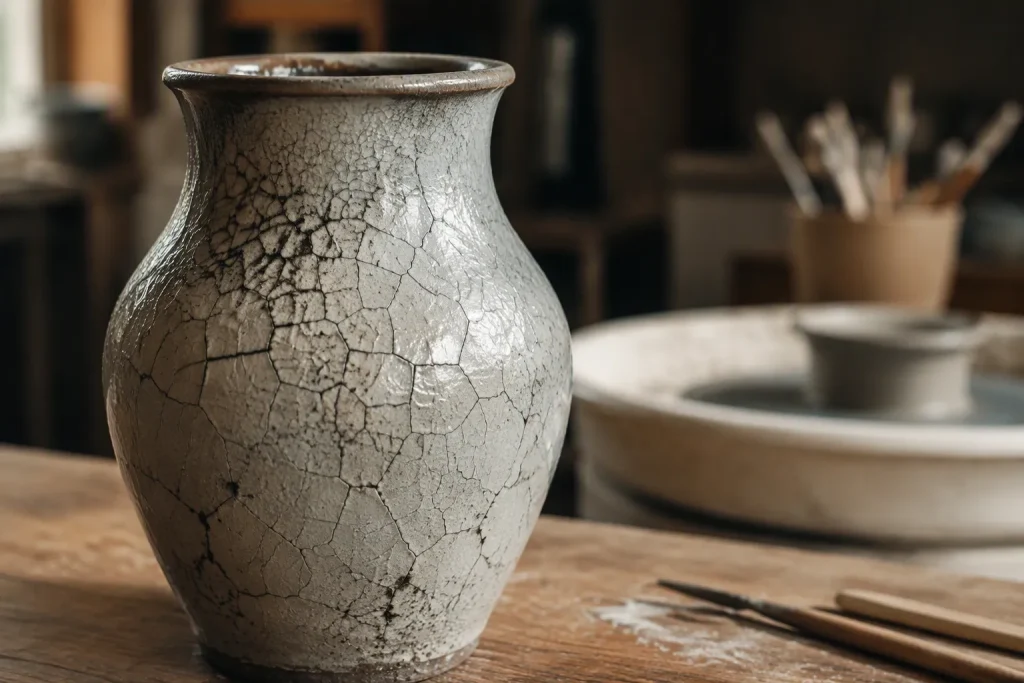
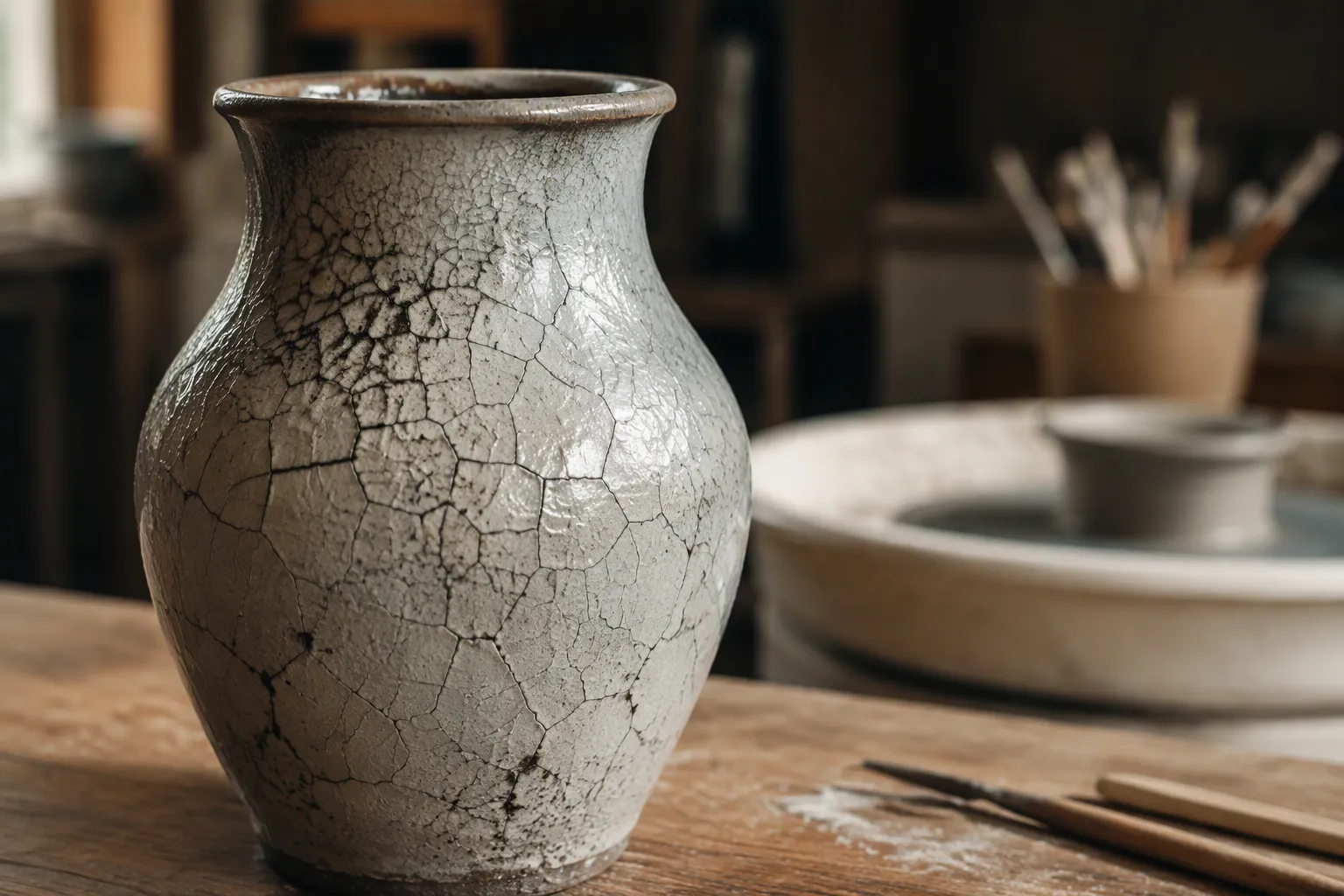
You have seen it before: fine lines spread across a finished pot. The cause is simple enough. The glaze layer shrinks more than the clay body during cooling. This mismatch in thermal expansion decides the outcome.
That alone explains why some glazes crack, and it frames your choice. Crazing can be an unwanted defect. It can also be the intentional crackle look that fine ceramics celebrate. CLAYE, working from Jingdezhen, will guide you through the science in plain, practical, everyday terms. You will learn to read the cracking on a pot and decide whether to adjust the glaze or embrace it.
Key Takeaways
Glaze cracks when it shrinks more than the clay body does as it cools.
Crazing can be a flaw, or it can be a lovely crackle effect you make on purpose.
Check the glaze fit to see if crazing is safe for dishes you use.
Change the glaze materials to control cracking and match expansion.
CLAYE’s know-how helps you make crazing a design choice.
Why Some Glazes Crack: The Science of Crazing
When Glaze and Clay Disagree
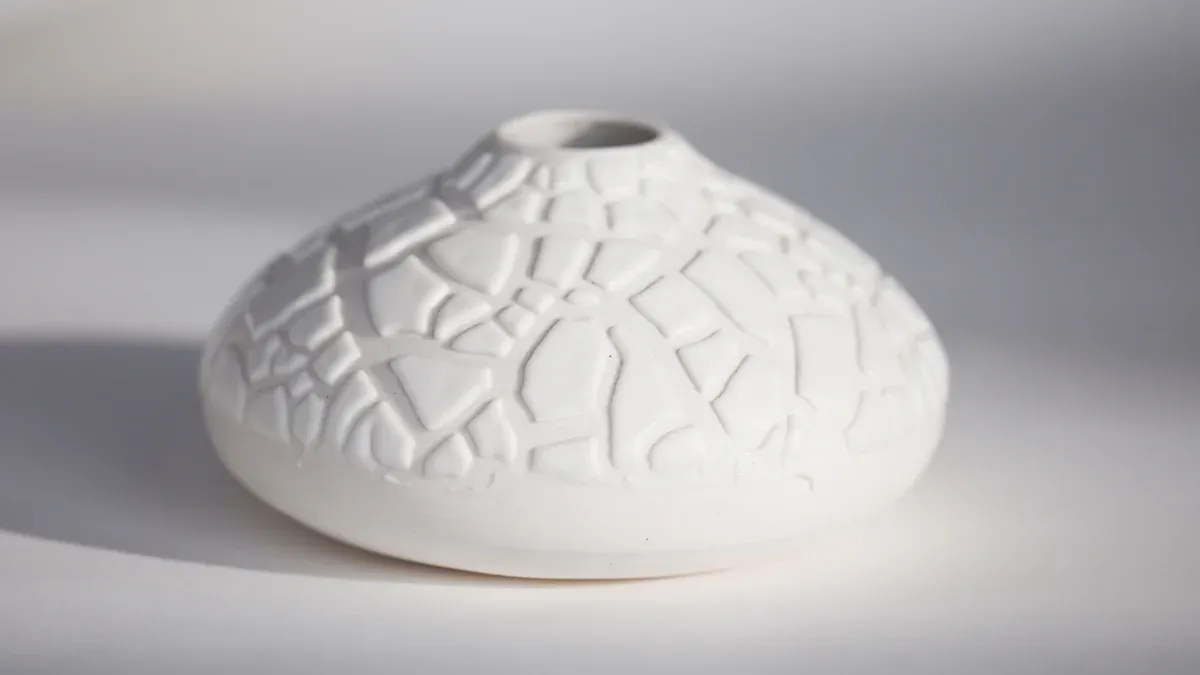
A fully melted glaze sticks to the clay body. The two become one layered system. Crazing is just a crack that forms in that bonded layer. The glaze pulls away from the body, and a fine line opens across the surface.
You cannot fix this mismatch by changing your water or mixing the bucket differently. The incompatibility lives in the materials themselves. During cooling, the glaze shrinks more than the body. The body keeps its size, and the glaze has nowhere to go. Tension builds until the surface gives way.
This is the short answer to why some glazes crack. The longer answer involves expansion, the measured change in size as a material heats and cools. Almost every fired ceramic object expands when heated and contracts when cooled. Functional ware is a two-part system. The body and the glaze have independent expansion characteristics, yet the glaze is fixed to the body and must conform to its size changes. Stress builds in what potters call the glaze-body marriage.
Thermal Expansion and the Glaze Fit
Thermal expansion is the expansion that clays, clay bodies and glazes undergo when exposed to heat in the kiln. Rising temperature increases molecular vibration, so the materials expand. Cooling reverses the process.
Thermal expansion refers to the expansion that clays, clay bodies and glazes undergo when exposed to heat in the kiln. This occurs because rising temperature increases molecular vibration, causing the materials to expand; during cooling they contract. Understanding this is fundamental to avoiding structural defects, since a mismatch between the glaze’s and body’s coefficients of thermal expansion creates internal stresses that can cause cracking, spalling, or fracture.
A fired glaze is a glass, not a crystal. Its expansion is a theoretical product of the oxides in its chemistry. Each recipe material contributes one or more oxides, and the same oxide can come from several materials. So you calculate expansion additively from the percentage of each oxide. Expansion is a formula-level property, not a material-level one.
Glaze fit describes how well the two layers agree. You measure it by comparing the coefficient of expansion of the glaze and the clay body, keeping the temperature scale consistent for both. A good fit means the CTE values are closely matched. A slight mismatch with a lower glaze CTE puts the glaze in compression, and roughly 15% compression can strengthen the ware. When the glaze CTE is higher, the glaze sits in tension and ceramics crazing begins. Excessive compression causes shivering instead.
Point | Explanation |
|---|---|
Glaze expansion vs. body expansion | In crazing scenarios the glaze generally has a higher thermal expansion than the clay body, so on cooling the glaze is left under tension and cracks (crazes). |
Direction of mismatch matters | If the body’s expansion is somewhat higher than the glaze’s over the relevant range, the glaze is placed under greater compression and may fit better; too much mismatch in the opposite direction risks shivering or body failure. |
High-expansion glaze chemistry | Feldspar-rich glazes (high K2O/Na2O) inherit high thermal expansion; they often only work because the body also has sufficiently high expansion, frequently aided by residual quartz. |
Practical example | A clear cone-6 glaze crazed on a body with only 17% silica but fit a body with 24% silica; adding silica to the glaze lowered its calculated expansion only slightly (6.0 to 5.9), not enough to stop crazing. |
CTE is not the whole story | Glaze/body stress also depends on glaze stiffness, thickness, body stiffness, geometry, and the temperature at which the glaze becomes rigid during cooling. |
Typical CTE values run about 7×10⁻⁶ per inch per °F for fired stoneware and about 6×10⁻⁶ for porcelain. No single numeric range defines a good fit, though. Visual inspection cannot reveal whether a glaze is strengthening or weakening ware. A Modulus of Rupture test measures the force needed to break a bar at its midpoint. Tests showed up to a fourfold variation in ware strength across glaze expansions that produced no visible crazing or shivering. Harmonizing calculated expansions is not a valid shortcut, because calculated expansion never equals measured expansion.
Why Crazing Adds Beauty to Glazes
The Timeless Appeal of Crackle
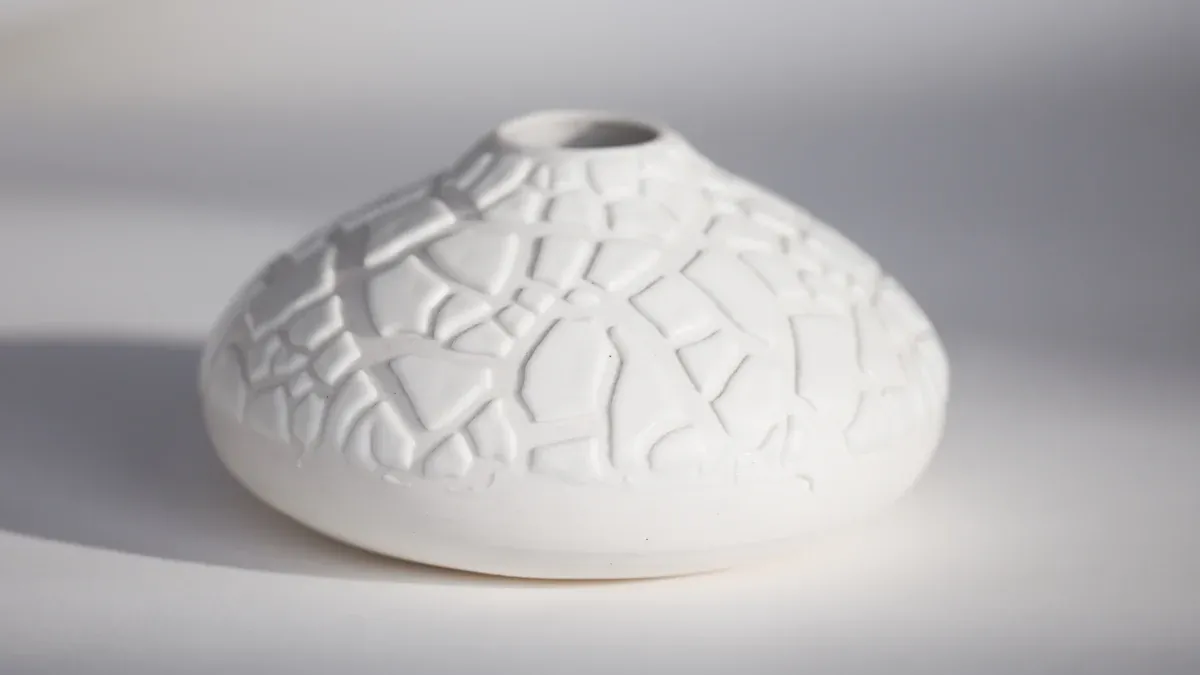
Crackle turns a technical mismatch into a visual language. Potters have valued this effect for hundreds of years. Intentional crackle glazing comes from old Chinese traditions, especially the famous Song Dynasty celadon wares. Makers liked crackle for its beauty, depth, and one-of-a-kind patterns. They did not see it as a flaw.
Some potters purposely stained the lines to make the effect stand out.
Collectors liked how ink or tea soaked into the crackle lines over time, making them darker and adding depth.
This practice became known as “filling the crackle.”
Crackle became a sign of good taste rather than a mistake.
The interest in crackle glaze goes back to the Song Dynasty and the famous Ge Ware. Legend says two brothers ran kilns in Longquan. The older brother accidentally made a batch where clay and glaze cooled at different rates, leaving the pot covered in cracks. Instead of throwing it away, he saw it looked like cracked ice on a frozen lake, and it became a hit with the emperor. The most famous Ge Ware style is “Gold Wire and Iron Thread,” where big cracks are stained dark while finer cracks turn golden-brown over time.
Modern potters still try to get this look. Snowflake crackle glazes are mostly nepheline syenite, a high-expansion material that supplies sodium oxide. Glazes with 50% or more feldspar or nepheline syenite are likely to craze. You control how much crackle you get by changing the KNaO-sourcing materials in the recipe. Raise KNaO, and the crack lines sit closer together. Lower it, and the pattern opens up. These glazes also need thick application, between 1/8 and 1/4 inch, to develop the full pattern.
Designing Cracking on Purpose with CLAYE
You can plan a crackle finish instead of hoping for one. Mix the glaze so it shrinks more than the clay body. This gives you intentional crazing on your terms. Cool the fired piece quickly to create a dramatic crackle network. Apply ink or pigment to the crackle lines to make the pattern stand out.
Intentional crackle glazing is a decorative technique where fine, web-like lines are purposely created in the glaze by controlling how the clay and glaze cool during firing.
CLAYE brings this tradition within reach. The brand works from Jingdezhen, a city with a long ceramic history. Its artisans have more than a decade of hands-on experience with glazes and firing. CLAYE’s custom glaze design services let you adjust patterns, glazes, shapes, and sizes to match your vision. You can explore crackle effects with help from makers who understand how these glazes act in the kiln.
Telling Good Crazing from Bad
When Cracking Signals a Real Problem
A crackle pattern on a decorative vase is one thing. The same pattern on a mug you drink from is another. The difference comes down to the clay body. A fully vitrified body absorbs almost no water, so fine lines stay on the surface. A porous body lets liquid travel through the cracks and into the wall of the pot.
Watch for these warning signs on any crazed piece you plan to use:
Visible cracks, chips, or discoloration on the surface
Water seeping from the base or pooling under the pot
A liquid level that drops without a visible cause
Odors from moisture trapped in the cracks
Crazing is mostly cosmetic on a well-fired body. It can still trap dirt and bacteria, and that makes cleaning difficult. Sanitation becomes a genuine concern for food use. Visible leaking is your early warning sign of a real structural problem. Treat a crack at or below the liquid line as high risk, and retire that piece from daily use.
Testing for Glaze Fit
You can judge glaze fit without a laboratory. Start with a simple observation test. Fire a sample tile with your glaze over your clay body. Note the crack pattern right after the kiln cools. Then watch it over the following weeks. Lines that appear at once and stay stable suggest a mild mismatch. Lines that keep spreading point to a glaze under real tension.
A second test uses the pot itself. Fill a crazed cup with water and set it on a dry paper towel. Check the towel after a day. A damp ring tells you the body is not vitrified. You can also compare crack depth by eye under strong light. Deep lines that catch a fingernail differ from surface haze.
These checks help you avoid crazing in functional ware. They also show when you can safely keep the effect. If you want to reduce or eliminate crazing, adjust the glaze chemistry or switch to a more vitrified clay body. Test again, and let the results guide you.
Powdering, Cracking and Settling Glazes: Control and Prevention
Adjusting Glaze and Clay to Match
You can stop powdering, cracking and settling glazes when you make the recipe. The goal is to lower the coefficient of expansion of the glaze. That way it shrinks less when it cools. Glaze chemistry gives you several levers. Add more silica, use less feldspar, and cut back on potash or soda materials. You can also raise boric oxide or alumina. For low-temperature clay bodies, add more talc. Each change lowers expansion while you try to keep the maturing temperature and look the same.
Clay content matters too. Too much clay in a glaze causes too much shrinkage during drying. That stress leads to cracks during drying and crawling after firing. A glaze with little clay hardly shrinks, yet it dusts off too much and may develop micro-cracks. Balance the clay body and the glaze together, then test. CLAYE’s commitment to innovating glaze formulas and traditional techniques offers a model for this careful, step-by-step development.
Application Tips to Prevent Cracking
Application controls whether a shrinking and cracking glaze survives the bucket and the kiln. Start with a thinner layer so shrinkage forces cannot overcome the glaze-body bond. Reduce the water content when you need a thick coat. Deflocculate the glaze with sodium silicate or Darvan, or gel it slightly with vinegar or Epsom salts so it stays put. Preheat the bisque moderately and avoid force-drying, which can crack the glaze as it dries.
For double-layer work, make the second layer thinner, lower in clay, and quick to dry. Avoid a flocculated second layer that rewets the first. Never spray in a way that repeatedly dries and rewets the bond. Handle ware gently. These habits keep a cracking and shrinking glaze from turning into a powdering glaze that cracks off the bisque. With steady testing, you can reduce or eliminate crazing and keep your glazes sound.
Crazing comes down to two things: glaze-to-clay fit and thermal expansion. That is the whole answer to why some glazes crack. You now know the difference between a flaw to fix and a beauty to celebrate.
Treat crazing as a design decision. Test your glaze fit, watch the results over time, and choose on purpose. You can prevent the lines or embrace them.
CLAYE stands beside you from Jingdezhen, where artisans have read these patterns for centuries. Experiment with confidence. Your next glaze can crack exactly the way you intend.
FAQ
What causes crazing on a fired pot?
The root reason why some glazes crack is a mismatch in thermal expansion. The glaze contracts more than the clay body during cooling. Tension builds in the bonded layer until fine lines open across the surface.
Can a crazed glaze make a pot unsafe to use?
Yes, sometimes. A crazed glaze on a porous body lets liquid pass into the wall. Cracks can also hold dirt and bacteria. Check for leaking with a paper towel test. Retire any piece that seeps at or below the liquid line.
How do I create crackle on purpose?
Mix a glaze that shrinks more than the clay body. Cool the piece quickly after firing. Apply ink to the lines to make them stand out. Snowflake crackle glazes rely on high nepheline syenite content, and thick application helps the pattern develop.
Which glaze materials raise the risk of crazing?
High-expansion materials do. Feldspar and nepheline syenite supply sodium and potassium oxides. Glazes rich in these materials craze easily. Raise them and the crack lines sit closer together.
Why does too much clay in a glaze cause problems?
Excess clay makes the glaze shrink hard during drying. That stress opens cracks in the glaze, and the cracks become crawling after firing. Glazes with little clay dust off easily and may form micro-cracks. Balance the recipe and test it.