You lift a new mug by the handle, and it tilts toward one side. That little wobble can feel surprising at first. Here is the good news: this is normal, and it is not a defect. Handmade cups pick up small differences in clay thickness, glaze pooling, and handle mass as they take shape. Each one adds a bit of weight to a single spot. So why handmade cups are heavier on one side comes down to the maker’s hands, not a mistake. Your cup stays safe and fully usable. You just need a small shift in how you hold it, and we will show you how.
Key Takeaways
Handmade cups vary in weight because clay and glaze are applied by hand, not by machines.
A heavier side does not make the cup unsafe; it still sits flat and works perfectly.
You can adjust your grip by turning the heavy side toward your palm for better balance.
Each cup’s small imperfections are marks of the maker’s hand and add unique character.
If a cup wobbles or tips on its own, contact the maker for a replacement.
Why Handmade Cups Are Heavier on One Side
Clay and Glaze Distribution
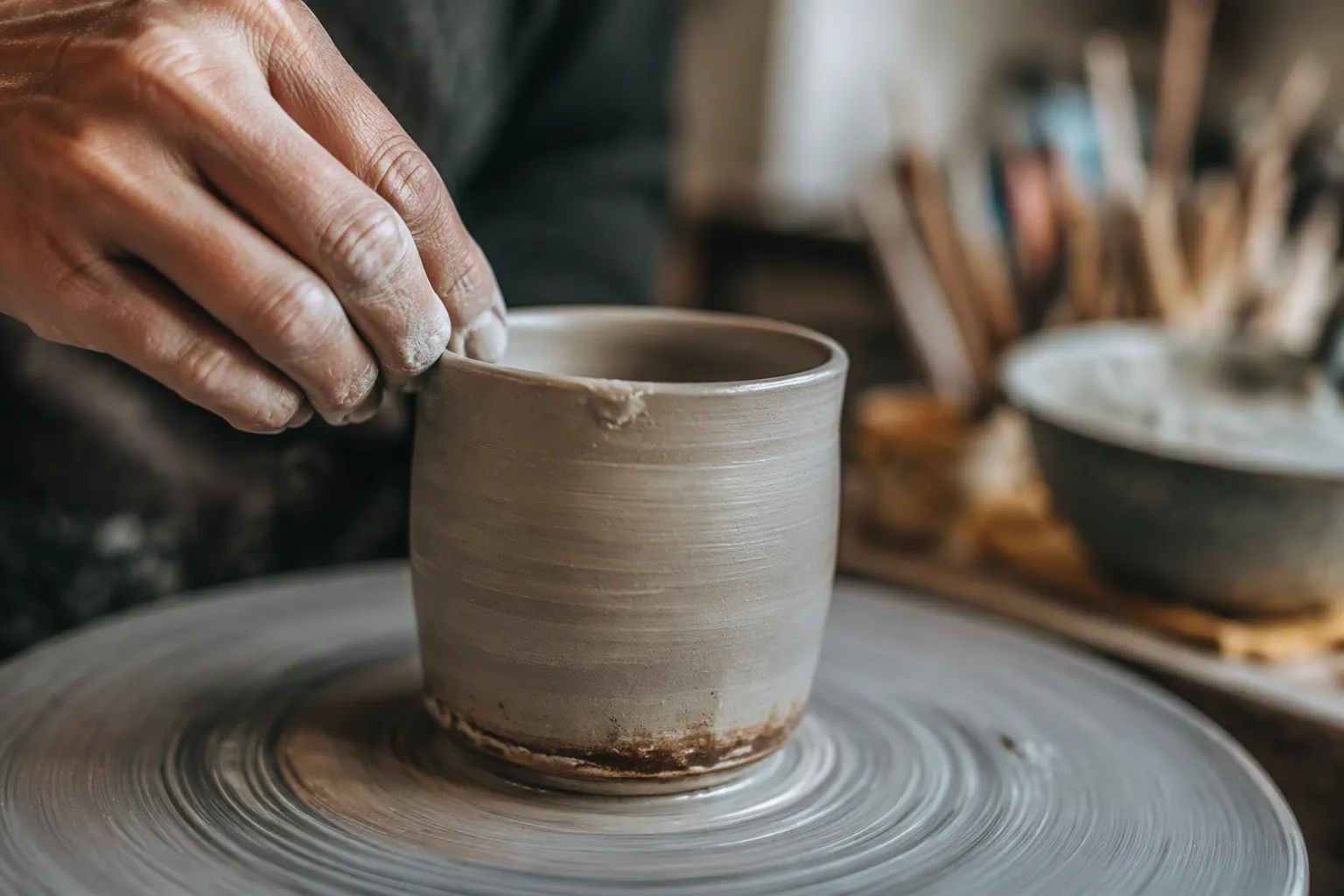
Picture a potter at the wheel. They press a lump of wheel thrown clay into a spinning form. Their fingers shape the walls, and those walls rarely come out perfectly even. One side may end up a touch thicker than the other. That extra clay carries real mass, so the cup leans toward it when you pick it up.
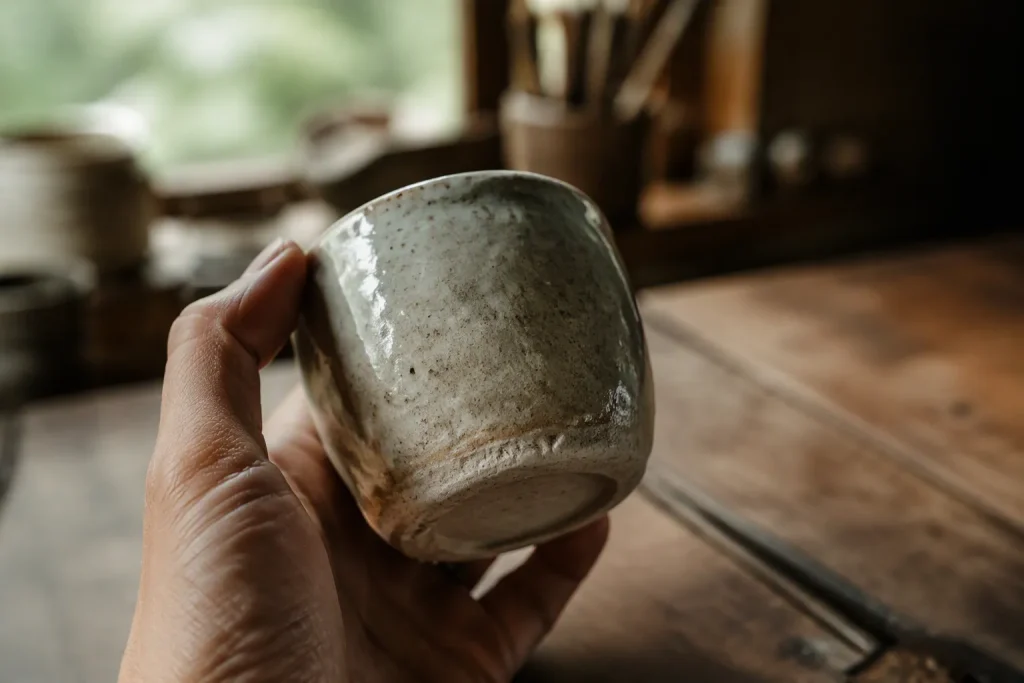
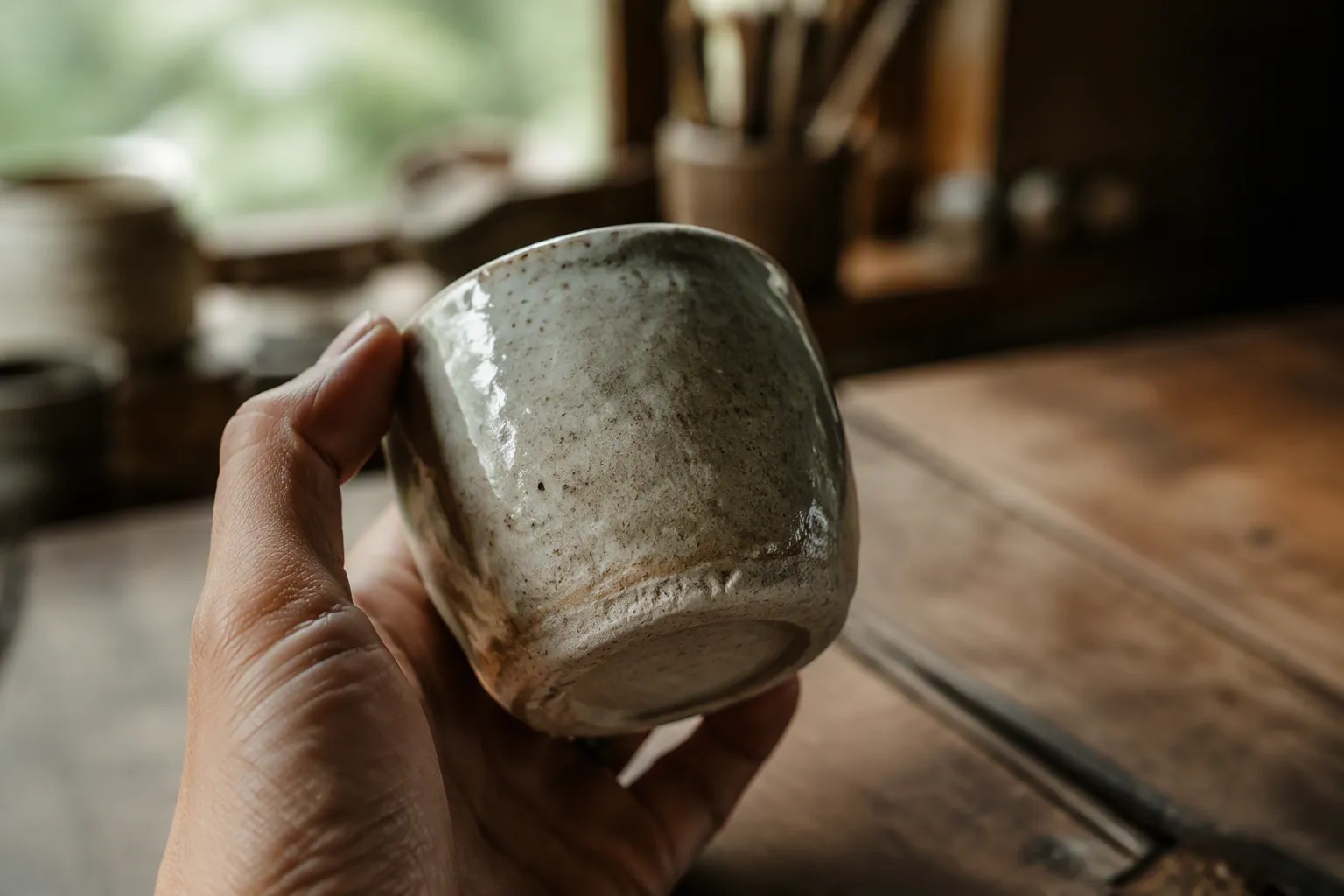
Glaze adds another layer to the story. During firing, glaze melts and flows. It pools in low spots and gathers where the wall dips. A slightly thicker patch of glaze on one side adds a small amount of weight. You may not see it, but your wrist feels it. This is one reason why handmade cups are heavier on one side, and it starts right at the wheel.
The Handle’s Hidden Weight
Now think about the handle. A handle adds mass to one side by design. A larger handle pulls harder on the rim as the cup dries. That pull can nudge the rim out of true, and the cup ends up a little lopsided. Handles on mugs do more than look good. They change how the whole piece carries its weight.
Here is where a balanced handle earns its keep. A two-finger loop reduces wrist torque, so the mug feels lighter in your hand. The loop spreads the load across your fingers instead of one pressure point. That small design choice makes a big difference in daily use.
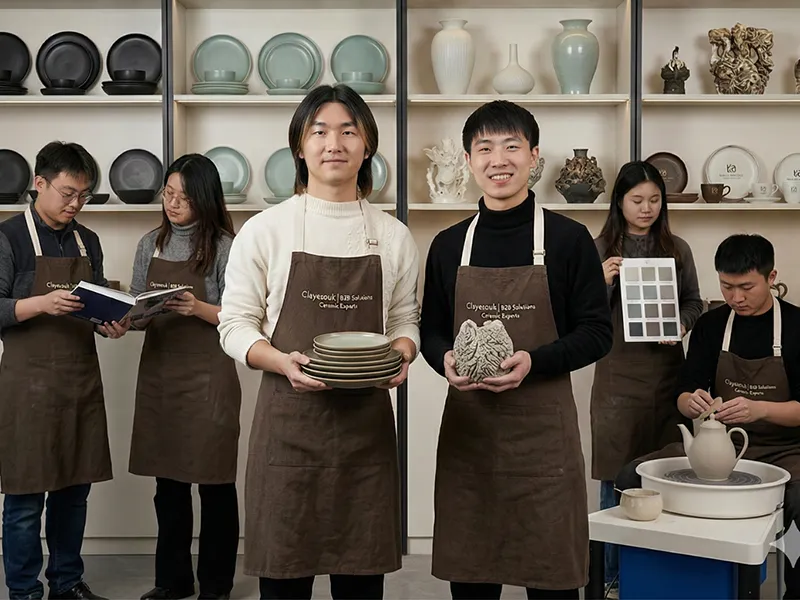
Decoration can shift things too. A potter may place a pattern on one side so a right-handed drinker sees it while sipping. That decoration sits on one face of the cup. It adds a subtle pull toward that side. None of this happens by accident. The artisans at clayesouk in Jingdezhen bring over a decade of experience to each cup. They shape every piece by hand, and their craftsmanship shows in these small, human variations. Each handcrafted mug carries the mark of that process.
Why Handmade Pottery Mugs Still Work

Function and Safety Stay Intact
You might wonder if that slight lean means your cup is unstable. It does not. Uneven weight does not affect safety, stability, or your drinking experience. The base still sits flat on the table. The rim still meets your lips cleanly. You can fill it, carry it, and wash it just like any other mug. The imbalance lives in the walls, not in the footprint, so the cup will not tip over on its own. A slightly heavier side can even help you find a natural grip. Your fingers learn the cup within a few uses.
Heat retention is another quiet benefit. Handmade pottery mugs often carry thicker walls than thin mass-produced cups. That extra mass holds warmth longer, so your coffee stays hot through a slow morning. You can pre-warm the cup with hot water, and the thick walls will hold that heat even longer. The table below shows the difference in plain terms.
Difference | Mass-Produced Mug | Handmade Mug |
|---|---|---|
Weight (8oz) | 220–260g | 320–380g |
Wall Thickness | 0.3cm uniform | 0.4–0.6cm variable |
Firing Temp & Absorption | 1800°F · 5–10% absorb | 2200°F+ · <0.5% absorb |
Those thicker clay walls and the higher firing temperature give handmade stoneware a dense, solid feel. The low absorption means the cup resists staining and moisture over time. A mass-produced mug fired at 1800°F absorbs more water, and that can dull the surface faster. Neither cup is unsafe. They simply age in different ways. The rim thickness varies slightly around the circle, and many drinkers find that variation comfortable against the lip. You get a cup that feels made for a person, not a production line.
The Handmade Difference
Mass-produced mugs come from molds. A mold produces identical output, cup after cup. That consistency suits plenty of kitchens, and there is nothing wrong with it. Handmade cups work differently. A potter shapes, glazes, and fires each one by hand. Every curve, texture, and brushstroke reflects the artist’s touch.
You can spot the signs once you know them. A perfectly round brim usually points to machine production, while a human potter forms one imperfectly. Subtle spiral rings appear on the inside and outside surfaces of wheel-thrown cups. The trimmed foot shows tool-finishing rather than mold release. The handle attachment tells a story too. Molded versions join the body in one piece, while handmade ones are slip-joined and fired twice. That extra step builds a stronger bond and a more personal line where handle meets wall. No two handmade cups match exactly in shape or glaze. That variation is natural, not error. A small stamp or signature from the maker may sit on the base. Glaze color shifts across the surface and responds to light in a way flat, uniform glaze cannot.
These details add up to genuine craftsmanship you can hold. The artisans at clayesouk shape each ceramic cup in Jingdezhen, and their decade-plus of experience shows in every piece. A cup that feels sturdy yet balanced in your hand carries authentic handmade pottery value. That is the craftsmanship difference, and it is a feature worth celebrating. You hold a piece of pottery mugs history in your daily routine, and that connection makes the first sip a little better.
Authentic Handmade Pottery Adds Character
Proof of the Maker’s Hand
That small lean in your cup is like a signature. A potter’s fingers press, lift, and shape the clay, and those moves leave marks behind. You can see throwing rings as circles of lines on the surface. Trimming marks twist across the foot. A finger print may sit near the rim. These marks show a person at work, and they make each piece unique.
Glaze tells the same story. Hand-dipped glaze is not the same thickness everywhere, so color changes across the surface. Celadon shifts from pale to deep where glaze pools. Tenmoku turns amber over the edges. A machine cannot copy that depth. This small variation is exactly what makes authentic handmade pottery worth holding.
Real Handmade Pottery vs. Perfect Copies
Mass-produced copies try for perfect repetition. Real handmade pottery has small differences instead. Items in a set look like siblings, not clones. A rim may wobble a little. A handle may sit a touch off-center. These natural variations show a human made the piece, and they add character you can feel.
Marker | Handmade Pottery | Mass-Produced Pottery |
|---|---|---|
Uniqueness | One-of-a-kind pieces | Identical copies |
Surface | Tool marks and finger presses | Uniform, polished finish |
Glaze | Varies with hand-dipping | Flat, even color |
Maker’s mark | Often signed on the base | No individual input |
True handmade pottery also carries the maker’s touch in ways factories cannot match. No two hands move the same way, so no two cups come out identical. That is real craftsmanship, and it creates an emotional bond with your cup. At clayesouk, the artisans bring over a decade of experience to every piece. The brand also offers custom design services for patterns, glazes, shapes, and sizes. You can embrace individuality and make your handmade stoneware truly your own.
How to Adapt or Seek a Replacement
Practical Tips for Daily Use
You can work with the uneven weight instead of fighting it. Turn the cup so the heavier side rests against your palm. Your hand then supports the extra mass, and the cup feels steady. This small turn also gives you a comfortable grip. Try it once, and your fingers will remember the spot.
A two-finger grip on the handle helps too. Slide your index and middle fingers through the loop. The loop spreads the load, so your wrist does not fight the pull of one heavy side. Many drinkers find this grip makes the mug comfortable in the hand. You can also pre-warm the cup with hot water before you pour. The warmth relaxes your grip, and the thick walls hold heat longer. Together, these habits turn a small imbalance into a comfortable weight you barely notice.
When to Ask for a Replacement
Normal variation is not a reason to worry. A cup that leans a little still works fine. But some problems do call for a replacement. Look for cracks, chips, or leaks. Check the base for a wobble that makes the cup tip on its own. Extreme imbalance that causes tipping is not normal handmade variation. Those issues affect safety and use, so reach out.
clayesouk offers after-sales support and maintenance guidance for exactly these moments. The team can help you check whether a cup needs replacing or just a small adjustment. Their craftsmanship stands behind every piece, and they want you to enjoy your pottery mugs for years. Keep the care guide handy, and contact support with photos if something looks wrong. You get real help from the people who know the work.
That small lean is a natural signature of handmade pottery, not a flaw. You can see it as proof of the maker’s hand and a mark of authenticity. Your cup stays safe, functional, and uniquely yours.
So the next time someone asks why handmade cups are heavier on one side, you will know the answer. Natural variations like this show real craftsmanship, and they give your cup character no mold could copy. Enjoy every sip from a piece made just for you.
FAQ
Is a cup that leans a little still a defect?
No. A small lean comes from the making process itself. Clay walls vary in thickness, glaze pools where it flows, and a handle adds mass to one side. Your cup is still fully usable. Think of the lean as a signature, not a fault.
Will my mug tip over on the table?
It should not. The base still sits flat, so the cup stays steady on its own. The extra weight lives in the walls, not the footprint. Turn the heavier side toward your palm, and the cup feels balanced in your hand.
Does uneven weight make the cup less safe to drink from?
Not at all. Safety, stability, and the drinking experience stay intact. The rim still meets your lips cleanly, and the cup washes like any other. Thick walls even hold heat longer, so your coffee stays warm through a slow morning.
Do all handmade cups lean to one side?
Most show some variation, though the amount differs from piece to piece. Each cup takes shape under a maker’s hands, so no two come out identical. That small difference is the craftsmanship you can feel, and it is what sets real pottery apart from molded copies.
Can I request a cup with a more even balance?
Yes. clayesouk offers custom design services for patterns, glazes, shapes, and sizes. Tell the team what you prefer, and they can shape a piece closer to your ideal. You still get a one-of-a-kind cup, made by hand in Jingdezhen.