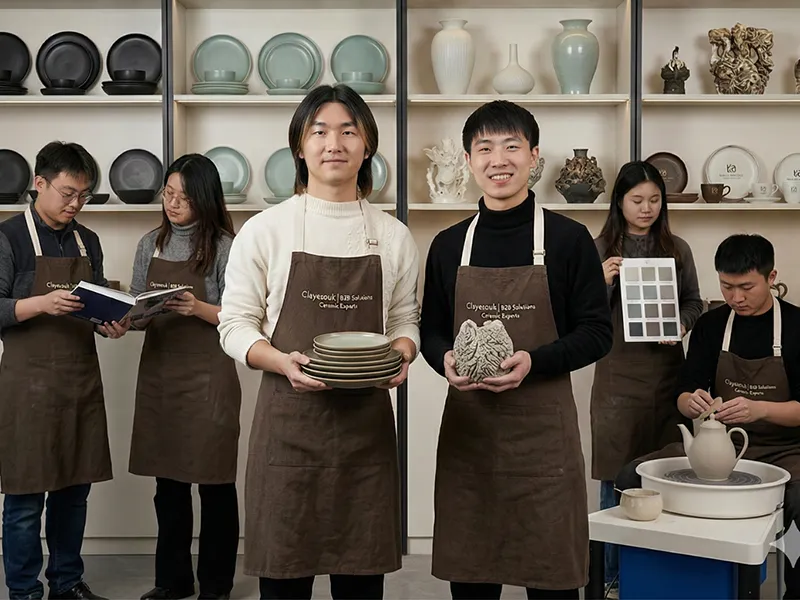
Shopping for ceramics feels special when you enter a store run by an australian retailer who cares about you. You notice the change right away. This australian retailer worked with clayesouk to make shopping fun and easy. They brought local values to life with handmade items and personal touches. Look at some of their best strategies:
Strategy | Description |
|---|---|
Special pieces made for certain needs, not sold by big brands. | |
Collaboration with chefs | Chefs help design, making sure everything matches their ideas. |
Distinctive handmade pieces | Each item is unique, showing skill and care. |
You see how the australian retailer makes shopping exciting and friendly at every step. That is what makes this australian retailer different.
Key Takeaways
Buying ceramics is fun when you get handmade items. These items have a story behind them.
Working with local artists makes pottery special. It also helps people feel connected to their community.
Using technology like AR tools and cool displays makes shopping more exciting. It lets people interact and have fun.
Hearing what customers say helps make products better. It also builds trust and keeps shoppers coming back.
Caring about the environment and making good pottery brings in customers. These customers want eco-friendly and real pottery.
Australian Retailer’s Challenge
Ceramics Market Pain Points
You probably know the pottery market in Australia can feel tough. Before the partnership with clayesouk, you faced a lot of challenges. The market often depended on imports, which meant you had to deal with supply chain problems. Shipping delays and cost changes made it hard to plan. You also saw price wars with big brands and cheaper imports. This put pressure on your profits and made it hard to stand out.
The pottery industry had other headaches too. You might have struggled to find skilled workers for installations. Sometimes, this slowed down projects or made the quality less reliable. The industry also had to keep up with new climate rules and product standards. These rules made the process more complicated. On top of that, many customers did not know much about tile quality or how to care for their pottery. This gap in knowledge often led to poor choices and unhappy shoppers.
You probably noticed raw material costs kept rising, especially for things like zirconia and alumina powders. Many in the industry worried about this. The coating process for ceramics could get tricky, which meant longer wait times for big orders. You also had to follow strict rules for new chemical coatings, which added another layer of stress.
Local Consumer Expectations
You know your customers want more than just any pottery. They look for pieces that feel real and special. Many shoppers care about where their clay comes from and how it is made. They want to support brands that value sustainability and authenticity. The pottery industry in Australia has seen a shift. People want to connect with the story behind each piece. They ask about the artist, the clay, and the tradition.
You see that shoppers expect high standards. They want pottery that lasts and looks good in their homes. They also want to trust that the market offers safe and eco-friendly options. If you can meet these expectations, you build loyalty and stand out in the industry. That is why finding the right partner, like clayesouk, makes such a big difference.
Partnering with clayesouk
Why Choose clayesouk
You want your studio to be different from others. You look for partners who care about quality and tradition. That is why you pick clayesouk. You see they love making things by hand. They also respect the art of working with clay. When you visit their studio, you notice every detail is done with care. Each cup, bowl, or plate has its own story. You know your customers want more than just things to buy. They want to feel a real connection.
You choose clayesouk because they know what makes studio pottery special. Their team listens to your ideas and helps you make collections that match your style. You get to sell pieces that are not found anywhere else. Your studio becomes a place where people find the beauty of handmade pottery.
Leveraging Brand Heritage
You know history is important in the world of clay. clayesouk brings the spirit of Jingdezhen to your studio. This city is famous for its long history with ceramics. People call it the “porcelain capital” of China. That name makes every piece in your studio more valuable.
Here is why Jingdezhen’s history matters:
Jingdezhen Heritage | What It Means for Your Studio |
|---|---|
Your studio connects to world-class skill. | |
Famous since the Yuan, Ming, and Qing dynasties | You offer pottery with a story from long ago. |
Known for beauty and skill | Your customers see the art in studio pottery. |
You see how this history fits what your customers want. They love how true studio pottery looks and feels. They ask about the clay, how it is fired, and who made each piece. You get to tell stories that make shopping fun and special. With clayesouk, your studio is where old traditions meet new styles.
Launch Strategy Overview
Product Selection and Merchandising
You want your pottery studio to stand out. You start by picking tableware that feels special and tells a story. You look for pieces that show the skill of pottery production and the warmth of clay. You choose tableware that fits many styles, from modern homes to cozy cafes. You know your customers want more than just a cup or plate. They want to feel the care that goes into every step of pottery production.
You set up your displays to make shopping easy and fun. You group tableware by color, shape, and use. You let people touch the clay and see the details up close. You use shelves and tables to show how tableware can look at home. You even create small scenes, like a breakfast table or a tea corner, to help shoppers imagine the pottery in their own lives. You make sure each piece of tableware has a tag that shares its story, the clay used, and the pottery production process. This helps people connect with the tableware and see its value.
You also work with chefs and designers to create custom tableware. You listen to what they need for their restaurants or events. You use their ideas to guide your pottery production. This makes your tableware unique and keeps your studio fresh. You always look for new ways to use clay and try new shapes or glazes in your pottery production.
Marketing and Social Media
You know that getting the word out is key. You use many ways to reach people who love tableware and pottery. Here are some of the best ways you promote your pottery production:
You join exhibitions to meet new customers and show your tableware in person.
You use visual storytelling by setting up your pottery in real-life scenes. This helps people see how tableware fits into their daily routines.
You team up with other businesses, like cafes or home stores, to reach more people who care about pottery and tableware.
You also use social media to connect with younger shoppers. You focus on platforms like TikTok and Snapchat. You create fun videos that show how you make tableware from clay. You use lifestyle vignettes and urban ads to catch people’s eyes. You even add an AR try-on lens so people can see how tableware looks in their own space. This makes your pottery production feel modern and interactive.
Here’s how your social media campaigns work:
Evidence Type | Description |
|---|---|
Target Audience | You focus on Gen Z and millennials, using TikTok and Snapchat. |
Engagement Strategies | You use lifestyle vignettes, urban ads, and AR try-on lenses for fun. |
Sales Impact | You see a big jump in sales because your campaigns make people excited. |
You notice that when you share the story of your clay and pottery production, people want to learn more. They ask questions and share your posts. Your tableware becomes something people talk about and want to own.
Customer Feedback Loop
You know that listening to your customers helps you grow. You use different ways to hear what people think about your tableware and pottery production:
You talk to customers in interviews to learn what they like and want.
You have informal chats in your studio, letting people share their feelings about the clay and tableware.
You watch how shoppers interact with your displays and pottery production. This helps you see what catches their eye.
You take all this feedback and use it to make your pottery production better. You change your tableware designs or try new clay types if people ask for them. You adjust your service to match what your customers expect. You know that staying open to feedback keeps your studio strong and your tableware collection fresh.
Tip: When you listen to your customers, you build trust and keep your pottery studio ahead of the curve. Your tableware becomes more than just a product—it becomes part of someone’s story.
You see that every step, from picking the right clay to sharing your tableware online, helps you connect with people. Your focus on pottery production, creative marketing, and customer feedback makes your studio a favorite spot for anyone who loves tableware.
Enhancing Shopping Experience
In-Store and Online Innovations
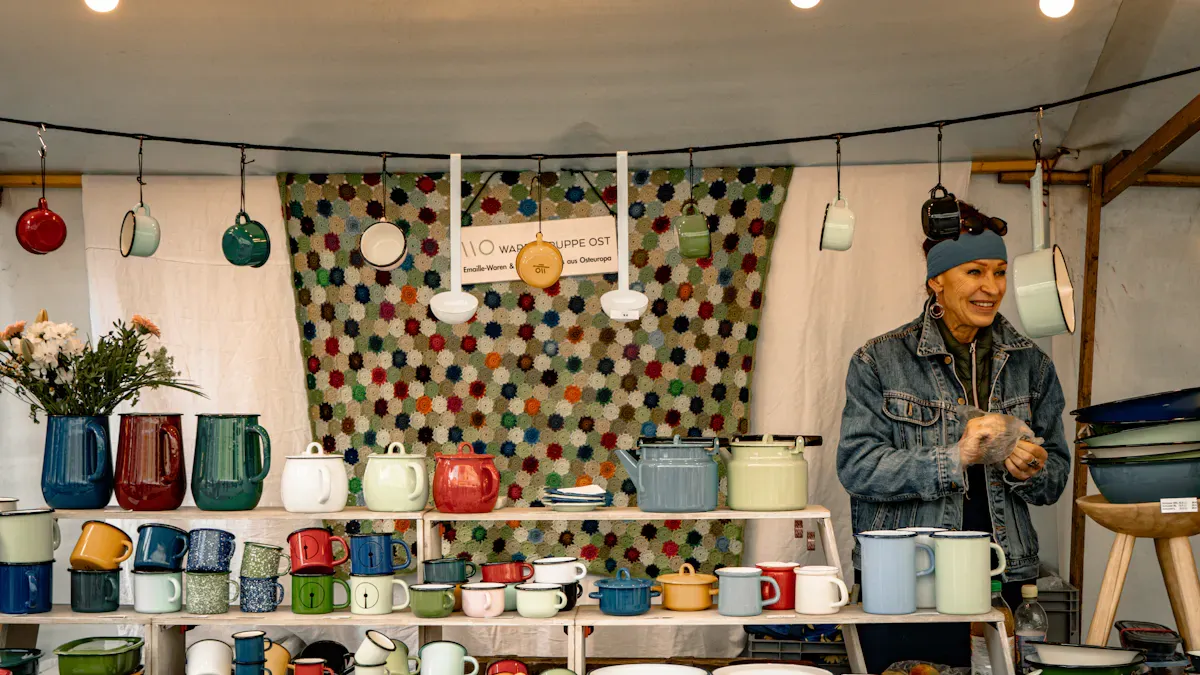
You want shopping for pottery to be fun and easy. When you walk into the store, you see more than just shelves. There are cups and bowls, but also special pieces from local potters. These artists work with the store to make new designs. Every piece shows real skill and fresh ideas. You can ask for your name on a mug or pick different pieces for a set. This helps you show your own style with pottery that feels personal.
The displays are bright and interesting. The store uses cool technology to make shopping more fun. You might find a screen that tells you about the clay in each piece. Sometimes, you can watch a video of a potter making a mug. You get to touch the pottery and see all the colors. You can imagine how it would look in your house.
Online, you have even more ways to shop for pottery. You can look at clear pictures of floor samples to see how sets look in your kitchen. Room galleries give you ideas for decorating. If you want something special, you can use an image search tool powered by AI. You can also try a visualizer to see how pottery looks on your table or shelf. The website is simple to use. You can drag and drop items and get emails about new pottery.
Innovation Type | Description |
|---|---|
Work with local potters and artists for unique, authentic pieces. | |
Personalization Options | Custom monograms and mix-and-match sets for your own style. |
Engaging Displays | Interactive tech and hands-on displays make pottery shopping fun. |
Artisanal Storytelling
You want to know the story behind your pottery. Each handmade item has its own story. When you pick up a cup, you learn about the clay and the person who made it. You also learn about the tradition behind the pottery. This story makes the pottery feel special and important. You connect with the artist’s skill and the history of the craft.
You care about the earth too. Many shoppers want pottery that is good for the planet. Stores that use eco-friendly clay and green ways of making pottery stand out. You remember things like recycled boxes or natural glazes. These choices make you happy about what you buy and make you want to come back.
Every piece of pottery has a story that makes it special.
You feel closer to the potter and the clay when you know where it comes from.
Pottery is more than just a dish—it is something you want to keep and share.
You see that eco-friendly pottery gets better reviews and makes people loyal.
When you shop for ceramics, you want more than just a thing to buy. You want an experience that feels real, creative, and thoughtful. That is what makes pottery shopping fun and easy.
Results and Success

Sales and Growth Metrics
You want to see real results when you try something new in your studio. After you launched the new pottery range, the numbers spoke for themselves. Your average order value jumped to $5,767. Most studios in the industry see only $150 to $300 for small-batch orders. You felt proud when you saw your gross margin hit 90%. Many high-end goods in the industry do not reach that level. Your operating expense ratio stayed below 70%. This is a strong sign, even though the industry usually aims for 40% to 50% when scaling up. The best part? Your EBITDA margin soared to 141%. That is a big win for any studio in the pottery industry.
Metric | Value | Industry Benchmark |
|---|---|---|
Average Order Value (AOV) | $5,767 | $150–$300 (small-batch) |
Gross Margin Percentage | 90% | >75% (high-end goods) |
Operating Expense Ratio | <70% | 40%-50% (successful scaling) |
EBITDA Margin | 141% | N/A |
You see how these numbers put your studio ahead in the pottery industry. You know that strong sales and high margins mean your studio can grow and try new things. You set a new standard for others in the industry.
Customer Reviews
You hear from your shoppers every day. They tell you how much they love the new pottery. Many say the pieces feel special and different from anything else in the industry. One customer said, “I never knew pottery could feel so personal.” Another wrote, “The story behind each piece makes me want to come back.” You notice that people talk about the warmth and care in every cup and bowl. They share photos of their pottery on social media and tag your studio. This buzz helps you reach even more fans in the industry.
You learn that listening to your customers pays off. They trust you because you care about quality and tradition in the pottery industry. You see more repeat buyers and longer visits in your studio. Other retailers in the industry can learn from your focus on storytelling, customer feedback, and strong partnerships. When you put people first, you build a studio that stands out in the pottery industry.
Tip: If you want to lead in the pottery industry, focus on what makes your studio unique. Listen to your customers, share your story, and never stop improving.
You saw how this partnership made ceramics shopping better in Australia. When you work with local artists, you get special pottery that feels different. You tell stories to help shoppers feel close to each piece. You use new digital tools to make buying pottery simple. Here are some things you can do in your own store:
Work with artists to make pottery that is one-of-a-kind.
Use great photos and AR tools to help people shop online.
Tell the story of each pottery piece so shoppers trust you.
Show off handmade pottery in your store to make it stand out.
Action | Example |
|---|---|
Make fun content | Film a video showing how you make pottery. |
Work with artists | Start a new collection with pottery and textiles. |
Ceramics stores have a bright future. Try these tips and see your pottery shop grow.
FAQ
What makes shopping for ceramics at this retailer special?
You get to see handmade pieces that tell a story. The store lets you touch, learn, and even personalize your ceramics. Shopping feels fun and easy, not boring or confusing.
Can I order custom pottery for my home or business?
Yes! You can ask for custom designs. The team listens to your ideas and helps you create pottery that fits your style or brand. You get something unique every time.
How does the retailer support the local community?
You see the store working with local artists and makers. They host events and workshops. You can join and learn new skills. This helps the community grow and stay creative.
Are the products eco-friendly?
You find many items made with sustainable clay and safe glazes. The store uses recycled packaging. You can feel good about your choices and know you help protect the planet.
How do I care for my new ceramics?
You get simple care tips with every purchase. Wash your ceramics by hand and avoid sudden temperature changes. This keeps your pieces looking beautiful for years.