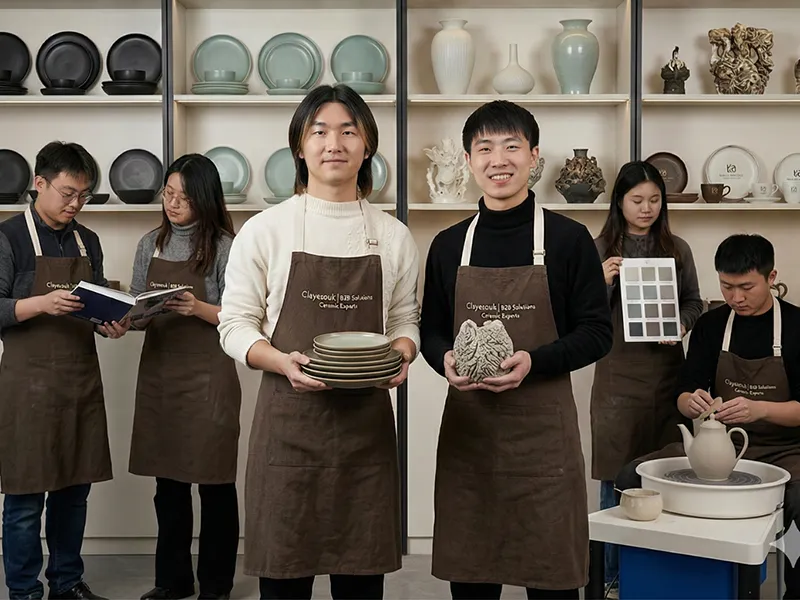
Diversify Your Ceramic Supply Chain for Resilience with CLAYE
Diversifying your ceramic supplier base reduces risk, boosts bargaining power, and drives innovation. CLAYE helps you build a resilient supply chain.

Diversifying your ceramic supplier base reduces risk, boosts bargaining power, and drives innovation. CLAYE helps you build a resilient supply chain.
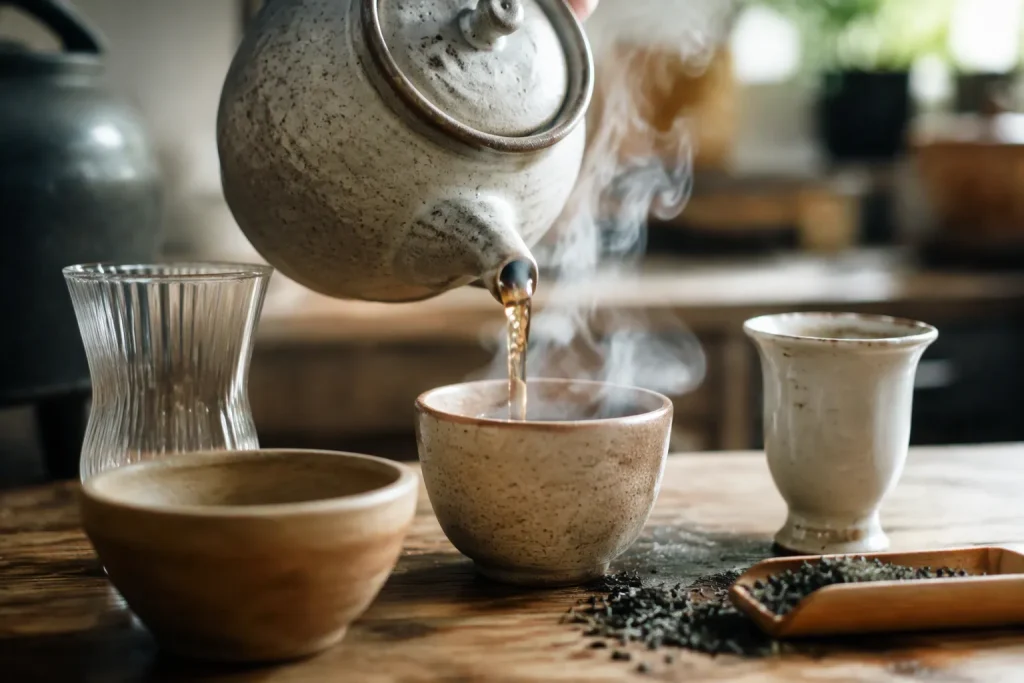
Why does tea tastes different in different cups? Cup shape and material alter heat, aroma, and touch, changing flavor perception. Learn the science.
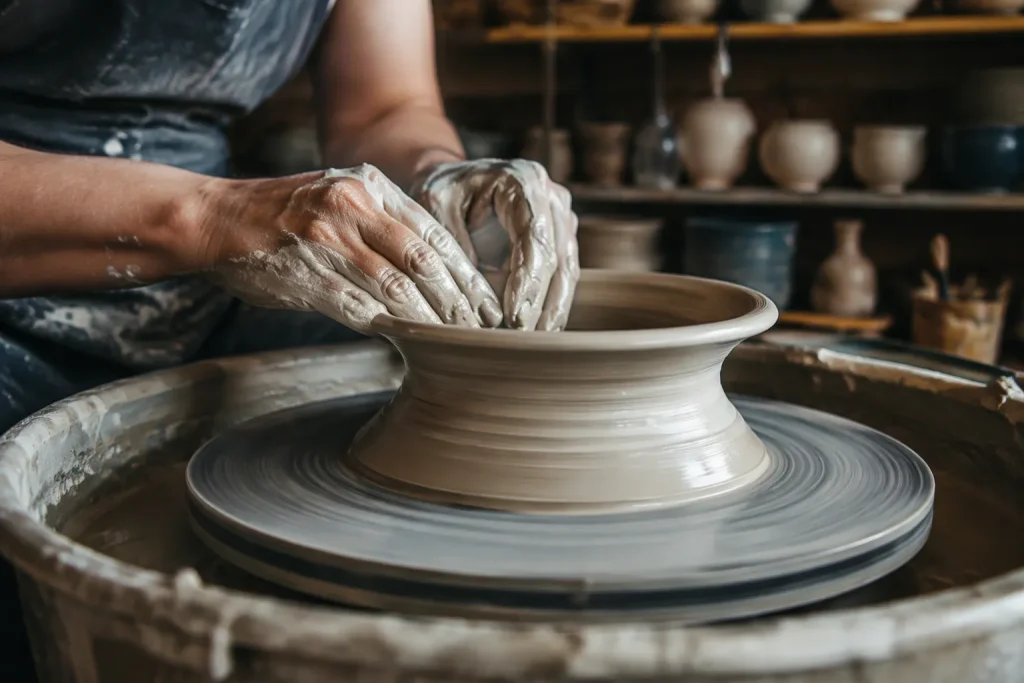
Centrifugal force matters because it holds clay on the wheel, aids centering, and shapes walls. Control wheel speed and hand pressure to master it.

Ceramic importers adapting to supply chain disruptions can build resilience with risk mapping, supplier diversification, strategic inventory, and Claye’s partnership.
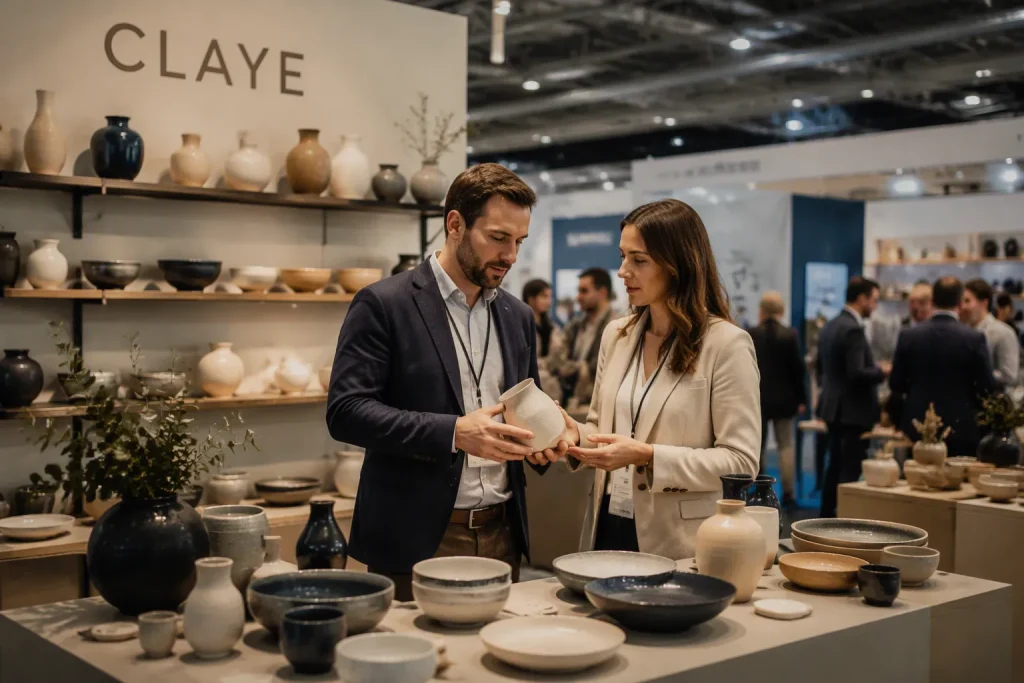
Trade shows let you meet ceramic wholesalers face to face. CLAYE helps you prepare, vet suppliers, and secure partnerships faster and safer.
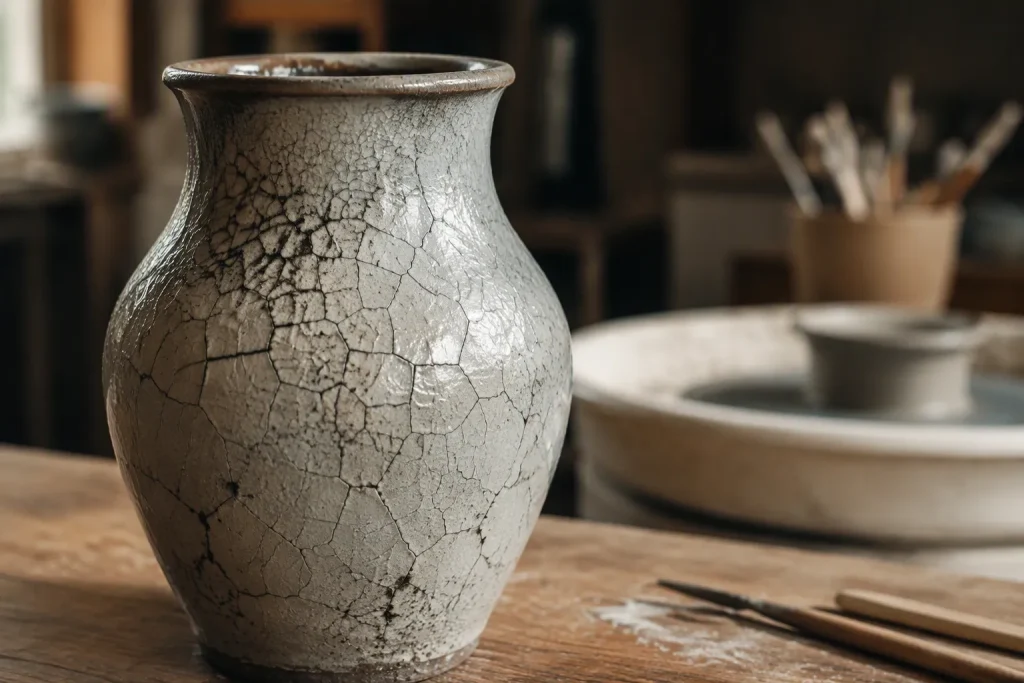
Why some glazes crack: thermal expansion mismatch between glaze and clay. Crazing can be a defect or a beautiful crackle effect. CLAYE explains the science.
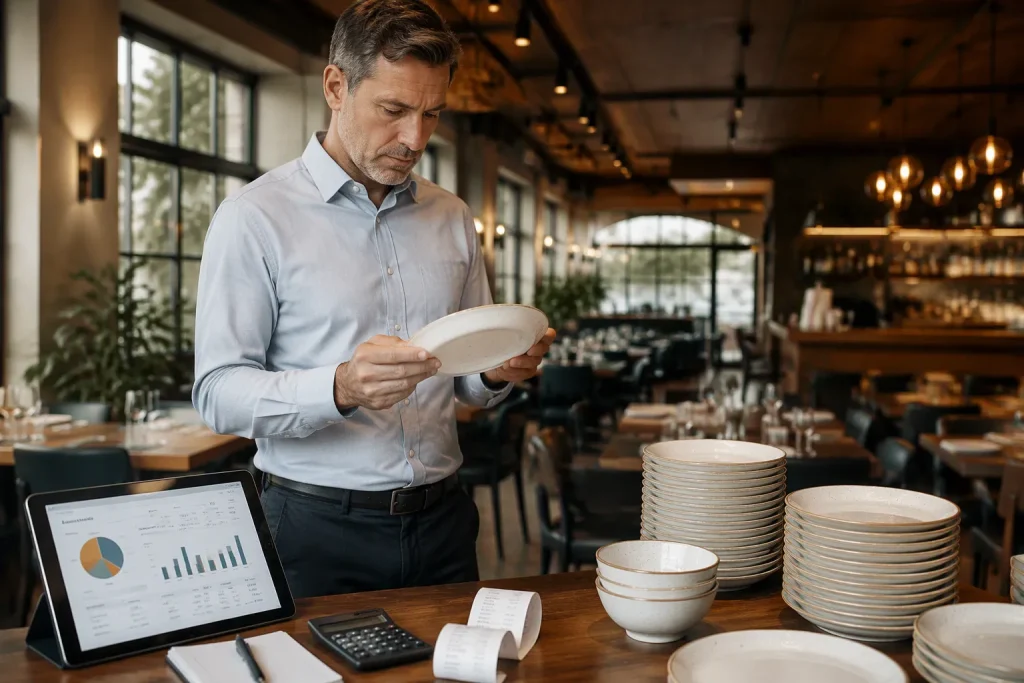
Calculate ROI on restaurant ceramics by summing all upgrade costs, estimating breakage savings and average-check lift, then applying the formula. Track data for a year.
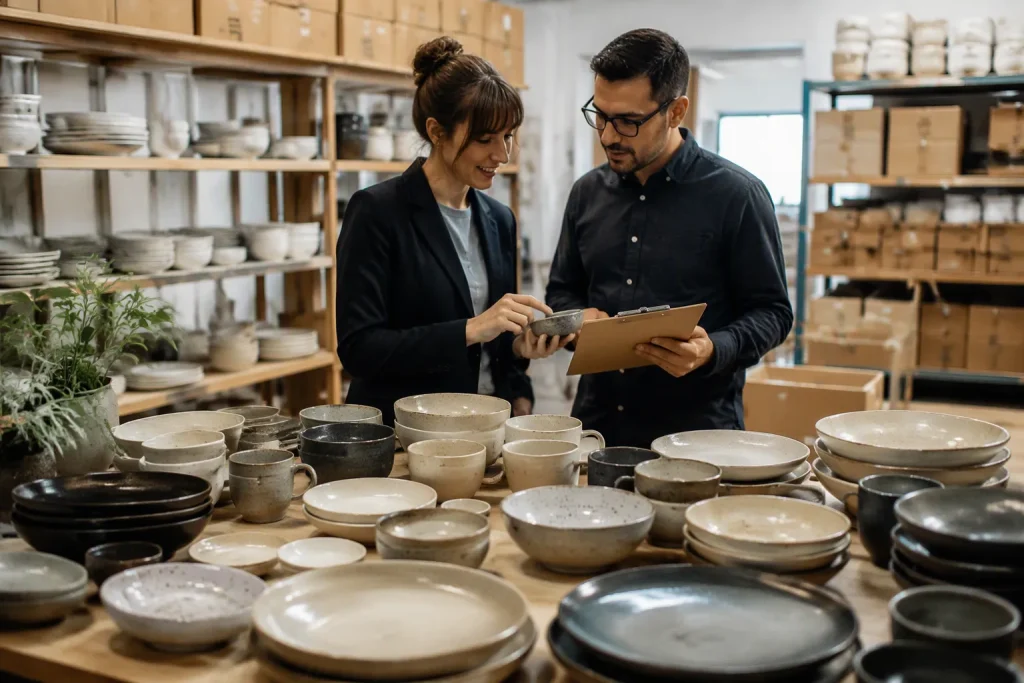
Start a wholesale ceramic brand from zero with our step-by-step guide. Learn market research, supplier selection, branding, and logistics to build a profitable business.
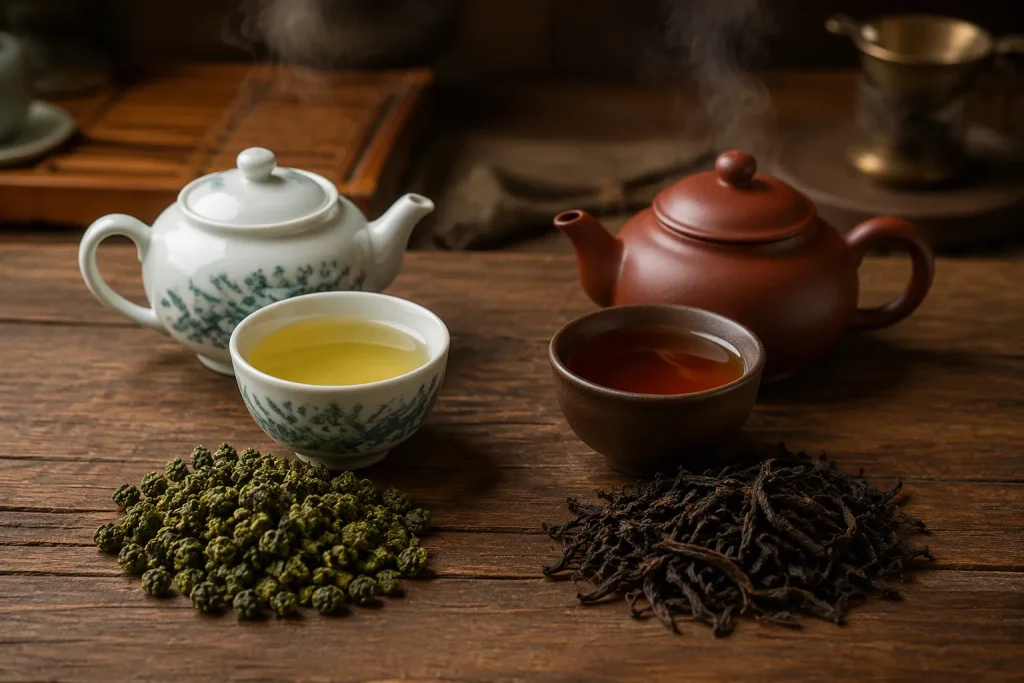
Taiwanese High Mountain Oolong tastes light, floral, and creamy from high-altitude growth, while Chinese Oolong is roasted, earthy, and robust from lower elevations and heavier roasting.
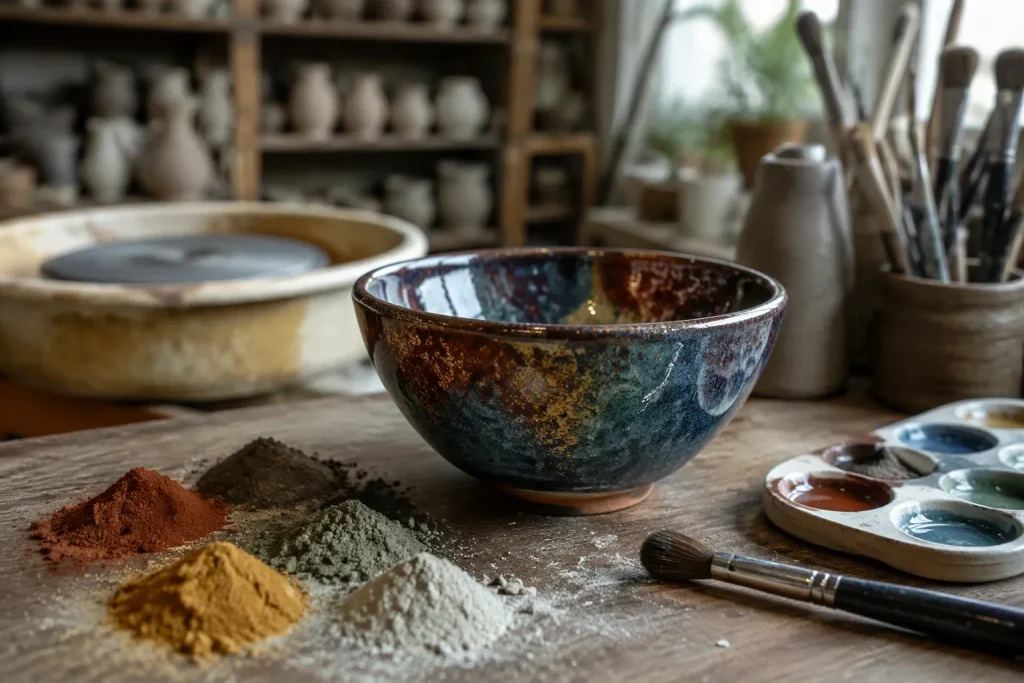
Mineral pigments create different colors in ceramic glazes by selectively absorbing light wavelengths, with metal oxides like cobalt and copper producing hues based on chemistry and firing.