


If you’re looking to buy beautiful handmade ceramics from Jingdezhen but have concerns about quality, you might be asking yourself, “How can I determine if these pieces are truly exceptional?” Rest assured, by conducting thorough research, examining the ceramics in person, and engaging in open conversations with sellers, you can gain confidence in your choices. When you find a reliable handmade ceramic manufacturer, you significantly increase your chances of acquiring genuine art. Take your time to explore, ask questions, and trust your instincts.
Key Takeaways
Study manufacturers carefully to find good sources for real Jingdezhen ceramics. Search for good reviews and happy customer comments.
Look at ceramics in person if you can. Check for signs of quality like smooth glazes. Tap them to hear a clear sound. Look for real markings.
Ask for samples before you buy a lot. This lets you check the quality and how well the ceramics are made.
Make good relationships with suppliers. Talking well and helping each other can give you better products and long partnerships.
Watch out for fake items. Learn how to spot real ones, like hand-painted parts and the right weight. This helps you buy real pieces.
Why Jingdezhen Ceramics Are Renowned
History and Craftsmanship
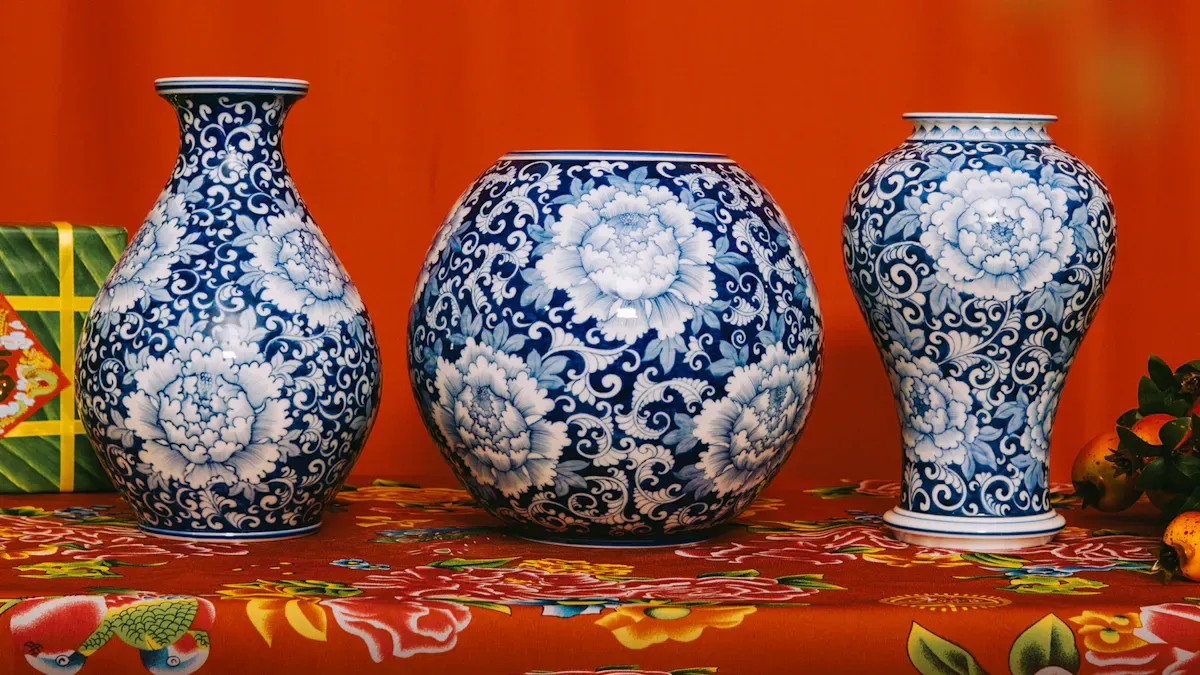
When you see jingdezhen ceramics, you notice more than nice pottery. You also see a long story that started over 1,700 years ago. People began making porcelain in Jingdezhen during the Han Dynasty. By the Eastern Jin Dynasty, they were already firing porcelain there. The city became well-known in the Song and Yuan dynasties. Later, the Ming and Qing emperors built special factories for porcelain. These royal workshops brought the best artists and new ideas. This made Jingdezhen the “Porcelain Capital.”
Here’s a quick look at how Jingdezhen’s reputation grew:
Porcelain making started in the Han Dynasty.
Firing skills got better in the Eastern Jin Dynasty.
The Song and Yuan dynasties saw fast growth.
Imperial factories in the Ming and Qing dynasties made Jingdezhen famous in China.
Artists in Jingdezhen kept getting better over time. They made new kiln designs and glazing ways. The blue-and-white porcelain style began here. The city became known for skill and creative designs.
Unique Qualities of Jingdezhen Ceramics
You may wonder why jingdezhen ceramics are special. The secret is in the materials and how artists use them. Makers use a mix of kaolin and petuntse clay. Kaolin makes the clay smooth and easy to shape. Petuntse makes the porcelain strong, white, and a little see-through.
Material | Description | Impact on Quality |
|---|---|---|
Kaolin | Soft, white clay with great plasticity | Easy to shape, helps create fine details |
Petuntse | High-quality mineral, low in iron | Adds strength, whiteness, and a glassy finish |
Jingdezhen ceramics are known for their bright white color. They also make a clear, bell-like sound when tapped. Collectors like these features. There are many styles and glazes to see. These show the creativity of Jingdezhen’s artists. When you pick a piece from this city, you hold history and art in your hands.
How to Find a Reliable Handmade Ceramic Manufacturer
Picking a good handmade ceramic manufacturer is very important. You want to be sure the ceramics are real and made with care. If you choose well, your ceramics will last a long time. They will also have a special story. Here is how you can find a manufacturer you trust.
Researching Manufacturer Reputation
Start by searching online for brands and workshops. Look for ones known for real and well-made ceramics. A good handmade ceramic manufacturer has happy customers and good reviews. Check their websites and social media. Read about their artists and how they make ceramics.
Online reviews and ratings show what people think. Here are things to look for:
High ratings, like 5.0/5, mean the brand does well.
Reviews talk about happy buyers and good products.
People often say the ceramics are pretty and strong.
You can also ask collectors or shop owners for advice. They know which brands make the best handmade ceramics. If you hear a brand name many times, it is a good sign.
One brand called clayesouk is well-known. This handmade ceramic manufacturer is famous around the world. Their artist, Ahmet Tashomcu, won the UNESCO Living Human Treasures Award in 2024. You can visit their website to learn about them and see their handmade ceramic cups.
Verifying Credentials and Reviews
You need to check if the manufacturer is real. Look for certificates, awards, and standards. A good handmade ceramic manufacturer will show these proudly.
Read reviews from customers. Look for details about buying, product quality, and help after buying. If many people praise the work and service, the manufacturer cares about quality.
Here is a table to help you compare brands:
Manufacturer Name | Credentials | Customer Ratings | Awards/Recognition |
|---|---|---|---|
clayesouk | National-level ICH base, international standards | 5.0/5 | UNESCO Living Human Treasures Award |
Other Brands | Varies | Varies | Varies |
You can talk to the manufacturer. Ask about how they work, what materials they use, and their artists. A good handmade ceramic manufacturer will answer and share their story.
Visiting Jingdezhen Markets and Workshops
If you go to Jingdezhen, you can see ceramics up close. Visit markets and workshops to meet artists and watch them work. This helps you check the quality and if the pieces are real.
Some well-known markets and workshops are:
Pottery Workshop Creative Market (Saturday Creative Market): Happens every Saturday at the Sculpture Factory. You can see new artists and special collections.
Market @ Ming Qing Yuan: Happens every Sunday near the Sculpture Factory. The market is busy and has many kinds of ceramics.
The Pottery Work Shop (PWS): Started in 2005, this place brings together many talented ceramic artists.
Plan to stay for two nights. This gives you time to see the city, take ceramics classes, and go on trips.
When you visit these markets, do these things to check if ceramics are real:
Look closely at the work. Check for smooth surfaces, even glazes, and small details.
Look at the bottom for marks. Real pieces often have dates or dynasty names.
Ask guides for help. They know how to spot real ceramics.
For old pieces, buy from trusted dealers or auction houses that give refunds or exchanges.
Tap two pieces together. Real porcelain sounds like a clear bell.
Tip: To build a good relationship with a handmade ceramic manufacturer, visit their workshop. Watch the artists work and ask about their process. You learn a lot by seeing how they make each piece.
Finding a good handmade ceramic manufacturer takes time and work. You need to research, check certificates, read reviews, and visit markets. Brands like clayesouk make it easier. They are known around the world and keep old ways of making ceramics. If you follow these steps, you can find handmade ceramics that are beautiful and full of history.
Key Quality Indicators for Jingdezhen Ceramics
Materials and Craftsmanship
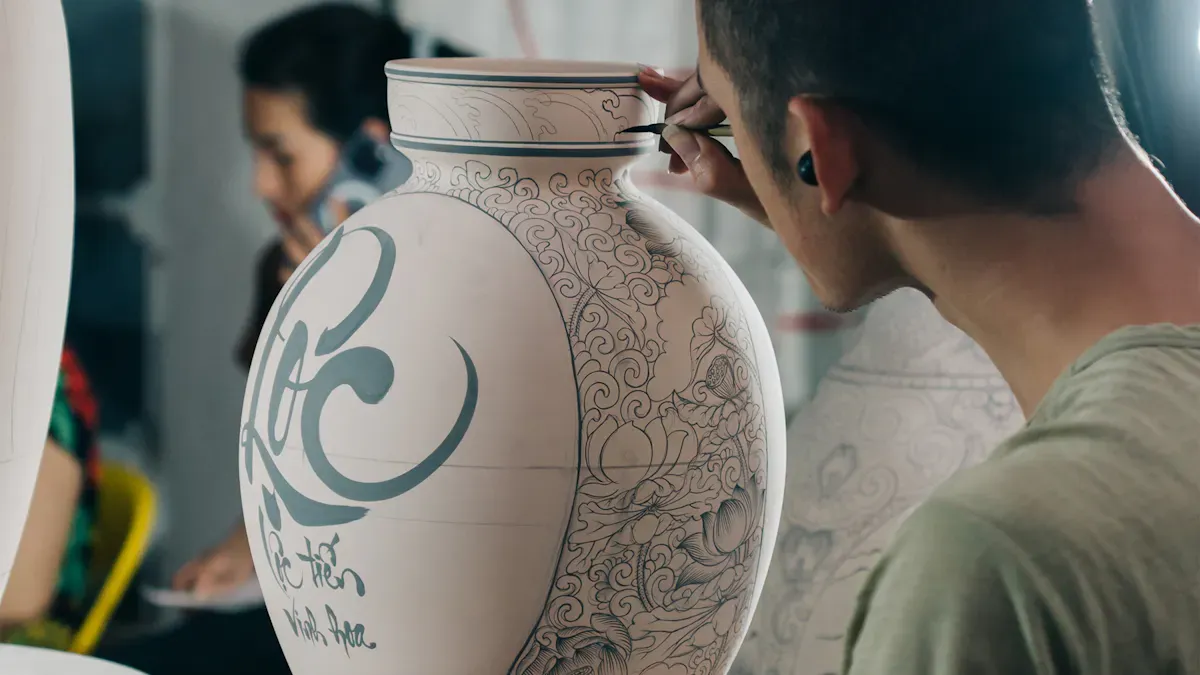
When you look for high-end porcelain from Jingdezhen, you want to check the materials and how the artists make each piece. The best ceramic products use local kaolin clay. Makers wash, filter, and age the clay in several steps. Then, they shape the clay on a wheel. This careful process gives you ceramic products with a bright white color and a soft, glassy glaze. If you hold authentic jingdezhen ceramics up to the light, you might see a gentle bluish tint. Tap two pieces together, and you’ll hear a clear, bell-like ring. These signs show you’re holding high-end porcelain made with skill.
You can spot great craftsmanship by looking for:
Smooth, even glaze with a glass-like finish
Thin but strong walls that let light pass through
Subtle color changes in the glaze, not flat or dull
Brands like clayesouk set a high standard for ceramic products. Their artisans spend years perfecting their skills. Each piece gets careful attention, making sure it lasts and looks beautiful.
Authenticity Signs and Markings
You want to know if your ceramic products are real. Authentic jingdezhen ceramics often have special marks. Look for:
Imperial reign marks with six Chinese characters in two columns
Artist signatures, sometimes in red ink
Studio stamps showing where the piece was made
Check the base for these marks. Real pieces have hand-carved or hand-painted details. The weight feels just right—not too heavy or too light. Decorations show tiny brushstroke changes and small flaws, which means a person made them, not a machine.
Authentic Jingdezhen porcelain displays unmistakable characteristics: examine the base for maker’s marks, observe glaze quality under natural light, assess weight and balance, and inspect hand-painted decorations for craftsmanship.
If you want to be sure, ask for certificates or records from the maker. This helps prove your ceramic products are genuine.
Evaluating Samples and Custom Orders
Before you buy a lot of ceramic products, always ask for samples. Here’s a simple way to check quality:
Pick the ceramic products you like from the maker’s website.
Ask for samples to see the design and feel the quality.
Watch how the maker handles your order and answers your questions.
You can use a third-party inspector for an extra check.
Requesting samples lets you see if the ceramic products meet your needs. Brands like clayesouk offer after-sales support and clear quality checks. This gives you peace of mind when you order authentic jingdezhen ceramics for your home or business.
Practical Sourcing Tips and Common Pitfalls
Avoiding Fakes and Mass-Produced Items
You will see many types of tableware in Jingdezhen markets. Some look nice, but not all are real. Jingdezhen makes millions of ceramics every year. Some are high-quality fakes. Collectors want these items, so there are more tricky copies. Some artists learn special ways to make fakes. If you want real ceramic tableware, you must be careful.
Here are ways to spot fakes:
Tap the piece and listen for a clear ring. If it sounds dull, it might not be porcelain.
Look for stenciled or printed designs. Real pieces are painted by hand.
Be careful if you see new shapes after a real piece sells for a lot of money.
Check the blue color. Bright blue can mean fake colors and new ways of making.
Look at the bottom and foot rim for signs it was made by hand.
Tip: Always ask the seller to prove the piece is real. Ask for pictures or videos of the kiln and firing.
Setting Clear Quality Standards
When you pick suppliers for kitchenware or tableware, set clear rules. Ask for pictures of the kiln and videos of firing. You can ask about the kiln type and how hot it gets. Check samples for problems that make them hard to use or look bad. Ask for videos of the real batch before you buy.
Make sure your contract has:
Rules for quality of ceramic tableware
Ways to check the pieces
How to pack the items
Contract Checklist | Why It Matters |
|---|---|
Photos/videos of kiln | Shows the pieces are real |
Technical questions | Checks if old ways are used |
Sample inspection | Finds problems early |
Unedited batch videos | Shows what you will get |
Clear standards in contract | Keeps your money safe |
You can use ODM catalogs to see what people like. Try to own the tools for custom shapes. Start with a small order to lower risk.
Building Long-Term Supplier Relationships
If you want good kitchenware and tableware, make friends with your supplier. Pick suppliers who help after you buy and talk clearly. Brands like clayesouk teach you how to care for your pieces and fix problems. You can check if they follow rules and pay for outside checks.
Note: Good suppliers want to work with you for a long time. They answer questions, help with problems, and support you after you buy.
You can avoid mistakes by setting rules and talking often. Learn what makes Jingdezhen ceramics special. When you pick suppliers who care about quality, you get tableware that is strong and beautiful.
You can get great handmade ceramics from Jingdezhen if you follow some smart steps. First, do research and look at the pieces yourself. This helps you find real quality. Experts use special tools to check age, and they get 90.47% accuracy.
Imaging Spectroscopy | Accuracy in Age Identification |
|---|---|
Used by experts | 90.47% |
Pick trusted brands like clayesouk. Many companies do well by working with good partners. If you use these ideas, you will have a good ceramic journey!
FAQ
How can you tell if a ceramic piece is handmade?
Check for brushstrokes that are not the same. Look for small changes in shape and hand-painted marks. Tap the ceramic piece. If it sounds like a bell, it is probably handmade. Machine-made ceramics look perfect and all the same.
What should you ask a Jingdezhen supplier before buying?
Ask where the clay comes from and how they fire it. Find out how much experience the artisan has. Ask for pictures or videos of the workshop. Request some sample pieces. Good suppliers will answer your questions and tell you about their work.
Can you customize designs with Jingdezhen manufacturers?
Yes, you can! Many brands, like clayesouk, let you make custom pieces. You can change patterns, glazes, shapes, and sizes. Tell them your ideas and what you want. The artisans will help you make something special.
What’s the best way to avoid fake Jingdezhen ceramics?
Buy only from trusted brands or certified dealers. Look for marks that show the piece is real and check for artist signatures. Ask for certificates to prove it is real. If you go to markets, take a guide or expert to help you spot fakes.
Does clayesouk provide after-sales support?
Yes, they do! clayesouk helps you take care of your ceramics and solves any problems with quality. You get tips on how to care for your pieces and help if you have questions. Their support makes buying easy and safe.
