


You can find the gaiwan in Chinese tea culture today. In the last ten years, it has become more popular in China and other countries. Brands like clayesouk help bring the gaiwan from old traditions to modern life in 2026. When you use a gaiwan, you smell and taste tea in a special way. Gaiwan in Chinese Tea lets you feel history and try new styles. You can see both old and new ideas in every sip.
Key Takeaways
The gaiwan is a Chinese tea cup. It links you to old tea traditions and meanings. Using a gaiwan lets you control how you brew tea. This helps bring out the taste and smell of each tea. Picking a gaiwan means thinking about what it is made of. You also need to think about the kind of tea and what feels good to you. Taking care of your gaiwan keeps it nice and strong for a long time. This shows respect for making tea. Sharing tea with a gaiwan helps people feel close and show respect. It is a big part of tea parties and customs.
Gaiwan in Chinese Tea Culture
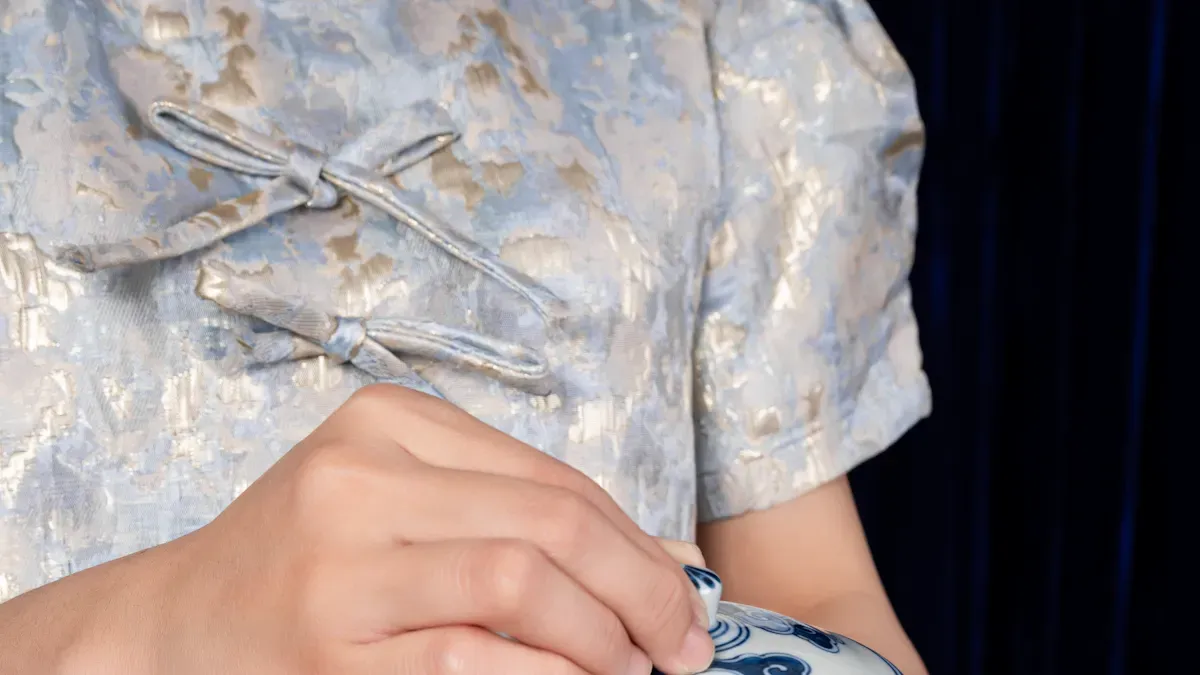
Symbolism and Meaning
When you use a gaiwan in chinese tea, you connect with deep symbolism. Each part of the gaiwan holds a special meaning.
The saucer represents Earth.
The bowl means the individual.
You can see how these three parts show the harmony between nature and people. This simple design reflects the depth of chinese tea culture. The gaiwan also shows respect for nature, balance, and peace. Many artists and writers in China have celebrated the gaiwan as a source of inspiration. When you hold a gaiwan, you hold a piece of art that links you to centuries of tradition.
Historical Evolution
The journey of the gaiwan in chinese tea began long ago. You can trace its roots back to the Tang Dynasty, when people first used a tea saucer. Over time, the gaiwan changed and improved.
In the Tang Dynasty, the idea of a tea saucer started.
During the Song Dynasty, people focused on the look and use of teaware.
The Ming Dynasty brought the three-piece gaiwan design. This made it easier to brew loose-leaf tea.
In the Qing Dynasty, artists made the gaiwan more beautiful and detailed.
Today, the gaiwan continues to change. New materials and styles appear, but the heart of the design stays the same.
You can see how each period added something new to the gaiwan. This journey shows the importance of the gaiwan in chinese tea culture.
Gaiwan’s Role in Modern Tea
Today, you find the gaiwan in chinese tea at the center of many tea gatherings. When you serve tea with a gaiwan, you show hospitality and respect. This act is important in both formal and casual settings. You invite guests to join you, share stories, and enjoy the moment. The open brewing style lets everyone see and smell the tea as it steeps.
In Gongfu tea culture, the gaiwan gives you control over the brewing process. You can adjust the steeping time and temperature. This helps you bring out the best flavors and aromas in the tea. The gaiwan allows for many infusions, so you can taste how the tea changes with each pour. When you use a gaiwan, you take part in a living tradition that values sharing, respect, and the art of tea.
Gaiwan vs. Other Teaware
Unique Features of the Gaiwan
The gaiwan is different from other teaware. It looks simple and has three main parts. These are the bowl, lid, and saucer. Each part does something important. The bowl holds the tea leaves and water. The lid keeps the smell inside, so you can enjoy the scent before pouring. The saucer protects your hands from heat and helps keep the gaiwan steady. You can see these details in the table below:
Component | Function | Description |
|---|---|---|
Bowl | Holds tea leaves | Wide opening lets you see the color and clarity of tea. |
Lid | Traps aroma | Lets you inhale the fragrance before serving. |
Saucer | Provides stability | Protects hands and surfaces from heat. |
Gaiwan can be made from many materials. Porcelain and glass are used a lot. Porcelain is good for green and white teas because it does not keep flavors. Glass lets you watch the tea as it brews. Yixing clay and Jian Zhan are better for dark teas. These materials can change the taste over time.
Comparison with Teapots and Cups
You might ask how the gaiwan is different from teapots and cups. The gaiwan is smaller and easy to carry. It gives you more control when making tea. A teapot is bigger and keeps tea hot longer. It works well if you have many guests. The gaiwan helps you try many teas and change steeping times. The table below shows the main differences:
Feature | Gaiwan | Traditional Teapot |
|---|---|---|
Size | Smaller, solo brewing | Larger, group brewing |
Portability | Easy to carry | Less portable |
Flavor Profile | Pure, neutral taste | Enhanced by teapot material |
Control | Precise infusion control | Relaxed brewing |
When you use a gaiwan, you taste the tea’s real flavor. You can make short infusions and notice how the taste changes. A teapot gives a smoother taste with longer infusions. The gaiwan lets you enjoy the smell and look of tea without anything getting in the way.
Choosing the Right Gaiwan
You should think about a few things when picking a gaiwan. The material is important. Porcelain is best for light teas. Glass is good for herbal and green teas. Yixing clay is great for dark oolongs and black teas. Jian Zhan works well for strong teas. Size and shape make a difference in how easy it is to use. You should also see if the gaiwan feels good in your hand. What you like matters most.
Material: Porcelain, glass, Yixing clay, Jian Zhan
Tea type: Green, white, oolong, pu-erh, black
Design: Size, shape, comfort
Practicality: Durability, handling
Preference: Choose what fits your style
Oolong, white, young raw pu-erh, green, and some black teas are best in a gaiwan. The gaiwan lets you control how you brew tea and enjoy the experience. You can see, smell, and taste tea in a way that other teaware cannot give you.
Using a Gaiwan: Practical Guide
Step-by-Step Brewing
You can master the art of tea preparation with a gaiwan by following these steps:
Select your favorite tea and measure the right amount for your bowl.
Warm the gaiwan and cups with hot water. This keeps the temperature steady and helps the flavors bloom.
Add the tea leaves to the bowl.
Pour water at the correct temperature for your tea. For green tea, use 80–85°C. For oolong or black tea, use 90–95°C.
Cover the bowl with the lid and let the tea steep. Steeping times vary. Green tea needs 15–30 seconds. Oolong and black teas need 10–20 seconds.
Hold the gaiwan using a three-point grip. Place your thumb on one side of the rim, your middle finger on the other, and your index finger on the lid.
Tilt the lid slightly to control the pour and keep the leaves inside. Pour the tea into cups and enjoy.
Tip: The ways of the gaiwan let you control every part of the art of tea preparation. You can adjust steeping time and water temperature for each infusion.
Water Temperature (°C) | Steeping Time | |
|---|---|---|
Oolong | 90-95 | 10-15 sec, add 5-10 sec each infusion |
Green | 80-85 | 15-30 sec |
Black | 90-95 | 10-20 sec |
Tips and Common Mistakes
You can avoid spills and burns by using the right grip and pouring technique. Always support the saucer with your other hand for stability. Keep a small gap between the lid and bowl—about the width of a chopstick. This helps control the flow and keeps leaves inside. Do not pour from the 12 or 6 o’clock position. Keep the gaiwan at an 80 or 90-degree angle to avoid burns. A wide gap makes the tea pour faster but can break leaves.
Practice steady breathing while pouring to keep your hands calm.
The art of tea preparation in gong fu style rewards patience and care.
Care and Maintenance
You should rinse your gaiwan right after use to prevent stains. Use a soft cloth or sponge for cleaning. Avoid harsh chemicals and never use abrasive tools. For tough stains, soak the gaiwan in warm water with baking soda or a little vinegar. Let it air dry in a cool, ventilated place. Hand washing protects the glaze and keeps your gaiwan beautiful for years. Proper care honors the art of tea preparation and the tradition of traditional chinese tea drinking. This respect lets you pass down your gaiwan as a family treasure.
clayesouk and Modern Gaiwan Craftsmanship
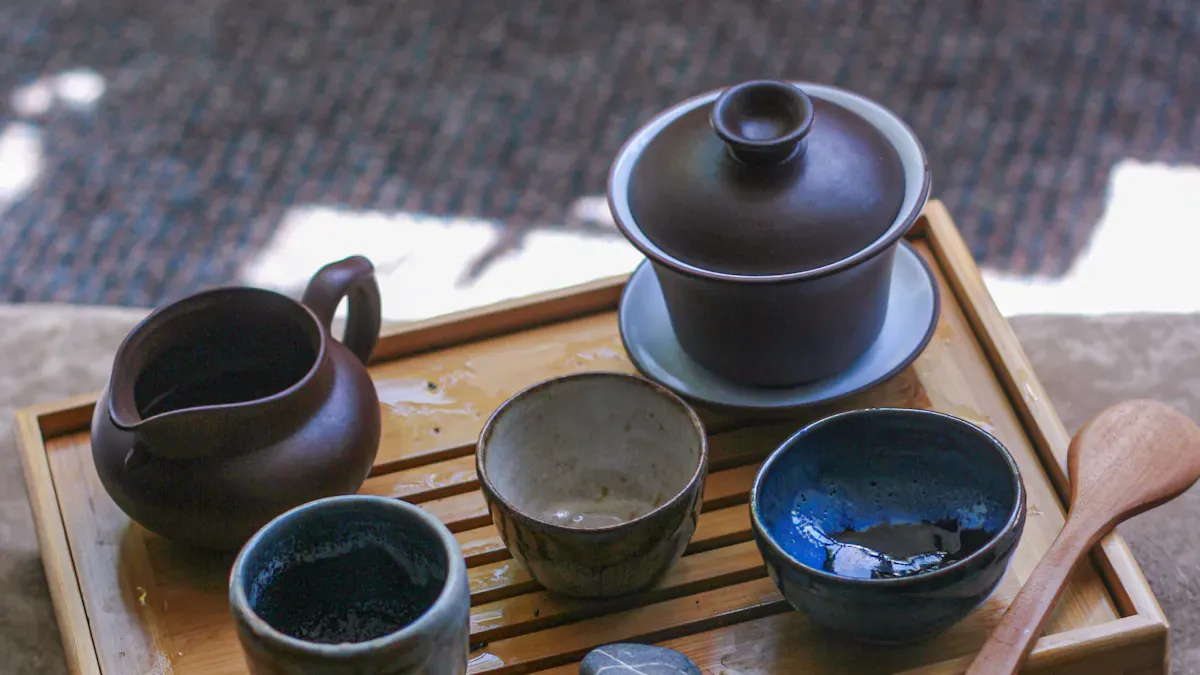
Jingdezhen Heritage
Every traditional tea vessel from clayesouk has a story. The story starts in Jingdezhen. This city is called the ‘Porcelain Capital‘ of the world. People have made tea vessels here for over 1,700 years. The best craftsmen came because of support from emperors and a strong ceramic tradition. Porcelain from Jingdezhen traveled the Silk Road. It even helped create the English word ‘china.’ The table below explains why Jingdezhen is important for tea:
Historical Aspect | Significance |
|---|---|
Major kiln site | Jingdezhen became a center for porcelain around 1004. |
Imperial Kiln Factory | Built in 1369, it made porcelain for the royal family. |
Global Trade | Jingdezhen porcelain became a key export and shaped global ceramic art. |
Continuous Production | The city has produced ceramics for over 1,700 years without interruption. |
Cultural Heritage | Jingdezhen’s ceramic culture is a cornerstone of Chinese art and history. |
Handmade Ceramic Innovation
When you pick a traditional tea vessel from clayesouk, you hold history in your hands. Each artisan makes the vessel by hand. Their skills come from many generations before them. You can see the human touch in every curve and glaze. clayesouk respects the old ways but also adds new ideas. The lines are clean and the shapes are simple for today’s style. Some gaiwans have bamboo lids or metal parts. This shows how old and new ideas mix together. You can even ask for a special design to make your tea vessel one of a kind.
Gaiwan Trends in 2026
In 2026, there are new styles for the traditional tea vessel. Modern gaiwans use colors like blue, gray, and lavender. The shapes are simple but look both old and new. Some gaiwans mix porcelain with wood or metal. This gives you more choices for your tea time. You can choose a vessel that matches your taste and fits your life. Handmade ceramics and personal style are shaping the future of tea. When you make tea in a gaiwan from clayesouk, you connect with tradition and enjoy modern design at the same time.
Tea Etiquette and Sensory Experience
Traditional and Modern Etiquette
You can see how etiquette shapes every part of tea culture. When you use a gaiwan, you follow rules that show respect and care. In traditional settings, you serve elders first. This honors family and social order. You fill each cup about 70 percent full. This shows thoughtfulness and avoids spills. You never point the spout at guests. Calm and gentle movements reflect the heart of Chinese culture. Modern etiquette keeps these ideas but feels more relaxed. You might serve from left to right if you do not know the group’s order. The table below shows the main differences:
Aspect | Traditional Etiquette | Modern Etiquette |
|---|---|---|
Serving Order | Serve elders first | Serve left to right if unsure |
Cup Filling | Fill to 70% | Same |
Spout Position | Never point at guests | Same |
Movement | Calm and careful | Calm, but more relaxed |
Regional customs also shape etiquette. In Chengdu, you see fast, skillful pouring with a copper teapot and porcelain bowl. In Ningxia, people brew Eight Treasures Covered Bowl Tea with local herbs and adjust for health and season.
Enhancing Tea Tasting
The gaiwan helps you enjoy tea in a pure way. Porcelain and glazed ceramic do not change the taste or smell. You taste the real flavor of the leaves. Farmers and tea sellers use gaiwans to show the true quality of their tea. You can brew many types of tea in one gaiwan without mixing flavors. The gaiwan lets you see, smell, and taste every detail. This makes it a key tool in gong fu tea culture.
You can use the gaiwan for many teas without flavor mixing.
The gaiwan helps you sense the smallest changes in taste and aroma.
Professionals use it to judge the best teas.
Tip: The neutral material of the gaiwan gives you the clearest taste, making it perfect for gong fu tea sessions.
Sharing Tea with a Gaiwan
Sharing tea with a gaiwan brings people together. In Chinese culture, you often serve tea first to guests. This shows warmth and respect. Tea houses create a space for friends to relax and talk. At celebrations, you share special teas to wish good luck and health. In business, offering tea shows goodwill and trust. Pouring tea for others before yourself is a sign of care. These actions make tea a bridge in culture, connecting people in daily life.
You can see how the gaiwan links old times to today. This small vessel holds many years of tradition. Now, it is important in tea culture in 2026. Brands like clayesouk let you enjoy both old and new styles. Using a gaiwan means you respect history and like new things. You can mix old ways with new ideas in your tea time.
Tip: Use the gaiwan to help you try both old and new ways each time you drink tea.
FAQ
How do you hold a gaiwan without burning your fingers?
You place your thumb on the rim, your index finger on the lid, and your middle finger on the opposite rim. Support the saucer with your other hand. Practice helps you pour safely.
What teas work best in a gaiwan?
You can brew green, white, oolong, and young pu-erh teas in a gaiwan. Porcelain gaiwans show the true taste and aroma. Professionals use them to test tea quality.
How do you clean a handmade ceramic gaiwan?
You rinse your gaiwan with warm water after each use. Use a soft cloth or sponge. Avoid harsh chemicals. Let it air dry. This keeps your gaiwan beautiful and ready for your next tea session.
Can you use a gaiwan for Western-style tea?
You can use a gaiwan for Western teas like Earl Grey or English Breakfast. Adjust the leaf amount and steeping time. The gaiwan lets you see and smell the tea as it brews.
