You just finished shaping a beautiful ceramic cup by hand. Now comes the big question—how do you Choose Between Glaze finishes that will make your piece truly shine? Maybe you want a glossy look that catches the light, or maybe you prefer a soft, matte surface you can feel. Think about how you’ll use your ceramics and what style matches your space. Brands like clayesouk show how the right glaze can turn a simple cup into a work of art.
Key Takeaways
Think about how you will use your ceramics. Pick glossy glazes for things you use every day. Matte finishes make your pieces feel warm and cozy.
Decide what style you like best. Glossy glazes make your ceramics shiny. Matte glazes give a soft and calm look.
Learn about your firing method. Some glazes need very high heat. Other glazes work with lower heat. This changes how your ceramics look.
Try out different glazes to see what happens. Write down your tests in a journal. This helps you remember what you like and learn from your results.
Always stay safe. Wear gloves, a respirator, and safety glasses when you use glazes.
Choose Between Glaze Finishes: Key Factors
Use and Function
When you Choose Between Glaze finishes, start by thinking about how you will use your ceramic piece. Do you want a cup for your morning coffee, a bowl for soup, or a vase for flowers? The purpose of your piece matters a lot. For example, a glossy glaze works well for items you use every day. It is easy to clean and keeps your ceramics looking bright. If you want something that feels soft and gives you a good grip, a matte finish might be better. Some glazes make ceramics waterproof, which is important for cups and bowls. If you plan to use your ceramics for food or drink, make sure the glaze is food safe. Decorative pieces can use any finish, even ones that are not food safe.
Here are some ways glaze finishes impact how you use your ceramics:
Smooth glazes give a modern look and are simple to wipe clean.
Matte surfaces feel soft and help you hold the piece.
Grooved or textured glazes stop your hands from slipping.
Special glazes, like reactive or speckled, hide small marks and add beauty.
You can see these choices in brands like clayesouk. Their handmade cups use different glazes to match both function and style.
Appearance and Style
The look of your ceramics changes a lot depending on the glaze you pick. When you Choose Between Glaze finishes, think about the mood you want to create. Glossy glazes make colors pop and add shine. Matte glazes give a calm, soft look. Satin glazes sit in the middle, offering a gentle glow. Some glazes, like crackle or reactive, create unique patterns that make each piece special.
Here’s a quick table to help you compare:
Glaze Type | Look and Feel | Best For |
|---|---|---|
Glossy | Shiny, bright, shows details | Everyday use, modern spaces |
Matte | Soft, non-reflective, subtle | Contemporary, cozy settings |
Satin | Gentle shine, smooth touch | Boutique, stylish homes |
Reactive | Unique, rich patterns | Artistic, rustic pieces |
Crackle | Fine surface cracks, decorative | Display, art collections |
When you Choose Between Glaze finishes, remember that the right glaze can turn a simple cup into a work of art. Clayesouk’s artisans often blend traditional and modern styles, showing how glaze choices can reflect both history and new trends.
Firing Method
The way you fire your ceramics also affects your glaze choice. Some glazes need high heat, while others work at lower temperatures. The firing method can change the color, texture, and strength of the glaze. For example, one firing is quick and simple, but it may limit your design options. Multiple firings let you layer glazes and create complex effects, but you need to plan carefully.
Here’s a table to show the main firing methods:
Firing Method | What It Means |
|---|---|
One Firing | Glaze and clay fired together once |
Multiple Firings | Fired more than once for layered or special glazes |
The temperature in the kiln changes how the glaze looks and feels. High heat can make glazes smooth and shiny. Lower heat can give you softer, more textured finishes. If you want a special effect, like a crackle or reactive glaze, you may need to adjust your firing method.
Personal Preference
Your own taste matters most when you Choose Between Glaze finishes. Do you love bright, shiny pieces, or do you prefer soft, earthy tones? Maybe you want your ceramics to match your kitchen, or maybe you want them to stand out. There is no right or wrong answer. Try different glazes and see what feels right for you.
Many artists, including those at clayesouk, experiment with glazes to find their own style. They mix tradition with new ideas, creating pieces that show both skill and personality. You can do the same. Test different finishes, look at how they change in the light, and pick the one that makes you smile.
Tip: Keep a notebook of your glaze tests. Write down what you like and what you want to try next. This will help you Choose Between Glaze finishes with confidence.
Types of Glaze Finishes
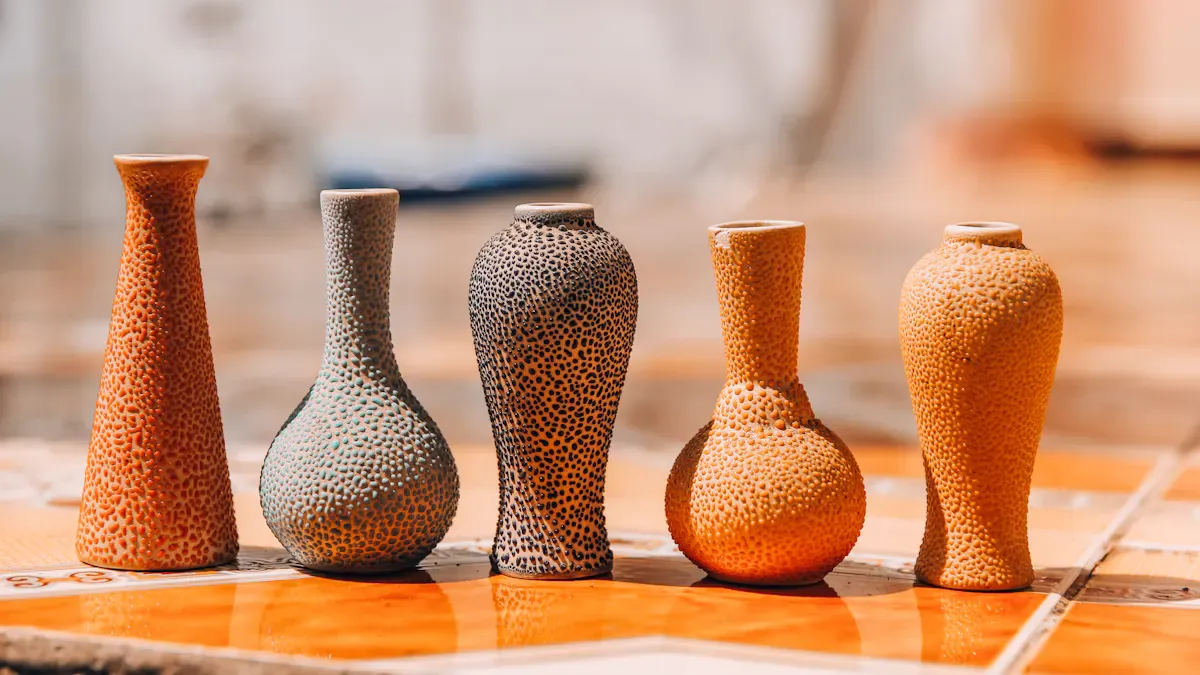
When you Choose Between Glaze finishes, you will see four main types. These are glossy, matte, satin, and crackle or textured. Each type gives your ceramics a different look and feel. Let’s talk about each one so you can pick the best finish for your project.
Glossy
Glossy glazes are shiny and reflect light. They make colors look bright and bold. Many clayesouk cups use this finish. The surface almost sparkles in sunlight. Glossy glazes protect your ceramics and make them easy to clean.
Here is what makes glossy glazes special:
Characteristic | Description |
|---|---|
The surface shines and bounces light. | |
Chemical Composition | More silica in the glaze means more gloss. |
Firing Conditions | Fast cooling in the kiln can make the glaze even glossier. |
Glossy finishes also help your ceramics last longer:
Function | Description |
|---|---|
Waterproofs | Stops water from soaking into your piece. |
Keeps your cup or bowl looking clean. | |
Adds durability | Makes your ceramics stronger and less likely to chip. |
Matte
Matte glazes feel soft and look calm. They do not reflect much light. This gives your ceramics a cozy and modern look. Many clayesouk mugs have matte finishes. They are great for a relaxed morning coffee.
Matte glazes look trendy and feel velvety.
They can be harder to clean and may need more wiping.
Some matte finishes, like satin or silky matte, are easier to clean. Dry matte glazes might get a “tea patina” over time. This adds character but does not hurt safety.
Satin
Satin glazes are between glossy and matte. They have a gentle shine and feel smooth. The shine is not too bright. This finish works well in stylish homes and boutique spaces. Many clayesouk pieces use satin glazes. They mix tradition with a modern touch.
Here is how satin compares to other finishes:
Finish Type | Appearance | Durability |
|---|---|---|
Glossy | Shiny, reflects light | Needs more care, shows wear |
Matte | Soft, non-reflective | Hides marks, good for daily use |
Satin | Subtle shine, smooth to the touch | Durable and easy to maintain |
Crackle and Textured
Crackle and textured glazes make unique surfaces. Crackle glazes show fine lines, like a spider web or snowflakes. Textured glazes add bumps or grooves you can feel. These finishes make each piece special. Clayesouk often uses crackle effects to show off handmade beauty.
Unique Effect | Description |
|---|---|
Aesthetic Quality | Crazed or crackled surfaces add depth and interest. |
Snowflake Crackle | Looks layered, almost like frost on a window. |
Functional Limits | Best for display pieces, not for everyday eating or drinking. |
Tip: If you want your ceramics to stand out as art, try a crackle or textured glaze. These finishes turn simple shapes into something special.
Application and Transparency
Glaze Application Methods
There are many ways to put glaze on ceramics. Each way makes your piece look different. Some artists use a brush for more control. Others dip their ceramics for a smooth finish. Spraying is good for thin layers or big pieces. Sponging gives your ceramics texture and depth. You can also layer glazes to make colors look richer.
Here’s a quick table to help you compare:
Method | Description | Impact on Finish |
|---|---|---|
Dipping | Submerge the piece in glaze for an even coat. | Great for large areas, needs good timing |
Spraying | Use a spray gun for controlled application. | Perfect for gradients and layering |
Brushing | Apply with soft brushes for detailed designs. | Lets you build up thin, even coats |
Sponging | Dab glaze with a sponge for textured effects. | Adds depth and variety |
Layering | Combine different glazes for unique results. | Creates visual depth and texture |
Make sure your pottery is clean and smooth before glazing. Sanding helps the glaze stick better to the surface. Let each layer dry before you add another one. If you want special patterns, try resist techniques. These keep glaze off some spots and help you make cool designs. Always check for rough spots before firing your piece. Follow the firing steps for the best results.
Tip: Try using thick and thin glaze coats. Thick coats make colors bright. Thin coats give a softer look.
Transparency and Opaqueness
Glaze transparency changes how your ceramics look. Transparent glazes let you see the clay and underglaze. This makes your piece look deep and colorful. Opaque glazes cover everything and make colors look softer. Sometimes, bright colors turn into pastel shades.
Transparent glazes show deep, rich colors.
Opaque glazes can make colors lighter and softer.
Adding opacifiers blocks light, so you need more colorant for strong colors.
If you want bold designs, use opaque glazes. For layered looks or to show off the clay’s texture, pick transparent glazes. The choice is yours. Try different glazes and see what you like best.
Note: Opaque glazes are good for bright colors and detailed designs. Transparent glazes are great for showing layers and depth.
Firing and Glaze Results
Temperature Ranges
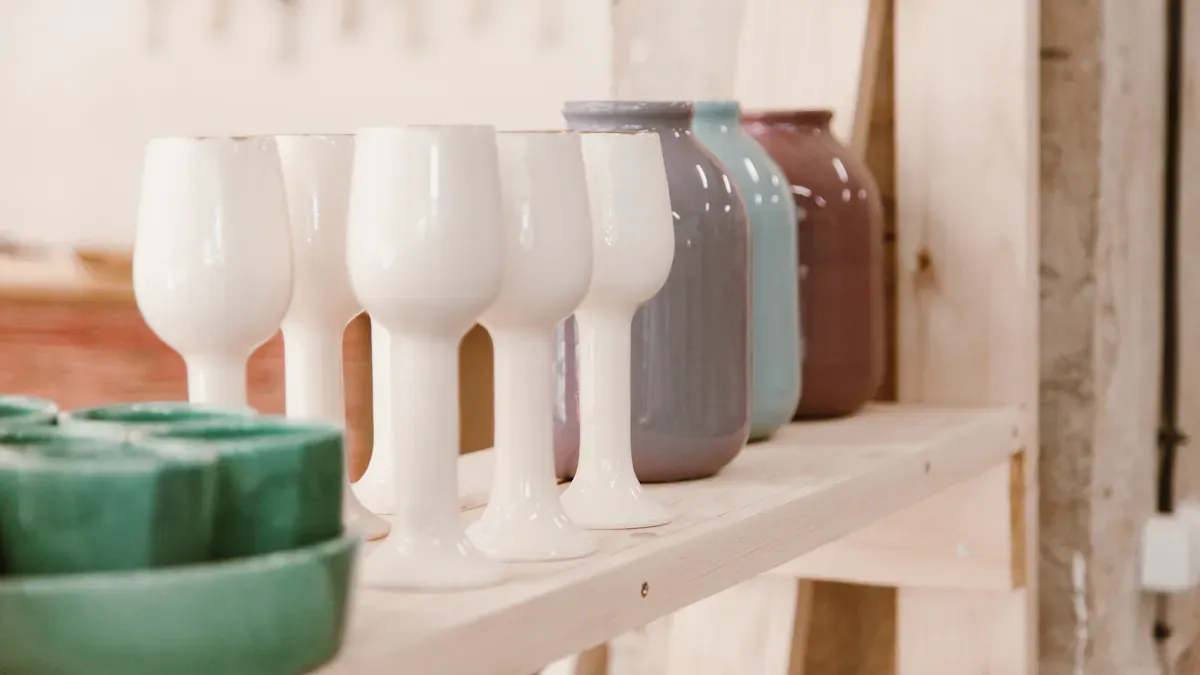
When you heat ceramics, the kiln’s temperature changes the glaze. Each glaze type needs a certain amount of heat. If you use the right heat, your finish will be smooth and strong. If you use the wrong heat, the glaze can crack or lose color.
Here’s a table to help you remember the heat ranges:
Glaze Type | Temperature Range (°F) | Temperature Range (°C) |
|---|---|---|
Low Fire | 1828 – 1945 | 998 – 1063 |
Mid Fire | 2167 – 2262 | 1186 – 1239 |
High Fire | 2280 – 2345 | 1249 – 1285 |
Low fire glazes are good for bright colors and simple looks. Mid fire glazes give you more choices for texture and strength. High fire glazes make strong, glassy surfaces that last a long time.
Tip: Always read your glaze label for the right firing range. This helps you avoid mistakes and keeps your ceramics safe.
Kiln Types
The kiln you pick changes how your glaze looks. Each kiln makes a different air inside, which changes color and texture. Some kilns use electricity. Others use gas, wood, or salt.
Kiln Type | Firing Atmosphere | Effects on Glaze Firing Outcomes |
|---|---|---|
Oxidation | Bright, even colors. Metallic colorants stay in higher oxide states. | |
Gas/Wood Kilns | Reduction | Colorants change. You get effects like copper red or celadon. Melt fluidity changes. |
Salt/Soda Kilns | Vapor Glazing | Makes rivulets and orange-peel textures on the glaze surface. |
Raku | Rapid Cooling | Dramatic effects. Fast cooling makes special patterns. |
Wood Kilns | Ash Introduction | Ash melts into the glaze, changing texture and finish. |
Neutral Kilns | Neutral | Not oxidizing or reducing. Results depend on the glaze formula. |
If you want bright, even colors, electric kilns are a good pick. For special effects like crackle or deep reds, try gas or wood kilns.
Common Issues
Glaze firing can surprise you. Sometimes you see pinholes, cracks, or dull spots. You can stop most problems with a few easy steps.
Do not use soluble materials like lithium carbonate and soda ash. These can cause pitting and pinholes.
Use spodumene instead of lithium carbonate if you need lithium in your glaze.
Here is a checklist for better results:
Preheat your kiln to dry out clay and glaze.
Use witness cones to check the heat during firing.
Space your pieces so heat moves around them evenly.
How fast you cool also matters. Fast cooling keeps your glaze shiny and glassy. Slow cooling can make crystals and change the finish.
Note: If you see problems, try changing your firing speed or glaze recipe. Small changes can make a big difference.
Practical Guide to Glaze Selection
Checklist for Choosing
You want to pick the right glaze finish for your ceramics. A simple checklist can help you make smart choices:
Think about how you will use your piece. Will it hold food or just look pretty on a shelf?
Decide what style you like. Do you want something shiny, soft, or textured?
Check your firing method and kiln type. Some glazes need high heat, while others work at lower temperatures.
Test different glaze thicknesses. Thicker coats give bold, glossy colors. Thin coats create soft, matte, or translucent effects.
Here’s a quick table to help you remember the basics:
Tools and Equipment | |
|---|---|
Respirator | Glaze sieve (80 mesh) |
Rubber gloves | Nylon bristle dish brush |
Safety glasses | Buckets with lids |
Apron or lab coat | Sealable containers |
Scale for weighing powders |
Project Examples
Let’s look at how you can use these ideas in real projects. Maybe you want to make a set of coffee cups with a glossy finish. Try a thick glaze layer for bright color and shine. If you love a cozy, modern look, use a matte glaze on a handmade mug. For something unique, experiment with crackle glazes on a vase. Clayesouk’s artisans often mix traditional and modern glazes to create one-of-a-kind pieces. You can do the same by trying new combinations and finishes.
Testing and Experimenting
Testing is key to finding your favorite glaze finish. Make small test tiles before glazing your main piece. Label each tile with the glaze recipe, firing details, and your notes. Take photos and keep a glaze journal. Write down what works and what doesn’t. Even small changes can make a big difference. Try mixing glazes or changing the thickness. Learn from your results and don’t worry about mistakes. Brands like clayesouk encourage this kind of creative testing. You’ll discover new effects and build your own style over time.
Tip: Keep your workspace safe and well-ventilated. Always wear a respirator when working with glaze powders.
Choosing the right glaze finish means thinking about how you’ll use your piece, the look you want, and your own style. You can check for smoothness, even color, and the right thickness. Try different glazes to see what works best. Brands like clayesouk show how tradition and new ideas can mix. When you experiment, you find new colors and textures. Enjoy the process and let your creativity shine!
FAQ
What glaze finish works best for everyday cups?
You want a glossy glaze for daily cups. It’s easy to clean and keeps your cup looking bright. Matte finishes feel nice but may show stains more quickly.
Can I mix different glaze finishes on one piece?
Yes, you can mix finishes. Try layering glossy and matte glazes for unique effects. Test on a small tile first to see how they blend.
How do I know if a glaze is food safe?
Look for “food safe” on the glaze label. If you’re unsure, ask the supplier or check their website. Brands like clayesouk always use food-safe glazes for cups and mugs.
Why does my glaze sometimes crack or bubble?
Cracks or bubbles happen when the firing temperature isn’t right. Make sure you follow the glaze instructions. Test your glaze on a tile before using it on your main piece.
Do handmade ceramics need special glaze care?
Handmade ceramics need gentle cleaning. Avoid harsh scrubbers. If your piece has a crackle finish, use a soft cloth. You keep the glaze looking beautiful longer.