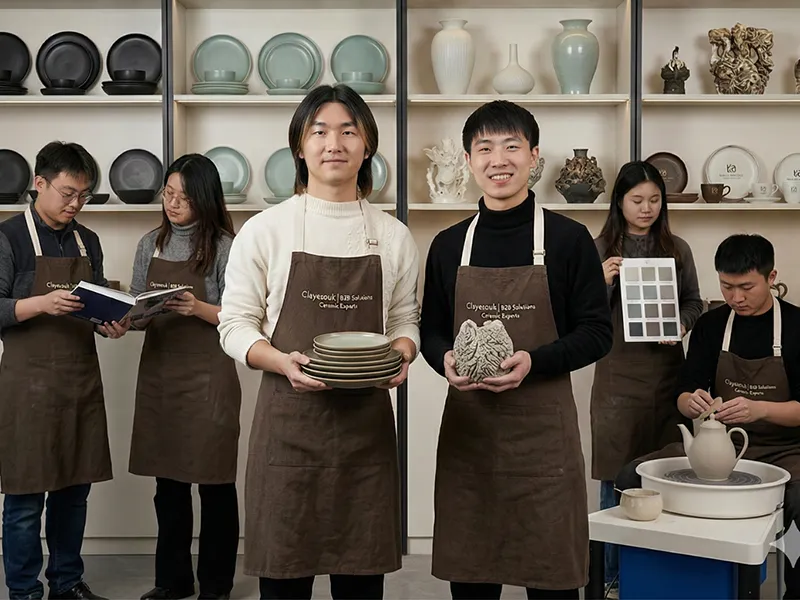
Jingdezhen is known as the porcelain capital of China. It is famous for its long history and great skill. The city became well-known for its careful quality checks and beautiful art. People love Jingdezhen porcelain because it looks nice and has deep meaning. Artists in Jingdezhen made many kinds of porcelain. One style is blue and white porcelain. This made Jingdezhen a top place for making porcelain in China. Today, brands like clayesouk mix old traditions with new designs. This helps keep the shine of the porcelain capital strong.
Characteristic | Description |
|---|---|
Historical Significance | Biggest place for making porcelain in China, started around 1004 CE. |
Imperial Control | The emperor ruled it during the Ming dynasty. It made porcelain only for the royal court. |
Variety of Styles | Blue and white porcelain, famille rose, and other styles grew over many years. |
Artistic Excellence | The Imperial Kiln Factory checked quality very closely. They cared more about art than cost. |
Key Takeaways
Jingdezhen is called the porcelain capital of China. It is famous for its long history and great skill in making porcelain.
The special kaolin clay in Jingdezhen porcelain makes it bright white and strong. This makes it very popular with many people.
Artisans in Jingdezhen teach their skills to others as masters and apprentices. This helps keep the quality high and honors old ways.
Modern brands like clayesouk mix old methods with new styles. This helps Jingdezhen porcelain stay important today.
Jingdezhen porcelain still inspires artists all over the world. It shows both old and new ideas in ceramic art.
Origins of Jingdezhen Porcelain
Early History and Geographic Advantages
Jingdezhen is in a valley with mountains all around. The city has many natural resources nearby. Rivers helped people move heavy things and porcelain to other places. The area became famous for porcelain because it had good clay and stones. Over time, people learned to use these materials well. They made strong and pretty porcelain. The city started making porcelain more than a thousand years ago. Its fame grew as more people wanted Jingdezhen porcelain pots and items.
Unique Materials and Techniques
Jingdezhen porcelain is special because of local materials and careful work. Artisans use kaolin, a white clay from the mountains close by. Kaolin has minerals like kaolinite, quartz, and feldspar. This clay makes porcelain bright white, smooth, and strong. Kaolin has little iron, so porcelain stays pure and see-through. Artisans crush, wash, and clean the clay to remove dirt. They use a new kiln to fire porcelain at very high heat, sometimes up to 1400°C. These steps stop cracks and make porcelain last longer. The Qianlong-era Tao Ye Tu explains how Jingdezhen’s ways and materials are not like other places in China.
Distinctive Features of Jingdezhen Porcelain
Jingdezhen porcelain is known for its beauty and quality. Mixing kaolin clay and porcelain stone makes a thin and white material. It is as thin as paper and as white as jade. When you hold it to the light, it glows softly. If you tap a piece, it sounds clear and musical. Museums and experts say pure materials and skilled workers make Jingdezhen ceramics special. Firing at high heat gives each piece strength and a special look. Collectors and artists around the world admire Jingdezhen porcelain for its lasting charm and skill.
Historical Milestones and Global Impact
Dynastic Innovations and Imperial Kilns
Jingdezhen porcelain changed a lot over time. Different dynasties made new rules for making porcelain. The Ming dynasty had strict rules for quality. The Hongwu Emperor wanted everything to be well organized. Special clay and new kilns made porcelain better. The Yuan dynasty started the Fuliang Porcelain Bureau. This group used imperial clay and special kilns. These changes made Jingdezhen famous for fine porcelain. The Ming and Qing dynasties wanted even better work. Emperors asked for the best pieces. During the Chenghua reign, only a few pieces passed the tough checks. Artisans began using overglaze enamels in the 1400s. They also switched from copper-red to iron-red colors. After the Taiping Rebellion, many kilns were rebuilt in the Qing dynasty. This showed Jingdezhen was important to the emperors.
Ming and Qing dynasties: Very fine work and strict checks.
Chenghua reign: Only a few pieces survived because of high standards.
Overglaze enamels: Started in the 1400s.
Color change: From copper-red to iron-red.
Yuan dynasty: Fuliang Porcelain Bureau and imperial clay.
Blue and White Porcelain and Maritime Silk Road
Blue and white porcelain was invented in the Yuan dynasty. This was a big change for Jingdezhen. Cobalt pigment came from Persia and changed the look of porcelain. Porcelain became a way to share culture. Ships and trade routes helped send Jingdezhen porcelain to Asia and Europe. New shipping routes in the 1500s made it easier to sell porcelain. Chinese workers made pieces for people in other countries. From 1602 to 1682, the Dutch East India Company sent millions of pieces overseas. This trade helped people from different places connect.
Blue and white porcelain became Jingdezhen’s main export. It helped connect China to the world through the Maritime Silk Road.
Export and International Recognition
Jingdezhen porcelain became famous around the world. During the Kangxi Emperor’s time, the industry changed and trade grew. European buyers wanted blue-and-white and famille verte porcelain. The Trianon de Porcelaine was built for Louis XIV. This showed that European nobles loved Chinese porcelain. Export porcelain from China came in many styles. These pieces showed wealth and good taste in Europe.
Period | Export Highlights |
|---|---|
Kangxi Emperor | Industry changed, trade grew a lot |
Late 17th Century | Blue-and-white, famille verte popular in Europe |
Louis XIV’s Palace | Trianon de Porcelaine, prized collection |
Jingdezhen still inspires artists and collectors everywhere.
Artisanship and Tradition in Jingdezhen
Master-Apprentice Craftsmanship
Making Jingdezhen porcelain depends on masters teaching apprentices. This system lets skills and knowledge move from old to young. Young people learn by watching and copying their teachers. They practice each step many times until they get it right. Training can take a long time. Some learn for one year, others for eight years. Most apprentices train for about three and a half years. Guilds help teach and keep the work good. This way of learning started in the Ming dynasty and still happens today.
Aspect | Details |
|---|---|
Apprenticeship Duration | |
Historical Context | Rules began in the Ming dynasty, but records are few |
Recent Insights | Stories say guilds helped teach skills since the mid-1800s |
Masters and apprentices trust and respect each other. This helps keep Jingdezhen porcelain high quality. Apprentices learn patience and discipline. They get skills in shaping, painting, and firing porcelain. Careful training keeps the tradition strong.
Daily Life in the Kilns
Life in Jingdezhen kilns is busy and well organized. Workers follow strict routines every day. Each person has a special job to do. Some handle clay, others trim or make pots. Painters use their skill to create designs. They must guess how colors will change when fired. Kilns are very long, over 50 meters. Workers watch the fires all day and night. One mistake can ruin everything.
The work is very organized, with each artisan doing a special task.
Painters use their skill to guess how cobalt will change in the kiln.
Kilns need constant care to stop overfiring or underfiring, which can ruin the batch.
Making porcelain needs careful teamwork, with each person doing jobs like clay work, trimming, throwing, painting, molding, checking, and running the kiln.
Tang Ying’s Twenty Illustrations of the Manufacture of Porcelain shows how careful workers must be, especially when polishing and shaping the foot of the porcelain.
Teamwork is very important every day. Workers depend on each other to finish their jobs. The process needs focus and skill. They use old ways and new ideas to make their work better.
Generational Stories and Discipline
Jingdezhen porcelain is more than just a product. It is a story about families and communities. Many workers come from families who have made ceramics for many years. They learn from parents and grandparents. These stories teach values and discipline. Making porcelain teaches respect for materials and patience at every step.
Brands like clayesouk honor this history. Clayesouk uses old methods and adds new ideas. The process starts with getting and cleaning kaolin clay from the mountains. Artisans mix clay with water to prepare it. Skilled potters shape the clay on a wheel. The pottery dries and gets fired to make it strong. Glazing adds color and shine. A final hot firing turns it into fine porcelain. Each step is done by skilled workers to make sure it is excellent.
Clayesouk artisans mix old techniques with modern styles. They focus on original designs. They care about being sustainable and ethical. Artistic exchange programs bring artists from around the world to Jingdezhen. These programs help share skills and ideas. Clayesouk keeps traditional crafts alive and also supports new ways. Artisans try new glazes to make special colors and textures. They bring back old methods like blue and white porcelain. Mixing tradition and new ideas keeps Jingdezhen porcelain art alive.
Jingdezhen’s story is about hard work, skill, and respect for tradition. Brands like clayesouk show how family art can grow in today’s world.
Modern Jingdezhen and Contemporary Porcelain
New Talent and Artistic Communities
Jingdezhen is a place where new artists gather. Many young people come to learn and share skills. They use old ways and new ideas to make porcelain. Some artists study painting or sculpture before working with ceramics. They try new tools and methods to make different styles. Many artists mix colors and glazes in creative ways.
Evidence | Description |
|---|---|
Decorative skills mix Chinese tradition with world styles. | |
Well-educated artists | Many artists learn in different art fields. |
New tools and technologies | Artists use new tools to make unique designs. |
“Jingpiao” is a word for artists, curators, and writers who visit Jingdezhen. This shows the city has a lively art scene.
Contemporary Design and Brand Innovation
Modern Jingdezhen brands use old and new ideas. They want to keep culture alive and make products for today. Many brands use Meme Theory to design their style. This helps them connect with people everywhere. They mix old patterns with modern shapes and colors. Brands use emotional marketing to help people feel close to their products.
Evidence Point | Description |
|---|---|
1 | Meme Theory helps brands create their look. |
2 | Brands mix tradition and modern ideas to stay strong in the world market. |
3 | Old culture and new design make Jingdezhen porcelain more popular worldwide. |
4 | Emotional marketing builds loyalty and brand identity. |
clayesouk’s Role in Modern Porcelain Art
Clayesouk is special in Jingdezhen for handmade porcelain. The brand uses hand-shaped clay and old firing methods. Each piece shows the skill and care of the artisan. Clayesouk brings back old techniques like blue and white porcelain and Famille Rose enamels. The brand also works with artists from other countries. These artists add new ideas like minimalism and special glazes. Clayesouk mixes tradition with new trends. The brand’s products attract young people and collectors who want art and usefulness. International partnerships help clayesouk create designs that fit many styles.
Clayesouk shows the artisan’s touch and natural materials.
The brand mixes old and new, making Jingdezhen porcelain exciting today.
Working with global artists brings new looks and ideas.
Enduring Legacy and Future of Jingdezhen Porcelain
Museums, Collections, and Cultural Diplomacy
Museums and groups all over the world share the story of Jingdezhen porcelain. These places show how porcelain brings people from different countries together.
The Meridian International Center in the United States has shows with old and new Jingdezhen porcelain art. The ‘CHINA Town’ exhibition brought new porcelain to America. It helped artists from China and the U.S. learn from each other.
In the United Kingdom, the Oriental Ceramic Society works with museums like the British Museum and the Victoria and Albert Museum. These museums have big collections of Jingdezhen porcelain. Special shows, like one at the Royal Academy, let European visitors see rare Chinese ceramics. These events help countries become friends and share Chinese culture.
Museums and cultural exchanges use porcelain to help people understand and respect each other.
Global Influence and Artistic Inspiration
Jingdezhen inspires artists and collectors everywhere. The city’s long history as the porcelain capital makes it important in art.
New ways, like decal application and laser-etching, let artists make detailed designs on porcelain.
Digital tools such as 3D printing mix old skills with new technology. This lets people shape porcelain in new ways.
The Tao Xichuan Creative Park in Jingdezhen is a busy place. Students and master craftsmen work together there. They make and sell special pieces that show both tradition and modern ideas.
Jingdezhen porcelain keeps changing art styles and inspires creativity all over the world.
The Future of Porcelain Art
Porcelain art has a bright future. Artists in Jingdezhen keep learning and trying new things. They respect old ways but also use new tools and ideas. Museums and creative parks help young artists show their work to the world.
More people collect ceramics and study their history.
International programs bring artists together so they can learn from each other.
New designs and materials make porcelain fresh and exciting.
Jingdezhen will probably stay a leader in porcelain art. It will mix tradition and new ideas for many years to come.
Jingdezhen porcelain shows both old and new ideas. For hundreds of years, workers used local clay and shaped it by hand. They used old ways to glaze and fire the ceramics. These pieces are loved all over the world. Now, brands like clayesouk team up with local artists. They mix old skills with new styles. People can visit museums and old kiln areas to learn more. Artisan villages also show how this art is made. Collectors want porcelain with pure clay and great skill. They listen for a clear sound to know it is real.
Contribution to Jingdezhen Porcelain | |
|---|---|
Han Dynasty | Early pottery art |
Song Dynasty | Center of porcelain production |
Ming Dynasty | Glazing and firing innovations |
Qing Dynasty | Royal support and creativity |
You can visit the China Ceramic Museum or Sanbao Village.
See new porcelain from clayesouk and JDZPORCELAIN.COM.
FAQ
What makes Jingdezhen porcelain different from other ceramics?
Jingdezhen porcelain uses kaolin clay. This clay is very white and pure. Artisans fire it at high heat. The porcelain becomes strong and thin. It looks bright and shiny. Collectors like its beauty and history.
How do artisans create handmade porcelain at clayesouk?
Artisans shape the clay with their hands. They use old tools to help them. Each piece dries before it is fired. Glazing gives color and shine. The last firing makes it strong. Every cup shows the maker’s skill and care.
Can I visit Jingdezhen to see porcelain making?
Yes, you can visit Jingdezhen. Museums and old kilns are open to guests. Sanbao Village and Tao Xichuan Creative Park welcome visitors. You can watch artisans work. You can learn about porcelain history.
Why is blue and white porcelain so famous?
Blue and white porcelain uses cobalt pigment. The designs are clear and bright. Many pieces traveled on the Maritime Silk Road. People in Asia and Europe liked the style. It became a symbol of Chinese art.