You notice two different worlds in Gongfu Cha and Chanoyu. The Chinese Tea Ceremony focuses on careful brewing and enjoying the senses. The Japanese tea ceremony centers on Zen ideas like being calm and working together. Both tea ceremonies show great respect for old ways and art.
Tea rituals help people pay attention and think deeply.
Making and serving tea slowly helps people feel calm.
These ceremonies help people get along and feel close to each other.
You find beauty in simple things and being humble with every cup of tea.
Key Takeaways
Gongfu Cha is about lively talking and skillful tea making. Chanoyu is about being calm and following Zen ideas. Both tea ceremonies help people be mindful. They help you slow down and enjoy the moment. Gongfu Cha lets you show your own style when making tea. Chanoyu uses strict rules and old traditions. Each ceremony teaches harmony, respect, and peace. They help people feel close to each other and to nature. Using real tea tools makes the experience better. It helps you connect to the long history and art of tea culture.
Chinese Tea Ceremony vs Japanese Tea Ceremony
Main Differences
When you compare the Chinese tea ceremony and the Japanese tea ceremony, you can see they are not the same. They have different styles, reasons, and feelings. Gongfu Cha is lively and lets people change things. The host pours tea with skill and sometimes lets cups overflow. People talk and enjoy being together. Chanoyu is very strict and quiet. Every move is important and follows rules.
Gongfu Cha tries to get the best taste from the tea leaves. People use special ways to brew tea and drink from their own cups.
Chanoyu is based on Zen Buddhist ideas. There is a set order for everything. People share one bowl of matcha and move slowly and calmly.
Gongfu Cha lets you change how you make tea. You can brew tea your own way. Chanoyu has a set way to do things, often taught by schools like Urasenke.
In Gongfu Cha, people talk and connect. In Chanoyu, people stay quiet and think.
You can also see differences in what the host and guest do, and what kind of tea they use:
Ceremony | Host Role | Guest Role |
|---|---|---|
Gongfu Cha | Talks with guests and makes everyone feel welcome | Enjoys each sip and notices the small details of the tea |
Chanoyu | Prepares tea carefully and cares about beauty and calmness | Looks at the tea tools and enjoys the peaceful feeling |
Ceremony | Type of Tea Used |
|---|---|
Gongfu Cha | |
Chanoyu | Matcha |
Each tea ceremony has its own special steps. In Chanoyu, you take off your shoes and wash your hands before you go in. The host gives out sweets called wagashi. The host uses a bamboo whisk to mix matcha and shares the bowl. Guests bow and drink in a special way. Gongfu Cha does not have these same steps, but it has its own ways that focus on making and sharing tea.
Shared Traditions
Even though Gongfu Cha and Chanoyu look different, they have many things in common. Both teach about harmony, respect, purity, and peace. These ideas help people get along and feel close to nature.
Harmony (Wa): You learn to keep your actions and thoughts balanced.
Respect (Kei): You show care for people and things around you.
Purity (Sei): You keep your space and mind clean.
Tranquility (Jaku): You find calmness right now.
Both tea ceremonies started with Buddhist monks who brought tea from China to Japan. Over time, tea became a sign of culture and social class in both countries. Rich people in Japan and China used tea to show their place in society. Today, Chinese tea arts like Gongfu Cha have even learned some things from Japanese tea.
Both tea ceremonies help you slow down and notice what you are doing. Each step helps you practice being mindful. Sharing tea brings people together and makes every meeting special.
History and Origins
Gongfu Cha Roots
Gongfu Cha started in Chaozhou, China, in the 1600s. People there wanted to make oolong tea taste its best. They used small clay pots and gaiwans to brew tea carefully. At first, only tea fans and experts knew about Gongfu Cha. It was not famous outside the area. Books like Yuan Mei’s Suiyuan Shidan talked about tea in the Wuyi mountains. The name “gong fu cha” came later. Old records show Gongfu Cha stayed local until the 1900s. It became more popular when people shared it with others, especially in Taiwan.
Some experts think Gongfu Cha began in the 1700s in Fujian’s Wuyi mountains. Others say it started in the Song dynasty in Chaoshan.
The Chaoshan area got rich from sea trade. This helped people share ideas and grow a strong tea culture.
The practice began in Chaozhou, Guangdong. It changed as people learned from other places.
In the 1970s and 80s, tea lovers in Taiwan wanted a tea culture as pretty as the Japanese tea ceremony. They made Gongfu Cha better and more well-known.
Chaoshan is close to Fujian, so tea ideas spread easily.
Gongfu Cha became more detailed and artistic over time. It even took some ideas from Japanese tea rituals. Chaozhou Gongfu Cha is known for skill, but it does not have strict rules like Japanese ceremonies.
Chanoyu Evolution
Chanoyu was first mentioned in Japan’s Nara period. People used tea as medicine at first. In the Kamakura period, Zen Buddhism changed how people saw tea. Myoan Eisai, a Japanese priest, brought tea seeds from China in 1187. He grew tea for religious reasons and started grinding tea leaves before making tea. This helped start the Japanese tea ceremony.
Japanese Buddhist priests brought powdered green tea from China in the 1100s.
Drinking tea became part of Zen life. It helped monks meditate and stay awake.
Important people like Murata Shuko and Sen Rikyu shaped Chanoyu. They made it fit Zen ideas of being simple and calm.
Monks brought tea-sharing to Japan. Later, Chanoyu moved from temples to homes and became part of daily life.
Zen Buddhism was very important for Chanoyu. The ceremony grew from a temple ritual into a cultural tradition. It shows the values of harmony, respect, and mindfulness.
Tea Ceremony Rituals
Gongfu Cha Steps
You can experience Gongfu Cha by following a series of careful steps. Each part of the process helps you enjoy the full flavor and aroma of the tea. Here is how you can perform this traditional Chinese tea ritual:
Select your tea. Choose a high-quality loose leaf tea, such as oolong or pu-erh.
Prepare your water. Heat the water to the right temperature for your chosen tea.
Warm your vessels. Pour hot water over your teaware to clean and heat them.
Add tea leaves. Place about 5-8 grams of tea into your gaiwan or teapot.
The awakening rinse. Pour hot water over the leaves, then quickly discard this first infusion.
First true infusion. Add hot water again and steep the tea for 10-20 seconds.
Decant fully. Pour the brewed tea into a fairness pitcher to ensure even flavor.
Serve and appreciate. Pour the tea into small cups for your guests. Take time to notice the aroma and taste.
Subsequent infusions. Repeat the process, increasing the steeping time slightly with each round.
These steps help you focus on the details of the tea and the act of sharing it with others. Gongfu Cha encourages you to slow down and enjoy each moment.
Chanoyu Process
When you take part in Chanoyu, you enter a world shaped by Japanese culture and Zen philosophy. The process of this tea ritual goes beyond making and drinking tea. Every movement and gesture has meaning. You begin by entering a clean, quiet space. The host greets you with a bow, showing respect and hospitality.
The host prepares the tea tools with great care. Cleaning the tea bowl and whisk is not just about hygiene. It symbolizes purity and the clearing of the mind. You watch as the host measures matcha powder and adds hot water. The host uses a bamboo whisk to blend the tea until it becomes smooth and frothy.
You receive the bowl with both hands, bowing in gratitude. You turn the bowl before drinking, showing respect for the art and the host. The taste of the tea is rich and deep. You notice the beauty in the simple, imperfect bowl. This moment teaches you about harmony, respect, and tranquility.
Chanoyu invites you to be present and mindful. The steps of the ceremony reflect the values of Japanese culture. You learn to appreciate the art of tea and the connection it creates between people.
Tools and Utensils in Tea Ceremony
Chinese Tea Ceremony Tools
When you go to a Chinese tea ceremony, you see many special tools. Each tool has its own job and helps you enjoy tea more. Here are some main things you will use:
Teapot (Cháhú): You use this small pot to brew tea leaves.
Gaiwan (Gàiwǎn): This bowl with a lid helps you control how tea brews.
Fair Cup or Serving Pitcher (Gōngdào Bēi): This pitcher makes sure everyone’s tea tastes the same.
Tea Cups (Chábēi): You drink tea from these small cups and taste all the flavors.
Fragrance Cup (Wén Xiāng Bēi): You smell the tea’s scent before you drink it.
Tasting Cup (Pǐn Míng Bēi): You use this cup to taste the tea.
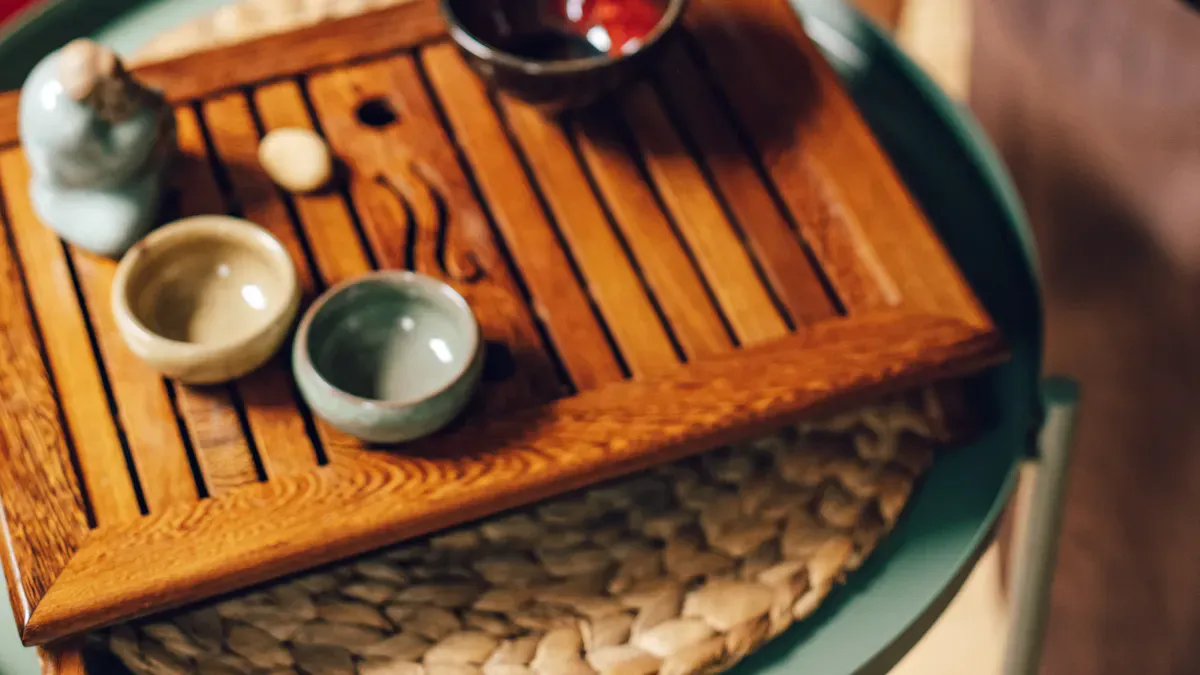
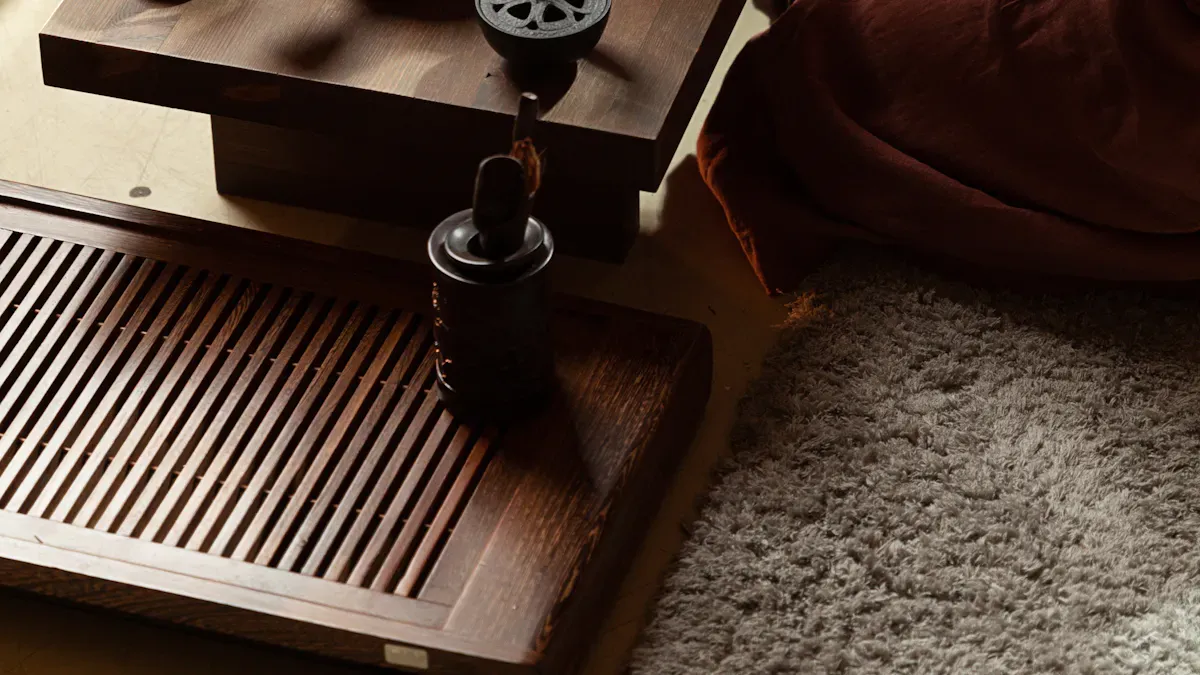
Tea Tray (Chá Pán): This tray catches spills and keeps your table clean.
Tea Pet (Chá Chǒng): You pour extra tea on this little figure for good luck.
Tea Towel (Chá Jīn): You use this towel to clean and hold hot things.
Tea Needle and Tongs: These tools help you break tea and hold hot cups.
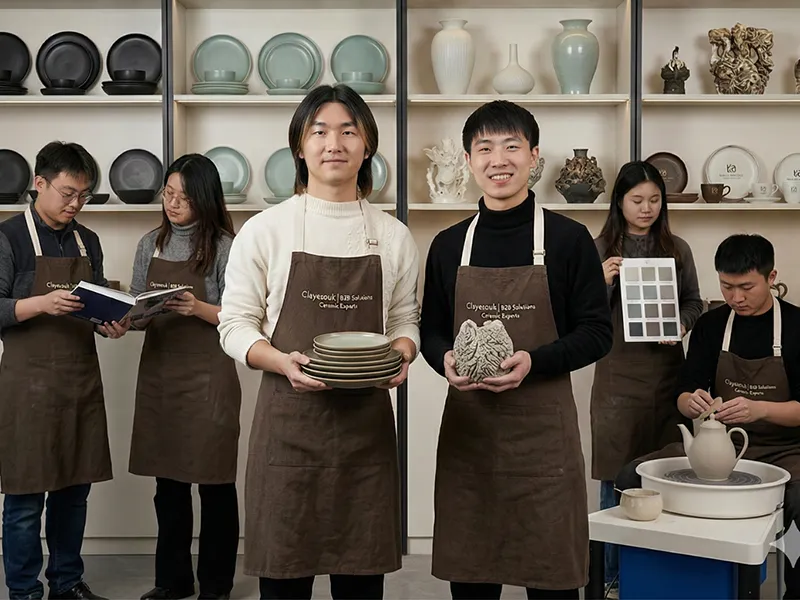
You can find handmade ceramic cups from clayesouk. These cups show the skill of Chinese artists. They come from Jingdezhen, a place known for making beautiful ceramics for a long time. When you use a clayesouk cup, you hold art made by talented people.
Japanese Tea Ceremony Implements
In the Japanese tea ceremony, you use tools that show simple and calm values. Over time, people stopped using fancy Chinese teaware. They started using more simple Japanese items. Here are some important tools:
Tea Bowl (Chawan): You drink matcha from this bowl. Every bowl is special.
Bamboo Whisk (Chasen): You use this whisk to mix tea powder and water.
Bamboo Scoop (Chashaku): You use this scoop to measure the tea.
Tea Caddy (Natsume or Chaire): You keep tea powder in this container.
Linen Cloth (Chakin): You use this cloth to wipe the bowl.
Water Ladle (Hishaku): You use this ladle to add water to the bowl.
These tools help you pay attention to what you are doing. The Japanese tea ceremony uses both old and new things. This shows respect for everyday items.
Aesthetic Comparison
You can see that Chinese and Japanese tea tools look and feel different. The table below shows how each style sees beauty:
Aspect | Japanese Aesthetics | |
|---|---|---|
Emphasis | Harmony between people and nature | Simple and quiet beauty |
Beauty | Skill and perfect shapes | Beauty in things that are not perfect (wabi) |
Historical Context | Used in formal tea events | Shows being humble and times of trouble |
Design Characteristics | Smooth, thin, and even bowls | Bowls that are rough and not always even |
When you pick real tea tools, you show respect for tea traditions. This makes your tea time better. Brands like clayesouk help keep these old ways alive. They sell handmade cups that mix history, art, and daily life.
Tea Types and Preparation
Chinese Tea Varieties
When you explore Gongfu Cha, you discover a wide range of tea types. Each one offers a different taste and aroma. Here is a table to help you understand the most popular choices:
Type of Tea | Unique Characteristics |
|---|---|
Oolong | Complex flavors and aromas, often floral or fruity. |
Pu-erh | Earthy taste, sometimes aged for a deeper flavor. |
White Tea | Light and sweet, with a gentle aroma. |
Green Tea | Fresh, grassy, and bright in color. |
Black Tea | Strong and full-bodied, with a bold taste. |
Heicha | Fermented, with a unique and rich profile. |
You can choose your favorite tea based on what flavors you enjoy. Each type brings something special to your cup.
Japanese Tea Types
In the Japanese tea ceremony, you usually drink matcha. This is a powdered green tea. There are two main kinds: koicha and usucha. Koicha uses high-quality tea leaves and creates a thick, rich drink. Usucha is lighter and more common outside formal ceremonies. To make matcha, you start with tencha leaves. These leaves are ground into a fine powder. Tea masters often blend leaves from different farms to create a balanced flavor.
Brewing Methods
You prepare tea in different ways during Gongfu Cha and Chanoyu. In Gongfu Cha, you use small teapots or gaiwans. You fill them with a lot of tea leaves and use short brewing times. This method lets you taste many layers of flavor. In Chanoyu, you follow a set ritual. You focus on harmony, respect, purity, and tranquility. The process is slow and careful, making the experience calm and peaceful.
Here is a table to compare the two methods:
Brewing Method | Approach | Impact on Flavor |
|---|---|---|
Gongfu Cha | Skillful, with many short infusions and lots of leaves. | Gives you a wide range of flavors. |
Chanoyu | Careful and calm, with a focus on the ritual. | Shapes the whole experience, not just the taste. |
Custom ceramic designs, like those from clayesouk, can make your tea preparation even better. These handmade cups and teapots add beauty and balance to your tea time. You feel the texture and see the art in every piece. This helps you enjoy both the look and the taste of your tea.
Cultural Meaning and Philosophy
Harmony and Connection in Chinese Tea
When you take part in a Chinese tea ceremony, you enter a place that cares about harmony. The ceremony shows how people and nature are linked. You notice this in each step, like pouring water or sharing tea. The idea of “Tao follows Nature” tells you to live simply. This helps you feel balanced in your life.
The tea ceremony shows the close tie between people and nature.
You learn that people and things have a special connection.
Being simple and honest guides what you do.
You also practice being aware and respecting old ways. You see beauty in every handmade cup. The ceremony lets you enjoy the skill and art of making tea.
Gong Fu Cha is a careful and detailed practice. It shows the Zen idea of being present in what you do.
Mindfulness and Zen in Japanese Tea
The Japanese tea ceremony, called Chanoyu, helps you pay attention to now. Every move, like whisking tea or bowing, asks you to focus. You learn to go slow and think about each action. This comes from Zen ideas. It teaches you to find peace in simple things.
The ceremony helps you think calmly and be mindful.
Each move keeps you focused on the moment.
You learn to be polite and respect others.
The tea room and tools show beauty in things that are not perfect. You see wabi-sabi in rough bowls and quiet spaces.
The Japanese tea ceremony, or Chanoyu, is shaped by Zen ideas. It teaches mindfulness, simple living, and seeing beauty in things that are not perfect, called wabi-sabi.
Tea as Art and Lifestyle
Both Chinese and Japanese tea ceremonies make tea into art. You do more than drink tea; you experience it. The way you make and serve tea shows care and skill. In China, you use a gaiwan to get the best taste. In Japan, you mix matcha with a bamboo whisk. These steps become a way to live.
The Japanese tea ceremony values being mindful and loving simple things.
It helps you live in a healthy and thoughtful way.
Gongfu Cha helps you meditate and connect with others.
The Chinese tea ceremony lets you think and enjoy time with people.
You see that tea culture is more than just a drink. It shapes how you think, act, and connect with the world.
Modern Influence and Global Reach
Contemporary Practice
Tea ceremonies are changing for today’s world. People use tea to take care of themselves. You might make tea to relax after school or to help you focus on homework. Many people make their own tea routines. Some pick teas that help them feel less stressed. Others drink tea to feel closer to their spiritual goals. Some people choose teas that match the season or the moon. This helps them feel close to nature and grow as a person.
Tea is used for self-care. It helps you be calm and think about your day.
You can change your tea ceremony to help with stress or to feel more peaceful.
More people are choosing teas based on the season or the moon. This lets you match your tea to nature.
Now, you can join online tea ceremonies or go to matcha cafes. These new ways let you enjoy tea anywhere and keep old traditions alive.
International Appreciation
Tea ceremonies from China and Japan are now known around the world. People in many countries learn about Gongfu Cha and Chanoyu. The Chinese tea ceremony teaches people how to brew tea carefully and share it with others. The Japanese tea ceremony shows how to be mindful and enjoy simple things. These ideas inspire people to add them to their own tea times.
Chinese tea culture is popular with people everywhere.
Gongfu Cha is enjoyed in many places, showing how far Chinese tea has spread.
Japanese tea ceremonies teach about culture and ways of thinking. They change how people drink tea around the world.
Today, you can find matcha cafes and online tea events. These new ways still focus on good tea and being mindful.
You learn about other cultures through tea ceremonies. They show you special ways to make and drink tea. When you use real tea tools, you connect with history and old customs. You join a worldwide group of people who love the art of tea.
You find that Gongfu Cha and Chanoyu are different in style. Both tea ceremonies show strong respect for old traditions. They also help you learn to pay attention and be calm. These tea rituals teach about harmony, beauty, and making friends. You can see how they are important in Chinese and Japanese culture. If you want to feel the real spirit of tea ceremonies, try using real utensils from clayesouk.
FAQ
What is the main difference between Gongfu Cha and Chanoyu?
You see Gongfu Cha focus on skillful brewing and lively sharing. Chanoyu centers on calm, mindful steps and Zen ideas. Both ceremonies honor tradition, but each has its own style and meaning.
Can you use any cup for a tea ceremony?
You get the best experience with authentic cups. Handmade ceramic cups from clayesouk show true craftsmanship and tradition. These cups help you enjoy the taste and beauty of tea.
Which teas do you use in Gongfu Cha and Chanoyu?
Ceremony | Common Tea Type |
|---|---|
Gongfu Cha | Oolong, Pu-erh |
Chanoyu | Matcha (powdered tea) |
You choose oolong or pu-erh for Gongfu Cha. You use matcha for Chanoyu.
Why do people value handmade tea utensils?
You value handmade utensils because they show history and skill. Each piece feels unique. When you use a handmade cup, you connect with the artist and the tradition.