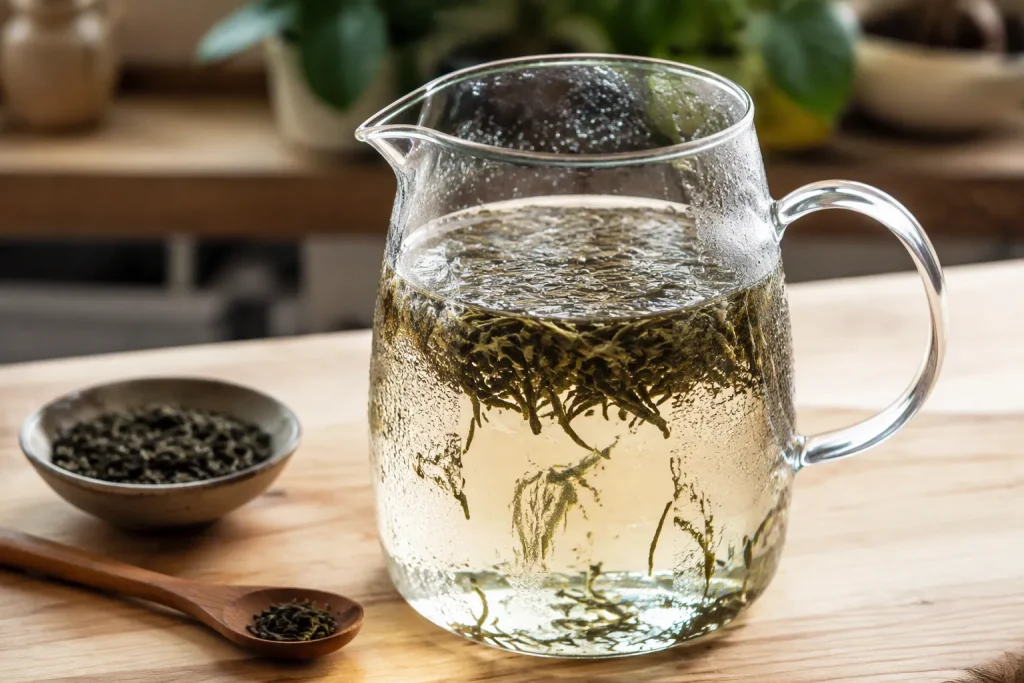
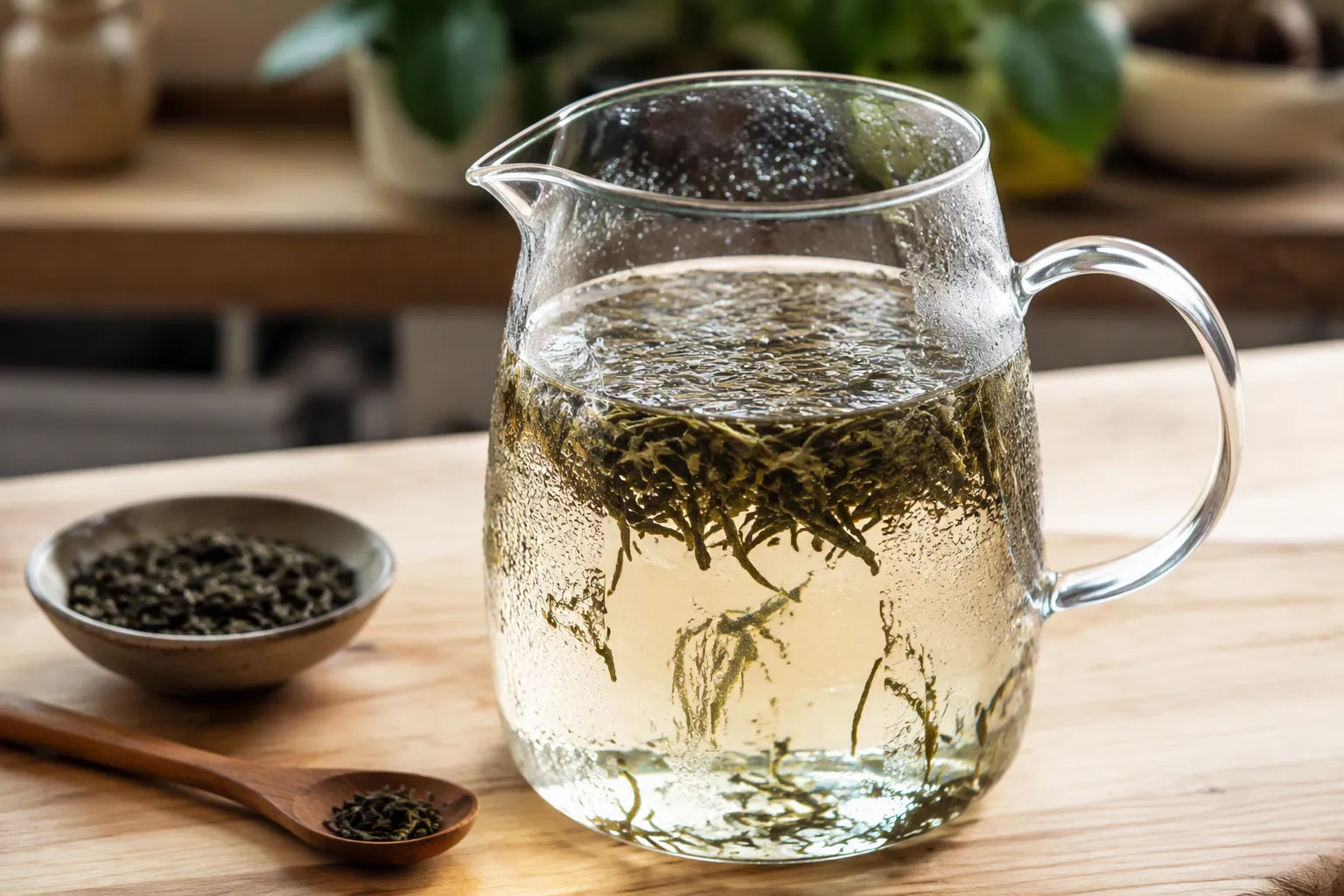
Cold brewing is simple: you steep tea leaves in cold water for several hours instead of pouring hot water over them. Combine the leaves and water, refrigerate for roughly 6 to 12 hours, then strain. That’s the whole method, and it needs no special gear at all.
The payoff is a smoother cup with less bitterness. The process also asks far less of you than hot brewing does. You set it up, walk away, and come back to something good.
Learning how to cold brew tea takes one batch. Grab a jar, pick a tea you like, and let time do the work.
Key Takeaways
Cold brewing uses cold water and time to make tea smooth and less bitter.
You need only tea leaves, a jar, and a strainer—no special equipment.
Adjust the tea-to-water ratio and steeping time to suit your taste.
Cold brew tea keeps in the fridge for a few days; strain the leaves first.
Experiment with different teas to find your favorite cold brew flavor.
What Is Cold Brew Tea?
Cold brew tea is tea that soaks in cold or room-temperature water for a long time. Time, not heat, pulls the flavor from the leaves. You skip the boiling water entirely and let the leaves sit.
This makes cold brewing tea a simple one-step process. You mix leaves and water, then wait. The slower extraction gives you a smooth, naturally sweet cup and leaves most bitter compounds behind.
Cold Brew vs. Hot Brew
Hot water works fast. It releases tannins and caffeine quickly, which gives you a bold, sometimes astringent cup. Cold water works slowly. It pulls flavor gently over hours, so you get a milder, cleaner taste with a crisp finish.
The table below shows the main differences.
Aspect | Cold Brew Tea | Hot Brew Tea |
|---|---|---|
Water temperature | Cold or room-temperature | Hot |
Extraction time | Extended steep, roughly 12–24 hours | Quick, minutes |
Flavor | Smoother, less bitter, less acidic | Intense, sometimes astringent |
Tannins | Heat removed, so less tannin release | Heat releases tannins |
Caffeine | Lower, since cold water extracts it more slowly | Higher |
One note on caffeine: cold steep tea is not decaffeinated. A long steep still pulls out caffeine, so the gap between cold and hot shrinks the longer you wait.
Why Slow Extraction Works
Delicate aroma molecules are heat-sensitive. Hot water turns them into vapor, and you lose those floral, fruity, or grassy notes to the air. Cold water keeps them dissolved in the liquid instead.
That is why cold steeping tea can smell so fresh and nuanced. The slow, cold extraction also pulls carbohydrates and amino acids into the cup at a higher rate than the larger, bitter molecules. You taste sweetness and aroma first, and astringency stays in the background.
So when you try cold brewing your tea, expect a gentler cup. Steeping tea in cold water rewards patience, and a cold steep tea overnight gives you the clearest example of what time can do.
Why Cold Brew Tea? Key Benefits
Smoother Flavor, Less Bitterness
You already know the basics of cold brew tea. Now here is why the cup tastes so different. Heat is the culprit behind a harsh, drying finish. Boiling water pulls tannins out of the leaves fast. Leave the leaves in too long, or use water that is too hot, and those extra tannins land in your glass and turn it bitter. According to Harney & Sons, cold-water brewing offers no chance for these extra tannins to enter the brew. The result is a smoother, less bitter, and more enjoyable drink.
The bitter compounds in tea tell the same story. Catechins, chlorophyll, and caffeine all need very hot or boiling water to extract well. Cold steeping tea flips that process, so fewer of these compounds ever leave the leaf. Here is the short version:
Cold brewing skips boiling water entirely. You need only leaves, a pitcher, and a fridge.
The method pulls a different flavor profile. Even a bitter tea can taste light and delicious.
Bitter compounds need intense heat and a long hot steep. Cold water gives them neither.
Lower Caffeine, Naturally Sweet
A glass of cold steep tea usually carries less caffeine per ounce than a hot-brewed cup. Cold water lifts caffeine slowly, so the first few hours stay gentle. Keep in mind that an 8–12 hour steep still extracts caffeine. A long soak is not a decaf shortcut, and you should plan your day around that.
What you gain instead is sweetness. Cold water and time draw out the sugars and amino acids in the leaf. Those compounds reach the cup before the astringent ones do. You taste a soft, rounded flavor with no need for sugar or honey. Try cold brewing tea with a floral oolong or a light green, and the natural sweetness shows up clearly. That gentle pull is the real reward of cold steeping tea.
How to Make Cold Brew Tea Step by Step
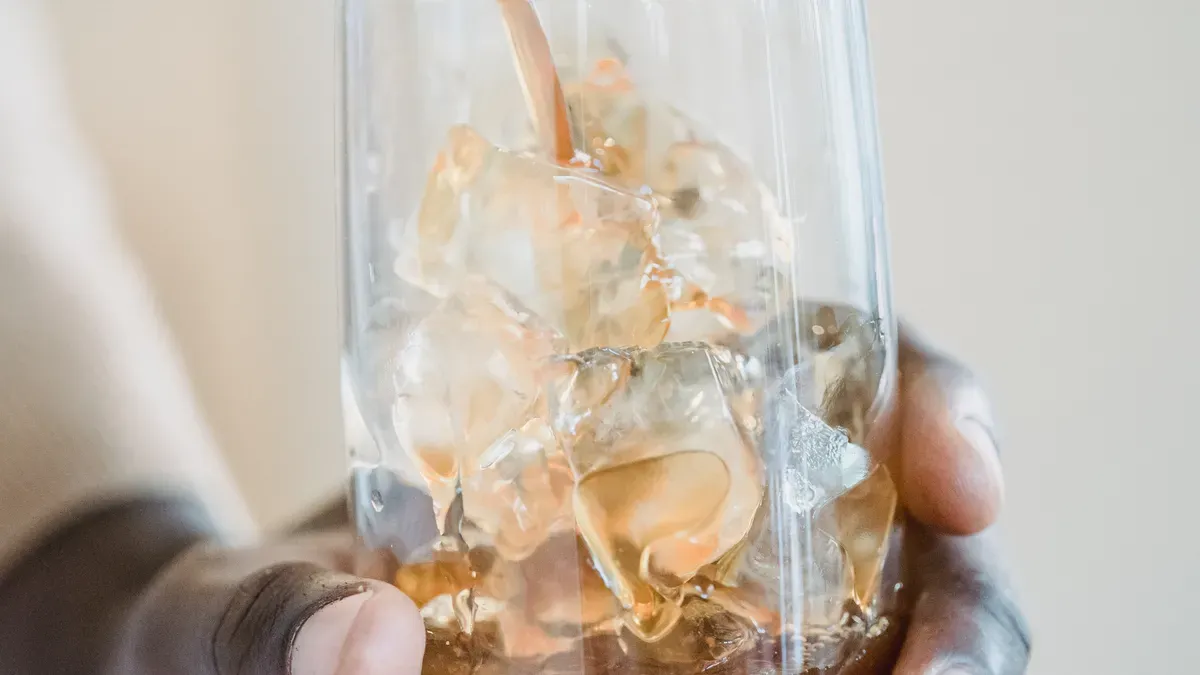
Cold Brew Tea Concentrate, Step by Step
Here is your step-by-step guide to a cold brew tea concentrate at home. This cold brew tea recipe makes a versatile base you can dilute later.
Measure your tea. Use 8–12 grams of loose leaf per quart of cold water, or 1–1.5 tablespoons per cup. A scale gives you the most consistent results.
Add cold filtered water. Filtered water tastes cleaner and lets the leaf shine.
Cover the jar. A lid keeps fridge odors out of your cold steep tea.
Refrigerate. This is the heart of the cold brew method — patience, not heat, does the work.
Strain through a fine mesh strainer. Do not squeeze the leaves, especially green or white tea, or you risk bitterness.
That is how to cold brew tea concentrate step by step. Now you know how to cold steep tea without any special gear.
Steeping Times by Tea Type
So how long should you cold brew tea? It depends on the leaf. Here is how long to cold brew tea by category.
Tea Category | Refrigerator Cold Brew | Room-Temperature Cold Brew |
|---|---|---|
Green tea (incl. matcha) | 6–8 hours (avoid beyond ~10 hours) | 4–6 hours |
Shorter end of 6–8 hours | 4–6 hours | |
Black tea | 10–12 hours | 4–6 hours |
12–14 hours | 3–5 hours |
Most teas land in the 4–6 hour range at room temperature. For a reliable concentrate, steep in the fridge for 8-12 hours in the refrigerator. Want more strength? Let it steep for at least 8 hours, or push to a full 24-hour fridge option for a bolder cold brew tea concentrate.
The best ratio for cold brew tea concentrate depends on your goal. A 1:8 ratio of tea to water gives a balanced concentrate you can dilute 1:1 with water or milk. Go 1:6 for a stronger batch served over ice. Delicate teas like jasmine prefer 1:10. This cold steep tea guide gives you a starting point — adjust to taste.
Once you learn how to cold steep tea, you can make cold brew tea concentrate at home any time. The cold brew tea concentrate keeps well, and a good cold brew tea concentrate saves you effort all week. Try this cold brew tea concentrate method tonight, and you will see how easy cold brewing tea really is. A little practice with how to cold brew tea concentrate pays off fast.
How to Make Cold Brew Tea: Choosing Tea and Ratio
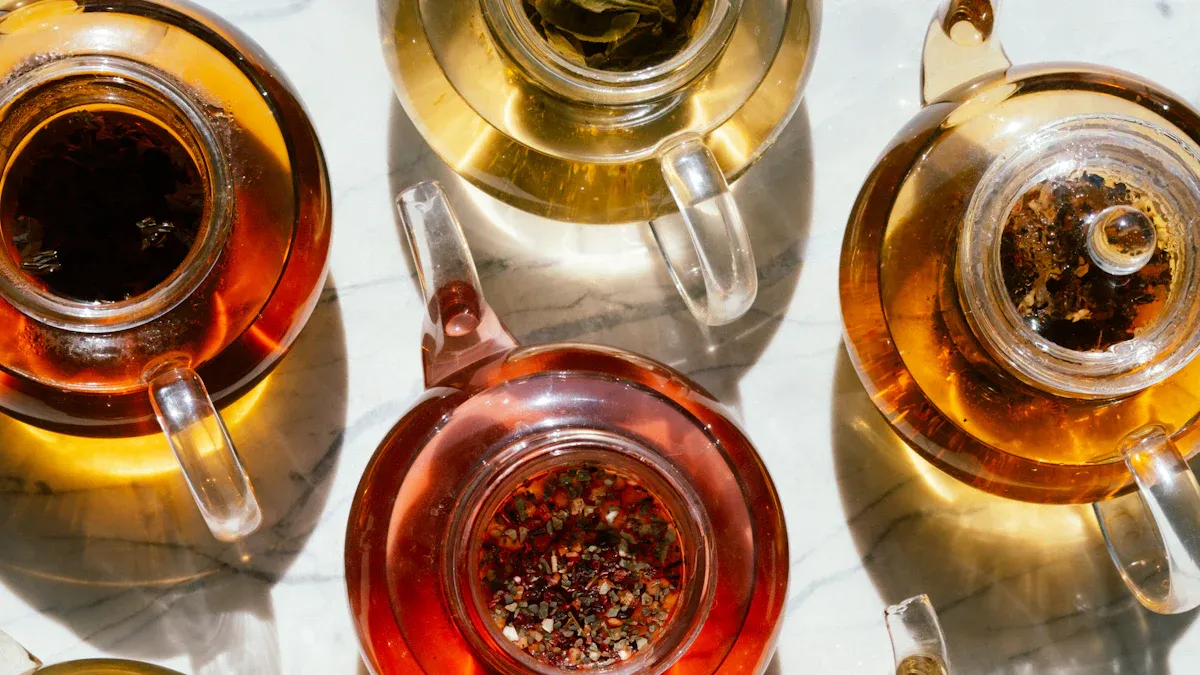
Start with a tea you already own. You do not need a special shopping list to learn how to make cold brew tea. Open your cupboard, pick a leaf you like, and adjust the ratio and steep time to your taste. That approach keeps things simple and lets you learn the method fast.
Best Teas for Cold Brewing
Almost any leaf works, and some stand out. Here are solid picks to try:
Best Budget: Great Value Cold Brew Tea — plain, unsweetened black tea that tastes like tea and takes lemon and sweetener well.
Best Smooth Black Tea: Lipton Cold Brew Tea — mild and easy-drinking, and a good base for Thai iced tea.
Best Fruity: Celestial Seasonings Raspberry Black Tea — subtle raspberry over black tea; add fresh fruit rather than steeping longer.
Runner Up: Celestial Seasonings Red, White, and Blueberry — hibiscus-forward with raspberry and blueberry notes, bright and refreshing.
Best of the Best: Celestial Seasonings Unsweetened Black Tea — potent and brisk, with strong flavor even on a short steep.
Flavored blends like peach black, mango green, and berry mixes come through clearly and taste naturally sweet. White teas such as peony and silver needle give light, honeyed cups. Oolong carries its floral-to-toasty character beautifully. Herbal tisanes like hibiscus, peppermint, and chamomile make vibrant caffeine-free brews.
Cold extraction is less efficient than hot brewing, so use roughly 5–8 grams of tea per liter to compensate for the gentler process. Filtered water matters more here, because cold water does not mask off-flavors like chlorine the way hot water can. For faster results, brew at room temperature for 4–6 hours, then move the jar to the fridge once you reach your desired strength.
Quick Ratio Reference
The best ratio for cold brew tea concentrate depends on the leaf. Use this table as your starting point:
Tea Type | Amount per 8 oz | Steep Time | Flavor Profile |
|---|---|---|---|
Green Tea | 1 tbsp | 6–8 hours | Sweet, grassy, clean |
White Tea | 1.5 tbsp | 6–8 hours | Light, floral, honeyed |
Black Tea | 1 tbsp | 8–12 hours | Smooth, malty, bold |
Oolong Tea | 1 tbsp | 8–12 hours | Complex, floral, fruity |
Herbal Tea | 1.5 tbsp | 12+ hours | Varies by blend |
Treat the ratio of tea to water as a dial, not a rule. Want a stronger cold brew tea concentrate? Add more leaf before you add more time. A bolder leaf turns bitter faster than a longer steep helps.
Once you know how to cold steep tea, you can make cold brew tea concentrate at home all week. This step-by-step guide gives you the basics, and a little practice with how to cold brew tea concentrate pays off. Serve your cold steep tea in hand-painted blue and white porcelain tea cups from clayesouk (https://www.clayesouk.com) — a fitting vessel for serving and gifting. A good cold brew tea concentrate deserves a cup that looks as good as the tea tastes.
Storing Cold Brew Tea and Iced Tea Differences
Storage and Shelf Life
Your cold brew tea keeps well in the fridge. Store it in a sealed jar or pitcher, and strain the leaves out first. Leaves left in the liquid keep extracting, and the flavor turns harsh after a day or two. A clean, covered container protects the taste from fridge odors.
Drink your batch within a few days for the best flavor. The exact shelf life depends on your container and your fridge temperature, so treat freshness as a judgment call rather than a fixed date. If the liquid looks cloudy or smells off, toss it. A cold brew tea concentrate holds up longer than a ready-to-drink batch, and that makes it a practical base for the week.
Cold Brew vs. Iced Tea
People mix these two up all the time. They are not the same drink. Iced tea starts with hot or boiling water, then cools over ice or in the fridge. Cold brew uses cold water and time only, with no heating step at all.
Aspect | Iced Tea | Cold Brew Tea |
|---|---|---|
Preparation | Steep in hot water, then chill | Steep in cold water for hours, then strain |
Taste | Stronger, closer to bitter | Delicate, smoother, naturally sweet |
Tannins | Released by heat | Largely avoided |
That difference shapes the cup. Hot water pulls tannins fast, and those tannins add a slight bitterness. A cold steep tea skips that release, so the flavor stays gentle and clean. The gentler pull also leaves cold brew tea lower in caffeine and easier on the stomach.
Making homemade cold brew tea at home is easy on effort and energy, since you need no stove and only about a tablespoon of leaves per liter. Once you learn how to cold brew tea concentrate, large batches take minutes to set up. Serve your cold brew tea at home in handmade ceramic cups and mugs from clayesouk — a small upgrade that makes the ritual feel special.
You now know how to cold brew tea: tea plus cold water plus time plus a strain, and nothing else. That is the whole formula, and it is easy to remember.
Start with a tea you already own. Adjust the ratio and the steeping time until the cup tastes right to you. Cold brewing is forgiving, and it is hard to ruin a batch. You can always dilute a strong cold brew tea or steep the next one longer.
So brew a batch tonight. Taste it tomorrow, and enjoy the easiest way to make cold brew tea at home. A little patience with cold steep tea pays off.
FAQ
Can you cold brew any type of tea?
Yes, almost any leaf works. Green, white, black, oolong, and herbal blends all cold brew well. Each type needs its own steep time, so check the timing table before you start. Delicate leaves need less time than bold ones.
Do you need special equipment?
No. A jar with a lid, cold filtered water, and a fine mesh strainer cover the whole process. A kitchen scale helps you measure consistently, but a spoon works fine too. You already own everything you need.
Why does my cold brew taste weak?
You likely need more leaf, not more time. Add a little extra tea before you extend the steep. Cold water extracts gently, so a thin cup usually means the ratio was too low. Adjust and try again.
Can you leave cold steep tea out overnight?
You can brew at room temperature for 4–6 hours, then move the jar to the fridge. Leaving it out much longer risks spoilage. The fridge is the safer place for a long steep.
Is cold brew tea safe to drink after a week?
Drink your batch within a few days for the best flavor. Strain the leaves out first, since they keep extracting and turn the liquid harsh. If it looks cloudy or smells off, toss it.