


You notice it every time you open Etsy or scroll through Instagram: the US handmade ceramics market is crowded and growing. With about $1.3 billion in sales and art ware growing at a 6.2% CAGR, “how do I stand out?” is a fair question.
Here is the direct answer. To assess competitive landscape means finding other handmade ceramics sellers in a planned way, studying how they win, and using that info to carve out your own niche.
Think of this competitive landscape work as a creative and business growth tool, not a chore. You will learn a step-by-step process any independent ceramicist can follow. This competitive analysis turns scattered observations into clear direction. Careful research shows exactly where your pottery belongs.
Key Takeaways
Find your competitors on Etsy, Instagram, and local fairs to understand your market.
Study their products, prices, and materials to set your own prices wisely.
Build a strong brand with consistent photos and a clear voice to stand out.
Read customer reviews to learn what buyers love and what they need.
Use a SWOT analysis to find your strengths and fill gaps your rivals miss.
Identify Your Competitors in the Ceramics Market
Find Direct and Indirect Competitors
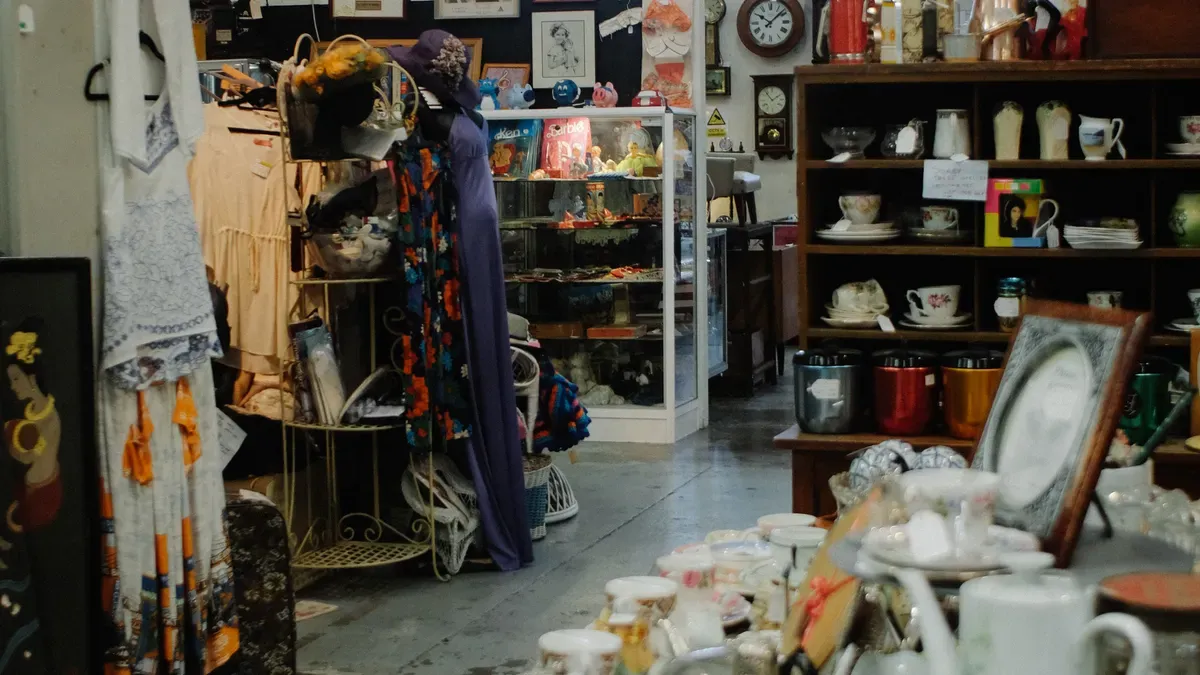
You can put the sellers near you into four groups. Direct competitors sell handmade ceramics like yours. Indirect competitors sell mugs made in factories and homeware sold in big stores. Adjacent competitors sell candles, teas, or linens to the same buyers. Aspirational competitors are the sellers you want to be like in five years. Try to list up to ten names from these groups.
Your direct and indirect competitors show up in expected places. On Etsy, shops like DelicaTeas and Tangpin sell handmade mugs and tea cups at very different prices. On Instagram, potters tag posts with #handmadeceramics and #potterylove to reach buyers. Local craft fair sellers and physical pottery studios compete for the same weekend shoppers. Big homeware brands pull budget buyers away from handmade work.
Before you pick a place to sell, check vendor lists at local markets. Compare the table cost to the money you can truly make. Booth fees often run about $200 to $300, and juried shows may also take a share of sales. A common rule is the 7x rule: for a $200 booth fee, aim for about $1,400 in sales. Break-even means dividing all costs by your average product price. If you sell $20 items and have $200 in costs, you need 10 sales just to break even.
New potters should not rush to make money. First, build your craft. Strong shapes and glazes give you something to promote later.
Track Them Across Etsy, Instagram, and Local Fairs
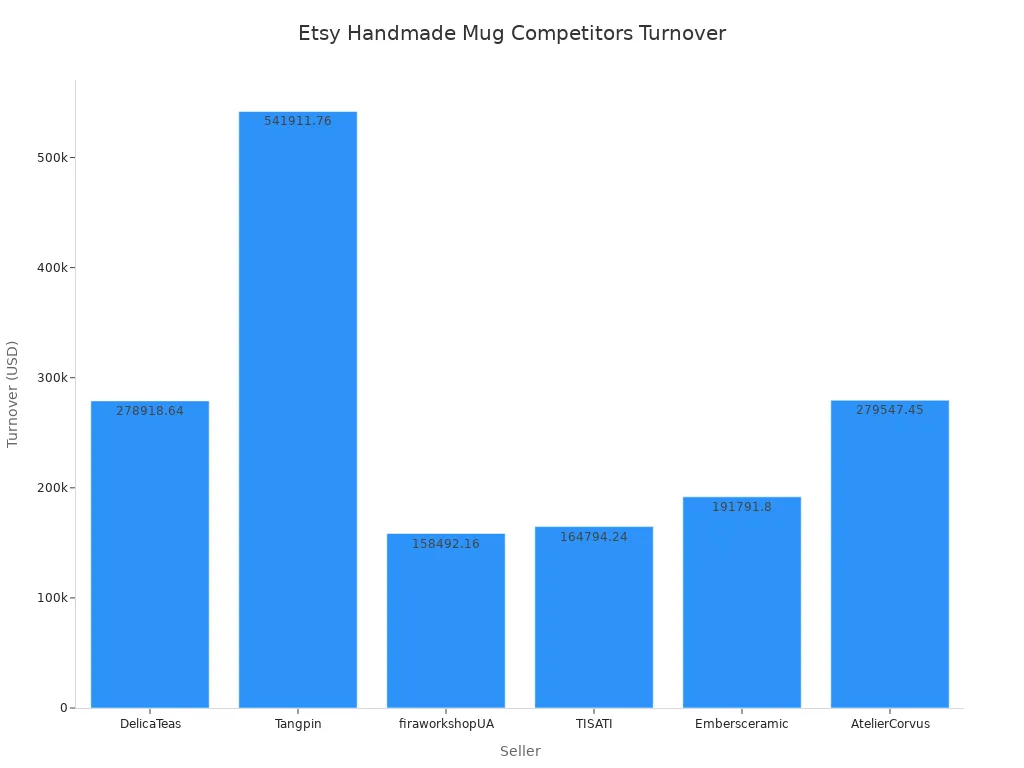
Competitive landscape analysis begins by watching where your rivals really sell. On Etsy, study top-rated sellers. DelicaTeas has a five-star rating. Its title uses key search terms. It fills all 10 image slots. It sells a ceramic tea mug with infuser and lid for $42.12. Tangpin gets high sales with a $10.66 Kung Fu cup, 10 images, and a detailed description. Both show that listing quality and price level shape results.
Seller | Product | Price | Sales | Turnover |
|---|---|---|---|---|
DelicaTeas | Ceramic Tea Mug with Infuser and Lid (350ml) | $42.12 | 6,622 | $278,918.64 |
Tangpin | Chinese Ceramic Tea Cup (Kung Fu Cup) | $10.66 | 50,836 | $541,911.76 |
firaworkshopUA | Handmade mugs | N/A | N/A | $158,492.16 |
TISATI | Handmade mugs | N/A | N/A | $164,794.24 |
Embersceramic | Handmade mugs | N/A | N/A | $191,791.80 |
AtelierCorvus | Handmade mugs | N/A | N/A | $279,547.45 |
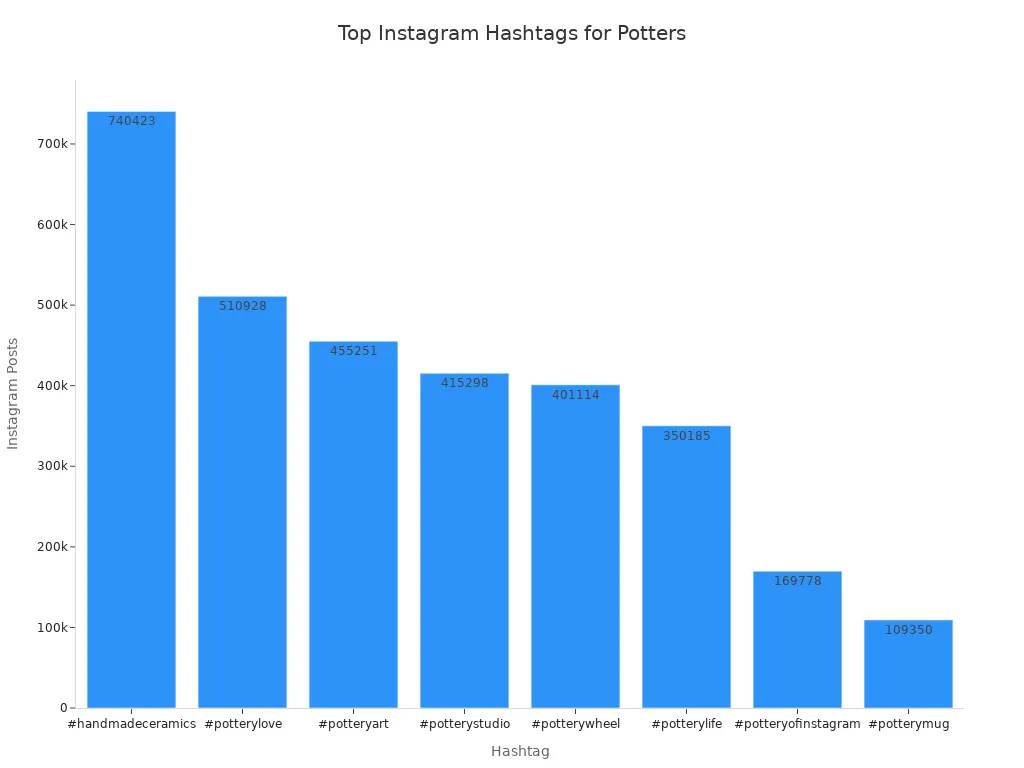
Instagram rewards posting regularly. The hashtag #handmadeceramics has 740,423 posts, while #potterylove has 510,928. Broader tags like #pottery, #ceramics, and #handmade fill potter feeds. Track which tags your rivals use and how often they post.
Hashtag | Instagram Posts |
|---|---|
#handmadeceramics | 740,423 |
#potterylove | 510,928 |
#potteryart | 455,251 |
#potterystudio | 415,298 |
#potterywheel | 401,114 |
#potterylife | 350,185 |
#potteryofinstagram | 169,778 |
#potterymug | 109,350 |
Local fairs give you real data. Walk the aisles, see which booths draw crowds, and write down what sells. This competitive landscape research turns scattered observations into a clear map of your market.
Run a Competitive Landscape Analysis on Products and Pricing

To assess competitive landscape, look past shop banners and follower counts. Put similar products side by side and check every detail that changes how a cup feels.
Audit Product Range, Materials, and Glazes
Start with shape and structure. A wide-brimmed cup lets aroma out but loses heat fast; a tall cup with a small opening keeps heat in. A wider base stops spills, while a narrow base tips over. Good work has a smooth, even lip and strong handle joints. The unglazed foot ring must be sanded very smooth, or it will scratch wooden tables.
Then look at the clay body. Stoneware stays strong and chip-resistant, and works for daily dinnerware. Porcelain becomes very durable and non-porous, and fits fine dining. Earthenware stays more porous, and works for rustic pieces. Always use lead-free, food-safe glaze. Translucent glazes give different results on different clay bodies, so test before you commit. Low-fired earthenware soaks up moisture; high-fired porcelain and stoneware vitrify completely.
Casa Carigar, a curated ceramic line, sets the standard: every piece is described honestly by clay body, glaze composition, firing method, and provenance. Use that same discipline in your competitive landscape analysis.
Deconstruct Pricing and Value Proposition
Now map out each rival’s pricing structures. Most handmade sellers build prices from real costs. Materials, labor, overhead, equipment depreciation, and profit margin form the wholesale price; selling costs push it up to retail. Track your real hours for a month—most potters underestimate time. Overhead adds to direct costs. A kiln firing many times adds cost per firing.
Price tiers show value, not just cost. Budget cups sell for $10–$20, use earthenware or basic stoneware, and promise affordability. Mid-range cups run $25–$40, use durable stoneware, and target daily users. Premium cups sit above $45, use porcelain with refined glazes, and sell an experience.
Competitor | Product Type | Price Range | Materials/Glaze | Brand Voice | Main Channel |
|---|---|---|---|---|---|
Budget studio | Hand-thrown mug | $10–$20 | Earthenware, glossy lead-free glaze | Casual, functional | Etsy, local fairs |
Mid-range studio | Stoneware mug | $25–$40 | Stoneware, matte or speckled glaze | Warm, artisan | Instagram, craft fairs |
Master Cup, coffee cup, mug, blue-and-white porcelain tea cup | Premium | Porcelain, hand-painted glaze, Jingdezhen heritage | Heritage, refined | Official site, boutique hotels, gift buyers |
This table also works as a competitive landscape analysis example. For clayesouk, the value proposition draws on Jingdezhen porcelain tradition, national-level recognition, and works chosen as national gifts. That story supports a premium price. Keep this competitive landscape analysis visible while you make product decisions.
Use reviews to learn what buyers love and what they complain about, then improve your pieces. Do this research before you set final prices. Compare your prices with each tier. If your stoneware mug costs more than a decorated porcelain cup, buyers will question the logic. A clear pricing strategy comes out of this: match materials with message, price production costs honestly, and show quality in every listing photo.
This competitive landscape research becomes a habit. Track shifts in your competitive landscape analysis over time. When you evaluate your competitors step by step, you stop guessing and start choosing a position buyers trust.
Evaluate Branding and Marketing in the Competitive Landscape
Assess Brand Voice, Visual Identity, and Positioning
Brand voice shows how a seller wants buyers to feel. A minimalist studio writes short, calm copy. A rustic brand uses warm, handmade language. A luxury seller sounds formal and rare. A playful shop uses humor and bright words. Read ten product descriptions from each rival. Note the tone, then compare it to your own.
Visual identity carries your competitive positioning before anyone reads a word. Glaze color, background surfaces, and lighting all send signals. Use natural daylight for accurate glaze photos. Neutral surfaces like raw wood or linen keep attention on the piece. Side light reveals texture on matte glazes; diffused light suits glossy glazes. Include a hand holding the cup and one shot of the foot and rim. Keep lighting and composition fixed across Instagram, Etsy, and your website. This consistency builds collector recognition and pricing power.
Visual Element | Recommended Practice | Positioning Communicated |
|---|---|---|
Color palette (glaze) | Accurate photos in daylight | Authenticity, craftsmanship |
Background | Neutral wood, linen, stone | Earthy, handmade values |
Lighting | Side light for matte; diffused for glossy | Texture and glaze depth |
Photography style | Hand-held shot, foot and rim detail | Quality and transparency |
CLAYE (clayesouk) builds its positioning on Jingdezhen heritage and porcelain tradition. As a national-level ICH productive protection demonstration base with works selected as national gifts, the brand appeals to boutique hotels and premium tea suppliers. That story supports a premium price and a refined, heritage-driven voice.
Analyze Social Media, SEO, and Email Channels
Track where rivals spend their energy. Instagram Reels show process videos. Pinterest drives long-term traffic. Etsy SEO tags decide who finds a listing. Use all 13 tags with specific phrases like “blue ceramic mug” or “wood fired.” Avoid technical terms such as “cone 10 reduction” because buyers do not search that way. Front-load titles with strong keywords. Include 3–5 long-tail keywords in your opening description sentences. Email newsletters build repeat buyers. Craft fairs create face-to-face trust.
Measure what works with clear KPIs. Track sales growth, digital engagement rate, and customer acquisition cost. Also watch average order value, repeat customer rate, and profit margin per product line. This competitive landscape analysis turns raw activity into decisions. Revisit your competitive landscape analysis quarterly. When you evaluate your competitors over time, your research sharpens your competitive landscape and your message.
Study Customers and Map the Customer Journey
Mine Reviews and Engagement for Insights
Your competitive landscape analysis must include the people who buy ceramics, not just the people who sell them. Read Etsy reviews with care. Buyers often praise smooth rims, balanced weight, and safe packaging. They complain about chipping, glaze pooling, shipping damage, and slow replies. Each complaint points to a customer need you can meet better.
Instagram comments reveal what catches the eye. A photo of a mug in morning light draws saves and shares. A video of a glaze pour sparks questions about process. Collect this feedback and sort it into patterns. You will spot market gaps your rivals ignore.
Your target customers fall into clear groups. Home decorators want pieces that match their space. Gift buyers need ready-to-give items like cookie jars, banks, and themed gift sets. Collectors seek pieces with personal stories or cultural narratives. According to art market analyst Mary Lovelace, collectors increasingly value ceramics that convey meaning. This research helps you speak to each group.
Map Discovery to Post-Purchase
The customer journey has five stages: discovery, consideration, purchase, unboxing, and post-purchase support. At discovery, buyers find you through Etsy search, Instagram hashtags, or a craft fair booth. At consideration, they compare your prices, photos, and reviews against others. At purchase, they decide if your story and quality justify the cost.
Unboxing shapes repeat business. Good packaging protects the piece and creates a moment of delight. Post-purchase support keeps buyers loyal. CLAYE (clayesouk) offers maintenance guidance and quality solutions after the sale. That care turns a one-time buyer into a returning collector.
Gather feedback at every stage. Ask fair shoppers what drew them to your booth. Check which listing photos get the most clicks. Track how often buyers mention your packaging in reviews. This feedback loop sharpens your competitive landscape analysis. When you understand customer needs at each step, you build a business that buyers trust and recommend.
Apply Findings with a SWOT and Competitive Analysis
Run a Ceramics-Specific SWOT
A SWOT analysis puts everything you learned into four boxes: Strengths, Weaknesses, Opportunities, and Threats. This easy competitor analysis framework keeps your competitive landscape analysis useful. A strength might be your special glaze recipe or a loyal local following. A weakness could be slow kiln turnaround or thin profit margins. An opportunity looks like custom tile requests or a boutique hotel account. A threat appears as the crowded mug market on Etsy or rising clay prices.
You do not need to build this from scratch. A pre-written SWOT template for ceramics production lets you fit drafted sections to your own studio situation. Editable fields let you swap in your product examples, dates, competitor details, and pricing without rebuilding the structure. The framework also supports competitive benchmarking. Compare pricing, lead times, and sales channels across rivals. This helps you spot niches such as custom tile options or signature glazes. The same document maps kiln capacity, supply risks, and high-margin product lines. That makes it useful for prioritizing production and B2B efforts. Polished layouts and clear business metrics even make the SWOT usable in pitch decks and stakeholder reviews.
Differentiate and Position Your Pottery
Now turn findings into action. Adjust your product line, your pricing, and your marketing message based on what the SWOT reveals. Your differentiation should rest on something rivals cannot copy quickly. For clayesouk, that means custom ceramic design services. Buyers can adjust patterns, glazes, shapes, and sizes to fit their needs. The brand blends traditional techniques with modern aesthetics, which appeals to home decor enthusiasts, gift buyers, and collectors alike.
This approach mirrors a proven pattern in the wider ceramics world. Generational artisan craftsmanship inherited through centuries pairs well with collaborations featuring contemporary designers. Classic pottery methods, such as cobalt blue glaze and Mediterranean patterns, gain new life through bold shapes, unique textures, and avant-garde forms. The result is versatility across minimalist and maximalist interior styles. Sustainable, handcrafted production using time-honored methods becomes an ethical luxury investment for design lovers.
“The brand’s ability to blend traditional Italian design with modern-day aesthetics allows their pieces to transcend trends and remain timeless.”
That quote captures why collectors and interior designers seek out handmade ceramics that fuse heritage with contemporary appeal. Your strategic differentiation should follow the same logic. Define your unique value propositions and key differentiators clearly. Then let your positioning, pricing, and competitive advantage flow from them.
The landscape shifts constantly, so revisit this competitive analysis quarterly or whenever a new competitor appears. Track your conversion rate to see whether price or listing changes speed up or slow down sales. Watch profit margin to learn how much profit remains from each piece after costs. Monitor competitor movements to see how other sellers adapt when conditions shift. Study seasonal patterns to build historical demand data that guides future pricing and production decisions. A quarterly review should also account for material costs, production efficiency, brand positioning, and market demand shifts. When you assess competitive landscape this way, your competitive landscape research becomes a habit that protects your competitive position.
Check the competitive landscape often; it is a habit you keep, not a task you finish once. Look at your competitive landscape analysis every three months or when a new competitor joins your niche. This habit keeps your competitive analysis up to date. With each review, your differentiation stays clear and your positioning stays correct.
Use your research to improve your unique value proposition, product line, pricing, and marketing message. Each round makes your positioning better. Your competitive landscape analysis will also show gaps you can fill.
Knowing the landscape helps you build a pottery business that is strong and creatively satisfying. You stop guessing and start choosing with confidence. Make this review part of your studio routine; it becomes your steady compass.
FAQ
How often should you run a competitive landscape analysis?
Check your market every three months. Look again when a new seller joins your niche. Seasonal demand, new kiln techniques, and changing buyer taste move the market fast. Rebuilding your SWOT each quarter keeps your position up to date.
How many competitors should you track?
List up to ten sellers across four groups. Direct, indirect, adjacent, and aspirational competitors each teach you something different. You do not need more names. You need better notes on the shops you already watch.
How do you compare prices fairly across shops?
Use the three-tier pricing table. Budget cups cost $10–$20. Mid-range cups cost $25–$40. Premium cups go above $45. Note materials, glaze, brand voice, and main channel for each competitor. Compare only shops with similar craftsmanship.
How can you spot market gaps a rival misses?
Read Etsy reviews and Instagram comments. Buyers complain about chipping, glaze pooling, shipping damage, and slow replies. Every complaint names a need your pottery can fill. This competitive landscape analysis habit reveals gaps you can turn into product ideas.
What if your mug costs more than a rival’s decorated cup?
Buyers question that logic. Fix the gap. Match materials with your message. Price production costs honestly. Show quality in every listing photo. Run a fresh competitive landscape analysis before setting final prices. Jingdezhen’s porcelain tradition supports a premium price.
