
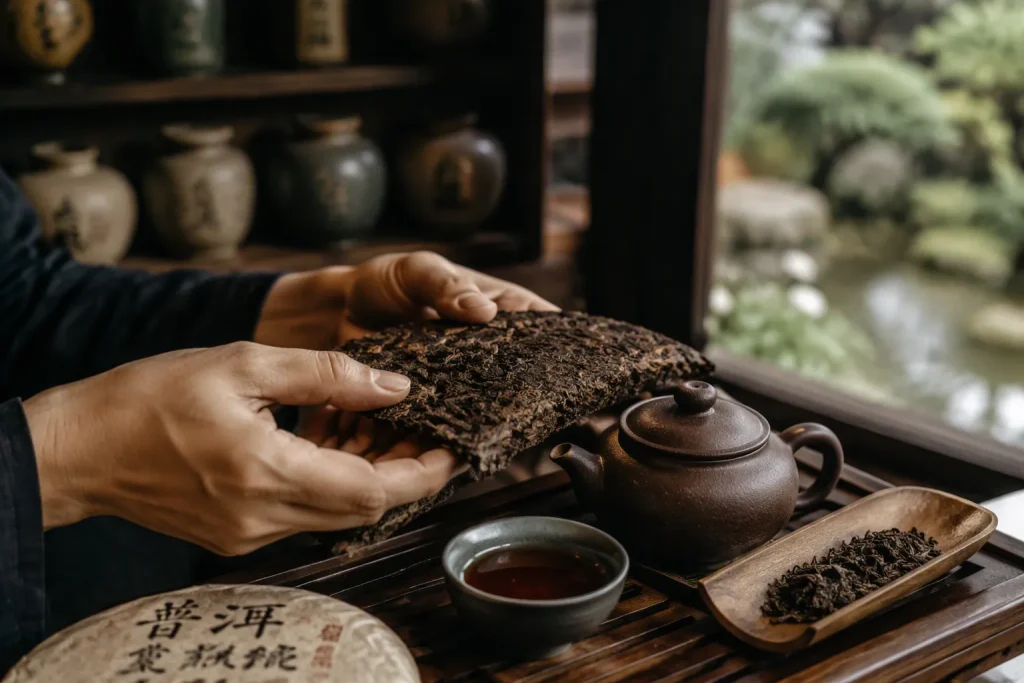
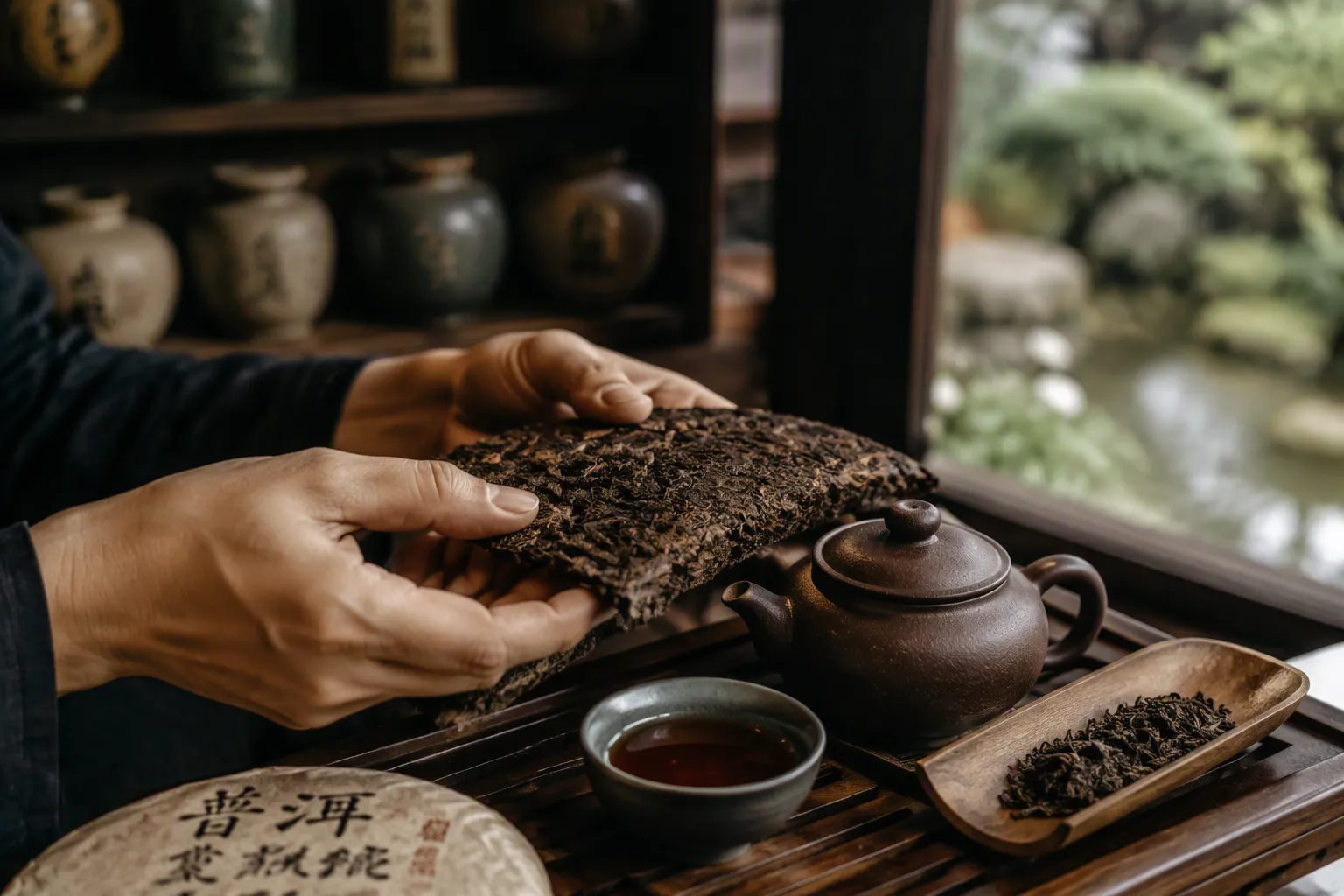
Have you ever wondered why the same puer cake ages differently in different homes? The answer often lies in the vessel. Connoisseurs choose Claye because clay’s micro-porosity, mineral content, and buffering capacity create the best environment for aging dark tea. A clay vessel is not just a storage container. It actively guides the transformation of your tea. You will notice how clay supports the aging process for both puerh and other dark teas. This teaware lets your pu’er breathe and mature. With Claye, your aged tea develops deeper flavors over time. The clay becomes a partner in your tea’s journey.
Key Takeaways
Because clay has tiny pores, oxygen moves through slowly, helping your pu-erh age and create deeper flavors.
Clay controls moisture, keeping your tea healthy and stopping mold or dryness.
Clay minerals work with tea substances, making aged pu-erh taste smoother and richer.
Clay helps keep temperature and humidity steady, protecting your tea from sudden changes.
Pick clay that is fired at high heat instead of glass, metal, or plastic for the best place to age your tea.
How Clay’s Porosity Helps Aging Dark Teas
Micro-Pores and Controlled Oxygen Exchange
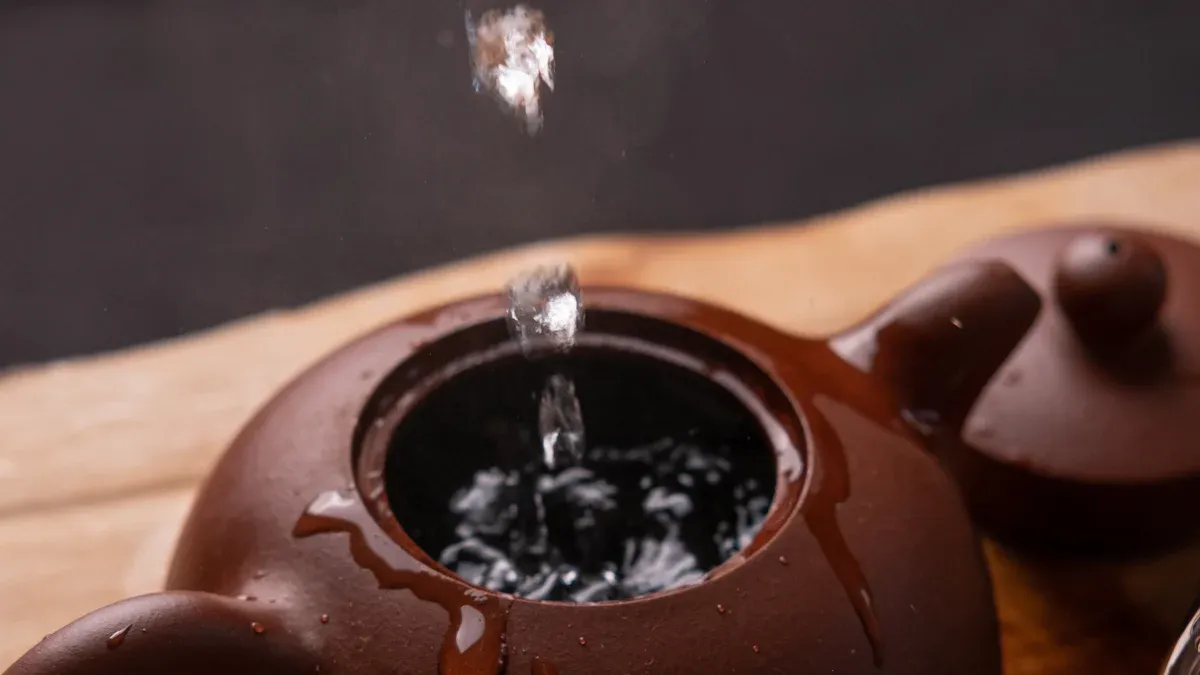
Clay’s tiny holes let oxygen move in and out slowly and steadily. This movement helps the microbes and enzymes that age pu-erh tea. You might ask how this happens. In high-fired unglazed clay pots, calcium carbonate from added ground seashell burns away during firing. This leaves micropores in the ceramic body. These micropores are usually 3–5 micrometers wide. This pore size matters a lot. The pores are big enough for oxygen molecules and water vapor to pass through. But they are small enough that surface tension keeps liquid inside. So the vessel allows a controlled, slow oxygen exchange. People often call this “breathing.” This breathing helps the slow oxidative aging that pu-erh tea storage needs, without letting liquid leak out.
Compare this to airtight materials. Airtight containers smother the tea. They also hold in too much moisture. Both results hurt your aged tea. Clayesouk‘s handmade Jingdezhen ceramic body shows breathable, traditional clay craftsmanship. This teaware lets your pu erh develop the right way. The clay becomes an active partner in the aging process. Without this breathability, your pu-erh teas cannot change as they should. The microbial fermentation that defines post-fermented dark tea needs this gentle oxygen flow. Your aged teas need this setting to mature well.
Moisture Regulation That Keeps Pu-erh Tea Healthy
Clay also controls moisture. This control keeps pu-erh tea healthy. When your storage space gets too damp, clay soaks up extra water vapor. When the air gets too dry, clay lets stored moisture back into the vessel. This balancing act protects your pu erh from mold and dryness. You will see that aged tea stored in clay grows a stable, clean character. The same pu-erh stored in plastic or metal often turns sour or musty. Clay stops these problems in a natural way.
The moisture control works together with oxygen exchange. Your pu-erh teas gain from both actions at the same time. The clay body keeps a steady climate inside. This climate helps the slow change you want. For both raw and ripe pu erh, steady moisture means even aging. Your aged teas will show deeper flavors and smoother textures over time. A dedicated clay vessel gives your pu-erh the best chance to age well. You can trust the clay to do its quiet work. Each cup of aged tea you brew later will show this careful storage. The vessel does not just hold your tea. It leads your pu-erh toward its full potential.
Mineral Composition and Catalytic Effects on Pu-erh
How Clay Minerals Interact with Tea Compounds
Clay holds minerals like iron, calcium, and magnesium. These minerals do more than give clay its structure. They interact with the compounds in your pu-erh. When you store pu-erh tea in a clay vessel, trace minerals slowly exchange with the tea. This exchange supports the aging process. The minerals act as gentle catalysts. They help break down harsh compounds and build new flavor notes. Your aged tea gains depth from this quiet chemistry.
This interaction matters most for post-fermented teas. The microbial fermentation that defines pu erh, hei cha & dark tea depends on stable conditions. Clay minerals help maintain those conditions. They support the slow work of microbes inside your pu-erh teas. You will notice that well-aged pu-erhs from clay storage show smoother textures. Their flavor profile grows richer over time. This happens because clay does not just hold your tea. It actively shapes how your pu-erh develops.
A Natural Buffer for Raw and Ripe Pu-erh
Clay works as a natural buffer for both sheng pu-erh and shou pu-erh. Raw pu-erh starts bright and bitter. It needs many years to soften. Ripe pu-erh begins dark and earthy. It needs steady conditions to refine its character. Clay helps both types. It absorbs excess acids and releases them slowly. This balancing act keeps your aged teas from turning sharp or flat.
The buffer effect protects your pu erh during seasonal changes. Summer heat and winter dryness can harm aged, fermented teas from yunnan province. Clay softens these swings. Your pu-erh tea stays stable through the year. For aged, fermented teas, this steady environment is vital. You can trust clay to guard your aged tea. Each vessel of pu erh you store in clay moves toward its best self. The clay guides your aged teas with patience. This teaware becomes a true partner in your aging journey.
Temperature and Humidity Buffering for Aging Puer
Stable Conditions That Prevent Mold in Dark Teas
Clay shields your pu-erh from sudden temperature swings. A clay vessel absorbs heat slowly during the day. It releases that heat at night. This action keeps the inside temperature steady. You will notice fewer spikes in warmth or cold. Stable warmth protects the microbes that drive aging. Those microbes work best in a narrow range. Clay holds that range for you.
Humidity control matters just as much. Mold grows when moisture climbs too high. Dry air stops the aging process. Clay balances both extremes. It takes in extra water vapor from damp air. It gives back moisture when the room turns dry. Your pu-erh teas stay in a healthy zone. You avoid the sour smell of mold. You also avoid the flat taste of dried-out leaf.
This buffering action helps all dark teas. A post-fermented dark tea needs steady conditions to develop well. Clay provides that stability without any effort from you. You do not need to check gauges every day. The vessel does the work. Your aged tea rests in a safe climate. Mold cannot take hold. Your pu erh develops clean, deep notes instead. This teaware protects your investment in fine leaf.
Slow, Even Maturation for Raw and Ripe Pu Erh
Raw and ripe pu erh age at different speeds. Sheng pu-erh starts bitter and bright. It needs many years to soften. Shou pu-erh begins dark and earthy. It needs steady conditions to smooth out. Clay serves both types well. The vessel slows the aging process to a gentle pace. Fast changes create harsh flavors. Slow changes build complexity.
You will see the difference in your aged teas. A pu-erh stored in clay gains depth without sharp edges. The flavor profile grows rounder over time. Your aged tea develops a smooth texture. Each year adds new layers. You can taste the patience in every cup.
Aging raw pu erh in clay teaches you how time shapes tea. The leaf changes little by little. You do not rush it. The clay does not rush either. This slow path leads to the best results. Your pu-erh teas improve with age when stored properly. You will find that aged teas from clay show richer aromas. They carry a clean finish. They reward your patience.
Temperature and humidity buffering makes clay special. No other material does this job as well. Your pu-erh benefits from every day in the vessel. The clay guides your aged tea toward its peak. You simply wait. The vessel handles the rest. Each session with your aged pu erh becomes a lesson in slow beauty.
Clay vs. Glass, Metal, and Plastic Storage Vessels
Why Glass Lacks the Breathability of Clay
Glass looks clean and lets you watch your pu-erh change color over time. Many people choose glass jars for this reason. However, glass offers no breathability at all. It creates a sealed barrier that traps everything inside. Your pu-erh cannot exchange oxygen with the outside air. This lack of airflow stops the microbial activity that drives aging. You end up with pu erh that sits frozen in time. The leaf may look the same after years, but its flavor will not develop.
Glass also fails at moisture control. When humidity rises inside a sealed glass jar, the water has nowhere to go. Your pu-erh teas can turn moldy in these wet conditions. When the room turns dry, glass offers no way to release stored moisture back. This imbalance harms aged tea. You need a material that breathes with your pu erh. Clay does this job. Glass does not.
The Risks of Metal and Plastic for Pu-erh Tea
Metal containers bring their own problems. Many metals react with the acids in pu-erh tea. This reaction can create off-flavors and strange odors. Your aged tea may pick up a metallic taste that ruins years of patience. Metal also conducts heat quickly. It transfers every temperature swing straight to your pu erh. These rapid changes stress the microbes that age your tea. Stable storage conditions become impossible.
Plastic seems cheap and easy. Yet plastic often carries chemical smells. Your pu-erh absorbs these odors like a sponge. The leaf takes on notes of plastic that never leave. Plastic also traps moisture with no way to regulate it. Your pu-erh teas can grow mold or dry out completely. Neither result helps aged teas. For long-term storage, you need a material that supports aging. Clay remains the best choice for your teaware. It breathes, buffers, and protects your pu erh through every season.
Selecting a clayesouk Vessel for Pu-erh Tea
Choosing the Right Clay Body for Your Tea
You now understand why clay outperforms glass, metal, and plastic. The next step is picking the right vessel for your pu-erh. High-fired stoneware and Zisha clay work best. These bodies reach temperatures around 1100–1200°C during firing. That heat binds metals into a stable matrix. At brewing temperatures up to 100°C, no leaching occurs. Low-fired earthenware behaves differently. It may release alkaline minerals into your brew. This raises pH and dulls the acidity you want in aged pu erh.
Purple clay, or Zisha, has served Chinese tea culture for over 500 years. Its dual-porosity structure tempers water temperature. It enhances flavor complexity in oolong and pu-erh teas without leaching synthetic compounds. Clayesouk draws on this Jingdezhen heritage. The Handmade Ceramic Master Cup and Hand-Painted Blue and White Porcelain Tea Cups show this craftsmanship. These pieces serve your aged tea well. They also make fine teaware for daily brewing.
Seasoning and Caring for Your clayesouk Vessel
A new unglazed vessel needs seasoning before it holds your pu-erh. This process removes kiln dust and raw clay smell. Follow these steps:
Boil water in a larger, clean pot.
Turn the heat down when the water boils. Do not let it boil hard.
Carefully submerge the teapot and lid separately.
Leave it for 15–20 minutes.
Make sure the teapot does not hit the pot.
A careful simmer works. Hard boiling causes agitation and may break the pot.
After seasoning, wash with water only. Never use detergents. For routine care, remove leaves promptly and rinse with hot water. Let the body and lid dry completely and separately in moving air. Never close a damp vessel. Store it away from cooking fumes and incense smoke. With proper care, your pu erh ages well. Each session with your aged pu erh becomes a lesson in patience. Your aged tea rewards this attention. This storage approach protects your pu-erh teas for years. A dedicated vessel for aging pu-erh tea builds character over time. Your aged pu erh develops deeper notes with every season.
You now know why clay serves dark teas so well. Its micro-pores allow steady oxygen exchange. Its minerals interact with tea compounds and buffer both raw and ripe pu-erh. Its walls stabilize temperature and humidity through every season. These three traits make clay an active partner in aging, not a passive box. Your teaware shapes the leaf as much as time does. When you age Puer in Claye, you are not just storing tea; you are guiding its transformation. Each year in the vessel brings your aged dark tea closer to its finest expression.
FAQ
How long does pu-erh take to age in a clay vessel?
Aging pu-erh in clay takes years, not months. Raw pu-erh needs many years to soften its bitter notes. Ripe pu-erh refines its earthy character over time. The clay slows the process to a gentle pace. You will taste deeper flavors with each passing season.
Can I use any clay pot for storing pu-erh?
You need high-fired stoneware or Zisha clay. These bodies reach temperatures around 1100–1200°C during firing. That heat binds metals into a stable matrix. Low-fired earthenware may release alkaline minerals into your brew. Choose a dedicated vessel for your dark teas.
How do I season a new clay vessel?
Boil water in a clean pot. Turn the heat down when the water boils. Submerge the teapot and lid separately for 15–20 minutes. Avoid hard boiling. After seasoning, wash with water only. Never use detergents on your teaware.
What happens if I store pu-erh in glass or plastic?
Glass traps moisture with no airflow. Your pu-erh cannot exchange oxygen. Plastic carries chemical smells that the leaf absorbs. Both materials harm aged pu-erh. Clay breathes and buffers. This teaware protects your tea through every season.
How often should I check my pu-erh while it ages?
You do not need daily checks. Clay regulates temperature and humidity on its own. Open the vessel a few times a year. Smell the leaf and look for mold. Trust the clay to do its quiet work. Your aged pu-erh rewards this patience.
