
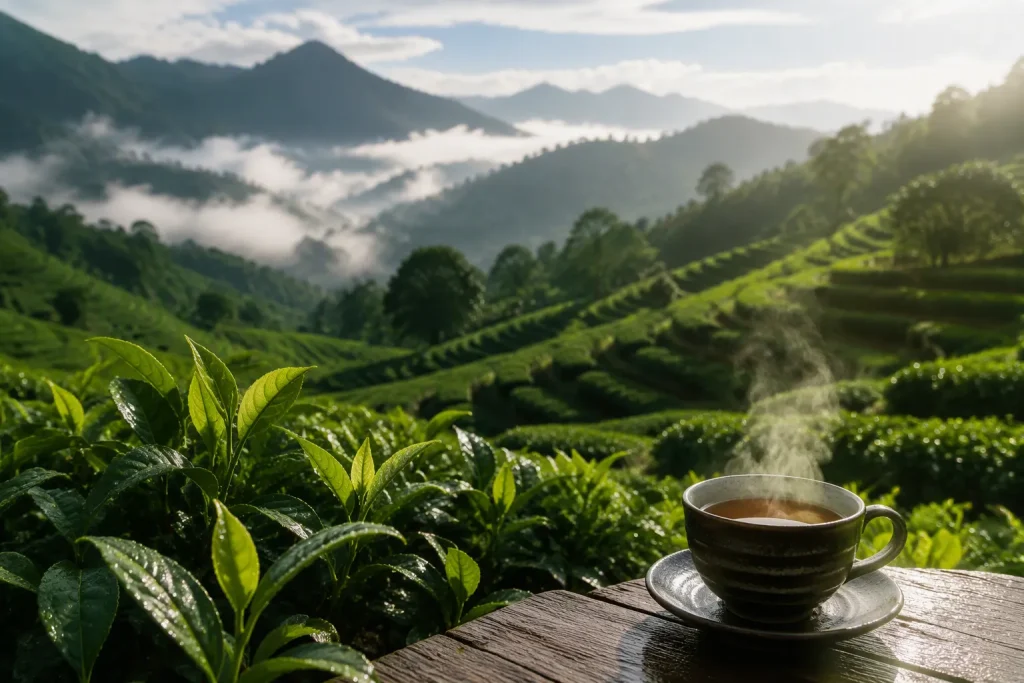
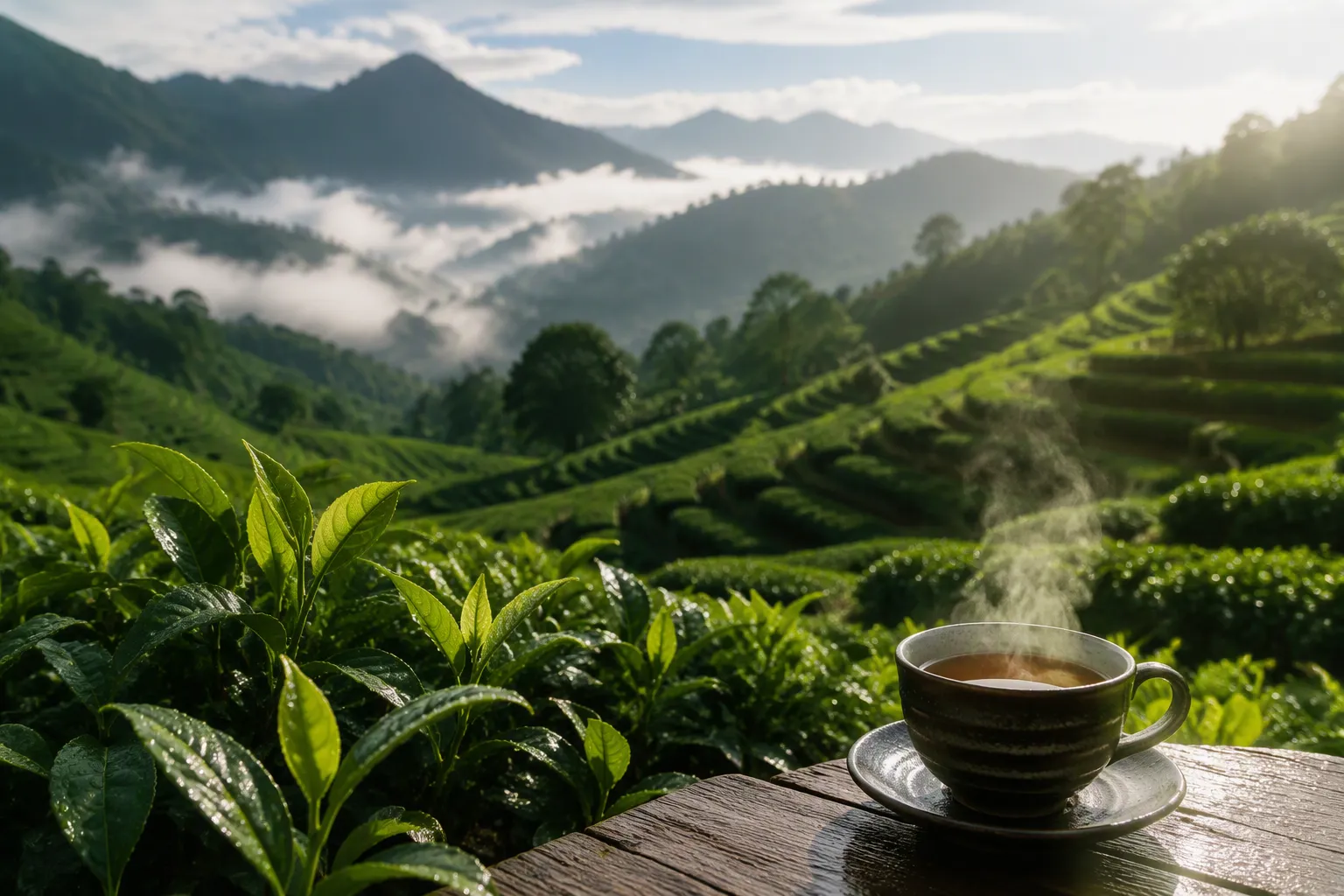
Drink a quick low-elevation green tea, and you taste sharp grass and fast astringency. Drink a high-mountain oolong, and layers of cream, orchid, and honey open slowly. Altitude and climate make that gap. These unseen forces shape temperature, rainfall, sunlight, and elevation at every garden. Cool air slows the plant. Mist softens the light. Rain feeds tender leaves. Why does one tea plant make such different flavors in different places? The answer lives in chemistry, geography, and weather. Growers call this sense of place. Science calls it plant stress and slow metabolism. Those forces decide whether a leaf tastes sharp or silky.
Key Takeaways
Cold mountain air makes tea plants grow slowly. This helps the leaves make more amino acids and sugars. The tea tastes sweeter and smoother.
Mist and clouds make sunlight weaker. This helps L-theanine and aromatic oils build up. Tea grown high up gets floral and creamy flavors.
High places have big temperature changes between day and night. This cycle builds up sugars and amino acids. The cup gets natural sweetness and umami.
Warm air at low elevations makes tea plants grow faster. Their leaves produce more catechins. This makes the tea strong, brisk, and astringent.
Climate change puts tea flavor at risk. Hotter air and changing rain lower amino acids. Farmers respond by moving to higher land and creating new plants.
The Influence of Climate on Tea Flavors
Every tea garden sits inside its own weather system. Temperature, rainfall, and sunlight all work together. They shape how the plant grows. The link between climate and flavor is real. It decides which compounds show up inside each leaf.
Temperature and Growth Rate
Cool air works like a slow cooker for tea plants. When temperatures drop, the plant’s metabolism slows down. Growth stops for a while. Leaves take longer to open up. This slow pace gives the leaf time to build important compounds. Amino acids pile up. Sugars become concentrated. The result is a more complex taste.
Think about slow-roasted coffee. Beans roasted on low heat develop deeper flavors. The same idea works for the leaf. A plant that grows too fast makes thin, sharp notes. A plant that takes its time builds richness.
The change between day and night temperature also matters. Warm days drive photosynthesis. The leaf makes sugars. Cool nights slow respiration. The leaf holds onto those sugars. This daily cycle gives the leaf a natural sweetness. Amino acids like L-theanine rise during cool nights. L-theanine creates umami and a smooth mouthfeel. That is why high-elevation gardens make such sweet cups. The day-to-night swing is bigger there.
The growing environment shapes every chemical step. Cool temperatures do not just slow the plant down. They change its whole chemistry.
Rainfall, Humidity, and Sunlight
Water and light finish the picture. Steady rainfall supports tender leaf growth. Young leaves are soft and full of taste. If rain is steady, the plant stays healthy. It makes leaves with balanced compounds.
Drought changes everything. When water is scarce, the plant feels stress. It makes more catechins. Catechins add bitterness and astringency. The cup turns harsh. That is why dry seasons often give lower-quality harvests.
Humidity also matters. High humidity in the air keeps leaves moist. It helps them stay tender. Low humidity can dry leaves out before picking.
Sunlight is the last piece. Too much direct sun raises catechin production. The cup turns astringent. But cloud cover and mist change the light. They spread sunlight out. The plant gets less intense rays. This shift boosts L-theanine production. L-theanine gives the leaf its umami and sweetness. Misty mountain gardens make cups with creamy, floral notes. Bright lowland gardens make brisk, sharp cups.
Think about sun-ripened tomatoes. Full sun makes them bold and acidic. Shaded tomatoes are sweeter and milder. Leaves work the same way. The light they get decides the flavor profile.
Every weather factor leaves its mark. Temperature, water, and light come together. They define the leaf’s final character. This is why two plants from the same cultivar taste completely different. Their growing environment wrote a different story.
The influence of climate on tea flavors is clear. These factors have a big impact on tea flavors. Understanding this link helps drinkers appreciate each cup.
Climate Factors Shaping Tea Flavors
Altitude is a geographic feature, not a climate factor by itself. But the height where tea grows creates its own weather. Higher ground brings cooler air, thicker mist, and softer light. These conditions reshape the leaf from the inside out. The influence of climate on tea flavors starts with the simple fact that mountains make their own weather.
Altitude and Temperature Drop
Air cools as it rises. Temperature drops about 0.6°C for every 100 meters of elevation gain. A garden at 2,400 meters sits roughly 14.4°C cooler than a garden at sea level. That gap changes everything for the plant.
Cooler air slows the tea plant’s metabolism. The plant grows more slowly. Leaves take longer to mature. This slow pace lets amino acids and sugars build up inside the leaf. The result is a cup with more depth and less harshness.
The temperature swing between day and night also grows at high altitude. Warm days drive sugar production. Cool nights slow the plant’s use of those sugars. The leaf holds onto them. This daily cycle creates natural sweetness. It also boosts L-theanine, the amino acid behind umami and a smooth mouthfeel. High-altitude tea often tastes creamy and sweet for this reason.
Cloud Cover and Mist
Mountain gardens sit inside clouds for much of the day. Mist wraps the leaves. Cloud cover filters the sun. Direct sunlight becomes soft and scattered. This shift matters for flavor.
Strong sun pushes the plant to make more catechins. Catechins bring bitterness and astringency. Diffused light does the opposite. It favors L-theanine production. The leaf becomes sweeter and more savory.
High mountains also expose plants to stronger ultraviolet rays. The atmosphere is thinner up there. The plant responds by making more chlorophyll. Chlorophyll protects the leaf from UV damage. It also deepens the leaf’s green color. This change affects both the look and the taste of the final cup.
These conditions together produce fresher, sweeter flavors. Aroma compounds also rise. High-altitude tea often shows floral, creamy, and honeyed notes. Low-elevation tea tends to taste brisk and sharp. The difference comes down to light, temperature, and moisture.
Growers notice this pattern across the tea world. Mountain gardens in Taiwan, Darjeeling, and Yunnan all share these traits. Their cups taste layered and smooth. The climate factors shaping tea flavors are not abstract. They show up in every sip.
A simple comparison helps. Think of a tomato grown in full sun versus one grown in shade. The sun-ripened fruit tastes bold and acidic. The shaded fruit tastes milder and sweeter. Tea leaves follow the same rule. Soft light and cool air make a gentler, more complex leaf.
The next step is to look inside the leaf itself. Chemistry explains why these conditions create such distinct flavors. Amino acids, aromatic oils, and chlorophyll all respond to the mountain environment. Understanding that science helps drinkers appreciate why high-altitude tea commands such attention.
How Altitude and Climate Shape Tea Chemistry
Slower Growth and Amino Acids
Cool mountain air makes the tea plant’s metabolism slow down. This slow growth gives the leaf more time to build amino acids. L-theanine is the most important one. It creates umami and a smooth mouthfeel. Sugars also build up during this slow phase. The result is a fresher, sweeter taste.
Picking earlier at high altitude also matters. Growers harvest young buds before they fully open. These tender leaves hold more amino acids. The chemical makeup of the tea leaves shifts toward sweetness and away from bitterness. This is why high-altitude tea often tastes creamy and rich.
The growing environment works like a stress test. Plants face cool nights and strong sun. They respond by making protective compounds. This stress builds a more complex flavor profile. Think of grapes in wine. Stressed vines make deeper, more interesting wines. Tea works the same way.
Aromatic Compounds and Floral Notes
High-altitude growing conditions boost aromatic oils in the leaf. These oils create the floral and honey notes in oolong. Research shows several volatile compounds rise at elevation. Linalool brings sweet floral notes. Geraniol is a key marker for altitude difference. Benzyl alcohol and phenylethanol appear more in high-elevation leaves. Hotrienol separates high and low samples. Jasmine lactone adds creamy, sweet floral tones.
Volatile Organic Compound | Floral Aroma Contribution |
|---|---|
Linalool | Sweet, floral notes; key contributor in oolong |
Linalool oxide II | Sweet, floral notes |
Geraniol | Sweet, floral; key marker for altitude |
Benzyl alcohol | Floral, characteristic of high elevations |
Phenylethanol | Floral, more abundant at high elevation |
Acetophenone | Floral, more abundant at high elevation |
Hotrienol | Separates high- and low-altitude samples |
Geranylacetone | Fresh, green, floral, rose |
Jasmine lactone | Lactonic, creamy, sweet, floral |
Chlorophyll production also increases in mountain-grown tea. Thin ozone and strong UV force this response. More chlorophyll protects the leaf. It also deepens the green color. This shift affects both flavor and appearance. The influence of climate on tea flavors and aromas is clear in every compound. Altitude and climate together shape the chemical composition and flavor profiles of every leaf.
Regional Tea Profiles by Altitude
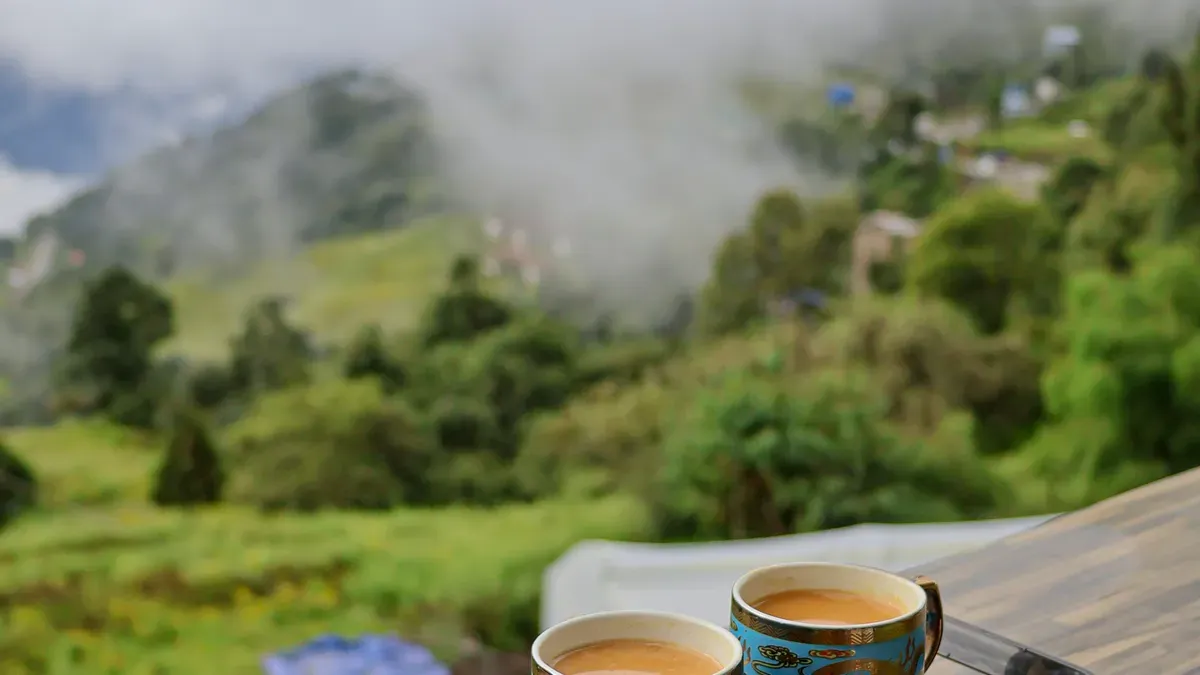
High-Altitude Teas: Taiwan, Darjeeling, Yunnan
Taiwan’s high-mountain oolong shows how height changes the taste of a cup. The air gets about 0.6°C cooler for every 100 meters you go up. This slower pace makes the growing time longer. Bushes at 2,400 meters may need twice as long to grow harvestable shoots as the same type of plant at 800 meters. The leaf builds more L-theanine. Sweetness and umami increase. Catechins go down. Bitterness fades. Fragrant compounds grow stronger. Floral and fruity notes become more intense. A high-mountain tea from 1,800 meters tastes sweeter and more fragrant than the same plant grown at 800 meters.
Darjeeling’s first flush shares this mountain character. Gardens sit in the Himalayan foothills. Cool air and mist slow the leaf. The cup shows muscatel notes and a crisp edge. Yunnan’s old-tree teas also grow on high ground. Old trees pull minerals from deep soil. Their leaves taste sweet and honey-like. Each region’s height and weather create unique flavors. No other place can copy them.
Elevation band | Growing conditions | Typical flavor outcome |
|---|---|---|
Below 1,000 m | Warmer, faster growth | Heavier, more astringent |
Above 1,000 m | Cooler, slower growth | Sweeter, softer, more aromatic |
Above 2,000 m | Extreme stress, lower yields | Gains not always proportional |
Tea lovers who enjoy these regional differences often pick handmade ceramic cups from clayesouk, made in Jingdezhen, to finish the tasting experience.
Low-Elevation Teas: Assam, Japan, Ceylon
Low-elevation gardens tell a different story. Assam sits near sea level in India’s hot, humid plains. The warm air pushes fast growth. Leaves grow big and bold. The cup becomes malty and strong. Japan’s sencha grows in lowland fields under careful shade. The leaf keeps a vegetal, umami-rich character. Ceylon tea from Sri Lanka’s lower slopes tastes brisk and citrusy. These flavors come from warm air, steady rain, and bright sun.
Height alone does not decide quality. Soil, slope, and microclimate all play a part. Yet the pattern holds across tea growing. High-altitude conditions favor sweetness and aroma. Lowland heat favors strength and bite. This is why high-altitude regions like Taiwan, Darjeeling, and Yunnan produce such distinct cups. The growing environment writes the recipe. High-altitude tea growing rewards patience. High-altitude teas take time. That time shows up in the sip.
Terroir: The Science of Tea Flavor
Soil, Mist, and Microbial Life
Terroir mixes soil, climate, and altitude with the way people farm. This blend gives tea its own special character. The soil under a tea plant feeds it. Minerals travel from the earth to the roots to the leaves. That trip shapes the final cup.
Research shows soil minerals play a direct part in flavor. Changes in soil pH affect how nutrients get taken in. When soil pH goes up and aluminum goes down, tea leaves absorb more potassium, calcium, magnesium, manganese, phosphorus, and sulfur. Enough macronutrients plus zinc boost polyphenols, free amino acids, and caffeine. These compounds give the cup depth and energy. When soil pH falls, aroma qualities drop. Missing nutrients lower chlorophyll production and amino acid buildup. The tea then loses color, taste, and smell.
Mist adds another layer. Mountain fog keeps leaves damp and softens sunlight. Tiny organisms in the soil break down dead plant matter. This process releases nutrients the plant can soak up. The growing space inside a tea garden is alive and always at work.
Why Terroir Matters for Tea Lovers
Terroir explains why two teas from the same cultivar taste totally different. A plant grown in Taiwan’s mountains makes floral, creamy oolong. The same plant grown in Assam’s plains makes bold, malty black tea. The effects of sense of place reach every part of the leaf. Soil, mist, and microbes write a signature no other place can copy.
Tea lovers who chase these regional differences understand one more thing. The vessel matters too. Handmade ceramic cups from clayesouk, crafted in Jingdezhen, carry unique glazes and forms. These cups influence aroma retention and mouthfeel. They complete the sensory experience of high-altitude tea and every other style.
Understanding tea’s sense of place changes how you drink it. Each cup becomes a record of its origin. The altitude and climate that shaped the leaf live in every sip.
Climate Change and Tea’s Future
Shifting Rainfall and Temperature Patterns
Warmer air is already changing tea gardens all over the world. In Darjeeling, growers say the old pattern of clear mornings and cool nights has fallen apart. The monsoon now comes early, with heavy rain starting in May instead of later. Hail and heavy rain at odd times harm the second flush. In 2023, too much rain fell through April and May. Dry spells have grown longer, and total rainfall has gone down. Strong sun sometimes shows up during the monsoon itself. These changes threaten both the amount and the quality of tea.
The effects touch every part of tea growing. Hotter days make plants grow faster, which weakens the amino acids that create sweetness. When drought stress hits, harvests get smaller. Flavor profiles change because of this. Good growing areas also move uphill, away from traditional gardens. The tie between climate and tea grows weaker every decade.
Adaptation Strategies in Tea Regions
Growers are not just waiting. Many are replanting at higher elevations, where cooler air keeps the slow growth that builds deep flavor. Plant breeders are creating drought-resistant types that hold water better during dry spells. Some estates now change harvest times, picking earlier to avoid the worst heat. Shade trees and misting systems give another shield against harsh sun.
These steps cost money and take years. Still, they show that new ideas can protect what generations built. For drinkers, the lesson is easy. Every cup of tea holds the weather of its season. Enjoy today’s flavors while they last. Support growers who adapt. The future of tea needs both science and care.
Altitude and climate work together to shape every cup of tea. Cool air, steady rain, soft light, and high elevation build sweetness and layered aroma. Warm lowlands create bold, brisk flavors instead. Science explains this gap. Slow growth lets amino acids and sugars concentrate. Fast growth builds strength and astringency. High-altitude tea shows this chemistry clearly. Seek out teas from different regions and vintages. Taste how weather writes a flavor profile. Every cup records its environment. That makes each sip precious. A changing climate threatens these delicate growing conditions. Appreciate them now. Handmade ceramic cups from clayesouk can complete the tasting experience.
FAQ
What is the best altitude for growing tea?
Most top high-mountain teas grow between 1,000 and 2,400 meters. Cooler air at these heights makes the plant grow slowly. Leaves build up more amino acids and sugars. This gives you a sweeter cup with more aroma.
Does higher altitude always produce better tea?
Not always. Above 2,000 meters, extreme stress can lower how much you harvest. The flavor gains do not always match the height. Soil quality, sunlight, and rainfall matter too. Altitude works with other things, not by itself.
Why does high-mountain tea taste creamy and floral?
Cool nights and misty days boost L-theanine production. This amino acid creates umami and a smooth mouthfeel. Soft, spread-out sunlight also raises aromatic compounds like linalool and jasmine lactone. These chemicals make floral, creamy notes.
Can low-elevation tea be as flavorful as high-altitude tea?
Yes, but the flavor profile is different. Low-elevation teas lean toward bold, brisk, and malty notes. High-altitude teas favor sweetness and floral aroma. Both can be great. Your choice comes down to what you like.
How does climate change threaten tea flavor?
Rising temperatures speed up how fast the plant grows. Faster growth cuts down amino acid buildup. Flavor becomes less complex. Rain that does not follow a pattern also stresses plants. Growers now move gardens to higher elevations or breed drought-resistant cultivars to adapt.
