
You have found a great Chinese ceramic supplier, but the price makes you wonder if you are paying too much. To negotiate better pricing, you need strategies that go beyond basic advice. Many buyers only ask for a discount, and that is a mistake. This often fails with experienced suppliers. True negotiation starts long before you send your first email. It begins with knowing your own cost stack and the cultural context of doing business in China. Successful negotiation is not about bargaining over one number. It is a step-by-step process of showing your worth as a serious buyer. This blog gives you special methods to negotiate better pricing in your next talk with suppliers.
Key Takeaways
Before you negotiate, find out how much raw materials and labor cost.
Use total landed cost data to support your price discussions.
Learn about Chinese culture to build trust and respect with suppliers.
Offer to buy in large amounts and use flexible payment terms to get lower prices.
Think about working together for a long time, not just getting a lower price once.
Research Your Full Cost Stack Before You Begin
Understanding Raw Material and Labor Costs
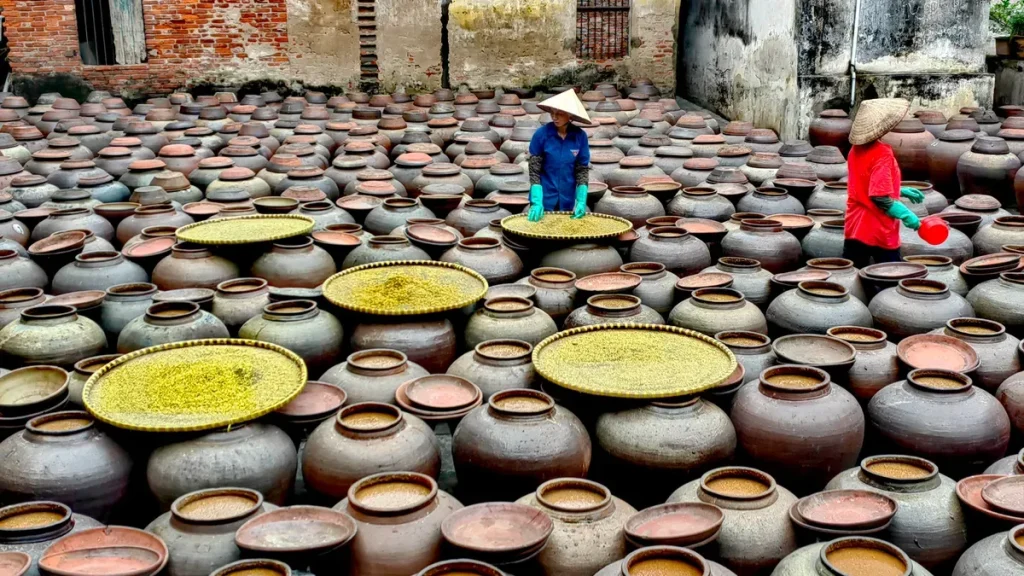
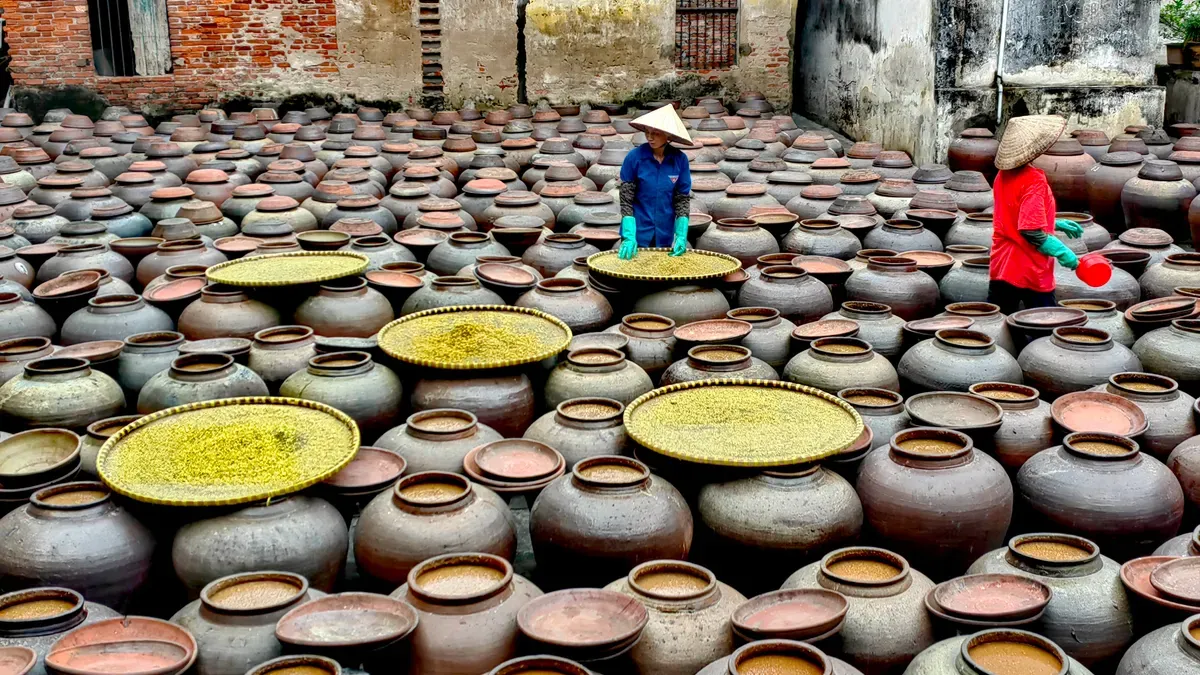
You cannot negotiate well if you do not know the real costs. Most buyers start by asking for a lower price. But this approach fails because you have no advantage. Start by studying the raw materials. Clay, glaze, and firing costs are the base. A supplier like clayesouk in Jingdezhen works differently from a normal factory. Artisans in Jingdezhen use old ways that need more time and skill.
What does kaolin clay cost? Industry reports say the average price is between 200 and 400 RMB per ton. Higher quality kaolin costs more. The price changes based on region and demand. Labor costs also differ. A handmade cup from Jingdezhen needs skilled artisans. A machine-made cup from a general factory costs much less.
Doing business in China means you must understand these numbers. Get several price quotes from different suppliers. Compare them with the raw material baseline. This helps you spot outliers. A quote that is much higher or lower than average needs checking. The supplier might use top-quality materials, or they might cut corners. Your job is to find the truth before you begin any negotiation.
Defining Your Non-Negotiables and Acceptable Substitutions
Know what you cannot change before you discuss price. Quality standards are non-negotiable. Craftsmanship, glaze consistency, and firing technique are important. A cheaper glaze saves money but changes the look and feel. First, set your minimum needs.
Figure out where you can be flexible. Packaging is one area. Simple packaging lowers cost without harming the product. Delivery time is another area. Longer delivery times often lower the price per item. Payment terms also give you options. A 30% deposit instead of 50% lowers your risk.
Tell your suppliers your non-negotiables early. This builds trust. It helps them guide you to the right choices. They might suggest a different clay that works well but costs less. You make an educated choice without harming your main quality.
This preparation changes your next talk. You go from guessing to planning. You become a buyer who knows the business. Chinese suppliers respect that knowledge. They see you as a serious partner. This respect leads to better pricing.
Master Price Negotiation with Chinese Suppliers from Day One

Anchor with Data, Not Requests
Most buyers make a common mistake at the start. They look only at the headline price. This number feels like the whole story, but it is not. The real cost includes packaging, shipping, and payment terms. You must figure out the total landed cost before you talk price with the Chinese suppliers. A low unit price means nothing if the packaging costs twice as much or the shipping takes three months.
Suppose Supplier A quotes 20 RMB per cup with basic packaging and sea freight. Supplier B quotes 25 RMB per cup with fancy gift boxes and air freight. The headline price favors Supplier A. The total cost might favor Supplier B. Run the numbers for every quote you get. This data becomes your anchor. You do not ask for a discount. You show a clear cost breakdown and ask the supplier to match or beat it.
This approach changes the power balance. You are no longer a buyer begging for a favor. You are a professional looking at a business deal. Chinese suppliers respect this. They see you understand the full picture. This respect opens the door to real price negotiation with Chinese suppliers.
How to Negotiate Better Pricing on Ceramic Products
Your words matter during supplier negotiation. Many buyers praise the product too much. They say things like “This is the most beautiful cup I have ever seen” or “Your craftsmanship is amazing.” This feels polite, but it makes your position weaker. The supplier hears that you love the product. They know you will pay more. You lose leverage before the talk begins.
Use neutral, professional language instead. Say “This design meets our requirements” or “The quality fits our target market.” These statements show interest without desperation. You signal that you have other options. You show that you are comparing quotes from multiple suppliers.
When you negotiate price, focus on value, not emotion. Ask about volume discounts. Ask about glaze options that cost less but still look good. Ask about firing schedules that cut energy costs. Each question shows you understand their process. Each question moves the talk toward negotiating better prices.
You can also negotiate better pricing by offering something in return. A longer delivery window helps the supplier plan production. A larger first order spreads their setup costs. A simpler payment schedule lowers their financial risk. These trade-offs often lower the unit price more than a direct request for a discount.
Remember that negotiating a better price is not about winning. It is about finding a deal that works for both sides. The supplier needs profit to stay in business. You need a fair price to stay competitive. When you approach price negotiation and sourcing with this mindset, you build a relationship that lasts. You also lock in pricing that stays stable over time.
Learn How to Negotiate Price in China Using Cultural Cues
The Right Timing and Tone for Price Discussions
You cannot bargain in China the same way you do in Western countries. Chinese suppliers care about “face,” which means keeping respect and harmony. If you start by demanding a lower price, you hurt the relationship. You lose all your power. The right time to talk about money comes after you build a connection. Send a polite first message. Show real interest in their products. Ask how they make things. Only then should you bring up numbers.
When to talk also matters a lot. Do not ask for a final price in your first email. Your first contact should be about making a link. Suppliers give better deals to buyers they trust. They see each order as part of a long friendship. Use respectful words. Thank them for their skill. Avoid words that sound like threats. A calm and businesslike tone opens doors.
Knowing how the supplier works helps you set the right tone. A handmade ceramic cup from clayesouk takes weeks to finish. Artisans in Jingdezhen, China follow a careful process: forming, drying, bisque firing, glazing, and final firing. When you understand this, the supplier sees you as smart. You are not a buyer looking for a cheap price. You are a partner who values their skill. This shared respect lets you negotiate price in China in a way that feels fair to both sides.
Building Credibility Without Damaging the Relationship
Your credibility is your strongest tool in supplier talks. You build credibility by showing you know the ceramic world. You know the cost of kaolin clay. You ask good questions about glaze recipes or shipping steps. Every smart question proves you are a real buyer. The suppliers treat you as a valued partner.
Chinese negotiation methods are different from common Western ways. Building a relationship takes time and patience. Share your business history openly. Explain who you sell to and why you need their quality. When the supplier sees your long-term plan, they become ready to give better deals because they see a future. Knowing the typical price in China for a handmade cup gives you an extra edge during talks.
This shared understanding lets you bargain for better pricing without hurting the relationship. Do not push too hard. If a supplier spent weeks on a sample and you ask for a 40% discount, you break the relationship completely. Instead, offer something in return. Suggest a bigger first order. Ask for a lower cost per piece in exchange for a promise of regular orders. This method shows respect for the supplier’s pride.
You also build credibility by being consistent. Do not change your needs after the supplier gives a price. A steady buyer gets better terms over time. The supplier remembers your honesty and rewards you.
The real goal of price negotiation with Chinese suppliers is not to win one fight. It is to build a long-term partnership. When you mix cultural understanding with good preparation, you get fair results that last beyond a single order. Negotiating price in China becomes much easier when the supplier trusts you.
Improve Price Negotiation with a Strategic Order Plan

Using Incremental Volume to Drive Future Price Drops
The best way to improve price negotiation is to show you are a steady repeat buyer. Start with a small order. Pay on time. Talk clearly. Then show your supplier a growth plan. Tell them you plan to double your order in six months. Share your sales estimates. This plan gives them a reason to offer a better price from suppliers.
Suppliers spend time and money on every new buyer. They make molds, test glazes, and adjust production lines. A one-time buyer does not pay back that investment. A repeat buyer does. When your supplier sees steady growth, they spread those setup costs across more units. This lowers your unit cost over time.
You can also negotiate price by linking volume to price tiers. Ask for a lower price at 500 units, another at 1,000 units, and a third at 2,500 units. This gives you clear goals. It also gives your supplier a clear plan. Both sides win. You get lower purchase costs as you grow. They get steady revenue.
Payment Terms as a Path to Lower Unit Cost
Payment terms are a strong tool for negotiation. Many suppliers ask for a 50% deposit before production. You can suggest a 30% deposit instead. This lowers your money risk. It also frees up cash for marketing or inventory.
Your supplier may say no at first. They worry about unpaid balances. Offer something in return. Promise to pay the rest within seven days of shipment. Share references from other suppliers. Show them you are trustworthy. A lower deposit often leads to a better price.
You can also trade payment terms for a lower unit price. Suppose your supplier offers a 2% discount for full payment upfront. You can counter with a 30% deposit and a 1% discount. This keeps your cash flow healthy. It still gives them some savings. The key is to find a balance that works for both sides.
These strategies help you improve price negotiation with your Chinese supplier. They turn a single deal into a partnership. That partnership delivers better prices from your Chinese supplier year after year.
You now hold a complete system. You research costs, read cultural cues, and plan orders with purpose. This preparation changes how suppliers in China see you. They stop treating you as a bargain hunter. They start treating you as a partner.
Your next conversation carries new weight. You can negotiate better pricing because you bring data, respect, and a clear growth path. That combination wins trust. Trust wins fair pricing.
Stop negotiating for a discount. Start building a partnership based on mutual benefit, and the pricing will follow.
FAQ
What is the first step to prepare for a price discussion?
Research the full cost stack before you send any message. Know raw material prices, labor costs, and shipping fees. This data gives you a strong anchor. Chinese suppliers respect a buyer who understands their numbers.
How can I tell if a supplier’s quote is fair?
Compare it against your cost research. If the quote is much higher or lower than the baseline, ask why. Check if the materials or craftsmanship justify the difference. A fair quote aligns with known industry averages.
Should I ask for a discount in my first email?
No. Focus on building a connection first. Show interest in their process and products. Start the price conversation only after you establish trust. This approach gets better results than a direct discount request.
Can I lower the unit price by changing payment terms?
Yes. Offer a lower deposit, such as 30% instead of 50%. Promise quick payment after shipment. Suppliers value reduced financial risk. Use this trade-off to negotiate a better per-piece price.
How does order volume help me get a better price?
Start with a small order and pay on time. Share your growth plan with the supplier. Show them you will order more in the future. They will lower the unit cost to secure your repeat business.
