
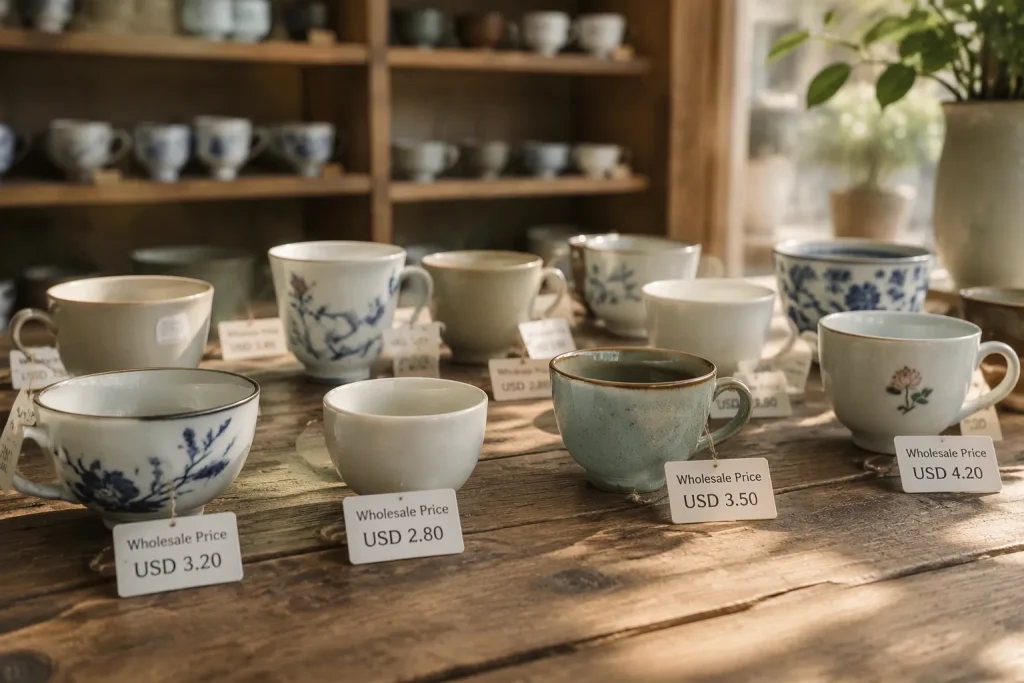
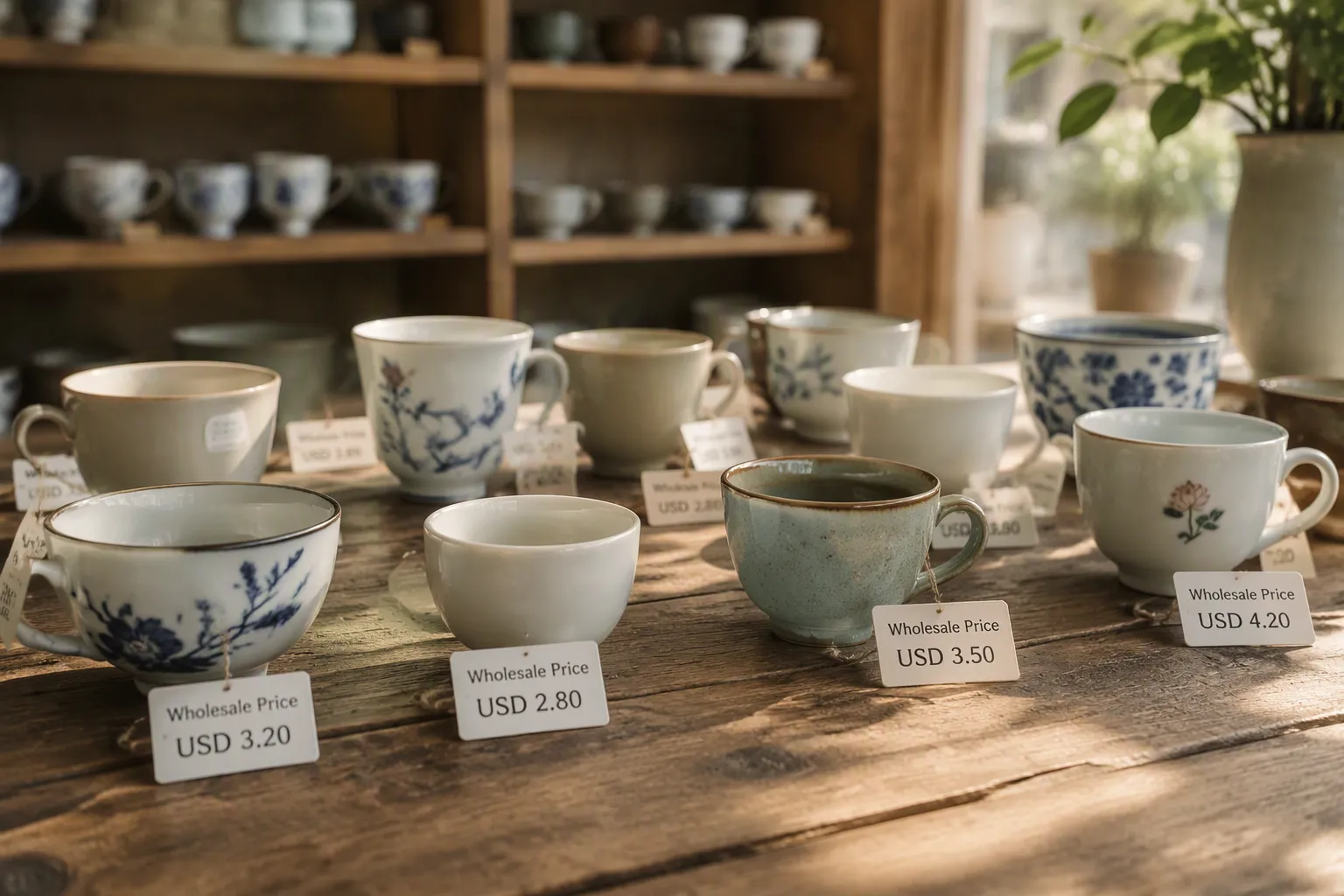
Jingdezhen ceramic cups will probably sell for a wholesale price range of $1.00 to $10.00 per cup in 2026. There is no official 2026 data yet. This guess comes from current wholesale prices for similar Chinese ceramic cups, adjusted for expected trends. The low end covers stock mugs at about $1 to $3 each. Mid-range semi-custom cups sit near $3 to $5. High-end handmade artisan cups reach $5 to $10 or more. Material quality, craftsmanship, and order volume all shape these numbers. This article explains what sets each price tier and how to source well from Jingdezhen. Plan your budget with this range in mind.
Key Takeaways
In 2026, you can expect to pay $1 to $10 or more for each Jingdezhen ceramic cup.
Regular mugs cost $1 to $3 each, while handmade cups made just for you cost $5 to $10 or more.
The final price depends on the quality of the material, the skill of the work, and how many you order.
Work straight with a factory or a special studio to get lower prices and better control over quality.
Prices may go up 5 to 10 percent in 2026 because materials and labor cost more.
Wholesale Price Range by Cup Category
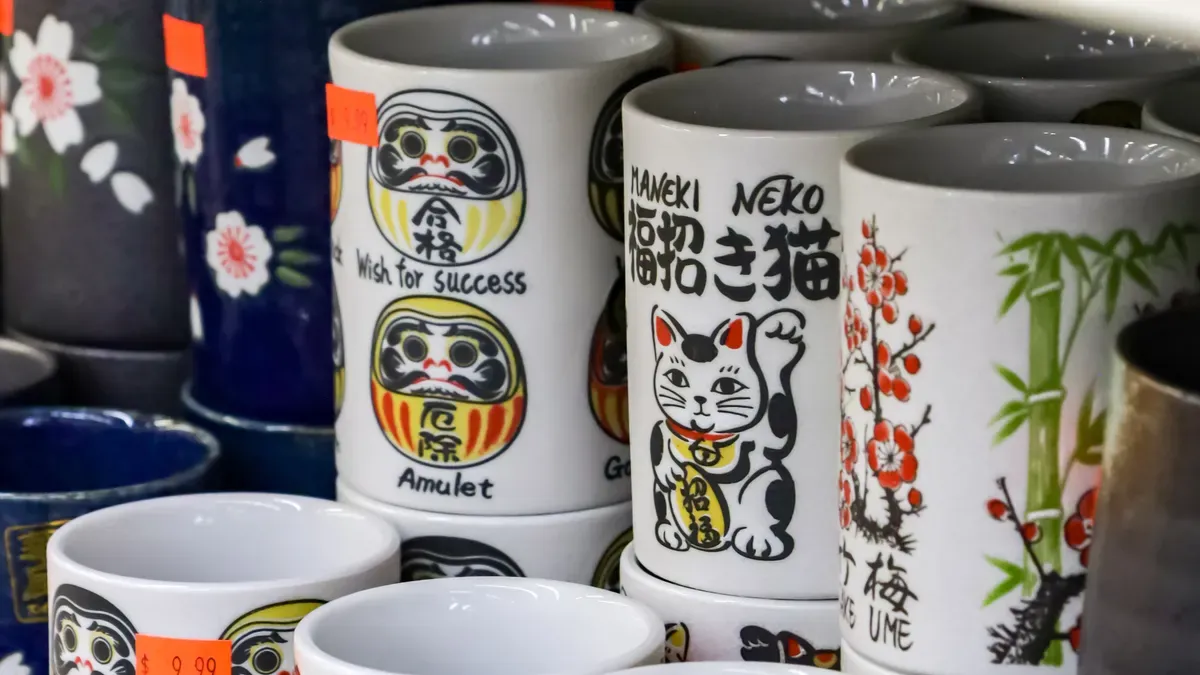
You can group Jingdezhen ceramic cups into two broad tiers. Each tier carries its own wholesale price range. The numbers below reflect current market data. Treat them as a projection for 2026, since no official Jingdezhen-specific figures exist yet.
Standard Mugs and Stock Designs
Stock mugs and standard designs sit at the low end. You will typically pay $1 to $3 per cup. These cups come from molds, not from a potter’s wheel. Factories produce them in large runs. An MOQ of 500 pieces is common for standard designs.
Current wholesale costs in Jingdezhen support this range. Glazed porcelain items, such as white porcelain cups and matte-glazed bowls, cost 8 to 25 yuan per piece. Bone china dinnerware, which includes tea sets and cups, runs 15 to 50 yuan per piece. Hotel-grade ceramics, such as service sets and dessert plates, fall between 12 and 40 yuan per piece. These figures cover several product types, so a single stock mug lands near the bottom of its category.
Stock designs suit buyers who need volume. A cafe chain, a hotel, or a promotional gift company can order thousands of units at a low unit cost. The trade-off is limited choice. You pick from a catalog. You do not change the shape, the glaze, or the pattern.
Premium Handmade and Custom Orders
Handmade and custom cups occupy the high end. Expect $5 to $10 or more per cup. Hand-painted ceramics already cost 20 to 60 yuan per piece at wholesale, and that figure covers artistic dinnerware and decorative plates. A single handmade cup with detailed painting can sit at the top of that band.
Claye serves as a strong example of this high-end tier. The brand works from Jingdezhen, a city with over 1,700 years of ceramic history. Its artisans bring more than a decade of experience to each piece. Every cup is handmade, so no two look exactly alike. Claye also offers custom design services. You can adjust patterns, glazes, shapes, and sizes to match your brand.
Custom orders push the wholesale price range higher for clear reasons. A potter throws each cup by hand. A painter applies each design with a brush. The kiln firing adds another layer of cost and risk. You also pay for the design work itself. A custom mold, a new glaze formula, or a sample round adds to the total.
Volume still matters at this tier. A custom order of 500 pieces costs less per unit than an order of 50. The MOQ of 500 applies to many standard designs, but custom work often needs its own negotiation. Ask your supplier for a clear breakdown. Separate the mold cost, the sample cost, and the per-unit cost. This step helps you compare quotes across studios.
The gap between the two tiers is wide. A stock mug at $1 and a handmade cup at $10 differ in material, labor, and character. Your choice depends on your market. A gift shop or a boutique hotel will find value in the premium tier. A high-volume buyer will find value in the standard tier.
Key Factors Affecting Price

Material, Craftsmanship, and Firing Method
The clay you pick sets the base cost. Porcelain clay costs more than stoneware because it needs finer work and higher purity. Bone china costs even more since it mixes bone ash into the clay. Glaze choice also matters. A simple clear glaze is cheap. A custom glaze with rare minerals or a complex finish adds real cost to each cup.
Craftsmanship creates the biggest price gap. A machine-pressed mug takes seconds to make. A potter at a wheel spends minutes on one cup, and hand-painted designs can take hours. Handmade cups show the maker’s touch. That human work explains the higher price tier.
Firing method changes both cost and look. Electric kilns give steady, reliable results at a lower cost. Wood kilns need constant care, lots of fuel, and long firing times. A wood-fired cup often shows ash marks and slight color changes that electric firing cannot copy. Those effects raise the price, and they also make each cup one of a kind.
Order Volume and Customization Complexity
Order volume shapes your unit cost more than anything else. An MOQ of 500 pieces is common for standard designs. At that volume, a factory can spread setup costs across many units. Smaller orders have higher per-unit costs because the mold, kiln space, and labor stay the same.
Customization adds layers of cost. A new shape needs a new mold. A new pattern needs design time and a sample round. You pay for each change before making the final batch. Simple logo printing costs far less than a full hand-painted scene. Ask your supplier to list mold costs, sample costs, and per-unit costs separately. This breakdown lets you compare offers fairly and find hidden fees.
Sourcing Tips from Jingdezhen
Direct Factory vs. Third-Party Suppliers
You have a big choice to make when you buy from Jingdezhen. You can work straight with a factory. You can also use a third-party supplier or trading company. Each way changes what you pay, how you check quality, and how fast people reply to you.
A trading company puts a layer between you and the maker. That layer often makes your unit price go up. It can also slow down fixing problems. A direct factory relationship takes out that middle step. You talk to the people who shape, glaze, and fire your cups. You see the real production process. You catch defects before they ship. For premium handmade cups, this direct line matters even more. Small changes in glaze or shape need quick feedback. A middleman makes that feedback loop longer and less reliable.
Benefits of Partnering with a Specialized Studio
A specialized studio brings more than a production line. It brings deep knowledge of the craft. Claye is a strong example. The studio sits in Jingdezhen and draws on over a decade of hands-on experience. Its artisans treat each cup as a work of art. The studio also holds recognition as a national-level ICH productive protection demonstration base. That status reflects a real commitment to traditional techniques.
Claye offers custom design services as well. You can adjust patterns, glazes, shapes, and sizes to fit your brand. This flexibility sets a specialized studio apart from a generic factory. A generic factory runs standard molds at high volume. A studio like Claye balances volume with craft. You get better quality control for handmade cups. You also get pricing that reflects real materials and real labor, not inflated middleman markups. For buyers who value authenticity, a direct partnership with a specialized studio delivers the best results.
Future Trends for 2026
Raw Material and Labor Cost Projections
You should expect higher prices in 2026. Raw material costs in Jingdezhen keep climbing. High-grade porcelain clay costs more each year. The supply of fine kaolin shrinks as demand grows. Glaze materials with rare minerals also cost more. These increases push the wholesale price range upward.
Labor costs add another layer. Skilled artisans in Jingdezhen earn more now than they did five years ago. Young workers choose other careers. The pool of experienced potters and painters grows smaller. Studios must pay more to keep talented hands. This trend will likely push prices up by 5 to 10 percent in 2026.
Energy costs also matter. Kiln firing uses a lot of electricity or wood. Fuel prices rise over time. A studio passes some of that cost to you. Plan your budget with this increase in mind.
Evolving Demand for Handmade Ceramics
Global demand for handmade ceramics keeps growing. Buyers want authentic pieces with a human story. Mass-produced mugs feel generic to many consumers. A handmade cup carries the maker’s touch. It shows small differences in shape and glaze. That character attracts buyers who value craft.
This demand supports the premium end of the market. Cups priced at $5 to $10 or more find ready buyers. Boutique hotels, gift shops, and tea suppliers seek these pieces. They want products that stand out from factory goods. Claye meets this need with handmade cups from Jingdezhen. Each piece reflects over a decade of artisan experience.
The trend favors studios that blend tradition with modern design. Buyers want heritage techniques and contemporary style. A cup that honors old methods and fits today’s aesthetic sells well. This balance keeps the high-end tier strong through 2026.
Your wholesale price range for Jingdezhen ceramic cups in 2026 sits between $1 and $10 or more per cup. Keep in mind that no official 2026 data exists yet. Rising material and labor costs may push prices up by 5 to 10 percent. Plan your orders now and ask for quotes early. This step locks in better pricing and secures production slots. You avoid surprises later. For premium handmade options within this projected range, visit Claye’s catalog at clayesouk.com. Claye offers over a decade of Jingdezhen craftsmanship in every cup. You can browse stock designs or start a custom order today.
FAQ
What is the minimum order quantity for Jingdezhen ceramic cups?
An MOQ of 500 pieces is common for standard designs. Custom orders often need separate negotiation. Ask your supplier for clear terms before you commit. This step helps you plan your budget and avoid surprises.
How much will prices rise in 2026?
Expect a 5 to 10 percent increase. Rising clay costs, labor shortages, and energy prices drive this trend. Skilled artisans earn more now. The pool of experienced potters shrinks each year. Lock in quotes early to secure better rates.
Can I customize the shape, glaze, or pattern?
Yes. Specialized studios like Claye offer full custom design services. You can adjust patterns, glazes, shapes, and sizes. Custom work adds cost for molds and samples. Ask for a breakdown of each fee before production starts.
Why do handmade cups cost more than stock mugs?
Handmade cups involve real labor. A potter throws each cup by hand. A painter applies each design with a brush. Kiln firing adds cost and risk. Stock mugs come from molds in large factory runs. That difference explains the price gap.
How do I verify quality before placing a large order?
Request samples first. A direct factory relationship lets you see the production process. You catch defects before they ship. For premium handmade cups, this direct line matters even more. Small glaze or shape changes need quick feedback.
