
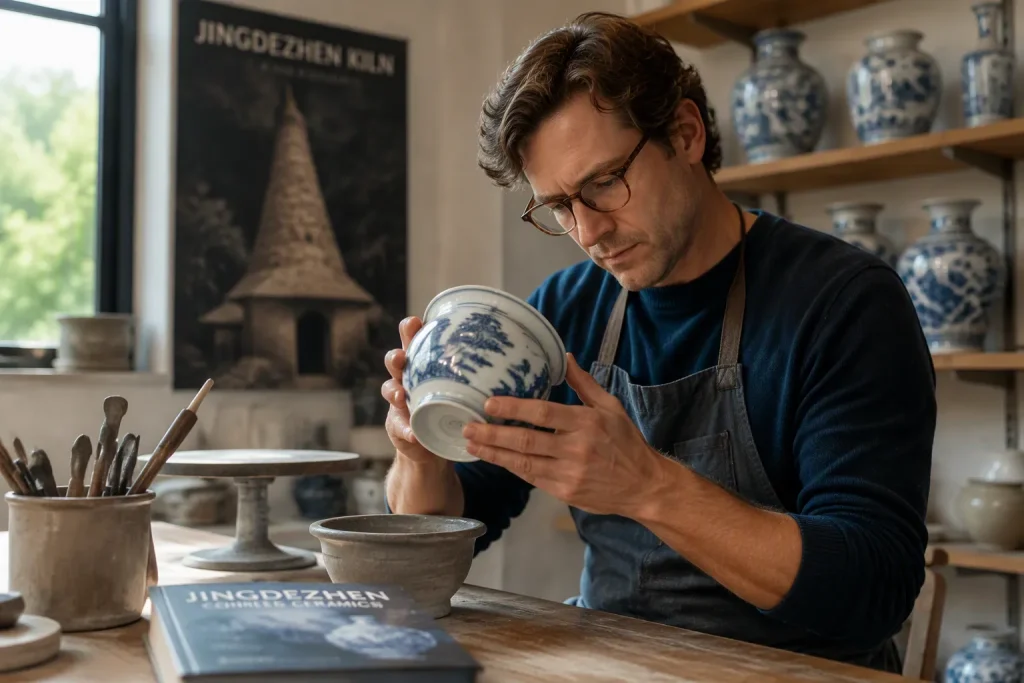
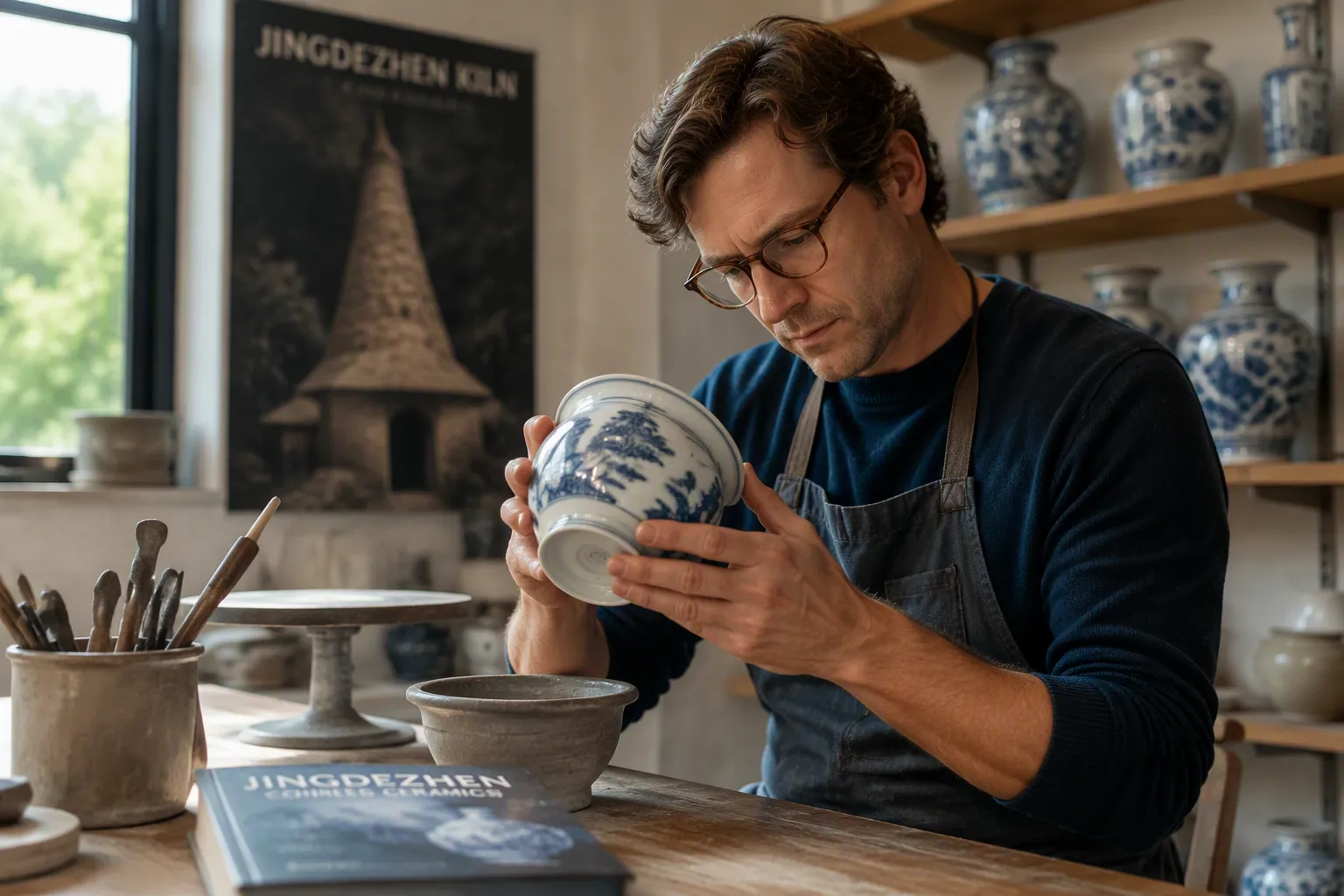
Today’s Western potters View Jingdezhen Heritage with mixed feelings. They see this city in China as a lively mix of old tradition and new ideas. Some potters think of Jingdezhen’s heritage as a deep source of inspiration. Others see it as a strong business center. Many treat it as a cultural treasure that now faces modern problems. A few call it a life-changing personal experience. Jingdezhen earned the name porcelain capital from over a thousand years of making porcelain. Its porcelain and ceramic culture draw artists from around the world. The city’s pottery history shapes how people everywhere see the craft. Western potters almost never share one single opinion about this city. Their different views show their own journeys and career goals.
Key Takeaways
Western potters view Jingdezhen’s heritage as a blend of old traditions and today’s business.
Jingdezhen shares technical secrets, such as the formula for kaolin and pottery stone.
Blue-and-white porcelain patterns influence today’s ceramic art in the West.
Worries about making money from a culture and taking it without permission are important.
Western Views on Jingdezhen Heritage
A Living Heart of Porcelain
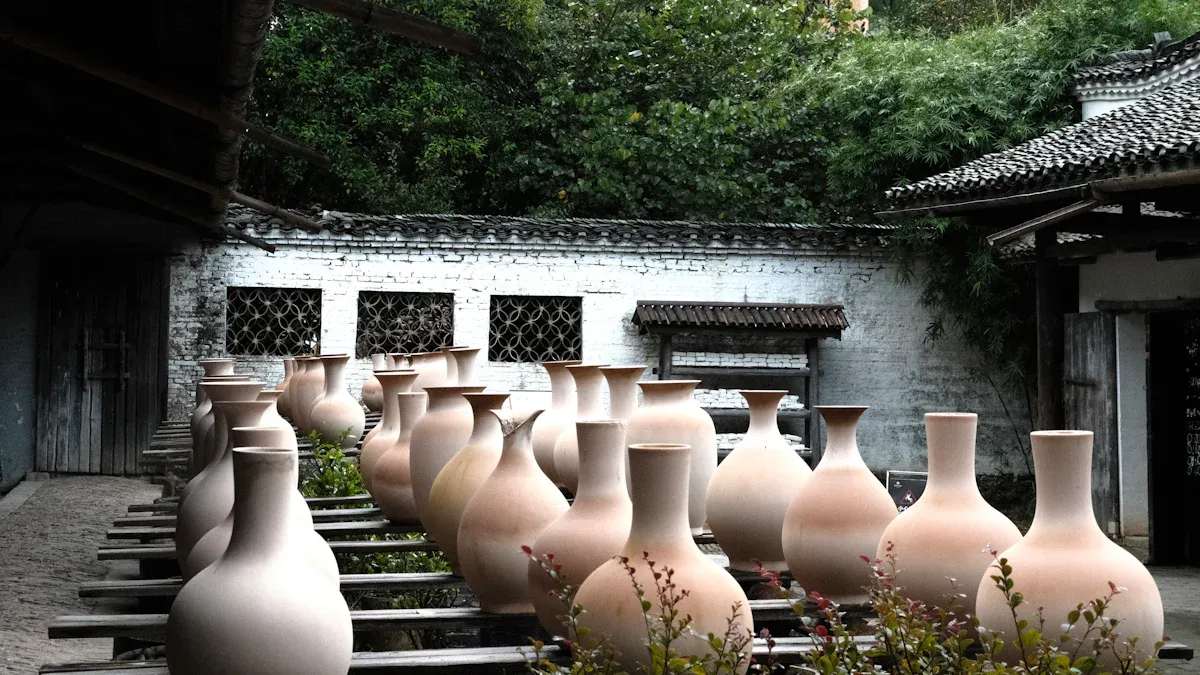
Many Western potters see Jingdezhen’s heritage as a living force, not a relic. This city holds over a thousand years of pottery-making history. Its centuries-old heritage gave it the name porcelain capital. The UNESCO World Heritage title for its Handicraft Porcelain Industry Sites proves this worth. UNESCO honored the site for having the most sophisticated handcraft porcelain production system in human history. The site keeps a full production cycle, from kaolin mining to final firing. It also stands for living intangible heritage passed on by master artisans. For Western potters, Jingdezhen’s ceramic culture mixes ancient tradition with modern vision.
The city’s biggest gifts are its techniques and materials. The well-known blue-and-white porcelain tradition is still a model for modern design. Western potters study these methods to improve their own ceramic art. Jingdezhen, found in China, backs this cultural heritage through care and active practice. Many artists come to learn straight from local masters. This sharing keeps the craftsmanship that shapes the city alive. Potters see Jingdezhen’s heritage as a constant talk between past and present.
A Global Hub for Ceramic Art
Jingdezhen works as a world hub for ceramic art. The city brings in international artists through places like The Pottery Workshop. PWS Ceramic Hub gives studios, bilingual help, and local ties. Artists from everywhere join residencies here. They work with local artisans and swap techniques. The workshop offers 3-Hour Ceramic Workshops that pack centuries of Jingdezhen craftsmanship into easy sessions. These programs make the city open to both beginners and skilled artists. The workshop also brings the value of the Jingdezhen ceramics ecosystem to anyone who wants it.
One strong example is the residency program at the workshop. Artists like Charity White and Inge Bečka have taken part. The workshop gives translators and project help. Residents value the deep support. The workshop pulls from deep roots in the Jingdezhen community. This kind of service is hard to find elsewhere. The workshop really links global artists with local traditions. Through this sharing, Western potters get a direct grasp of Jingdezhen’s heritage of porcelain making. The workshop shows a blend of international styles and local craftsmanship.
A Wellspring of Inspiration
Techniques and Materials as Catalysts
Western potters get creative ideas from Jingdezhen’s technical knowledge. The city’s methods give them a rich source of new thinking. The binary formula of kaolin mixed with pottery stone is a key example. This technique showed up after the Yuan Dynasty. It changed how potters think about body composition.
According to historical documentation, the ceramic body formula in Jingdezhen after the Yuan Dynasty followed the binary system of adding kaolin to chinastone.
This simple mix creates a material that fires white and strong. Potters in the West study this formula to understand the basics of porcelain. They learn how Jingdezhen mastered the balance between flexibility and strength. This knowledge opens new doors for their own work.
Jingdezhen’s history of porcelain production covers over a thousand years. This timeline holds countless experiments and solutions. Western potters look at this heritage of trial and error. They learn how generations solved problems with glaze chemistry and firing schedules. The city works as a living library of ceramic knowledge.
Kaolin gives the whiteness and hardness that define fine porcelain. Porcelain stone gives the body a workable quality. Together they create the material that built the porcelain capital’s reputation. Western potters visiting China study these ingredients firsthand. They touch the raw materials and watch local masters prepare them.
The techniques go beyond the formula itself. Methods here include precise control of kiln atmosphere and temperature. Potters learn the importance of reduction firing in creating the prized white body. They see how local artisans control every step of the process. This attention to detail inspires Western potters to improve their own practices.
The city’s material culture pushes artists to explore new possibilities. Many return home with new recipes for glazes and clay bodies. They bring its technical wisdom into their own studios. This exchange keeps the traditions alive in new contexts.
Aesthetic Influence on Modern Forms
The visual language of Jingdezhen shapes contemporary Western ceramic design. The blue-and-white tradition stands as the most recognizable symbol. Blue-and-white porcelain from Jingdezhen traveled the world for centuries. Its patterns and motifs appear on countless objects across cultures. Western potters study blue-and-white designs with fresh eyes. They adapt traditional blue-and-white motifs into modern forms. A coffee cup might carry a stylized landscape. A vase shows abstract patterns inspired by Ming originals. The color combination of blue on white remains powerful in modern ceramic art.
The influence extends beyond color. Its sense of proportion and balance enters Western ceramics. The careful placement of decoration within a white field teaches lessons about negative space. Western potters use these principles in their own design work. Some brands operating from Jingdezhen embody this bridge between tradition and modernity. Their artisans, with extensive experience in traditional ceramic craftsmanship, create handmade ceramic cups that blend ancient Chinese methods with modern aesthetics. Each cup carries the skill of local masters. The forms feel fresh while honoring centuries of tradition. For Western potters, such brands serve as tangible links to authentic Jingdezhen traditions.
The city’s design language keeps evolving. Western ceramists do not copy the past. They reinterpret blue-and-white porcelain for today’s audiences. They mix traditional blue-and-white elements with minimal contemporary shapes. They use blue-and-white in unexpected ways. The result is a living tradition that crosses cultural boundaries. Blue-and-white remains a foundation for many Western potters. These design principles influence potters worldwide.
Critical Perspectives and Concerns
Commercialization and Authenticity
Not all Western potters look at Jingdezhen’s heritage with pure praise. Many share real worries about how selling more and more affects the city’s craft traditions. They fear that making things in large amounts harms the real quality that makes Jingdezhen porcelain so special. Tourists can buy cheap ceramic souvenirs on almost every street corner. Items made in factories flood the market next to true handmade pieces. This mix makes it hard to tell what counts as real Jingdezhen porcelain.
Western potters often find it hard to tell the difference between traditional handmade work and factory copies. They value the human touch that defines true craftsmanship. A cup shaped by a master’s hands carries meaning that a machine-made copy cannot match. Some potters feel upset when they see traditional designs copied without care or respect. They believe this practice weakens the cultural weight of Jingdezhen’s ceramic culture.
The debate over what is real also touches on pricing. Handmade ceramics from Jingdezhen cost more than factory alternatives. Western buyers sometimes question whether the higher price reflects genuine quality. Potters who understand the craft defend these prices. They know that each handmade piece takes hours of skilled labor. The value comes from decades of training and deep knowledge of materials.
Some Western potters worry that fast commercialization pushes local artisans toward faster, cheaper methods. They fear that young craftspeople might give up traditional techniques for quick profits. This shift could wear away the skills that built Jingdezhen’s reputation over centuries. The city faces a real tension between economic growth and cultural preservation.
Navigating Cultural Appropriation
Western potters who draw from Jingdezhen’s traditions face hard ethical questions. They work with designs and methods from a culture that is not their own. This reality demands careful thought and respectful engagement. Many potters ask themselves whether they have the right to use blue-and-white motifs or ancient glazing techniques.
The line between inspiration and appropriation is not always clear. Western potters want to honor Jingdezhen’s heritage without claiming it as their own. They strive to credit the source of their ideas. They study the history behind each technique. They support local artisans by buying materials directly from China and collaborating with Jingdezhen workshops.
Respectful engagement means more than copying designs. It requires understanding the cultural context behind each tradition. Western potters who visit Jingdezhen learn about the labor and skill behind every piece. They see how local masters train for years to perfect their craft. This firsthand experience builds appreciation that goes beyond surface aesthetics.
Many Western potters now seek partnerships with Jingdezhen artisans rather than simply borrowing their methods. These collaborations create space for mutual learning. Local masters share their knowledge. Western potters bring new perspectives and markets. This exchange, when done with care, strengthens rather than exploits the tradition. The ceramics community continues to discuss these issues openly. Honest conversation about power, credit, and respect remains essential for ethi
Stories from the Studio and the Streets
Western potters often say their first trip to Jingdezhen changed their lives. They walk through streets filled with pottery shops and open studios. The air smells like clay and wood smoke from kilns. One American potter said the city felt like a living classroom. She worked beside local masters for an extended period. They showed her how to throw thin walls on a wheel. That skill took her years to learn back home. In Jingdezhen, she saw it done in minutes.
Another potter from Canada told a story about watching a master paint blue and white porcelain. The artist worked without a sketch. Each brushstroke landed with perfect control. The Canadian potter saw that true craftsmanship comes from daily practice. She went home with new respect for slow, careful work. Many visitors say the city changes how they think about their own ceramics. The energy of Jingdezhen pushes them to try new forms and glazes.
The Impact of Collaboration and Exchange
Collaborative projects and residencies build bridges between Western potters and Jingdezhen artisans. Programs at The Pottery Workshop pair international artists with local experts. These partnerships create room for honest exchange. Western potters bring fresh ideas about design and marketing. Local masters share centuries of technical knowledge. Both sides learn from each other.
Some ceramic brands also play a key role in this exchange. They offer custom ceramic design services for Western clients. Potters and fans can ask for specific patterns, glazes, and shapes. Their artisans then make each piece by hand in Jingdezhen. This direct link gives Western potters a real tie to authentic Chinese ceramic art. They see how traditional methods meet modern design needs. The result is a shared language of clay that crosses borders.
Western potters see Jingdezhen heritage as a wide range. Their views go from deep respect to critical questions and personal change. No single story can explain this complex relationship. These cross-cultural exchanges are hard but still important for ceramic art to grow. Potters who study porcelain traditions in China bring new energy to the global ceramics community. Respectful talk and ethical work with places like Jingdezhen will shape the future of design. Artists who honor cultural context while pushing creative limits build a stronger, more connected world. The clay community grows when makers listen, learn, and share across borders.
FAQ
Why do Western potters travel to Jingdezhen?
Western potters go to Jingdezhen to learn from local masters. The city provides hands-on training in traditional pottery methods. Artists work next to skilled artisans in open studios. This direct experience teaches skills that take years to learn elsewhere. The trip often changes how they see their own work.
How do local ceramic brands support Western potters?
Some ceramic brands offer custom ceramic design services for Western customers. Potters can ask for specific patterns, glazes, and shapes. The brands’ artisans then hand make each piece using old methods. This direct link lets Western potters get real craftsmanship. They see how old techniques fit modern design needs.
What concerns do Western potters have about commercialization?
Many worry that making things in large numbers hurts traditional quality. Factory-made items fill the market next to handmade pieces. This mix makes it hard to tell what is real craftsmanship. Some potters fear young artisans will give up slow methods for fast money. The struggle between growth and keeping traditions is real.
How do Western potters engage respectfully with Jingdezhen traditions?
They study the history of each technique. They give credit for where they got their ideas. Many work directly with local artisans instead of copying designs. This partnership helps both sides learn. Local masters share their knowledge. Western potters bring new ways of thinking. Respectful sharing makes the tradition stronger.
What makes Jingdezhen a global hub for ceramic art?
The city draws international artists with residencies and workshops. Places like The Pottery Workshop give studios and help in two languages. Artists from all over join these programs. They work with local experts and share methods. This exchange builds a living community. It connects world artists with centuries of porcelain skills.
