
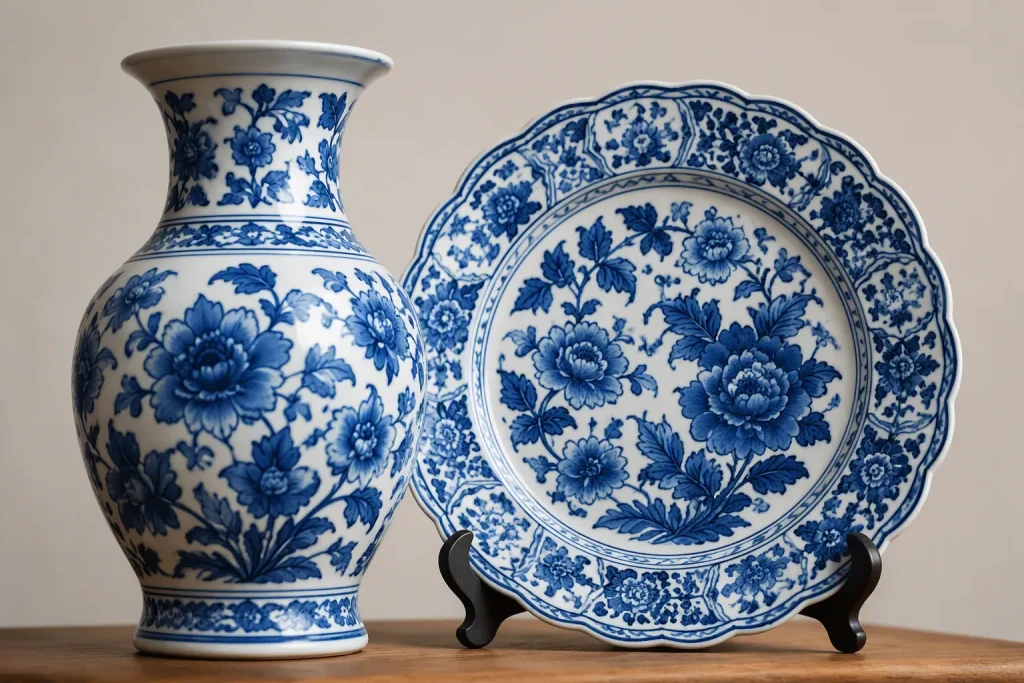
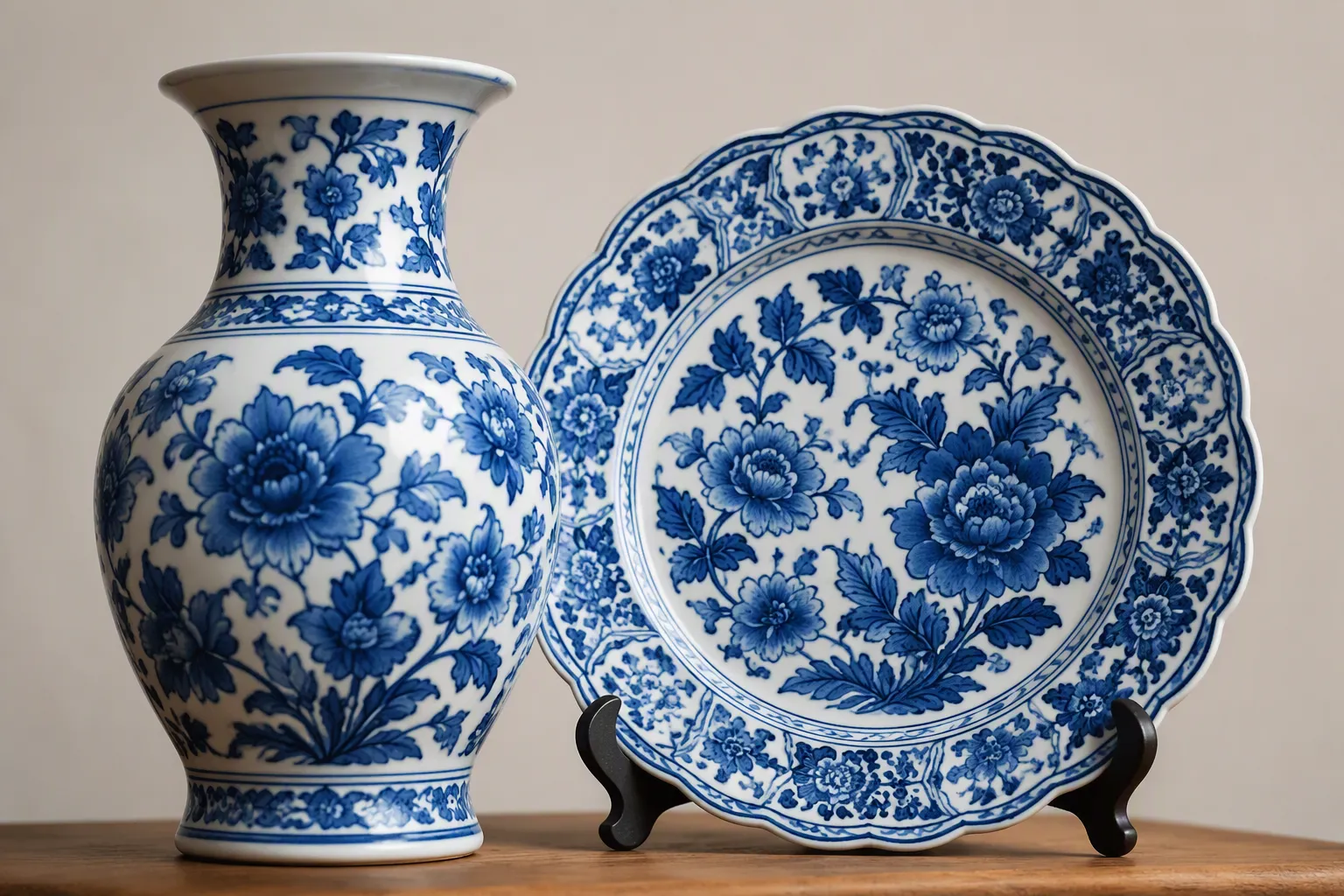
Chinese blue-and-white porcelain was like the Instagram of the 1600s. Wealthy Europeans showed off these beautiful pieces to display their taste and status. This demand led to a remarkable copy. Dutch Delftware was made as a direct answer. Potters in Delft, Netherlands, copied Chinese designs using local clay. Clay was the shared material that built this cross-cultural bond. How did this inspiration spread, and why is it important? The story shows that trade routes carried not just goods but ideas. Artists in two faraway lands shaped each other’s work through a single material. Clay connected them across oceans and centuries. This bond changed art and trade forever.
Key Takeaways
Dutch Delftware started out as a straight copy of Chinese blue-and-white porcelain.
A shortage of supplies from China led Dutch potters to make their own version.
Dutch artists used windmills and tulips instead of Chinese designs on their pottery.
The link between Chinese and Dutch ceramics still inspires handmade pieces today.
How Chinese Blue Reached the Dutch
The Dutch East India Company Trade
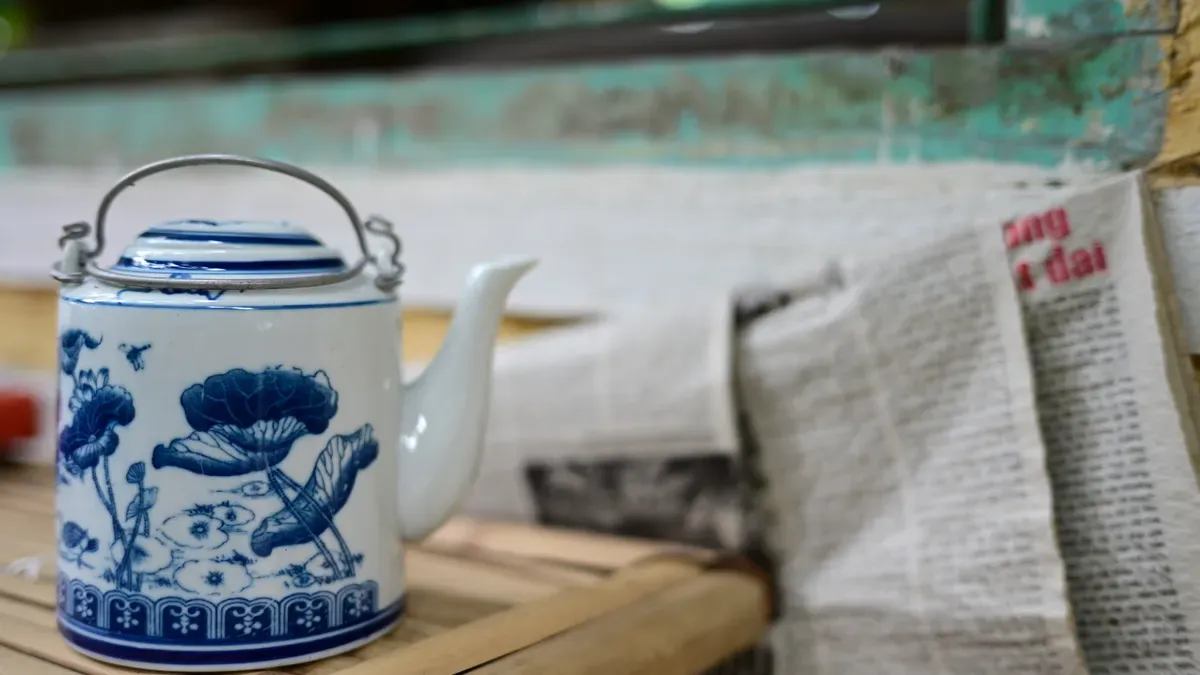
The Dutch East India Company, called the VOC, brought millions of Chinese porcelain pieces to Europe in the 1600s. Dutch ships sailed to Asian ports and came back with cargo holds full of blue and white pottery. This trade turned the Netherlands into a main hub for these exotic goods. The VOC saw the huge demand for chinese porcelain among rich Europeans. They built a steady supply chain that linked Jingdezhen kilns to Amsterdam markets.
A big disruption hit this trade in 1620. The Wanli Emperor died that year, and political chaos in China followed. The Ming dynasty struggled to keep porcelain production at earlier levels. Supply from Chinese kilns fell sharply. Dutch merchants suddenly faced empty shelves and rising prices. This shortage created a serious problem for a market that hungered for blue-and-white ceramics.
The Craze for Blue-and-White
European elites developed a deep love for chinese porcelain during this period. Blue-and-white dishes, vases, and cups became strong status symbols. Wealthy families showed off these pieces in special rooms to impress guests. The blue designs on white backgrounds felt new and elegant to European eyes. Owning such items signaled wealth, worldliness, and refined taste.
This craze spread across the Netherlands and beyond. Merchants, nobles, and even middle-class buyers wanted these ceramics. The demand went far beyond what the VOC could supply. When Chinese imports slowed after 1620, European buyers grew desperate for other choices. Dutch potters saw a chance. They began trying local clay and new techniques. This moment set the stage for Delftware to rise as a local answer to the Chinese blue-and-white tradition.
The Rise of Dutch Delftware
Cobalt Blue on Tin Glaze
Dutch potters had a hard problem to solve. They wanted to copy the look of blue-and-white ceramics using materials from home. Tin-glazed pottery gave them the answer. This method made a white, solid surface that looked like the bright white body of imported items. This tin-glazed pottery method became the base for all delftware production. Making dutch delftware again depended on learning this exact technique.
The process began with normal Dutch yellowish earthenware. Potters dipped this clay into a white tin-oxide glaze that you cannot see through. This glaze covered up the clay’s natural color underneath. The exact recipe needed careful mixing of several parts. The table below shows the exact makeup.
Component | Percentage |
|---|---|
Potassium feldspar | 65% |
Limestone | 11% |
Silica | 11% |
Zinc oxide | 9% |
Tin oxide | 4% |

Tin oxide was only four percent of the mix. But this tiny amount made the white finish that delftware needed. Potters painted designs on this surface using cobalt ore from other places. Cobalt oxide in a silica glaze gave the famous blue color. People called this blue delft blue. The last firing took place at about 1000 degrees. Normal brick kilns could get this hot. This low heat made production easy and within reach. The process made the special look that Europeans loved. Delft blue showed up on plates, vases, and tiles all over the Netherlands.
From Copy to Craft
Early delftware pieces copied Chinese models very closely. Dutch potters copied Kangxi-period motifs like Long Elizas, also called Lange Lijs. These tall female figures showed up on vases and plates. Potters also copied Zotjes, dancing boys from Chinese designs. Lotus flowers and Daoist or Buddhist symbols mixed with chinoiserie figures. The likeness to Chinese porcelain was strong. At first glance, buyers could barely tell them apart.
Dutch potters soon added their own changes. They outlined blue decoration in dark-blue, black, or purple. This outlining changed how the designs looked. The character and quality of these outlines differed from piece to piece. Kraak-style chargers showed this technique clearly. These dark outlines gave delftware a distinct character. Delftware no longer looked like exact copies. It turned into something new. These outlines added depth and definition to the painted images. They gave the ceramics a graphic quality that was different from the softer Chinese originals. Collectors started to value delftware for its own good points.
This change marked the birth of a real Dutch craft. Potters made designs that showed their own world. Windmills and tulips took the place of pagodas and dragons. The link to Chinese porcelain stayed visible. Yet delftware grew its own identity. The use of local clay, the tin-glazed pottery method, and unique outlining made a separate tradition. Delft blue became a style people knew across Europe. International buyers looked for this special look. The term delft blue came to mean not just a color but a whole group of ceramic art. This style honored its Chinese inspiration while standing on its own.
The move from copy to craft took many decades. Potters learned which designs worked best with their materials. They found out how to control the process for steady results. Each firing taught them something new. By 1700, delftware had become a big industry. Dutch delftware filled homes across the Netherlands and beyond. The bond between Chinese and Dutch ceramic traditions kept growing. Each tradition influenced the other through trade and artistic exchange.
Motifs and Dutch Twists
Pagodas, Dragons, and Floral Scrolls
Early Dutch potters used Chinese design books and imported pieces a lot. They painted pagodas with tiered roofs that climbed in pretty steps. Dragons curled across plates with scales and claws in deep blue. Floral scrolls wrapped around vases in nonstop loops. These motifs came from Ming and Kangxi-era porcelain. Dutch artisans studied these images very carefully. They copied every curve and line as closely as their materials let them.
The results were amazing. One charger might show a dragon chasing a pearl across a white space. The blue lines moved with energy and flow. Pagodas sat on rocky islands ringed by stylized waves. Peonies and chrysanthemums bloomed in perfect balance. These hand-painted delftware pieces caught the spirit of Chinese originals. Buyers in Amsterdam and London saw them as cheaper choices than rare imports. The designs felt exotic and fine. They brought a bit of the Far East into Dutch homes.
Windmills, Tulips, and Dutch Landscapes
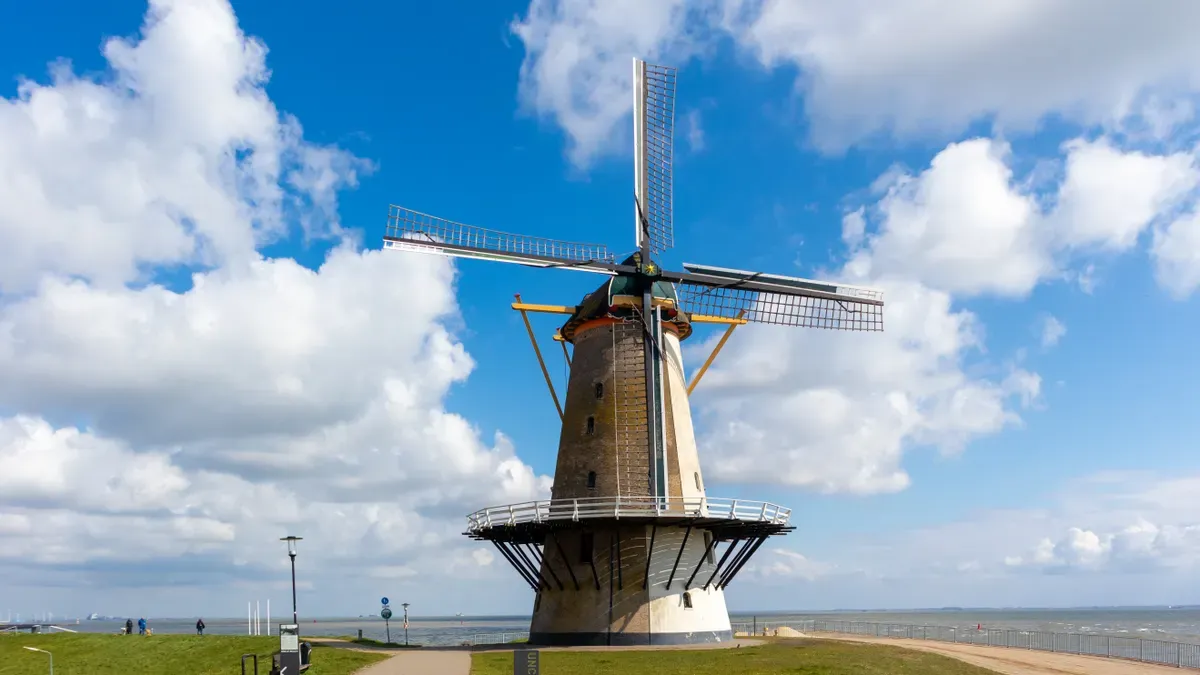
Dutch potters soon added their own world to the blue-and-white palette. Windmills with turning sails took the place of pagodas on many plates. Tulips, a flower that had become a Dutch craze, showed up instead of peonies. Local landscapes showed canals, churches, and farmhouses under cloudy skies. These changes turned delftware into a mirror of daily Dutch life. The blue color stayed, but the subjects became familiar and personal.
This shift made a new visual language. A delft blue plate might show a fisherman on a canal bank. Another piece could show a windmill beside a tulip field. The outlines in dark blue or purple gave these scenes a graphic punch. Dutch delftware no longer looked like a copy. It became a celebration of local identity. The bond with Chinese blue stayed visible in the color and technique. Yet the stories told on the ceramics were purely Dutch. Collectors prized these pieces for their charm and honesty. The change from pagodas to windmills shows how trade sparks creativity. Each culture takes what it needs and makes it new. Delftware stands as proof that inspiration travels both ways. The clay holds the memory of both worlds.
clayesouk and the Living Bond
Delftware as a Status Symbol
Dutch homes in the 1600s saw delftware as a sign of wealth. Rich families put delftware plates and vases in their main rooms. These pieces showed the owner’s taste and connection to the world. The blue and white patterns got everyone’s attention. Delftware stood for the Dutch Golden Age. It mixed Eastern beauty with Western skill.
The mix of Chinese ideas and Dutch making created something completely new. Delftware was more than a copy of Chinese porcelain. It became a Dutch art form with its own look. The hand-painted delftware pieces on a shelf told a story of worldwide links. Merchants, nobles, and townspeople all wanted these ceramics. Delftware was cheaper than rare Chinese imports. More people could buy it. Still, owning a full matching set showed real riches. Shops in Delft and Rotterdam sold these goods to eager buyers. Delftware stayed popular for centuries and spread across Europe.
A Legacy in Blue and White
The tradition of blue and white ceramics lives on today. clayesouk, based in Jingdezhen, carries this legacy forward. Jingdezhen is the Porcelain Capital of the World. It has a long ceramic history. This city once made the blue and white pottery that started the Dutch delftware craze. Now, clayesouk creates handmade ceramic cups in that same tradition.
The brand’s hand-painted blue and white porcelain tea cups honor the old methods. Skilled artists paint each design by hand. They use cobalt blue on white clay. These cups keep the Chinese blue-and-white tradition that inspired the Dutch. Each piece carries the weight of history and the warmth of human touch.
The bond between Chinese and Dutch ceramics remains strong. The cross-cultural exchange began with the VOC ships. It continues today. Collectors and fans value both traditions for their beauty and history. The story shows how clay can connect cultures across time and distance. Delftware still stands for Dutch identity. It honors its Chinese inspiration. The shared material of clay keeps this bond alive for new generations. clayesouk links the past and present through its handmade cups. Each cup tells a story of two cultures joined by blue and white.
Chinese blue-and-white porcelain and Dutch Delftware show how creativity crosses borders. Clay was the shared material. This material let artists swap ideas and create new styles. Trade routes carried pots and patterns between Jingdezhen and Delft. Each culture borrowed from the other. Each culture made something fresh.
This bond still matters today. Global art and trade depend on cultural mixing. Delftware remains a symbol of Dutch identity. It honors its Chinese inspiration with every blue brushstroke. The story proves that clay connects people across oceans and centuries. Two traditions became one lasting legacy.
FAQ
How did Chinese porcelain first arrive in the Netherlands?
The Dutch East India Company, known as the VOC, shipped millions of Chinese porcelain pieces to Europe during the 1600s. Dutch ships came back from Asian ports with cargo holds full of blue-and-white ceramics. This trade made the Netherlands a major hub for these goods.
Why did Dutch potters start making Delftware?
A supply crisis caused the shift. The Wanli Emperor died in 1620, and Chinese porcelain production dropped sharply. European buyers still wanted blue-and-white ceramics. Dutch potters responded by using local clay and tin glaze to create their own version.
What makes Delftware different from Chinese porcelain?
Dutch artisans added dark-blue, black, or purple outlines to their designs. They also replaced Chinese motifs with local imagery. Windmills, tulips, and Dutch landscapes appeared on plates and vases. These changes gave Delftware its own distinct character.
How does clayesouk connect to this history?
clayesouk operates in Jingdezhen, the same city that produced the original blue-and-white porcelain. The brand creates handmade ceramic cups using traditional techniques. Their hand-painted blue and white porcelain tea cups continue the artistic tradition that inspired Dutch Delftware centuries ago.
Why does this cross-cultural bond still matter?
The exchange between Chinese and Dutch ceramic traditions shows how trade sparks creativity. Each culture borrowed ideas and made them new. Delftware remains a symbol of Dutch identity while honoring its Chinese inspiration. This legacy continues through brands like clayesouk today.
