


You might feel attracted to the deep and mysterious look of tenmoku. This glaze has rich black and brown colors that change in the light. Collectors and artists love tenmoku because of its surprising kiln effects and its long history. Today, tenmoku pieces are worth more and more, especially those made by famous artists. A rare Yohen tenmoku bowl from the Song Dynasty can sell for $15.5 million. This shows that tenmoku glaze is still a sign of art and culture. Brands like claysouk help keep this tradition going and inspire new people with each piece.
Key Takeaways
Tenmoku glaze has deep black and brown colors. The colors change when light hits them. This makes every piece special and nice to look at.
The glaze has a long history. It is linked to tea culture in China and Japan. It has shown wealth and art since the Song Dynasty.
When you collect tenmoku, look for real pieces. Check the weight, glaze patterns, and how it was made. This helps you know you have real art.
To care for tenmoku ceramics, clean them with warm water. Do not use strong chemicals. This keeps them pretty and valuable.
Picking tenmoku ceramics means you enjoy a tradition. This tradition mixes history, culture, and skill in every cup.
Why Tenmoku Glaze Stands Out
Visual Qualities and Effects
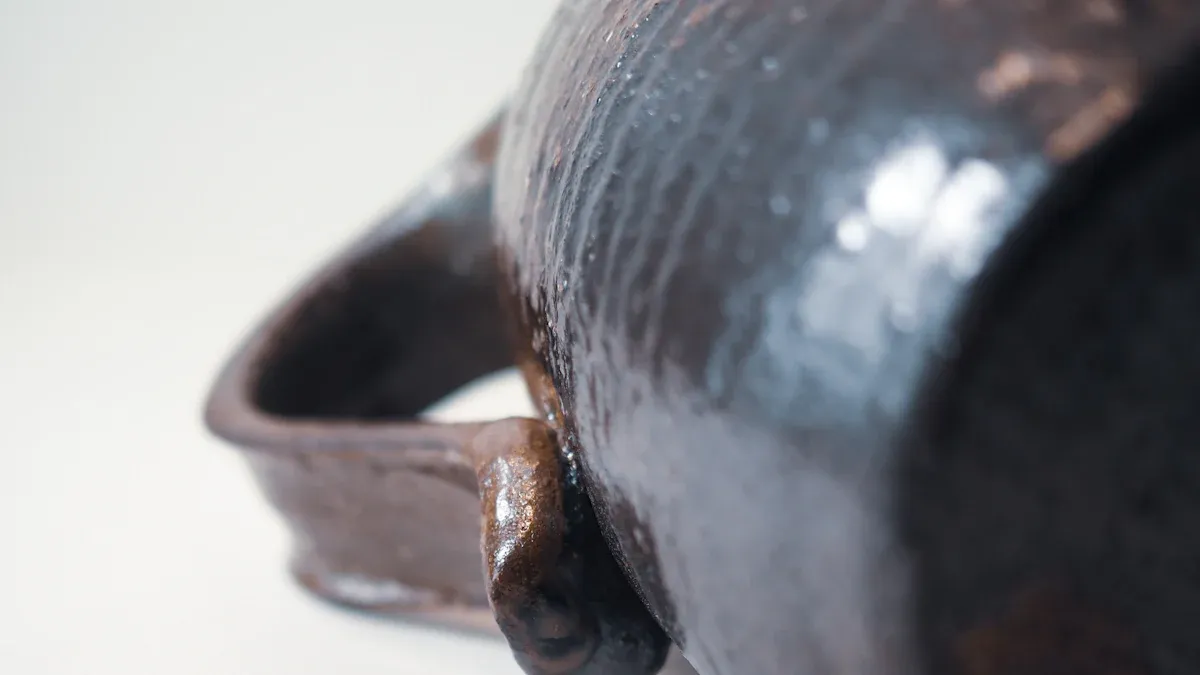
Tenmoku glaze looks special because of its bold surface. The colors are deep black and brown. They change when you move the cup. Some patterns look like rabbit fur, oil drops, or even stars. Each piece is different because the kiln makes random effects. The color depends on how it is fired and how much iron is in the clay. You can see jet black, russet brown, or red-purple in yohen tenmoku. Nogime tenmoku has thin lines that look like rabbit fur. Konoha tenmoku shows leaf shapes. Haikatsugi tenmoku has shiny ash drips. Moji tenmoku has marks that look like writing. Ran tenmoku has spots from uneven iron.
The kiln changes how the glaze looks in the end. Sometimes, you see cracks that look like cat whiskers. These come from ash glazes and special clay mixing together. The white color in the glaze comes from this too. In places like Onada, the clay changes how the glaze reacts. Youhen tenmoku is easy to spot because it has red-purple colors and shines. The yohen effect happens from lots of iron oxide and a certain firing style. Oil drop glaze has shiny spots that look like oil drops. These spots shine in the light. Rabbit fur glaze has thin lines that reflect light softly.
Collectors like tenmoku because it is rare and always looks different. Each piece is like a small work of art. Experts look for iron crystals inside the glaze, not painted dots. Real tenmoku has crystals that grow in the glaze. This gives it depth and texture. The patterns are natural and not all the same. When you hold a tenmoku cup, you feel a little roughness. The crystals shine in a way that is different from other glazes.
Characteristic | Description |
|---|---|
Thin patterns that reflect light, looking like rabbit fur, with fine and even lines. | |
Oil Drop Patterns | Round shiny spots, different sizes, look like boiling oil drops. |
Color and Appearance | Black glaze with small star shapes and a white glow, as pretty as woven cloth. |
Cultural and Historical Value
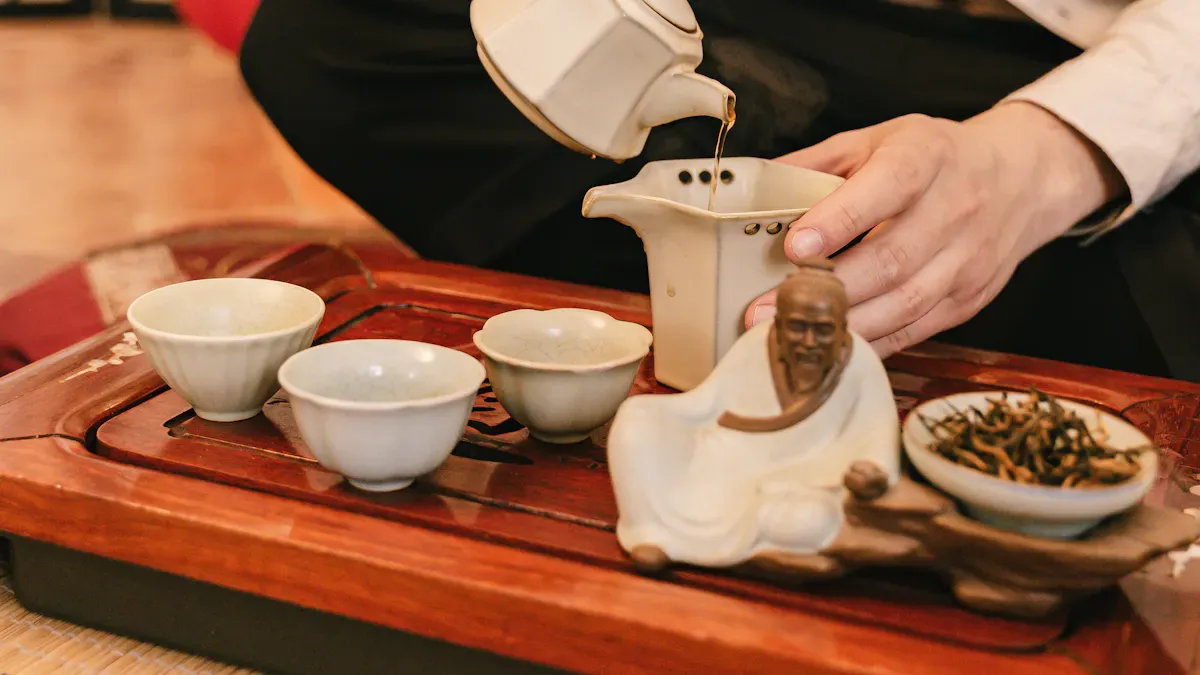
Tenmoku glaze is important in tea culture in China and Japan. The story starts in the Song Dynasty. Jian kilns in Fujian made these strong glazes. Artists got very good at making tenmoku bowls for tea. The name tenmoku comes from Tianmu Mountain, a holy place for Buddhists. Japanese monks liked these bowls and took them to Japan. Tea masters in Japan loved tenmoku and made it a sign of style.
Tenmoku is seen as a treasure in both China and Japan. The glaze stands for wealth and culture. In the Song Dynasty, jian zhan bowls were very valuable. Tenmoku became popular in tea ceremonies. This helped China and Japan share ideas. Youhen tenmoku, with its shiny look, became very wanted. The yohen effect made each bowl special, so collectors wanted them more.
The dark colors and textures make tea taste better. People enjoy the skill and tradition in every cup. Tenmoku glaze links you to many years of craft. The bowls were used by rich people and in temples. Jian ware still affects pottery today. Tenmoku’s story goes on as artists and collectors look for beauty and quality.
Tip: Picking a tenmoku cup means you hold history. The colors and patterns show the story of old kilns and skilled makers.
Tenmoku Glaze Through History
Song Dynasty Origins
The story of tenmoku starts in the Song Dynasty. Jian kilns in Fujian made dark tea bowls. These bowls went to Japan long ago. A tenmoku bowl was found in Hakata from the 11th century. This shows tenmoku reached Japan earlier than people thought. The first written record of Jian ware is from the mid-900s. This shows its place in Chinese tea culture.
During the Southern Song, making tenmoku glaze improved a lot. Artisans used local clay and fired at high heat. This made new glaze types and effects. The look changes with iron and firing style. Yohen tenmoku, rabbit fur glaze, oil drop glaze, and wu jin glaze started then. Each type has its own color and pattern.
Poems from the Song Dynasty talk about rabbit fur tenmoku. Tea books from that time say rabbit fur glaze from Jian kilns is the best tea cup.
Tea master Cai Xiang wrote in 1049:
“Tea is light in color and looks best in black bowls. Jian’ang bowls are bluish-black and have marks like hare fur. They are thick and keep tea warm for a long time. This makes them special. No other bowls can match these.”
Rabbit fur tenmoku is a famous product from Jian kiln. Silver rabbit fur is the rarest kind. The Kyoto National Museum in Japan has a Jian kiln bowl as a great example.
Influence on Modern Ceramics
Today, tenmoku inspires many artists and designers. Kamada Kōji tries new shapes and glaze colors with yohen tenmoku and ginshō tenmoku. His work shows tenmoku can be used in many ways. The old value of tenmoku in Japanese tea still shapes modern ceramics.
Modern brands use tenmoku glaze for plates and cups. The iron in the glaze makes crystal patterns. This makes each piece one of a kind. Tenmoku cups from Jiangnan Sourcing have beautiful glazes. The firing process makes random patterns. This adds art and makes them rare. Yohen effects, wu jin glaze, and oil drop glaze are in new collections. They mix old ways with new ideas. You can see the skill and history in every piece.
Tip: Picking tenmoku ceramics links you to years of art and change. The glaze color and yohen effects make each piece special.
Craftsmanship and claysouk’s Approach
Traditional Techniques
Clayesouk artisans show their skill in every tenmoku piece. They use steps from the Song Dynasty in China. The process starts with jian clay, which has lots of iron. Artisans mix iron oxide into the clay, between 5% and 15%. They shape each cup on a potter’s wheel. They make sure the cup is perfect for tea.
Next, they add the glaze. You see the glaze cover the cup and make it smooth. The glaze has special minerals that change in the kiln. The firing happens at a high temperature, about 1280 °C. This uses reduction firing, which means less oxygen in the kiln. The glaze changes color and forms crystals during firing. Yohen effects, oil drop glaze, and wu jin glaze appear as the kiln cools. Cooling must be slow and careful. This helps iron oxide crystals grow. Each tenmoku gets its own look.
Tip: Yohen tenmoku is rare because of this careful process. Only a few pieces show the perfect yohen effect. This makes them a national treasure in China and Japan.
Artistry at claysouk
Clayesouk does not just copy old ways. The artisans respect tradition but try new ideas to improve tenmoku. They use high-quality materials and keep classic jian shapes. The glaze color stays rich and deep. This shows the beauty of black-glazed tea bowls.
At claysouk, old skills mix with modern ideas. Artisans use gas and electric kilns to protect the environment. They sometimes add recycled materials to the glaze. This makes tenmoku ceramics more sustainable. You find yohen tenmoku, wu jin glaze, and oil drop glaze in their collections. Each piece balances tradition and new design. The glaze patterns show the history of jian pottery. The forms fit modern life.
Feature | Traditional Approach | Modern Innovation |
|---|---|---|
Glaze Color | Deep, rich, natural | Enhanced with new formulas |
Kiln Firing | Wood-fired, reduction | Gas/electric, eco-friendly |
Materials | Local jian clay | Recycled, high-quality |
Design | Classic tea bowl shapes | Unique, modern forms |
You hold a tenmoku cup from claysouk and feel history in your hands. The glaze shines with yohen colors and natural patterns. Collectors value the quality and artistry of these ceramics. Each cup connects the past and the future of pottery.
Collecting and Caring for Tenmoku Glaze
Identifying Authentic Pieces
When you start collecting tenmoku, you want to know if your piece is real. You can use a few simple steps to check. First, always look at your tenmoku under the same lighting. Take notes and compare what you see with museum examples or trusted books. You should also check the weight and feel of the jian clay body. Real tenmoku feels solid and balanced in your hand.
Here is a table to help you spot an authentic piece:
Characteristic | Description |
|---|---|
Finish | Deep, lustrous dark finish without fake shine |
Color | Natural changes in glaze and pattern |
Craftsmanship | Smooth, careful work with no rough edges |
Weight | Feels heavy for its size, like jian ware |
Documentation | Provenance or maker’s stamp for valuable pieces |
You can also check for micro-patterns in the glaze. Look for yohen tenmoku effects, like oil drop or rabbit fur patterns. The foot of the cup should show kiln residue, not a perfect machine finish. If you tap the cup, you should hear a deep sound. Real yohen tenmoku often costs more than $80. Watch out for lightweight porcelain, printed patterns, or identical glaze repeats. These signs mean the piece is not true jian ware.
Tip: Buy from trusted dealers. Ask for clear photos of the foot, rim, and inside. If you buy online, use safe payment methods and ask for references.
Maintenance and Display Tips
You want your tenmoku to last for years. Clean your ceramics with hot water and rice or rice water. Do not use dish soap, rough scrubbers, or a dishwasher. Always let your yohen tenmoku air dry. Store your pieces away from heat, cold, or damp places. Use cloth dividers if you stack bowls. Never rinse hot yohen tenmoku with cold water. This can cause cracks in the glaze.
For display, choose a shelf or cabinet lined with soft material. This protects your jian and yohen pieces from dust and damage. Do not stack your cups. Keep them in a stable place, away from sunlight and sudden temperature changes. This keeps the glaze color bright and the wu jin glaze patterns clear.
Note: Careful cleaning and display help your tenmoku glaze keep its beauty and value for many years.
It is easy to see why tenmoku glaze is still loved by artists and collectors. The dark, shiny finish makes each cup or bowl special. Museums and galleries show off its beauty and long history. Brands like claysouk help keep these old ways alive. They let people enjoy tenmoku today. When you pick tenmoku ceramics, you join a long story about art, tea, and culture.
Look at the deep colors and cool patterns in every piece.
See how these ceramics make your tea time feel special.
FAQ
What makes Tenmoku glaze unique?
You see deep black and brown colors in Tenmoku glaze. The kiln creates random patterns like rabbit fur or oil drops. Each piece looks different. You hold history and art in your hands.
How do you care for Tenmoku ceramics?
You clean Tenmoku cups with warm water. Avoid dish soap and rough scrubbers. Let your cup air dry. Store it away from sunlight and extreme temperatures.
Can you use Tenmoku cups for daily tea?
You can use Tenmoku cups every day. The glaze keeps tea warm and makes your tea time special. Many collectors enjoy both display and daily use.
How do you spot an authentic Tenmoku piece?
You check the weight, glaze patterns, and foot of the cup. Real Tenmoku feels solid. The glaze shows natural patterns, not printed designs. Ask for clear photos and provenance.
Why do collectors value Tenmoku ceramics?
Collectors value Tenmoku for its rare patterns, rich history, and unique kiln effects. Each cup tells a story. You own a piece of tradition and art.
