European porcelain factories solved the long-standing secret of making hard-paste porcelain in the early 1700s. Craftspeople discovered this secret by finding the same raw materials used in Jingdezhen porcelain. They mixed kaolin clay with petuntse stone and used high-temperature kilns from Jingdezhen.
Jesuit observers in China sent detailed reports back to Europe that clearly described Asian ceramic methods. European researchers carefully studied these letters to improve their own pottery. This historic exchange changed pottery making from magical guesswork into an organized industrial science. The discovery permanently changed global trade, and this rich manufacturing history still fascinates art experts and collectors today. European workshops successfully recreated real Chinese ceramics through careful testing.
Key Takeaways
European makers discovered the secrets of hard-paste porcelain by reading Chinese mineral reports.
Makers used kaolin clay and strong ceramic containers so their art could withstand intense oven temperatures.
European factories copied Chinese production lines and artwork styles to increase their output.
Today’s craftspeople in Jingdezhen still make porcelain by hand using old, traditional techniques.
Decoding Jingdezhen Porcelain Raw Materials
Sourcing Kaolin and Petuntse
Chinese craftspeople perfected ceramic making during the Ming dynasty. European researchers like Ehrenfried Walther von Tschirnhaus and Johann Friedrich Böttger read Chinese reports to find white clay kaolin and white stone petuntse. The word petuntse comes from the Chinese term bai dunzi. Kaolin was named after Gaoling village near Jingdezhen. These natural materials made traditional white porcelain objects famous across the globe.
Source | Geological Nature | Role in Porcelain |
|---|---|---|
Kaolin | Soft kaolinite bits from broken granite | Gives heat strength up to 1,300°C |
Petuntse | Rock filled with sericite and quartz | Acts as flux to melt clay together |
European ceramic makers copied this local material finding through distinct historical steps:
Johann Friedrich Böttger combined petuntse with kaolin to create European hard-paste items in 1708.
William Cookworthy found local kaolin supply spots in Cornwall during 1746.
Cookworthy gained a patent for his main recipe after twenty years of testing.
Cookworthy started the Plymouth factory in 1768 to manufacture white porcelain.
Balancing Hard-Paste Formulas
European workshops tested imported white porcelain pieces to learn hard-paste formulas. Potters mixed kaolin and petuntse in exact ratios to grant ceramics a bright white tone. This steady mixture built tough white porcelain containers that survived intense kiln heat without breaking down. European potteries reached consistent white ceramic making through this smart process.
The recipe succeeds because kaolin offers high alumina, serving as a heatproof ‘frame’ that holds the shape during hot firings, while petuntse works as a flux to cause melting. High alumina inside kaolin stops bending while baking, helping the body melt into a strong, smooth glass shape without falling over.
This milestone represented a huge leap in world ceramic history. Skilled potters working in the Ming dynasty honed these mineral formulas in Jingdezhen porcelain over many centuries. European makers quickly mastered these tricks to produce white porcelain wares once they got real samples shipped from China.
Kiln Innovations Learned from Jingdezhen
High-Temperature Firing Systems
Master Chinese craftspeople built unique kilns that reached extreme heat levels. Artisans during the Ming dynasty placed wood-burning dragon kilns on steep hillsides to manage airflow. Hardworking stoker teams kept temperatures steady for up to 72 hours straight. This constant high heat changed raw clay into glass-like porcelain containers.
European potteries studied these heating systems to build better kilns. Early makers realized hard-paste clays needed two separate firings to fully harden into glass.
Firing Stage | Temperature Range | Purpose |
|---|---|---|
Bisque (first) firing | 900–1000°C | Harden the clay body for glazing without full vitrification |
Glaze (second) firing | 1,260–1,400°C | Full vitrification of kaolin-petuntse body and fusion of glaze |
A simple 50/50 mix of kaolin and petunse (pottery stone), both found locally in large quantities in Jingdezhen, fired at around 1400°C made the best white, translucent porcelain in the world. The high firing temperature made finished pieces in this clay extremely strong, despite their delicate appearance.
Protective Saggers in Kiln Design
Flying ash ruined smooth glaze finishes whenever it touched raw pottery directly. Chinese ceramic masters created fireclay boxes called saggers to fix this issue. Potters put unfired items in these tough clay containers before stacking them inside kilns. Saggers blocked floating dirt and shielded pieces from direct flames during hot firings.
European shops used these protective Chinese methods to create spotless surfaces. Factory managers soon saw that clean heat spread improved overall product quality. Artisans set every fine piece into its own covered box to guard white clay from ash. This safe method protected delicate designs throughout big factory batches, meeting old Ming dynasty standards. Factory owners used these ideas to update European ceramic making.
Mastering Decorative Arts and Export Designs from China
Underglaze Blue and Overglaze Enamels
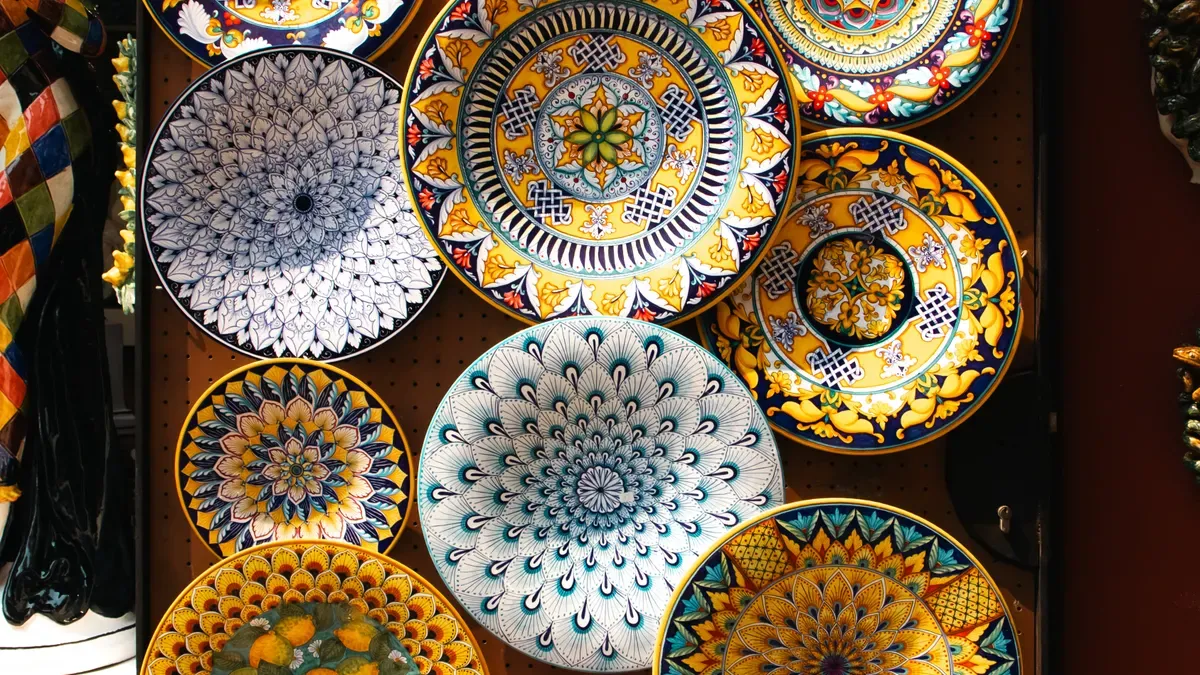
European workshops eagerly copied famous Chinese decoration techniques. Artisans painted detailed pictures onto raw clay before putting clear glazes over them. Chinese workers painted fine patterns with mineral mixes onto pure white surfaces. During the Ming dynasty, painters mastered underglaze cobalt to make famous blue-and-white pieces. Later, European factories learned overglaze enamel methods to add bright colors onto fired glazes.
Cobalt Source | Period of Use | Key Chemical Characteristics |
|---|---|---|
Persian Import | Until late Xuande period | Specks with high iron and low manganese content. |
Chinese Form | After the Xuande period | Ore with higher composition of Jacobsite (MnFe2O4) rather than Iron(II,III) oxide (Fe3O4). |
Master painters in Jingdezhen put rich blue paint beneath clear glazes. Different chemical mixes in cobalt created distinct shades of blue across history. European painters studied these imported blue-and-white objects carefully. Craftspeople adapted these oriental brush styles to build successful factory lines across European workshops.
Adapting Custom Shapes for Global Markets
Chinese workshops made custom export goods long before European factories began production. Jingdezhen artisans changed classic clay shapes to suit foreign buyers. Potters crafted special items like beer mugs, flat plates, and sturdy coffee cups during the Ming dynasty. These unique custom shapes taught European porcelain factories how to design products for global shoppers.
European makers copied organized group work models from China to boost total factory output. Jingdezhen ran big assembly lines that split fine hand painting from regular factory work. European managers placed workers into specific groups based on these Chinese strategies. This organized manufacturing plan changed the world ceramic industry forever and boosted decorative art history everywhere. European factories met local market needs by making fine art pieces alongside large daily orders.
European Porcelain Factories and the Legacy of Clayesouk
Meissen and Sèvres Craft Revolution
European porcelain factories grew quickly after learning Asian techniques. Asian traders carried fine goods to Western shoppers for many years. European makers wanted to copy these smooth white ceramics. The Meissen shop in Germany made the first major discovery in 1710. Meissen potters produced true hard-paste porcelain using local kaolin clay. Later, the Sèvres factory in France opened during 1756. Sèvres painters became famous for soft-paste items with bright blue glazes and rich gold details.
Tradition | Origin & Historical Period | Key Characteristics & Role | Influence & Enduring Status |
|---|---|---|---|
Jingdezhen | Song Dynasty (Ancient China) | Perfected craft using local kaolin; produced imperial wares. | Inspired early European factories; remains a global ceramic center. |
Meissen | Early 18th century (1710), Germany | Produced first European hard-paste porcelain; featured detailed painting. | Set the standard for European hard-paste production. |
Sèvres | Mid-18th century (1756), France | Famous for soft-paste porcelain, rich blue colors, and fine gilding. | Led soft-paste design before starting hard-paste work in 1771. |
French potters began making hard-paste items in 1771 after finding local kaolin spots near Limoges. European porcelain workshops fought hard for royal customers. Political conflicts made Meissen lose its market lead in the late 1700s. Soon, Western industrial growth turned handmade art into factory production. European makers selected fast machine methods instead of slow manual work.
Modern Heritage of Jingdezhen Handmade Cups
Old ceramic skills still thrive in Jingdezhen today. This famous city kept its rich pottery history through continuous teacher-student partnerships. Chinese makers protect traditional white porcelain methods that guided early Western potters. Artisans paint cobalt pictures to make iconic blue-and-white porcelain items. These skilled painters put deep blue mineral paints onto pure white clay before adding clear glazes.
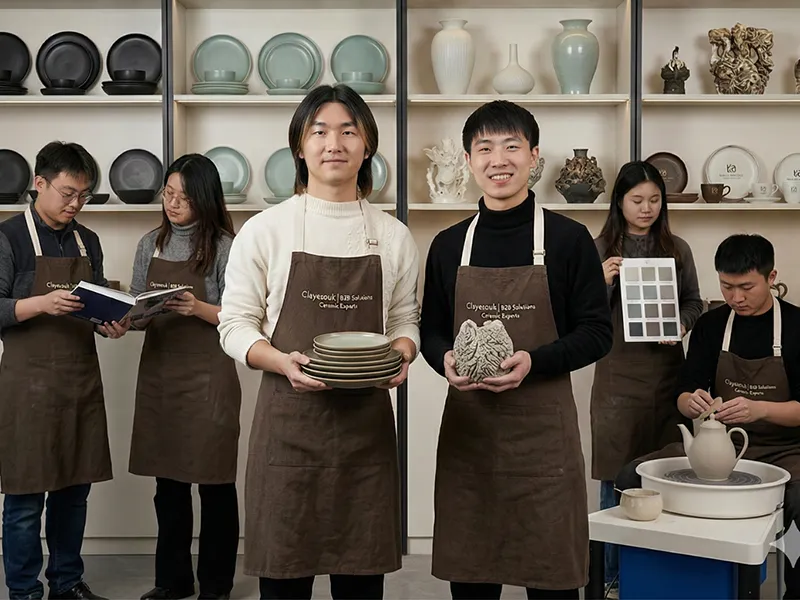
The popular company Clayesouk works directly inside this ancient pottery hub. Master makers at Clayesouk guard 1,700 years of regional history. These talented artisans shape fine handmade ceramic cups using traditional white clay recipes. They paint classic blue designs onto pure white porcelain cups. Artisans combine ancient methods with clean contemporary styles. Daily tea and coffee drinkers buy these handmade items to enjoy genuine historic art.
Jingdezhen completely changed the world ceramic business by discovering key raw materials, building high-temperature kilns, and making popular shapes. Master Chinese artists learned how to mix kaolin clay and control intense kiln heat. Early European porcelain factories carefully studied these amazing Chinese methods to build their own successful workshops. This huge transfer of technical knowledge changed pottery history forever. Today, this rich history still guides historic European makers and modern studio artists. Skilled creators protect these classic methods while crafting fresh, modern designs. These handcrafted pieces always celebrate the lasting beauty, human warmth, and amazing quality of fine white porcelain art.
FAQ
What raw materials make hard-paste porcelain?
Craftspeople produce hard-paste porcelain by mixing kaolin clay with petuntse stone. Kaolin provides a heatproof structure for the piece. Petuntse turns into glass during very hot kiln firings. Together, these two minerals form a durable, translucent ceramic item.
How did European factories discover the secret formula for porcelain?
European scholars read detailed letters sent home by Jesuit observers in Jingdezhen, China. Smart researchers like Ehrenfried Walther von Tschirnhaus and Johann Friedrich Böttger tested these reports. They located key local minerals and made real hard-paste porcelain in 1708.
Why did potters use saggers during the firing process?
Kiln workers set unfired ceramic pieces inside protective clay containers called saggers. These covered boxes guarded smooth glazes from loose ash and wild fires in wood kilns. This safe system created clear, spotless finishes on fine white porcelain items.
How does Clayesouk preserve traditional Jingdezhen ceramic skills?
Clayesouk operates right inside Jingdezhen to guard a long 1,700-year-old pottery history. Skilled workers build white clay cups using ancient methods. They paint old blue patterns onto raw porcelain objects and blend fresh modern designs with classic Asian art styles.