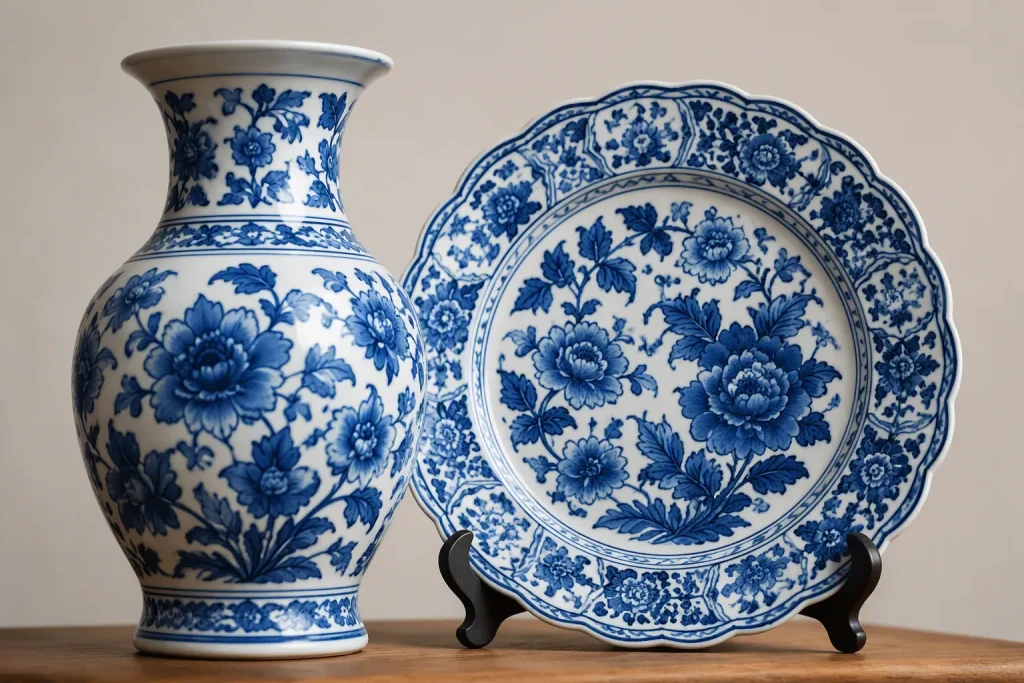
Dutch Delftware and Chinese Blue a Bond by CLAYE
Dutch Delftware was inspired by Chinese blue and white porcelain when VOC trade declined, leading Dutch potters to create their own versions with local clay.

Dutch Delftware was inspired by Chinese blue and white porcelain when VOC trade declined, leading Dutch potters to create their own versions with local clay.

Corporate Gifting Trends in 2025 focus on sustainable, handmade, and personalized items like CLAYE ceramics that reduce waste and boost long-term ROI.

Specialty coffee shops switch to handmade ceramic cups to protect pure flavor, retain heat longer, enhance customer sensory experiences, and reduce waste.

In 1708, Saxon chemist Johann Böttger combined kaolin clay and alabaster to crack porcelain secret techniques, ending Jingdezhen’s monopoly.

Brand a ceramic gift with simple elegance using minimalist designs, laser etching, subtle bottom stamping, and high-end packaging instead of bold logos.

European porcelain factories mastered hard-paste ceramics by using Jingdezhen techniques, combining kaolin clay, petuntse stone, and high-heat kilns.

Comparing a matt glaze vs glossy glaze shows glossy is more practical for daily meals. Glossy ceramics clean faster and resist metal cutlery scratches.

Korean celadon introduced unique glaze colors and inlay techniques, inspiring new styles and lasting changes in Chinese ceramic history.

Eco-friendly packaging is now expected by retail buyers due to consumer demand, regulations, and market benefits, making sustainability essential for success.

Premium corporate gifting with handmade ceramics boosts ROI, client retention, and brand image by creating lasting impressions and stronger relationships.
