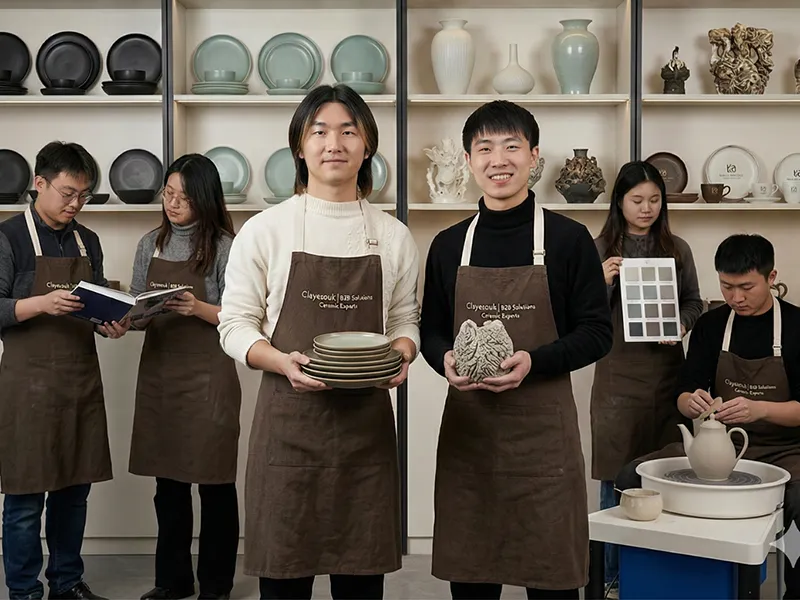
You might notice that hand-thrown ceramics start with clay shaped by your hands on a wheel, while slip casting uses liquid clay poured into molds. These methods make a big difference for anyone who loves ceramics. The process shapes the look and feel of each piece. Tradition and craftsmanship matter. Brands like clayesouk show how skilled artisans keep these crafts alive. Whether you are just starting or collecting, you can find joy in exploring both styles.
Key Takeaways
Hand-thrown ceramics are special and made by hand. Slip casting uses molds to make the same shapes every time.
Pick hand-thrown ceramics if you want something unique. Choose slip casting if you want sets that match and look smooth.
Both ways are good for everyday use. Hand-thrown pieces can become more charming as time goes by.
Look at brands like clayesouk to see traditional skills. You can find the style you like best.
Think about what you need. Do you want pieces that are different or all the same? Your choice will help you decide which ceramics to get.
Hand-Thrown Ceramics vs Slip Casting
What Sets Them Apart
When you look at hand-thrown ceramics and slip casting, you see two very different ways to make pottery. Each method shapes the final piece in its own way. Let’s break down the key differences:
Process | Hand-thrown Ceramics | Slip Casting |
|---|---|---|
Technique | Wheel throwing creates unique pieces | Uses molds for reproducible forms |
Customization | Highly customizable, shaped by hand | Limited customization, dependent on mold design |
Hand-thrown ceramics start with a lump of clay. You shape it on a spinning wheel using your hands and simple tools. Every movement leaves a mark. No two pieces ever look exactly the same. You can feel the maker’s touch in each curve and line.
Slip casting works differently. You pour liquid clay, called slip, into a mold. The mold gives the piece its shape. This process makes it easy to create many pieces that look almost identical. You get smooth surfaces and sharp lines.
If you want to see true hand-thrown craftsmanship, look at clayesouk. Their artisans use traditional wheel-throwing skills passed down for generations. Each cup or mug tells a story of patience and skill.
Impact on Finished Pieces
You can spot the difference between these two methods just by holding the finished piece. Here’s what you might notice:
Hand-thrown ceramics often have unglazed bases. You can feel the texture of the clay. The walls might be a little thicker in some spots and thinner in others. Sometimes, you see finger marks or gentle ridges inside the cup. The glaze might look a bit uneven, but that adds charm. Each piece feels special in your hands.
Slip casting gives you a smooth, even surface. The base is flat and uniform. The walls are the same thickness all the way around. The glaze lines are crisp and neat. Every cup or bowl looks almost exactly like the next one.
You might also notice that hand-thrown ceramics can feel a little heavier or lighter from piece to piece. Slip cast items usually weigh the same every time.
Here’s a quick look at how long each method takes:
Method | Time Required for Production |
|---|---|
Slip Casting | Generally faster; can produce hundreds/thousands of items quickly |
Hand-Thrown | Slower and more labor-intensive; unique custom pieces produced |
Hand-thrown ceramics take more time and care. Slip casting lets you make lots of pieces quickly.
If you love the idea of owning something truly unique, hand-thrown ceramics might be your favorite. If you want a matching set with perfect lines, slip casting is a great choice. Both methods have a place in the world of pottery, and brands like clayesouk show how tradition and skill can shine through every piece.
Hand-Thrown Ceramics Craft
The Wheel-Throwing Process
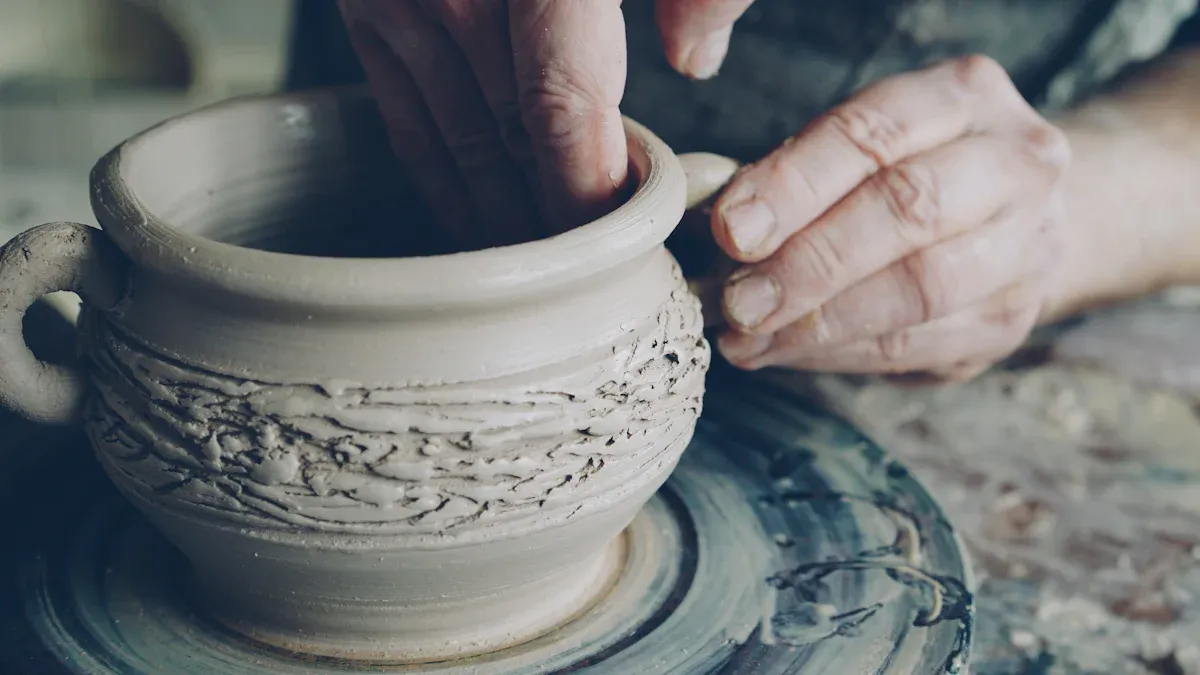
You step up to the wheel and feel the clay in your hands. Wheel throwing starts with sketching your design and measuring the parts of your piece. You check the foot, belly, shoulder, and lip. You calculate how much clay you need because it shrinks during firing. The spinning wheel lets you shape the clay with your fingers and simple tools. You press, pull, and smooth the walls. Centering the clay is tricky, especially for beginners. It takes practice to keep the walls even and the shape symmetrical. Mastering these steps gives you control and creative freedom.
Tip: If you want to try wheel throwing, focus on centering first. It helps you make strong, balanced pieces.
Artistic Value and Uniqueness
Hand-thrown ceramics stand out because you leave your mark on every piece. You create one-of-a-kind pieces with your touch. Buyers love the individuality and personal story behind each item. Many people now prefer unique, handcrafted ceramics over mass-produced ones. You can see the difference in the ridges, the glaze, and the shape. Every piece shows your creative freedom and artistic expression.
The artist’s touch makes hand-thrown ceramics special.
Each piece is unique and never exactly the same as another.
One-of-a-kind pieces attract collectors and enthusiasts.
clayesouk’s Approach
clayesouk keeps traditional techniques alive. You see wheel throwing, hand pinching, coil building, and slab technique in their work.
Technique | Description |
|---|---|
Throwing on the Wheel | Shape clay on a spinning wheel for round objects like bowls. |
Hand Pinching | Use your fingers to form clay, giving you control and creativity. |
Coil Building | Roll clay into coils and stack them for different shapes and effects. |
Slab Technique | Use flat sheets of clay for clean lines and geometric forms. |
clayesouk’s hand-thrown ceramics show irregular trimming marks on the foot ring. You feel the variations in wall thickness. The rims are rarely perfect circles, giving each piece a unique profile. The dense clay gives their cups a special weight and feel. You notice the difference when you hold one-of-a-kind pieces from clayesouk. Their dedication to craftsmanship and personalized aesthetics shines in every cup.
Slip Casting in Ceramics

The Slip Casting Process
Slip casting gives you a way to make ceramics with amazing detail. You start with liquid clay, called slip, and use a mold to shape it. Here’s how the process usually goes:
Prepare the mold. Make sure every piece fits tightly so the slip does not leak.
Pour in the slip. The mold should be dry. The slip builds up to about 10mm thick in 15 to 20 minutes.
Pour out the extra slip. This step helps you get even walls and good drainage.
Release the slip-cast product from the mold. Let it dry a bit, then remove the mold carefully.
Fettle the piece. Once dry, you smooth out seams and trim away any extra material.
You can see how each step helps you create a clean, sharp shape. This method works well for both beginners and experts.
Precision and Reproducibility
Slip casting stands out because it lets you make ceramics with fine details and sharp edges. The mold copies every line and curve, so you get pieces that look exactly the same. You can create reproducible forms that would be hard to make by hand. The process uses a plaster mold that pulls water from the slip, forming a uniform wall. This gives you hollow shapes with precise, repeatable geometry. If you want a set of cups or bowls that match perfectly, slip casting is your best friend.
clayesouk’s Innovation
clayesouk takes slip casting to the next level. The brand combines traditional skills with modern design ideas. You can ask for custom shapes, patterns, or glazes to fit your style. clayesouk’s artisans use their experience to create reproducible forms that still feel special. They blend the old and the new, making sure each piece has both quality and personality. If you want something unique but also want a matching set, clayesouk’s custom design service gives you the best of both worlds.
Comparing Results
Visual and Tactile Differences
When you hold pottery, you notice differences right away. Hand-thrown ceramics have soft ridges and small finger marks. Sometimes, the walls are thicker or thinner in spots. These things make each piece feel special. Slip cast pieces feel smooth and even. Their surface is flawless, and the shape looks perfect from all sides.
Artists use decoration and glazing to make pieces stand out. Here’s a quick look at how these methods change the final result:
Method | Description |
|---|---|
Decoration | Carving, incising, and slip trailing add cool textures and designs. |
Glazing | Dipping, pouring, and spraying glazes give different looks and feels. |
Firing | Firing changes the clay and glaze, giving each piece its final look and feel. |
Tip: To feel the maker’s touch, run your fingers along the base or rim of a hand-thrown cup.
Consistency vs Individuality
Slip casting makes pottery that matches perfectly. Every cup or bowl looks just like the others. This is good if you want a matching set for your kitchen. Hand-thrown ceramics show off their own style. No two pieces are ever exactly the same. Even with the same glaze, the kiln can change the color and texture a little.
Uniform glaze helps keep the surface looking the same.
Changes in the kiln can make each piece look different.
Atmospheric firing can also make special colors and textures. This gives hand-thrown pottery even more personality.
Durability and Functionality
You might wonder which type lasts longer. Hand-thrown ceramics sometimes have walls that are thicker or thinner in places. This can change how they hold heat or feel in your hand. Over time, hand-thrown pieces get a unique look. They “wear in” instead of “wear out,” so they can last a long time if you use them every day.
The feel of hand-thrown pottery gets better as you use it.
Handmade ceramics often last longer than machine-made ones because they age nicely.
Slip cast ceramics have even walls, so they heat up and cool down the same way every time. Both types are good for daily use, but hand-thrown pieces often become favorites because they stay charming for years.
Choosing Your Ceramic Method
Factors to Consider
You might wonder which ceramic method fits your needs best. Let’s look at a few things that can help you decide. Check out this table to compare hand-thrown ceramics and slip cast ceramics:
Factor | Hand-thrown Ceramics | Slip Cast Ceramics |
|---|---|---|
Appearance | Unique, often irregular shapes | Uniform shapes, consistent finish |
Firing Range | Varies based on clay type | Available in low, mid, and high-fire |
Strength | Needs high strength for big pieces | Strong because of even walls |
Plasticity | Needs soft clay for shaping | Flows easily, forms smooth shells |
You can also think about these points:
Do you like the look of unique, handmade work or do you want matching sets?
What size and shape do you want for your cups or bowls?
Do you prefer a rough, textured surface or a smooth, glossy finish?
Will you use your ceramics for drinking, serving, or just for display?
What kind of glaze or clay color do you like?
Tip: If you want something that feels personal and one-of-a-kind, hand-thrown ceramics are a great choice. If you want a set that matches perfectly, slip casting works well.
You now know the big differences between hand-thrown ceramics and slip casting. Hand-thrown pieces feel unique and personal, while slip cast items look smooth and match perfectly. Think about what matters most to you—do you want something one-of-a-kind or a matching set? Try both methods if you can! > Tip: Explore brands like clayesouk to see true craftsmanship and find your favorite style.
FAQ
What makes hand-thrown ceramics special?
You get a piece that shows the artist’s touch. Each cup or bowl feels unique. You can see small marks and feel the texture. No two pieces look exactly the same.
Can I use hand-thrown and slip cast ceramics every day?
Yes! Both types work well for daily use. You can drink your coffee or tea from them. Just follow the care instructions to keep them looking great.
How do I clean my clayesouk ceramics?
Wash your ceramics by hand with mild soap and warm water. Avoid sudden temperature changes. Let them air dry. This helps keep the glaze and surface in good shape.
Does clayesouk offer custom designs?
Absolutely! You can ask for custom shapes, patterns, or glazes. clayesouk’s artisans will work with you to create something that fits your style. Your ideas matter.