


You walk into the world of tea and quickly feel something special. This feeling is more than just taste or smell. Tea has a strong link to old traditions. Monks drank tea to calm down and clear their minds when they meditated. You can feel the spiritual dimension when you hold a cup of tea. The warmth and quiet moment make you notice something peaceful. Each sip of tea can help you feel calm and present. The spiritual dimension helps you see tea in a new way. It shows you hidden meanings that can surprise you. In Chinese culture, tea shows the spiritual side found in Daoism and Buddhism. The spiritual dimension asks you to stop, breathe, and see beauty in simple things. When you drink tea, you may learn new things about yourself and the world. This spiritual side of tea makes a normal moment feel very special.
Think about the last time you had tea. Did you feel the quiet or the warm cup in your hands? These small things show the spiritual side that tea brings to your life.
Key Takeaways
Tea gives a special spiritual feeling. It helps you be mindful and present. Each sip can make you feel calm. You feel connected to the moment.
Joining a Chinese tea ceremony teaches you to notice beauty in simple things. You focus on each step, like pouring and tasting. This makes your experience better.
Tea rituals stand for respect and humility. Serving tea to others shows you are thankful. It makes friendships stronger. Every gathering feels special.
Handmade ceramics in tea ceremonies link you to history and culture. They remind you of the care and skill used to make them.
The spirit of tea culture builds community and friendship. Sharing tea lets people connect and respect each other. It helps everyone share good moments.
Spiritual Dimension in Chinese Tea Ceremony
Mindfulness and Presence
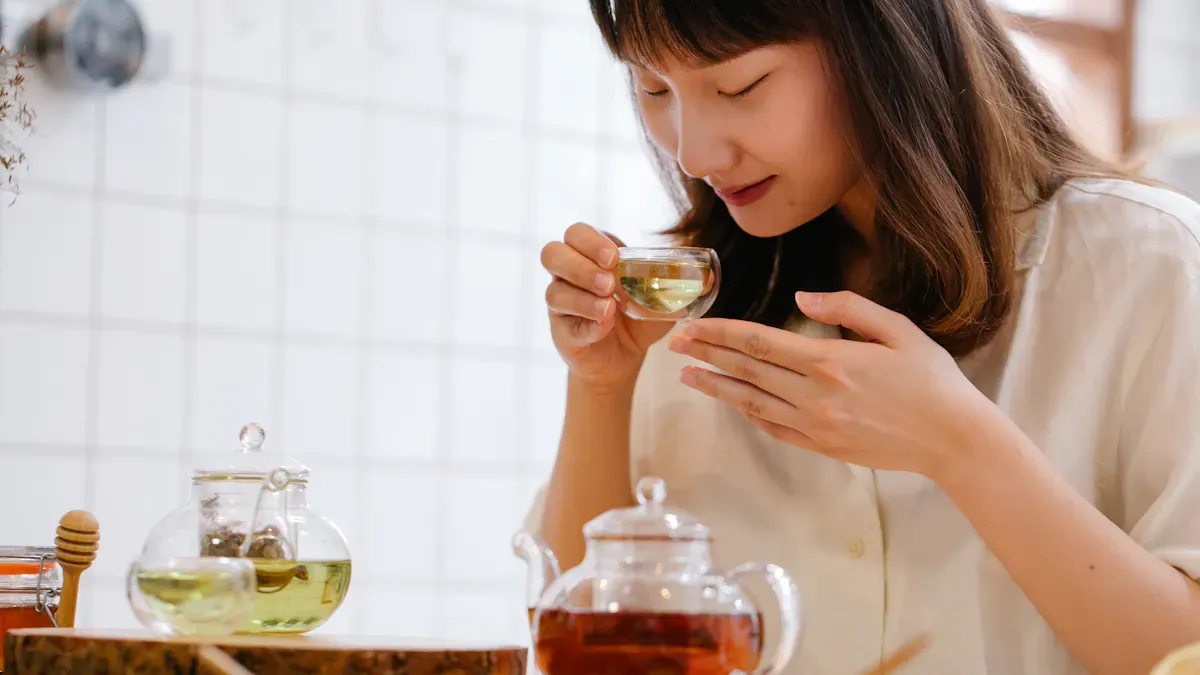
When you join a chinese tea ceremony, your focus changes. Making tea in china helps you slow down and pay attention. You watch steam rise from the cup. You listen to water as it pours. You feel the smooth cup in your hands. These small things help you stay in the moment. The gongfu tea ceremony teaches you to notice every step. You measure leaves. You heat water. You pour slowly and carefully. You watch the color of the tea change. You taste the first sip. Every step is important to your experience.
In chinese tea traditions, people say ‘Zen and tea share the same essence.’ This means tea and mindfulness go together. You learn to enjoy each moment with care. The ceremony shows you that every meeting is special. The idea of ‘one time, one meeting’ tells you to value each tea ritual. You see that tea culture is more than just drinking. It is about being present and finding peace in simple things.
You see that tea traditions in china show values like peace, calm, happiness, and truth. These ideas guide the ceremony. You feel calm as you make tea. You feel happy when you share tea with others. You taste the real flavor of the leaves. You find quiet in the peaceful space. The chinese tea ceremony helps you feel close to nature. You see how leaves, water, and fire work together. You learn that drinking tea can train your mind and body. You practice self-control and learn to see beauty.
The chinese tea ceremony is not a religion. It is a way to help you think and grow. You use special tea tools and steps to be mindful. You find meaning in making tea.
Harmony and Balance
You feel harmony and balance at a gongfu tea ceremony. Chinese tea culture teaches you to respect people and nature. You see how tea brings people together. You share tea with friends and family. You listen and care for each other. The ceremony makes a space for respect. You learn to follow the golden mean from Confucianism. You look at problems from different sides. You do not go to extremes. You find balance in what you do.
The chinese tea ceremony shows how water, land, and fire work as one. You need fire to boil water. You need water to make tea. These things work together. You see that harmony is important for health. Tea culture teaches you to let go of yourself. You become part of a group. You feel equal and at peace. The Wu-Wo tea ceremony in china helps you build group harmony. You let go of your ego. You focus on the group.
Daoist beliefs say tea helps balance qi. This keeps your body and mind healthy.
The ceremony is about respect and care. You respect older people and care for the young.
Tea rituals show good values like kindness to brothers and respect for teachers.
The chinese tea ceremony helps you feel harmony, respect, purity, and peace. You feel close to nature.
You see that tea culture in china connects old ways to today’s life. Modern tea ceremonies focus on mindfulness and care. You feel a spiritual link to nature and yourself. Tea is important in Zen and Daoist ways. You find calm and mindfulness in all tea ceremonies. Tea stands for harmony and balance between people and the world. You feel the spiritual meaning of tea with every sip.
You learn that tea traditions are more than just drinking. They give you time to think and enjoy beauty. You find purity and peace in the ceremony. You take part fully in the experience. You help your mind feel calm and enjoy the moment. The chinese tea ceremony helps you make friends. You build good character. You help keep order and community.
You learn that tea traditions in china bring harmony to your life. You find balance in what you do. You connect with nature and people. The spiritual side of tea culture makes your life richer.
Hidden Meanings in Tea Traditions
Tea Symbolism
You find many hidden meanings in every part of a tea ceremony. Each step, from pouring water to serving tea, carries a message. When you serve tea, you show respect and humility. You offer tea to elders to express gratitude and honor. This simple act helps keep social harmony and reminds you of family values.
Serving tea shows respect and humility.
Offering tea to elders means you feel thankful and honor their wisdom.
Using both hands to receive a cup of tea shows respect.
The finger-tapping gesture, called the Finger Kowtow, is a silent way to say thank you to the person who serves you tea.
Tea is served in order of seniority, which teaches you to respect hierarchy.
You see these gestures in every tea ceremony. They help you remember to be kind and thoughtful. The tea ceremony also uses special steps that have deep meaning. You start by cleaning your hands and tools. This step means you want to clear your mind and body. Warming the teapot and cups shows respect for the teaware and the people who made them. When you add and rinse the tea leaves, you show humility before nature. Pouring tea with the Phoenix bows three times honors heaven, earth, and humanity. You fill each cup only seven-tenths full. This teaches you the wisdom of restraint and the idea of “leaving space” in life.
Step | Symbolic Meaning | Cultural Insight |
|---|---|---|
Cleansing hands and tools | Tea begins with clarity and focus | |
Warming teapot and cups | Respect for teaware | Honors tradition and craftsmanship |
Adding and rinsing tea | Awakening the leaves | Reflects humility before nature |
Phoenix bows three times | Gratitude to heaven, earth, humanity | A gesture of cosmic respect |
Filling cups seven-tenths | Wisdom of restraint | Life philosophy of “leaving space” |
Finger-tapping gesture | Courtesy and hierarchy | Rooted in Confucian ritual |
Tasting and refilling | Harmony between host and guest | Unites respect, calm, and friendship |
The finger-tapping gesture has a special story. Long ago, Emperor Qianlong traveled in disguise. His servant could not bow in public, so he tapped his fingers on the table to show respect. Today, you use this gesture to thank the person who pours your tea.
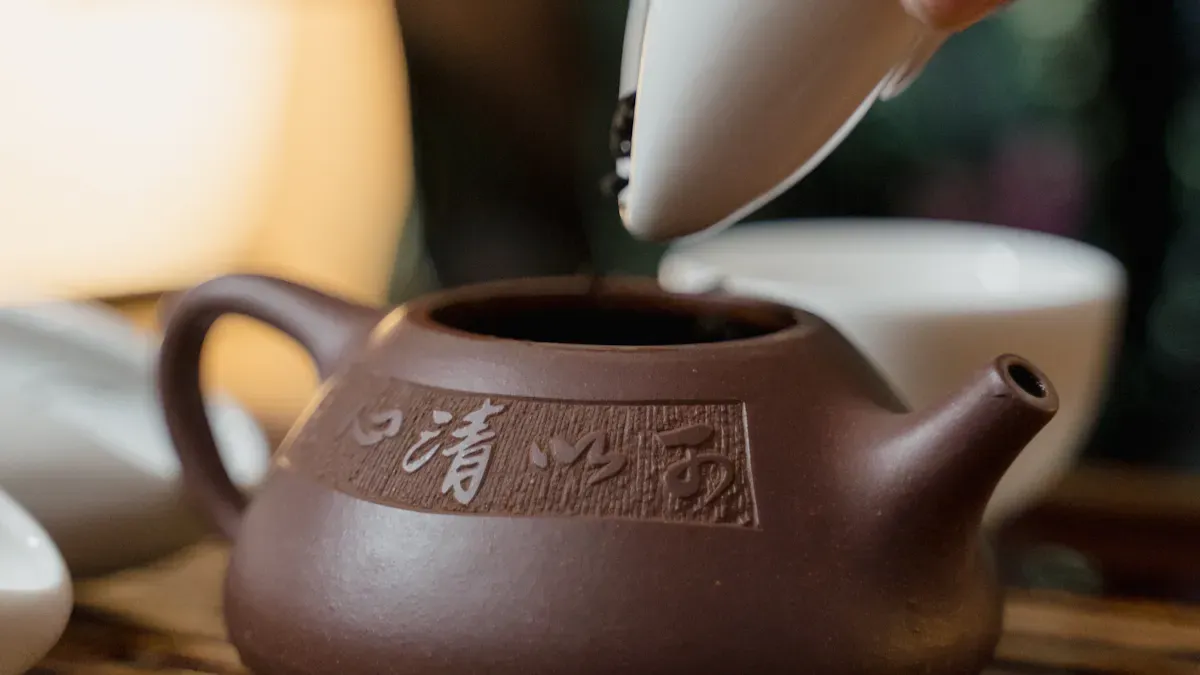
Handmade ceramics play a big role in these traditions. When you use a handmade cup, you connect with history and culture. Each cup from clayesouk carries the spirit of Jingdezhen, the porcelain capital of the world. The texture and shape of the cup remind you of the hands that made it. You feel the warmth and care in every detail. Handmade ceramics show the beauty of imperfection. You see wabi-sabi, the idea that things are beautiful because they are not perfect. This teaches you to find joy in simple, natural things.
Aspect | Description |
|---|---|
Cultural Heritage | Handmade ceramics carry centuries of tradition and spiritual meaning in tea culture. |
Mindfulness | Using these cups helps you focus and feel calm during the tea ceremony. |
Aesthetic Philosophy | The small flaws in handmade ceramics show beauty in change and imperfection. |
You also notice that each teapot and cup connects you to the past. The skills used to make them have been passed down for generations. When you hold a cup from clayesouk, you hold a piece of art and a piece of history. You feel the link between the tea, the ceremony, and the people who came before you.
Nature and the Universe
The tea ceremony helps you see your place in the world. You learn that tea is not just a drink. It is a way to connect with nature and the universe. Taoism teaches you to live in harmony with nature. The tea ceremony shows you how to do this. You use water, fire, and leaves from the earth. You watch steam rise and feel the warmth of the cup. You notice the color and smell of the tea. Each sense helps you feel closer to the world around you.
Taoism teaches harmony between people and nature.
The idea of “Humanized Nature” helps you see your connection to the natural world.
“Natural Humanization” means you find your place in the universe through the tea ceremony.
The tools you use in the tea ceremony also have meaning. The lid of the cup stands for heaven. The bowl stands for people. The saucer stands for earth. When you use all three, you bring heaven, earth, and people together.
Component | Represents | Symbolic Meaning |
|---|---|---|
Lid (Gài) | Heaven | Holds the aroma and spirit of the tea, like the sky holds the soul of the world. |
Bowl (Wǎn) | Man | Holds the tea, showing how people connect with nature and the universe. |
Saucer (Tuō) | Earth | Gives support and protection, just like the earth supports all life. |
You see that every part of the tea ceremony helps you think about your place in the world. Daoism uses the idea of ziran, which means living in a natural and simple way. The tea ceremony teaches you to enjoy each moment and to see beauty in change. Buddhism uses tea to help you focus and meditate. You learn to be present and to notice the small things in life. The tea ceremony reminds you that life is short and every moment is special.
Handmade ceramics from clayesouk help you feel this connection. The cups and teapots show the care and skill of the maker. You feel the weight and texture in your hands. You see the colors and shapes that come from the earth. Each piece is unique, just like every moment in the tea ceremony. When you use these cups, you join a long line of people who have found peace and meaning in tea.
When you take part in a tea ceremony, you do more than drink tea. You learn about respect, nature, and your own place in the universe. You see how simple acts can hold deep meaning. The tea ceremony, with its handmade ceramics and careful steps, helps you find beauty and peace in everyday life.
Surprising Insights from the Spirit of Chinese Tea Ceremony
Personal Transformation
The spirit of chinese tea ceremony can change how you see yourself. When you join a tea ceremony, you learn to slow down. You focus on what is happening right now. The ceremony teaches you to value each moment. You start to notice beauty in simple things. You learn about harmony, respect, purity, and peace. These ideas help you grow as a person.
You learn to accept that things are not perfect and still find beauty.
You begin to enjoy the present and stop worrying so much.
You see each tea time as something special.
The idea of ichi-go ichi-e tells you every meeting is unique. You learn to enjoy life more. The spirit of chinese tea ceremony helps you build good habits. You become more patient and kind. You notice your mind feels calmer and your heart feels lighter.
Experts say the spiritual core of tea culture comes from rituals and customs. These traditions are the heart of the tea ceremony. The table below shows some surprising insights from experts:
Insight | Description |
|---|---|
Spiritual Enjoyment | The tea-drinking process is a spiritual art that nourishes your mind. |
Harmony and Balance | The ceremony brings all parts of life into balance and peace. |
Mindfulness and Meditation | Making tea helps you focus and enjoy each moment. |
Community and Culture
You also see that tea brings people together. The spirit of chinese tea ceremony creates a space for friendship and sharing. In many places, people meet in teahouses to talk and relax. You may notice that pouring tea and saying thank you with a finger tap are important. These small acts help build trust and respect.
Teahouses are places where friends and business partners meet.
Rituals like pouring tea and showing thanks keep traditions alive.
Tapping your fingers on the table shows thanks and builds a sense of identity.
You find that tea connects you to your community and your culture. People around the world use tea in shared meals, spiritual gatherings, and wellness rituals. In some places, you see tea ceremonies in spas or health centers. These spaces mix rest, reflection, and social connection. Practices like tai chi and qigong often include tea as part of their routine.
Brands like clayesouk help keep these traditions alive. When you use handmade ceramics from clayesouk, you join a global community that values history and art. You help share the spirit of chinese tea ceremony with people everywhere. The tea experience becomes a way to connect with others and celebrate culture.
When you join a tea ceremony, you do more than drink tea. You join a tradition that shapes your mind, your friendships, and your world.
You find that the spiritual side of the Chinese tea ceremony makes your experience richer. Handmade ceramics make your tea time feel more special.
You get ready by touching the cups and teapots. This helps you pay attention.
You make tea slowly and carefully. This helps you stay focused.
You use cups without handles. This shows everyone is equal and humble.
You notice how everything works together. This makes you feel more involved.
Try using these ideas in your own tea time. Think about how you connect with others in your daily life.
FAQ
What makes the Chinese tea ceremony different from just drinking tea?
You follow special steps called the rites of tea-drinking. These steps help you focus and enjoy each moment. The ceremony uses rituals that connect you to nature, history, and your own feelings.
Why do people use handmade ceramics in tea ceremonies?
You use handmade ceramics to honor heritage and tradition. Each cup or teapot shows the skill of the maker. The texture and shape help you feel closer to the tea and the story behind it.
What is the wu wo tea ceremony?
You join the wu wo tea ceremony to experience group harmony. Everyone serves tea to each other. You let go of your ego and focus on the group. This ceremony teaches you about respect and balance.
How does the wedding tea ceremony work?
You take part in the wedding tea ceremony to show respect to family. The couple serves tea to parents and elders. This act brings families together and marks the start of a new life.
Why are rituals important in tea culture?
You follow rituals to create meaning in each step. These actions help you slow down and pay attention. Rituals connect you to the past and help you find peace in daily life.
