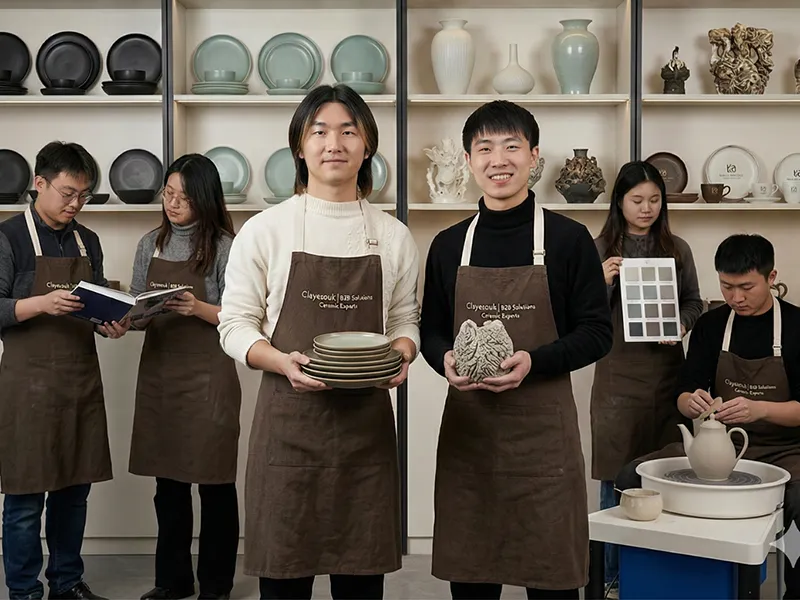
Jingdezhen’s Famous Porcelain Street is incredibly significant to the city, showcasing why it is known as the Ceramic Capital. This historic street dates back to the Ming and Qing Dynasties, when official kilns and skilled artisans established the standards for porcelain in China. The backing from emperors fostered innovation and ensured high quality, which propelled Jingdezhen to global fame. Artisans adapted their techniques to embrace new styles, blending traditional methods with contemporary painting ideas. Today, this vibrant street continues to connect ancient China with modern ceramics, inspiring brands like clayesouk.
Key Takeaways
Jingdezhen’s Porcelain Street is an old place. It shows the city’s long history of making porcelain. This tradition started in the Ming and Qing Dynasties.
The street links old ways of making things with new designs. It helps brands like clayesouk mix old skills with modern styles.
Artisans in Jingdezhen use kaolin clay from the area. They use methods passed down for many years. This makes their porcelain very good. It keeps the craft alive and important.
Cultural events and schools in Jingdezhen help save porcelain-making skills. They also help new artists learn and try new ideas.
Jingdezhen’s porcelain is known all over the world. Its blue-and-white designs show wealth and good taste in many places.
Jingdezhen’s Famous Porcelain Street
Origins and Ming Street History
Jingdezhen’s famous porcelain street shows the city’s long history with porcelain. The street started during the Ming Dynasty. At that time, Jingdezhen became the main place for making porcelain in China. The city was in a good spot. It had great clay, clean water, and plenty of fuel. These things helped workers make beautiful porcelain. Jingdezhen’s story proves the city was very important for Chinese porcelain.
Many big events helped Ming Street grow as a trading center. The table below lists some of these important times:
Period | Description |
|---|---|
Early Ming | Blue-and-white porcelain became famous around the world. This showed how skilled Jingdezhen’s workers were. |
1433 | The royal court asked for 443,500 pieces of porcelain. This made Jingdezhen the main supplier. |
16th Century | European traders came and wanted more Jingdezhen ceramics. This made them popular in Europe. |
Imperial Kilns | Jingdezhen became known for its imperial kilns. These kilns made porcelain just for the royal family. |
These events made Jingdezhen’s porcelain street the center of the city’s porcelain life. The street linked local workers with the royal court and people from other countries. Because of this, Jingdezhen became known as the “Porcelain Capital” of China. The city’s porcelain history shows how important the street was for trade and sharing culture.
Street Features and Cultural Atmosphere
Ming Street has many old buildings. Rich families used to live in these homes. The houses show the best work of Chinese builders from the Ming and Qing Dynasties. The designs and decorations on the buildings show off the city’s porcelain culture. People can see carved wooden doors, painted tiles, and stone paths. These things tell stories about Jingdezhen’s past.
The street’s culture inspires both workers and visitors. The street is full of history, art, and daily life. People can walk down Fanjiajing Ancient Street. Shops there sell real Jingdezhen crafts and local foods. The area feels like a museum that is still alive. There are art galleries and shows with both old and new ceramics. Many cultural events happen here. These events celebrate the skills and traditions of Jingdezhen.
Museums and art schools help keep the street’s spirit alive. The Sanbao Ceramic Art Institute and the Pottery Workshop help artists learn and share ideas. The Jingdezhen Ceramic Institute and the Ceramic History Museum teach about the city’s past and present. These places bring students, artists, and collectors from all over the world.
The local government also helps protect Jingdezhen’s porcelain street. Since 2016, projects have fixed old buildings and made new places for culture. The Taoyangli imperial kiln block is now a fun place for learning and fun. Museums and ceramic workshops help keep Jingdezhen’s history strong.
Jingdezhen’s porcelain street still shapes the city’s name as the “Porcelain Capital.” The street brings together history, art, and people. It is a special place for anyone who loves porcelain. The story of the street is a big part of Jingdezhen’s history and the story of porcelain in China.
The Rise of Jingdezhen Porcelain
Dynastic Advances and Imperial Patronage
Jingdezhen became well-known for porcelain during the Song, Ming, and Qing dynasties. Each dynasty helped the city become the Ceramic Capital of China. The rulers made choices that changed Jingdezhen’s future.
The Song Dynasty changed Jingdezhen from a busy market to a royal place. The emperor wanted special kilns to make porcelain for his family. These kilns showed how skilled the workers were.
The Yuan Dynasty started the Fuliang Porcelain Bureau. This office helped organize work and sent the best porcelain to the court.
The Ming Dynasty built official kilns in Jingdezhen. The government controlled how porcelain was made and sold. Only the best pieces went to the emperor and his family. The city became a source of pride for China.
The Qing Dynasty fixed the kilns after wars hurt them. The rulers wanted Jingdezhen to stay strong. They brought in skilled workers and new ideas.
The imperial court always wanted the best porcelain. The palace’s needs made Jingdezhen improve its skills. The Ming rulers asked for many porcelain pieces. They used them as gifts and for daily use. The court worked with private kilns too. If a piece was not good enough for the palace, the kiln could sell it to others. This made Jingdezhen busier and more creative.
In 1004, the emperor gave a special order. He wanted porcelain made just for his family. Many kilns worked together to fill this order. The official kilns had strict rules. Only a few pieces passed the tests. This focus on quality made Jingdezhen porcelain famous in China and the world.
During the Ming dynasty, Jingdezhen became the main place for making porcelain in China. Porcelain was made in large amounts. Official kilns for the emperor were set up in Jingdezhen.
Evolution of Porcelain Styles
Jingdezhen did not just make more porcelain. The city also changed how porcelain looked and felt. Each dynasty brought new styles and ideas.
The Song Dynasty made Qingbai ware. This porcelain had a clear glaze and fine carvings. It looked light and smooth.
The Yuan Dynasty made Shufu ware. These pieces had a thick, white glaze with a blue-green tint.
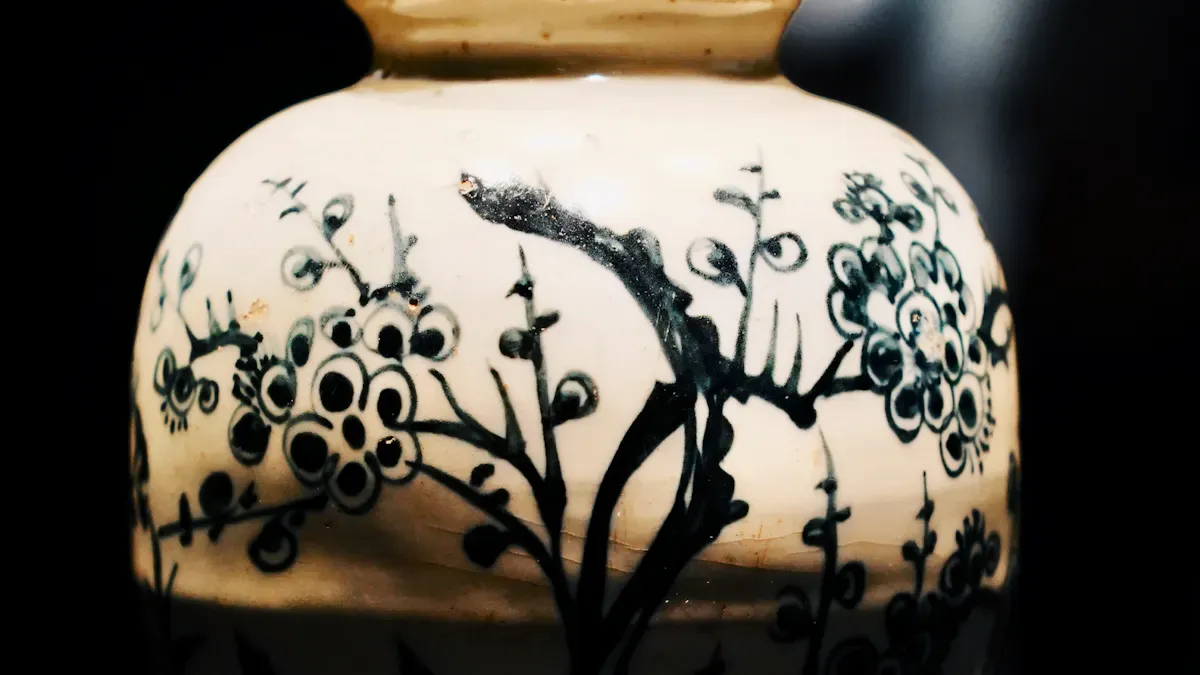
The Ming Dynasty started using blue-and-white porcelain. Artists painted scenes from stories, nature, and daily life. The designs became more detailed and lively.
The Qing Dynasty saw the rise of famille rose porcelain. These pieces had bright colors and complex patterns. The Kangxi emperor helped bring new life to Jingdezhen’s art.
Jingdezhen became even more famous under the Ming and Qing dynasties. This time was the golden age for porcelain in Jingdezhen. The city’s porcelain changed with the court and society. Blue and White porcelain started in small kilns and grew in the imperial kilns. Artists used cobalt blue and painted Chinese legends, animals, and pretty scenes.
Blue-and-white porcelain became the symbol of Jingdezhen. Artists used cobalt blue to paint on white porcelain. These pieces showed dragons, flowers, and beautiful places. People in China loved these designs. Soon, people from other countries wanted them too.
These famous Blue and White wares started showing up in Istanbul markets, Dutch homes, and even with French nobles. This shows how much people wanted Jingdezhen porcelain.
Jingdezhen porcelain traveled far from China. By the Tang and Song dynasties, traders sent porcelain to Japan, Southeast Asia, and the Middle East. During the Ming and Qing dynasties, blue-and-white porcelain reached Europe. The Portuguese and Spanish helped spread these treasures. Blue and white china became a sign of wealth and taste in many countries.
Before, styles like qingbai ware were popular in China. But blue-and-white porcelain, with its pretty Chinese scenes, became very popular in Europe.
Jingdezhen changed with new trends and markets. The city went from making celadon plates for the Song court to making blue-and-white porcelain for the world. Even when demand dropped during Western industrialization, Jingdezhen kept going. Today, young artists and a lively art scene bring new energy to the city.
Jingdezhen stands as a symbol of China’s porcelain history. The city’s blue-and-white porcelain and other styles still inspire people everywhere.
Craftsmanship and Innovation in Porcelain
Local Resources and Skilled Artisans
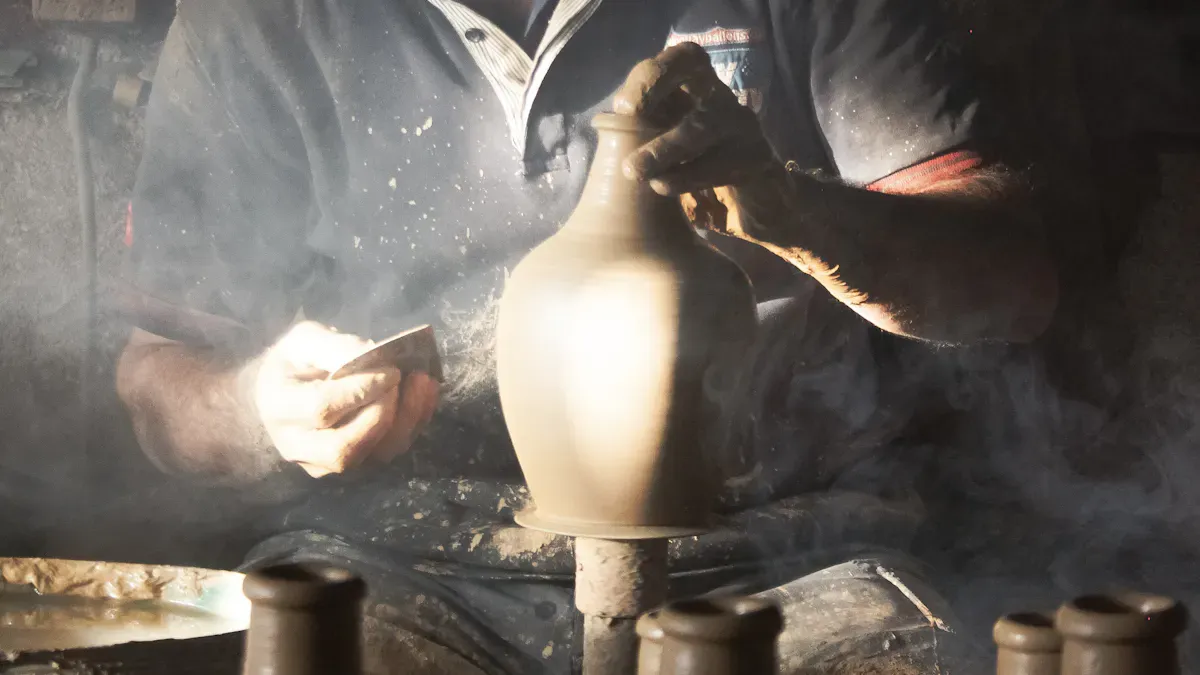
Jingdezhen is special in China because it has great natural resources and talented workers. The city’s porcelain depends on kaolin, which is a pure white clay found nearby. Kaolin comes from broken-down aluminum silicates and stays white after being fired. People have used this clay since the Yuan dynasty. The village called Kaolin is known as the main place for porcelain clay.
At the imperial kilns in Jingdezhen, Jiangxi province, workers mixed kaolin clay with porcelain stone, which was more glassy.
Many generations of artisans have made Jingdezhen famous. They teach each other old ways to make porcelain and always try to keep the quality high. Young workers bring new ideas and help make better ceramics. Passing down skills from parents to children keeps the city’s ceramic work strong.
Artisans have kept old crafting methods alive, so Jingdezhen porcelain stays good.
Sharing knowledge between generations keeps the work at a high level.
New ideas from young workers make Jingdezhen porcelain even more popular today.
Schools and programs help train new workers. The Pottery Workshop in Jingdezhen lets people from everywhere join. It uses local materials and teaches old ways of making ceramics. Students learn from skilled workers and use special places to practice.
Feature | Details |
|---|---|
Program Name | The Pottery Workshop, Jingdezhen |
Focus | Works with local artisans and uses Jingdezhen’s own materials and ways of making things. |
Eligibility | Anyone can join if they are open to learning about ceramics and different cultures. |
Facilities | The workshop is in a safe area with many artisans and has lots of creative spaces. |
Technological Breakthroughs
Jingdezhen’s porcelain has changed a lot because of new kiln designs. At first, kilns were simple domes made of earth. Later, people built dragon kilns, horseshoe kilns, and then egg-shaped kilns. The egg-shaped kiln had a firebox on one side and a chimney on the other. This helped air move better and made firing faster, taking only about 36 hours. The oval shape spread heat evenly, and the big roof kept the kiln safe from rain.
Modern brands like clayesouk still use these old ways but add new ones too. They use things like decals, laser-etching, and 3D printing. These tools help make detailed patterns and cool designs. Computers also help match colors and make work faster. Even with new tools, Jingdezhen’s old traditions are still important. Mixing old and new ways keeps Jingdezhen a leader in China’s ceramic world.
clayesouk and Jingdezhen’s Living Legacy
Handmade Ceramics and Modern Design
clayesouk is a modern brand with deep roots in Jingdezhen’s history. The brand’s workers use skills learned from older generations in China. Every ceramic piece shows careful work and detail. This is what made Jingdezhen famous. clayesouk keeps old ways alive by using local materials and classic firing. The brand also adds new ideas and styles for today’s people.
The Taoxichuan area in Jingdezhen mixes old and new design. Old porcelain factories are now creative places for artists and visitors. This area helps save history and supports new art. clayesouk joins this busy community. They work with artists and share what they know. The table below shows how clayesouk and Taoxichuan mix tradition and new trends:
Aspect | Description |
|---|---|
Historical Preservation | Taoxichuan turns old porcelain factories into cultural centers, keeping their history. |
Artistic Innovation | The area supports new art styles but respects old ways. |
Community Engagement | Over 80 famous artists and almost 17,400 creators work here, making the area lively. |
Educational Opportunities | People can learn about how ceramic firing has changed over time. |
Commercial Balance | The area plans for business but still protects art and culture. |
Global Influence and Cultural Value
Jingdezhen has led the world in porcelain for almost 2,000 years. The city is important in China and everywhere else. clayesouk keeps this story going by sharing handmade porcelain with people all over. The brand’s pieces are loved by collectors, tea fans, and people who like home decor.
Long ago, Jingdezhen porcelain was a top export. In the Ming and Qing dynasties, blue and white porcelain was called “White Gold” in Europe and the Middle East. Traders took these pieces from China to Japan, Southeast Asia, and Europe. This helped Jingdezhen become the “Porcelain Capital.”
Now, clayesouk builds on this strong history. The brand’s pieces have been chosen as national gifts. This shows their high quality and cultural worth. By mixing old skills with new design, clayesouk helps Jingdezhen porcelain stay important in China and the world. The brand’s story shows that Jingdezhen’s spirit lives in every handmade piece.
Jingdezhen’s porcelain street still helps make the city special. Many visitors and collectors come to see its art and history. Skilled artisans’ work continues in old workshops and new brands like clayesouk. The city’s porcelain industry is still very busy.
Industry Statistics | Details |
|---|---|
Daily Production | 500,000 pieces for export |
Workforce | 150,000 people in the porcelain industry |
Number of Companies | Nearly 7,000 ceramic workshops |
This street is like a museum that is alive. It links the old days and today for everyone who loves porcelain.
FAQ
What makes Jingdezhen’s Porcelain Street famous?
Porcelain Street is special because it mixes history, art, and daily life. People can see old buildings and meet skilled workers. There are shops that sell handmade ceramics. This street helps people understand why Jingdezhen is called the “Porcelain Capital.”
How do artisans create Jingdezhen porcelain?
Artisans use kaolin clay from the area and special kilns. They shape each piece by hand. Then they paint and fire the ceramics. Many workers learn these skills from their families. The process uses both old ways and new ideas.
What is blue-and-white porcelain?
Blue-and-white porcelain has cobalt blue designs on white clay. Artists paint patterns of flowers, animals, or stories. This style became popular in China during the Ming and Qing dynasties. People in other countries liked it too.
How does clayesouk keep traditional craftsmanship alive?
clayesouk’s workers use old methods and local materials. They make every ceramic cup by hand. The brand mixes classic skills with new designs. Many collectors like clayesouk for its quality and culture.
Can visitors buy authentic Jingdezhen ceramics?
Visitors can buy real Jingdezhen ceramics in shops on Porcelain Street. Many stores sell handmade cups, plates, and art. Some brands, like clayesouk, offer custom designs and help after you buy.