


Ready to begin your tea journey? Traditional tea washing invites you to slow down and connect with each cup. Here’s how you do it:
Pour hot water over your tea leaves, then quickly pour it out.
Let the leaves open up.
Use this first wash to clean and warm your cups and teapot.
Discard the rinse—don’t drink it.
Now, you’re set to brew and enjoy your tea.
This simple ritual helps you unlock better flavor and brings a sense of calm to your tea time.
Key Takeaways
Traditional tea washing makes the flavor better. Rinse your tea leaves for 2 or 3 seconds. This removes dust and wakes up their smell.
Use the first wash to heat your teaware. Throw away this rinse to keep your tea clean and tasty.
Get your tools ready before you start. Pick your favorite tea, kettle, and handmade ceramic cups. This helps your tea time go smoothly.
Washing tea is a relaxing habit. It helps you pay attention to now. It lowers stress and makes you enjoy tea more.
Pick good tea and teaware. Good leaves and the right cups make the flavor better. They also make your tea time feel special.
What Is Traditional Tea Washing?
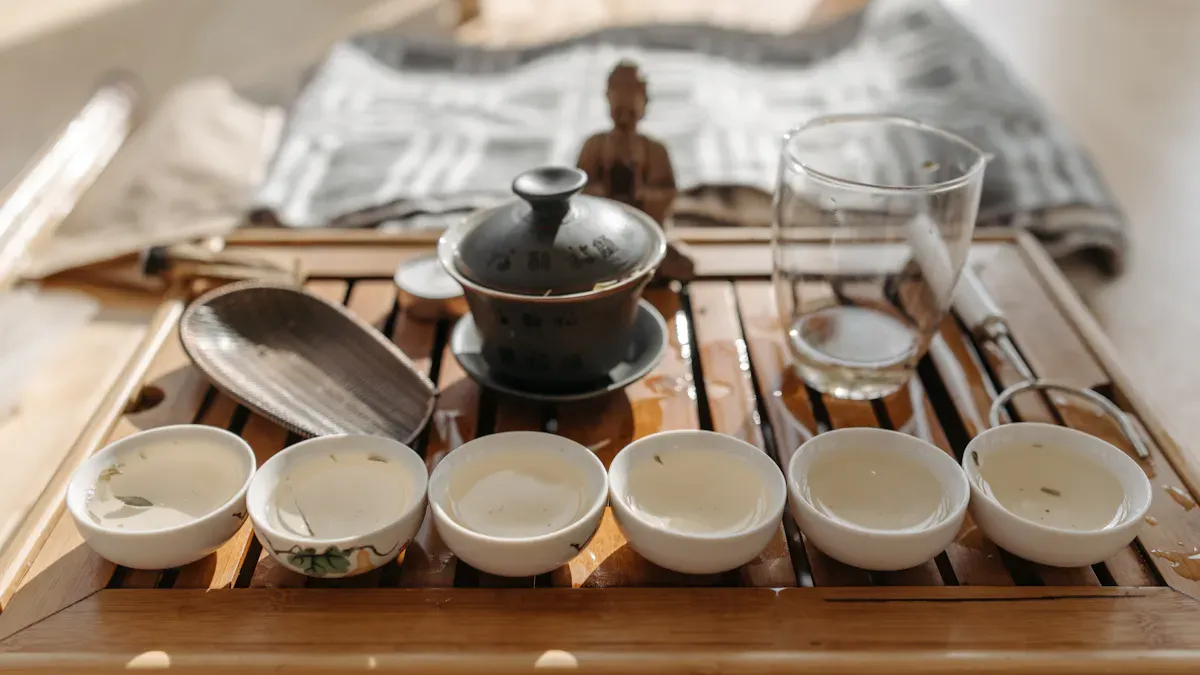
Meaning of Xǐ Chá
When you hear “xǐ chá,” you enter a place where tea has stories. Xǐ chá means “washing tea” in Chinese. People have done this for hundreds of years. It is a big part of many tea traditions. In both Chinese and Japanese tea culture, rinsing the leaves is important. It is not just a step. It shows respect for the tea and for everyone sharing it.
“Washing tea is now a key part of the tea ritual. Many people think it gets rid of dust, germs, and chemicals from the leaves.”
In gongfu cha, you pour hot water on the leaves and pour it out fast. You do not drink this first wash. It is a way to honor the tea and get it ready for brewing. People do this at home, in tea houses, and at special events. This small act links you to many tea lovers from the past.
Purpose of Washing Tea
Why do you wash tea first? The answer is easy. You want the best taste and a clean cup. Rinsing the leaves takes away dust and tiny bits from making the tea. This step also wakes up the leaves. It helps them smell and taste better.
Washing tea helps remove dust and other small things from the leaves.
It makes the flavor and smell of the tea stronger by getting the leaves ready.
In Japan, washing tea is common, especially with gongfu cha.
Traditional tea washing comes from long ago. Old books and customs show people cared about this step for thousands of years. Here is a quick look at its history:
Evidence | Description |
|---|---|
Ancient Texts | The Erya, a Chinese dictionary from the 3rd century BCE, talks about early tea habits. |
Ritual Practices | In the Zhou dynasty, leaders used tea in ceremonies to show its importance. |
Historical References | The Classic of Tea and Shennong Ben Cao Jing talk about tea’s use as medicine long ago. |
When you use handmade ceramic cups from clayesouk, you do more than follow a tradition. You hold art made by skilled hands. Each cup shows the care put into every step of tea washing. This link to craft makes your tea time special.
Why Wash Tea First?
Benefits for Flavor
Washing tea is not just a step in the process. You do it to get the best taste from your leaves. When you pour hot water over the leaves and quickly pour it out, you remove dust and small bits that can affect the flavor. This first rinse also wakes up the leaves, making them ready for a full flavor extraction. If you love chinese tea or want to try gongfu cha, you will notice how much brighter and cleaner your tea tastes after this step.
Some people worry about what might be on their tea leaves. Washing tea helps wash away things like dust, tiny particles, and even some unwanted chemicals. Most tea that meets safety standards is safe to drink, but this extra rinse gives you peace of mind. You can enjoy your cup knowing you have done everything to make it pure and delicious.
Handmade ceramic cups, like those from clayesouk, can make your tea taste even better. These cups hold heat well and let the aroma rise. Over time, they can even absorb flavors, making each cup special. You get a richer, deeper taste with every sip.
Enhancing Ritual
Washing tea is more than just cleaning leaves. It is a moment to slow down and enjoy the brewing ritual. When you practice gongfu cha or any tea culture, you use all your senses. You watch the steam, smell the leaves, and feel the warmth of the cup in your hands.
Many studies show that tea rituals help you feel calm and focused. You pay attention to each step. You notice the sound of water and the scent of the tea. This can lower stress and help you relax.
Here are some ways the ritual helps you:
You become more present in the moment.
You feel less anxious and more relaxed.
You improve your focus and enjoy your tea more.
When you use a handmade ceramic cup from clayesouk, you add beauty and tradition to your tea time. The cup feels good in your hand and makes the aroma stronger. This small detail can turn a simple drink into a special experience.
Traditional Tea Washing Steps
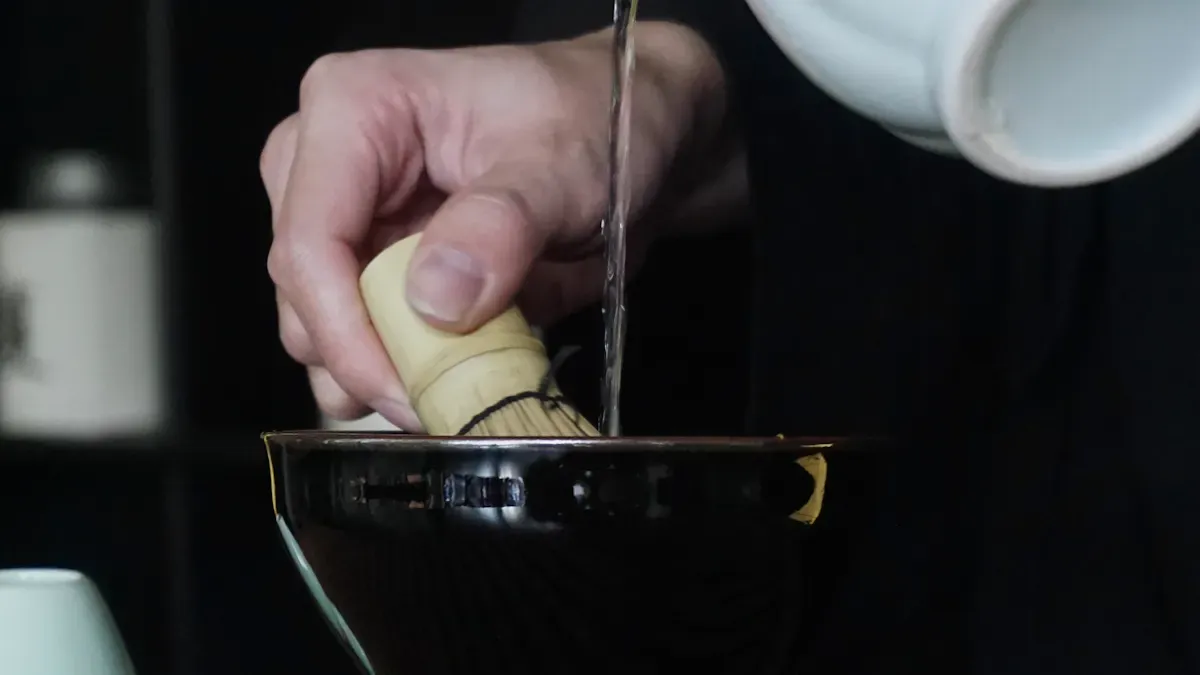
Prepare Tools and Tea
Start your tea ritual by gathering everything you need. You want your favorite tea leaves, a kettle with fresh water, and your teaware. If you have a handmade ceramic cup from clayesouk, you’re already ahead. These cups bring out the best in every brew and add a touch of artistry to your table. Choose a tea that fits your mood—maybe a floral oolong, a bold pu-erh, or a gentle green. Lay out your teapot, pitcher, cups, and a tray to catch any spills. This setup makes your tea preparation smooth and enjoyable.
Rinse Teaware
Before you touch the leaves, give your teaware a quick rinse with hot water. This step warms everything up and ensures a clean start. Warm cups and teapots help keep your tea at the right temperature and let the flavors shine. Here’s a quick guide for rinsing:
Tea Type | Temperature (°F) | Rinse Duration |
|---|---|---|
White and Green | 175-185 | 2-3 seconds |
Oolongs | 190-200 | 2-3 seconds |
Pu-erh and Black | 200-212 | 2-3 seconds |
Pour hot water into each piece, swirl it around, and pour it out. This simple move gets rid of dust and preps your teaware for the next steps. If you use clayesouk’s porcelain or unglazed clay cups, you’ll notice how well they hold heat and enhance the aroma. Porcelain is easy to clean, while unglazed clay absorbs flavors over time, making each cup unique.
Wash Tea Leaves
Now, it’s time for the heart of traditional tea washing. Place your tea leaves in the pot or gaiwan. Pour hot water over the leaves, just enough to cover them. Let it sit for only a few seconds—usually 2 to 3 seconds does the trick. This quick wash opens up compressed teas, helps the leaves unfurl, and removes dust or tiny bits from processing. You’ll see the leaves start to wake up, ready for a full flavor extraction.
Washing tea isn’t just about cleaning. It’s about preparing the leaves for the best taste. You’ll notice the aroma gets stronger, and the color of the rinse is often lighter than the real brew. This step is especially important for oolong, dark, and pu-erh teas. In gongfu cha, this wash is a must before you enjoy your first cup.
Tip: Don’t worry if you see foam or small particles in the first wash. That’s tea saponin, which is natural and even has health benefits.
Discard First Wash
After you rinse the leaves, pour out the first infusion. This step is key in traditional tea washing. The first wash isn’t for drinking. It removes dust, microorganisms, and any leftover bits from the leaves. For aged or compressed teas, this wash helps the leaves expand and get ready for the real brewing.
You can use the first wash to warm your cups and pitcher. Pour the rinse into each cup, swirl, and discard. This keeps everything hot and clean. Some people think the foam or broken pieces mean the tea is dirty, but that’s not true. The first wash simply sets the stage for a better cup.
Begin Brewing
Now you’re ready for the main event. Add hot water to the rinsed leaves and start your first real brew. Watch as the leaves dance and the color deepens. The aroma will fill the air, and you’ll taste the difference that washing tea makes. Each sip feels smoother, cleaner, and richer.
If you use clayesouk teaware, you’ll notice how the cup’s shape and material enhance the experience. Porcelain keeps flavors pure, while unglazed clay adds depth over time. This is where gongfu cha shines—each step, from tea preparation to brewing, becomes a mindful ritual.
Enjoy your tea journey. With traditional tea washing, you set the stage for every cup to tell its own story.
Common Mistakes & Tips
Water Temperature
Getting the water temperature right can make or break your tea. Many people pour boiling water straight onto the leaves. This can burn them and make your tea taste bitter. Let your boiled water cool for a minute or two before you use it. You want the water hot, but not too hot.
You also want to use the right kind of water. Distilled or hard water can change the taste of your tea. Try using filtered water or fresh tap water that has lots of oxygen. This helps your tea taste clean and bright.
Tip: If you see foam on your tea, don’t worry. That’s tea saponin. It means your tea is fresh and high quality.
Choosing Tea & Teaware
Picking the right tea and teaware makes your tea time better. Here’s what you can do:
Choose good tea. High-quality leaves give you the best flavor.
Use a teapot or cup that gives your tea leaves room to open up. This helps the flavor come out.
Warm your teaware before you start. Pour hot water in, swirl it around, and pour it out. This keeps your tea at the right temperature.
If you use a handmade ceramic cup from clayesouk, you get both beauty and function. The cup feels good in your hand and helps your tea taste its best.
Troubleshooting
Sometimes things go wrong. Here are some quick fixes:
Clean your tea set right after you use it. This stops stains from building up.
If your tea tastes too strong, try using fewer leaves or a bigger pot.
Forgot about your tea? Don’t worry. Use less tea next time to avoid bitterness.
If you see stains on your teaware, fill a basin with warm water. Add a few tablespoons of baking soda and citric acid. Soak your cups for ten seconds or more. Wipe gently, and your cups will look new again.
Many new tea drinkers think washing tea removes pesticides. Most teas are safe because of strict rules. Washing is for flavor and ritual, not safety.
You’ve learned how traditional tea washing sets the stage for a great tea experience. Here’s a quick recap:
Gather your tools and tea.
Rinse your teaware.
Wash the leaves.
Discard the first wash.
Start brewing.
Ready to make your tea ritual even more special? Try clayesouk’s handmade ceramic cups. Each cup brings warmth and artistry to your tea story. Visit clayesouk.com and discover your next favorite cup!
FAQ
How long should I wash the tea leaves?
You only need to rinse the leaves for 2 to 3 seconds. This quick wash wakes up the leaves and removes dust. Don’t let them soak too long, or you might lose flavor.
Can I drink the first wash?
No, you should pour out the first wash. This step cleans the leaves and prepares them for brewing. Save your cup for the real tea!
What kind of teaware works best?
Handmade ceramic cups, like those from clayesouk, work great. They hold heat well and make your tea taste better. You can also use glass or porcelain if you prefer.
Do I need to wash all types of tea?
Most teas benefit from a quick rinse, especially oolong, pu-erh, and black teas. Green and white teas are delicate, so use cooler water and a shorter rinse.
Tip: Always adjust your washing time based on the type of tea you use.
