


You find a city in China where history and new ideas are important every day. Jingdezhen’s porcelain has been made for hundreds of years. People from many countries come to see it. The Saturday market lets young artists meet and show their work. This helps more people visit the city. Brands like clayesouk respect this old tradition. They make ceramics by hand and add special designs. Jingdezhen gives ideas to artists and travelers. It is a real creative city.
The Saturday market helps young artists and grows the local economy.
Jingdezhen is now a famous place for travel and art.
Key Takeaways
Jingdezhen’s Saturday market helps young artists. It also helps the local economy. The market is a lively place for creativity.
The city has a long porcelain tradition. It goes back 2,000 years. This shows skilled work and cultural importance.
New ideas like 3D printing and custom designs are used. They mix old methods with new styles in Jingdezhen’s ceramics.
Community support and government programs protect Jingdezhen’s art history. They also help new talent in ceramic arts.
Cultural events and global partnerships make Jingdezhen more famous. They bring artists and visitors from many countries.
Jingdezhen’s Artistic Heritage
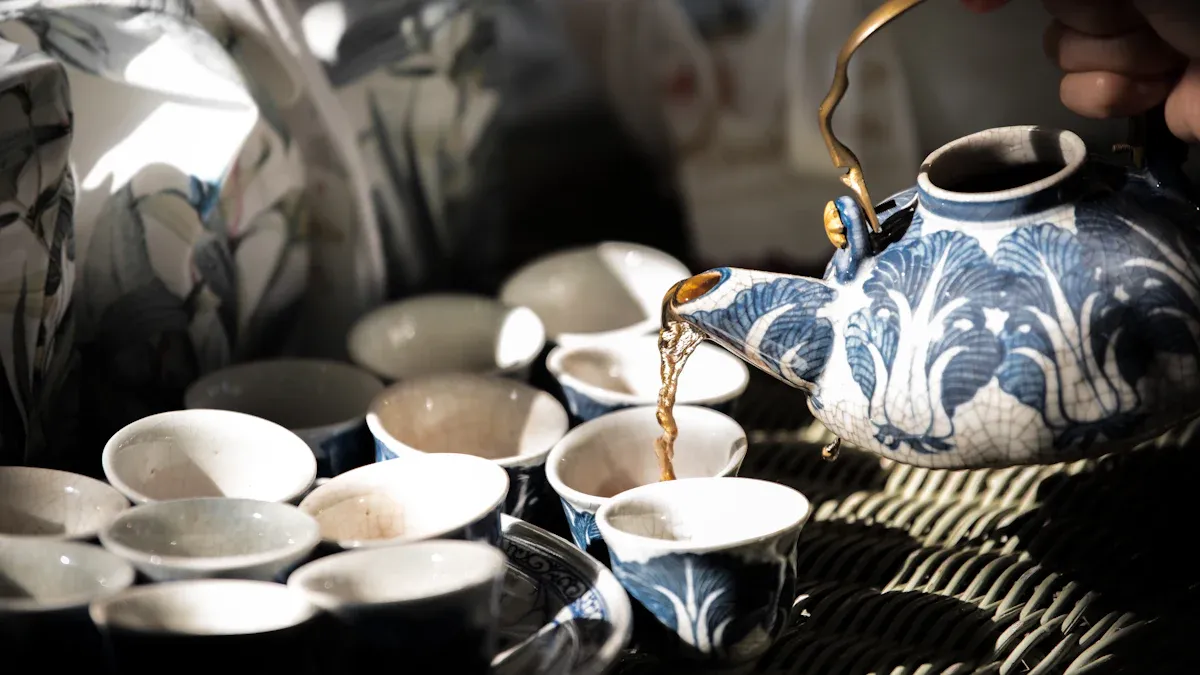
Porcelain Tradition
You can learn about Jingdezhen’s fame by looking at its porcelain tradition. The city started making ceramics almost 2,000 years ago, during the Han Dynasty. Over time, Jingdezhen became known as the Porcelain Capital of the World. Artisans use kaolinite, a special clay found in Gaoling village in the Yuan dynasty. This clay helped them make porcelain that could handle heat and show bright glazes.
Jingdezhen began making porcelain in the Han Dynasty.
By the Song Dynasty, there were many workshops and kilns for the imperial court.
Royal kilns started in the Song Dynasty, making Jingdezhen famous for fine porcelain.
Blue-and-white porcelain became popular in the Ming and Qing dynasties.
Jingdezhen’s porcelain tradition changed ceramic art around the world. Blue-and-white porcelain from the Ming and Qing dynasties had detailed designs and bright colors. These pieces were liked by people in Europe and the Middle East. Jingdezhen’s porcelain was not just for decoration. It became a symbol of China’s culture and inspired artists everywhere.
Master Craftsmanship
When you hold Jingdezhen porcelain, you feel the work of skilled artisans. They use good materials and follow careful steps. Each piece is made by hand, showing the maker’s skill and hard work. The craft has many steps, like shaping clay, painting, and firing. In Jingdezhen, artisans often focus on one step, so they become experts.
Artisans split the work, so each person does one skill.
Skilled potters shape clay by hand, showing their talent.
The steps include getting kaolin, shaping, painting, glazing, and firing.
Jingdezhen’s craftsmanship has influenced artists all over the world. The city’s porcelain is known for quality and beauty. Seventeen porcelain plaques from the late 1800s to early 1900s show how techniques changed. These plaques are carved and three-dimensional, showing new skills. The Chinese writing explains how porcelain is made, helping people learn about its history.
Aspect | Details |
|---|---|
Study Focus | Chronological classification of Jingdezhen blue and white porcelain |
Techniques Used | RGB, non-imaging spectral, and imaging spectral datasets |
Classification Model | VGG16 and ResNet50 models with Dempster-Shafer evidence theory |
Classification Accuracy | 90.47% using ResNet50 and LSTM algorithm |
Significance | Gives a new way to identify and classify cultural relics without damage, and affects international standards. |
Brands like clayesouk keep Jingdezhen’s heritage alive. You can find handmade ceramic cups that show both tradition and personal style. The artisans at clayesouk use skills passed down through families. They mix old methods with new ideas, making each cup special. When you pick a piece from clayesouk, you connect with Jingdezhen’s history and Chinese ceramic art.
Tip: If you visit Jingdezhen, try to find workshops where you can watch artisans work. You will see the care and skill in every piece of porcelain.
Modern Innovation
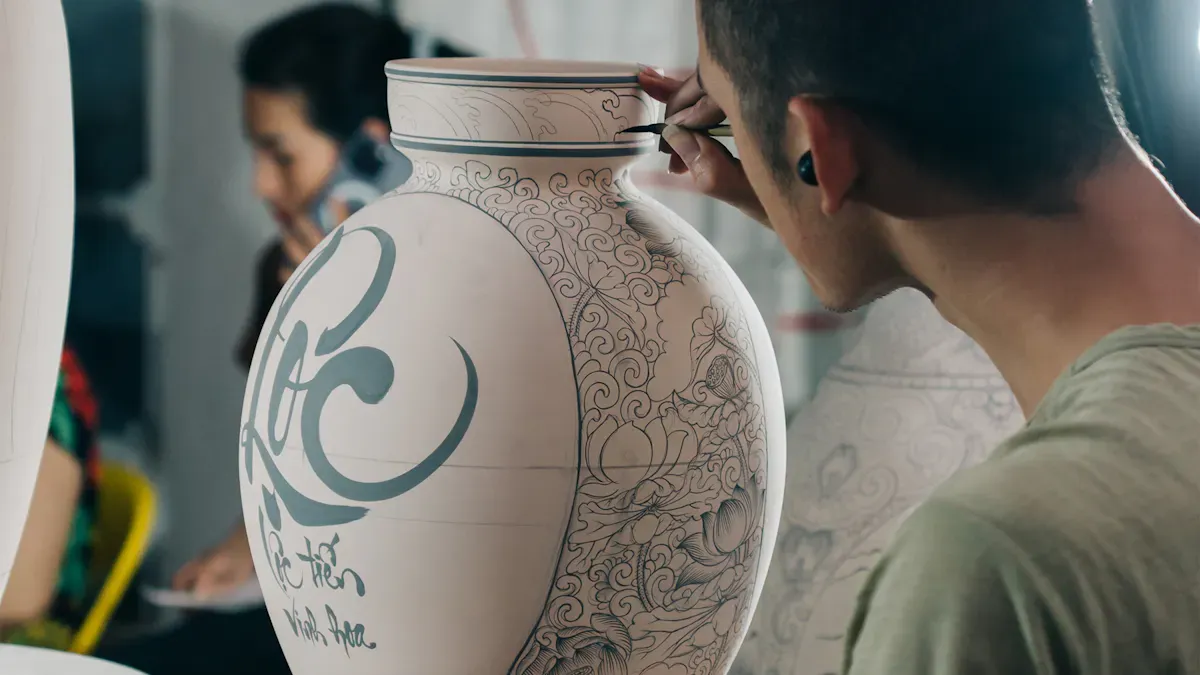
Tradition Meets Design
In Jingdezhen, you see new ideas everywhere. The city mixes old ways with new styles. Artisans use old methods to make porcelain. They also try out new designs. Brands like clayesouk show how old and new can work together. You can find handmade cups with old skills and new patterns. Custom design lets you pick shapes, glazes, and decorations. This makes every piece special and just for you.
3D printing helps artists make detailed porcelain that was not possible before.
Decal application and laser-etching put real-life pictures on ceramics.
Old glaze recipes mix with new materials to make better and more creative pieces.
Innovation has always been part of Jingdezhen’s art. The city keeps its craft alive and tries new ways to show ceramic art. You can see blue-and-white porcelain with new looks in many shops. This creative feeling brings artists from China and other countries.
Technology and Collaboration
Jingdezhen uses technology to make better porcelain. The city works with people from other countries to get new ideas. Artisans and designers from around the world work together. They share their ways and learn from each other. This helps Jingdezhen stay important in the world of ceramics.
You can see how glaze recipes changed over time:
Period | Glaze Type | Key Changes and Innovations |
|---|---|---|
Tang to Ming Dynasties | Botanic ash glazes | Early glazes used plant ash for CaO. |
Five Dynasties | Limestone-based glazes | Limestone glazes were a big change. |
Late Northern Song | Higher CaO content | New steps made glaze ash with more CaO. Less weathered stone raised Na2O levels. |
Changing glaze recipes help Jingdezhen make better ceramics. The city uses both old and new ways to make special porcelain. Brands like clayesouk use these changes. They make products that meet world standards and attract creative people everywhere.
Tip: If you want to know more, visit workshops in Jingdezhen. You can watch artists use both old and new tools to make beautiful porcelain.
Community Support
Government Initiatives
Jingdezhen’s government helps artists in many ways. They make rules to keep porcelain traditions safe. These rules protect old kilns and give rewards to skilled workers. Brands like clayesouk grow because of this support. The city works with UNESCO to protect folk culture. This also makes Jingdezhen more famous around the world.
Here is how local rules help brands:
Policy/Support Type | Description | Impact on Brands |
|---|---|---|
Talent Cultivation Plans | Rewards and tax cuts for skilled workers | Skilled artisans join the industry, helping brands like clayesouk |
Kiln Preservation Planning | Steps to save ancient kilns | Keeps history alive, making brands more special |
UNESCO Recognition | Longquan celadon is Intangible Cultural Heritage | Makes local brands like clayesouk more popular globally |
These actions make Jingdezhen a creative city. The government’s help keeps craftsmanship strong. It makes Jingdezhen a leader in ceramic art.
Education and Artist Support
Jingdezhen has many ways to learn about ceramics. The city has programs that teach porcelain and folk arts. You can join workshops or study at the Jingdezhen Ceramic Institute. This school lets you learn from experts and meet artists from China and other countries.
The Pottery Workshop lets you work with local artisans. You can join a residency, use a studio, and sell your work at a creative market.
The Jingdezhen Ceramic Institute teaches ceramic art, offers cultural activities, and connects you with international scholars.
The Pottery Workshop helps you use local materials and learn new skills. Artists of all levels can join and share ideas.
Education and community support help brands like clayesouk. Jingdezhen is a national-level ICH productive protection demonstration base. This means the city protects its heritage and helps new talent. You can feel folk culture and creativity everywhere in Jingdezhen.
Note: If you want to learn more about ceramics, visit Jingdezhen and join a workshop or class. You will see the beauty of Chinese craftsmanship.
Global Engagement
Cultural Events
Jingdezhen shows its global reach through cultural events. The city holds festivals that bring artists and visitors from many places. The International Ceramic Art Festival happens each year. You can watch live demos, join workshops, and meet famous ceramic artists. These events teach you about Jingdezhen’s history and creativity.
Artists from Europe, America, and Asia visit Jingdezhen for festivals.
You can try hands-on activities and see new ceramic designs.
The city honors its heritage and welcomes fresh ideas.
Le Tian Pottery Workshop began in 2005. Caroline Cheng started this project. The workshop draws international artists and customers. You can see how Jingdezhen connects with the world through art and culture.
Note: If you visit Jingdezhen during a festival, you can meet artists from different countries and see special porcelain pieces.
International Partnerships
Jingdezhen builds strong partnerships with people and brands worldwide. Local artists work with international designers. The city supports exchanges and teamwork. These partnerships help Jingdezhen stay creative and respected.
Partnership Type | Example Activity | Impact |
|---|---|---|
Artist Residencies | International artists create work | New styles and ideas |
Brand Collaborations | Custom designs for global markets | Wider audience for porcelain |
Educational Exchanges | Workshops with foreign schools | Shared knowledge and skills |
Clayesouk plays a big part in global engagement. The brand serves clients from Europe, America, and other regions. Its handmade cups and tea sets are chosen as national gifts. This shows Jingdezhen’s tradition reaches people everywhere. In the Ming and Qing dynasties, Jingdezhen’s porcelain was popular in Middle-Eastern and European markets. This history proves the city has always connected with global customers.
China’s creative spirit shines in Jingdezhen. The city adapts to new markets and welcomes international partnerships. Brands like clayesouk help share Jingdezhen’s story with the world.
Tip: If you want to explore global ceramic art, Jingdezhen is a great place to start. You can find products that mix tradition and modern style.
UNESCO Application Steps
Meeting Criteria
Jingdezhen planned carefully to become a creative city. The city showed its long history as the porcelain capital. Jingdezhen has made pottery for over 1,700 years. The city proved its tradition by showing the work of artisans. There are famous places like the Jingdezhen imperial kiln museum. These sites show the city’s deep roots in ceramic art.
To meet UNESCO’s rules, Jingdezhen focused on its intangible cultural heritage. The city protects old techniques and helps new artists. The government made programs to support craftspeople and keep traditions alive. Artist residency programs in Taoxichuan Art Community help ceramic culture grow. These programs give artists space to work and share ideas. Community support is a big part of the city’s application.
UNESCO wanted cities that mix history and creativity. Jingdezhen showed it could do both. The city blends hand-painted blue-and-white porcelain with modern designs. Jingdezhen supports education and teamwork. There are schools and workshops that teach ceramics to new generations. Jingdezhen proved it is not just China’s porcelain capital, but also a leader in creative arts.
Showcasing Assets
Jingdezhen had to show its creative assets to earn UNESCO recognition. The city presented its famous porcelain, special glaze formulas, and artisan skills. Festivals, markets, and museums helped display the city’s culture. The Jingdezhen imperial kiln museum became a place to learn and share. The city invited international artists to join local craftspeople. This helped Jingdezhen become a creative city of craft and folk arts.
In 2014, UNESCO named Jingdezhen a creative city. This brought new attention to local brands. Clayesouk gained more global customers. The brand’s handmade cups and custom designs became symbols of tradition and innovation. Clayesouk’s products, like hand-painted blue-and-white porcelain tea cups, show the city’s heritage.
The city used its intangible cultural heritage to connect with the world. Artist residency programs and community events helped Jingdezhen stand out. The Taoxichuan Art Community gave artists power and protected the ceramic industry. The city’s creative assets and community support made it a model for other cities.
Tip: If you want to know how a city earns UNESCO status, look for strong tradition, creative assets, and community support. Jingdezhen shows how these parts work together.
You can see that Jingdezhen’s history, creative ideas, and community help made the city famous with UNESCO. Other cities can learn from what Jingdezhen did. They can turn old buildings into places for art. They can make groups where artists help each other. They can use things like live-streaming to show local art.
“People from our group called ‘Jing drift’ miss how Jingdezhen was before 2010. At that time, most visitors were small groups who knew about the art and talked in the same way. Life felt easy and nice.”
You can feel this tradition when you look at brands like clayesouk. Every handmade item shows the talent and history that make Jingdezhen unique.
FAQ
What makes Jingdezhen porcelain special?
Jingdezhen porcelain is different from others. Artisans use kaolin clay from the area. They use old skills to make each piece. The city’s long history adds to its value. Creative designs make every item look like art.
How does clayesouk support Jingdezhen’s heritage?
When you pick clayesouk, you help keep tradition alive. The brand makes cups by hand. You can ask for your own design. Each cup shows both old and new styles. This keeps Jingdezhen’s culture strong.
Can you visit ceramic workshops in Jingdezhen?
You can go to many workshops in the city. You can watch people shape and paint porcelain. Some places let you try making your own piece. You can also join a class to learn more.
Why did UNESCO choose Jingdezhen as a Creative City?
UNESCO picked Jingdezhen for many reasons. The city protects its porcelain craft. It helps artists and welcomes new ideas. You can see both history and new things everywhere.
