


Jingdezhen porcelain traveled to Europe via the Ancient Ceramic Routes, both by land and sea. Traders carried these exquisite ceramics across various regions, where they became symbols of wealth and beauty in distant lands. Jingdezhen earned its title as the porcelain capital, renowned for its innovative ideas and exceptional craftsmanship.
Arab trader Suleiman spoke of the shiny, glass-like cups from Jingdezhen in the 9th century.
The Abbé Grosier observed five hundred porcelain furnaces in Jingdezhen during the 18th century, highlighting the immense production of porcelain.
Europeans had a strong desire for porcelain, leading to millions of pieces being imported and cherished by kings and queens.
Today, brands like clayesouk continue this rich tradition, offering handmade ceramics that reflect centuries of artistry.
Key Takeaways
Jingdezhen porcelain was known for its beauty and skill. It became a sign of wealth in Europe. The Silk Road and sea routes helped move Jingdezhen porcelain. These routes also joined different cultures and ideas. Today, brands like clayesouk keep Jingdezhen’s story alive. They mix old ways with new styles. People in Europe wanted Jingdezhen porcelain a lot. This made new trade networks and changed local art and ceramics. Learning about Jingdezhen porcelain’s past helps us enjoy its art and meaning now.
Jingdezhen and the Birth of Chinese Porcelain
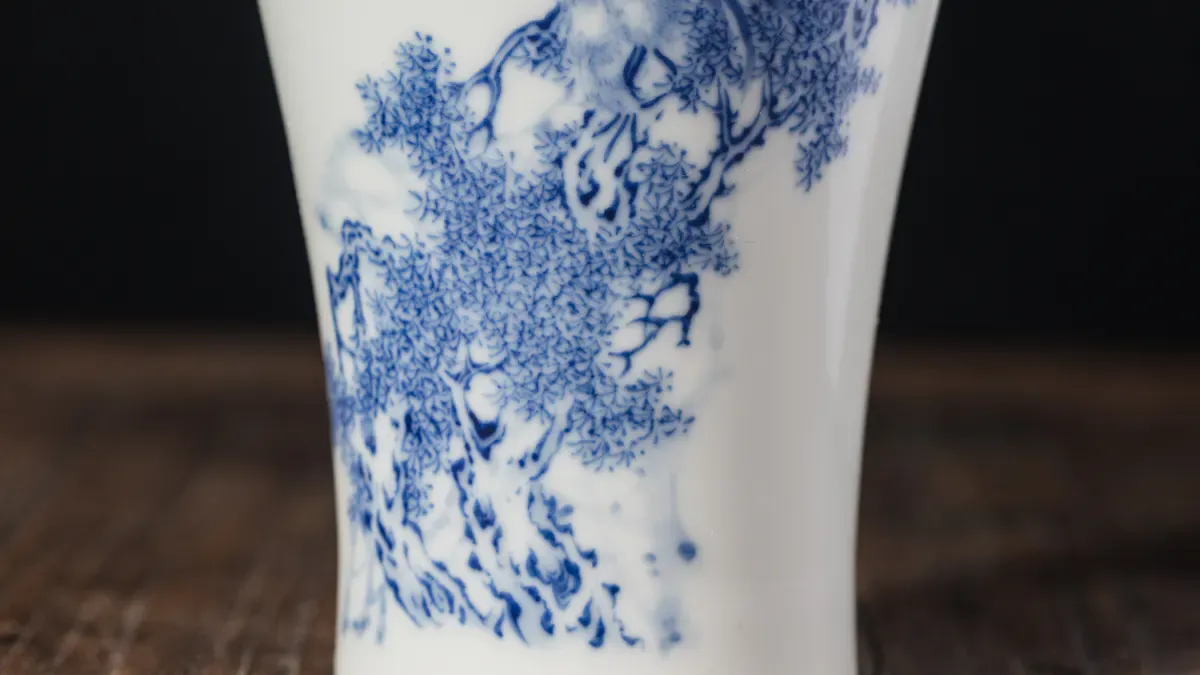
Discovery of Kaolin and Porcelain Innovation
Jingdezhen is in a place with lots of kaolin clay. This clay is important for making good chinese ceramics. Archaeologists found blue-and-white ceramics from the Yuan dynasty in Jingdezhen. These finds show that people were making new kinds of porcelain early on. Studies of the ground connect these pieces to the Yuan and Ming dynasties. Old records say chinese ceramics started in Jingdezhen during the Han Dynasty. The city’s land and clay helped workers make strong and pretty chinese ceramics. By the Song Dynasty, Jingdezhen was a big center for making ceramics. New ways to make porcelain in Jingdezhen changed how people made chinese ceramics all over China.
Jingdezhen’s kaolin clay let workers make thin and strong chinese ceramics. These special ceramics became famous and many people wanted them.
Jingdezhen’s Rise as the Porcelain Capital
Jingdezhen became the main place for chinese ceramics in the Ming Dynasty. The city made two types of porcelain. One was for people in China. The other, called kraak, was sent to other countries. The emperor helped a lot. He started the Imperial Kiln Factory in Jingdezhen. This factory made chinese ceramics for the royal family. The factory made sure the ceramics were very good and beautiful. Jingdezhen was close to rivers and had lots of petuntse. This made it easy to move chinese ceramics to other places. The city made ceramics for both local people and people far away. This helped Jingdezhen porcelain get to Europe and other places.
Advancement Type | Description |
|---|---|
Specialized Kiln Technology | Dragon kilns helped heat up and make lots of chinese ceramics. |
High-Quality Local Materials | Jingdezhen had petuntse and wood, which made better chinese ceramics. |
Meticulous Craftsmanship | Many years of practice made sure chinese ceramics were always good and beautiful. |
clayesouk and the Legacy of Craftsmanship
Today, clayesouk keeps making Jingdezhen porcelain. The brand’s workers use old ways to make handmade chinese ceramics. Every piece shows the history and care from Jingdezhen. Clayesouk works hard to make good art and connects buyers to the story of chinese ceramics. The brand lets people ask for special designs and mixes old skills with new styles. Clayesouk’s story shows that Jingdezhen porcelain is still alive in every cup and mug. The brand wants to keep the art of chinese ceramics safe and makes collectors and fans happy all over the world.
Ancient Ceramic Routes to Europe
Overland Silk Road Porcelain Route
The Silk Road was very important for moving Chinese trade porcelains from Jingdezhen to faraway places. Merchants packed blue-and-white porcelain onto camels. These camels traveled through deserts and mountains. The trip was hard because of bad weather and bandits. Traders built caravanserais along the way for rest and safety. They also made better maps and ways to travel, which helped a lot.
Jingdezhen porcelain was a special item on these ancient routes.
Archaeologists found lots of porcelain in India and Arabia.
The Silk Road helped blue-and-white porcelain reach the Middle East and Europe.
Trading Chinese trade porcelains mixed different art styles and ideas from many cultures.
The trip over land was long and dangerous, but it helped blue-and-white porcelain become a sign of wealth in Europe. These ancient routes linked people, ideas, and art across big distances.
Maritime Silk Road and Sea Trade
Sea trade became even more important for sending Jingdezhen porcelain to other places. In the Song dynasty, Chinese shipbuilders made ships with watertight bulkheads and used the magnetic compass. These new things made long sea trips possible. By the Yuan dynasty, Quanzhou was the main port for shipping blue-and-white porcelain. Porcelain soon became the top export, even more than silk.
The Portuguese grew stronger in Asia in the early 1500s. They sent blue-and-white porcelain from Macao to Lisbon.
The Manila galleon trade, started by the Spanish in 1565, took Chinese trade porcelains to Seville.
The Dutch East India Company (VOC) was very important. They bought porcelain from Taiwan and sent it to Batavia, then to Europe.
Better ships changed the ancient ceramic routes forever. Bigger and stronger ships could carry more porcelain safely across the sea. The table below shows some ship features and how they helped:
Ship Design Feature | Benefit to Maritime Trade |
|---|---|
Junk ship design | Made sea travel much better |
Watertight compartments | Helped ships float and stay safe |
Stern-mounted rudder | Made steering easier |
The sea routes let blue-and-white porcelain reach new places. Ports in the South China Sea and Persian Gulf became busy with porcelain trade. The ancient ceramic routes by sea made Jingdezhen known all over the world.
Middle Eastern and European Intermediaries
Middle Eastern and European traders helped move Jingdezhen porcelain. Arab merchants were very important for taking blue-and-white porcelain from Asia to Europe. They traded through ports in Syria and Egypt. Sometimes, Muslim artists wrote on Chinese ceramics, showing how cultures mixed on the ancient ceramic routes.
Fancy places in Spain have Chinese ceramics, showing Arab traders’ impact.
Sea trade routes linked the South China Sea to the Persian Gulf and then to Spain.
Brokers helped potters in Jingdezhen sell to merchants. They handled sales and helped the porcelain business grow.
These traders made moving porcelain easier. They helped blue-and-white porcelain get from Jingdezhen to Europe. The ancient ceramic routes worked better as brokers and merchants teamed up. The spread of Chinese trade porcelains changed art, culture, and daily life in many places.
Key Players in the Porcelain Trade
Portuguese and the First Direct Trade
The Portuguese were very important in the early porcelain trade. In the 1500s, they made direct trade routes from China to Europe. They controlled Hormuz and used it for trading. Archaeologists found Chinese ceramics in Persian Gulf towns from this time. These finds show the Portuguese helped bring more porcelain to Persia. When Shah Abbas I ruled, the Portuguese sent even more porcelain to the area. Their ships carried porcelain, silk, and other goods to Europe. Many of these things became special gifts for European rulers and nobles.
Dutch East India Company and VOC Networks
The Dutch soon became leaders in the porcelain trade. The Dutch East India Company, or VOC, built strong trade links from China to Europe.
The Dutch brought over three million porcelain pieces to Europe from 1604 to 1657.
Early porcelain mixed Chinese symbols with art from Spain and Italy.
The Dutch gave Chinese workers models and drawings to copy for European buyers.
By 1635, they sent wooden models of European silver and pewter to China.
Later, they sent ceramic and glass models, prints, and drawings too.
The VOC even hired artists to make special porcelain designs.
Dutch traders gave porcelain as gifts to important people in Europe.
These gifts helped make Chinese porcelain famous.
Year Range | Porcelain Pieces Imported by Dutch |
|---|---|
1604-1634 | 1,200,000 |
1634-1644 | 1,800,000 |
1644-1657 | 500,000 |
The Dutch made sure Chinese porcelain reached many homes and palaces in Europe. Their trade changed how people saw and used porcelain.
Ming Dynasty and Trade Control
The Ming Dynasty made strict rules for the porcelain trade. The government wanted to control who could buy and sell porcelain.
Policy Type | Description |
|---|---|
Maritime Prohibitions | The Haijin policy stopped most sea trade with other countries. |
Trade Restrictions | Only Ningbo could trade with Japan, and only a few ships and people could go. |
Merchant Monitoring | Only registered merchants could travel, and they had to report their names and goods. |
Price Regulation | The government set prices and punished those who broke the rules. |
The Hongwu Emperor taxed rich merchants to lower their power.
Merchants needed special papers to travel and trade.
Officials checked merchants and their goods every month.
At first, private trade with foreigners was banned, so only tribute trade was allowed. This made Jingdezhen porcelain rare in Europe.
By the late 1400s, people smuggled lots of porcelain out of China because many wanted it.
In 1567, the government allowed legal foreign trade, so more Jingdezhen porcelain went to Europe.
Many porcelain pieces became special gifts for European leaders.
The Ming Dynasty’s rules changed how porcelain moved from China to the world. These controls affected how much porcelain reached Europe and how people saw it as a gift.
Challenges and Innovations in Porcelain Transport
Protecting Fragile Chinese Porcelain
Traders had many problems moving Jingdezhen porcelain far away. Porcelain breaks easily when it travels. To fix this, workers found new ways to keep it safe. They made special packages for each piece. Shipping companies focused on moving breakable things. They used foam, strong boxes, and wooden frames. These things stopped the porcelain from breaking.
Factories packed porcelain carefully before sending it by sea.
Jingdezhen air freight used strong boxes and safe shipping.
Many shipping companies learned how to move porcelain overseas.
Factories tried new packing materials to protect porcelain on ships.
Porcelain makers sometimes painted Western ships and ports on their work. This showed how porcelain and sea trade were connected. Making lots of porcelain with ship pictures was a new step for selling to the world. The Maritime Silk Road was China’s first big sea trade route. This route helped send ceramics and other goods to many places.
Navigating Political and Economic Barriers
Political and money problems made it hard to export Jingdezhen porcelain. In the Qing Dynasty, China made strict trade rules. The government only let foreign trade happen in Canton. These rules made it tough for Europeans to buy porcelain. Confucian ideas and pride in China also slowed trade. Many Europeans wanted fancy porcelain, but they faced many problems.
Traders and leaders worked together to fix these problems. The table below shows some ways they did this:
Aspect of Development | Description |
|---|---|
Central Control | The main government ran Jingdezhen as an important city. |
Industry Transformation | Local leaders changed how porcelain was made for export. |
State-Owned Enterprises | Big companies made daily porcelain for selling overseas. |
Local leaders made new rules to help the ceramic business. They gave prizes and tax breaks to skilled workers. These steps helped Jingdezhen porcelain exports stay strong, even when trade was hard.
Porcelain’s Impact on Europe
White Gold and European Demand
People in Europe called Jingdezhen porcelain “white gold” because it was very valuable. Kings and nobles wanted these ceramics to show off their wealth. Augustus, the ruler of Saxony, loved Chinese porcelain. He wanted scientists to make porcelain in Europe too. Ehrenfried von Tschirnhaus and Johann Böttger worked together. They made the first European porcelain. Their work started a new business in Europe.
“White gold” meant porcelain was worth a lot in Europe.
European rulers collected Jingdezhen porcelain to show their status.
Trying to learn how to make porcelain led to new factories in Europe.
The need for Jingdezhen porcelain changed how people traded goods. Factories in China got bigger. Many workers moved to Jingdezhen for jobs. The city became the world’s biggest place for ceramics. Silver from the Americas went to China, linking porcelain to world trade. This trade helped new neighborhoods grow. More people earned wages. Europe and China shared more culture as porcelain arrived.
Influence on Art and Local Porcelain
Jingdezhen porcelain gave artists and craftsmen in Europe new ideas. They copied Chinese shapes and designs. Many European companies began making their own ceramics. The Dutch East India Company brought millions of pieces to Europe. These imports changed art and design in Europe. Palaces and homes showed off blue-and-white porcelain as art.
Influence on European Art and Design | Details |
|---|---|
Trade and Cultural Exchange | European visitors in the 15th and 16th centuries bought Chinese porcelain in Istanbul. Big collections were made in Europe, like Archduke Ferdinand II’s. |
Importation by European Companies | The Dutch East India Company sent 30-35 million pieces of Chinese and Japanese porcelain to Europe from 1602 to 1682. This changed local porcelain businesses. |
Display of Collections | The Trianon de Porcellaine was built to show Louis XIV’s blue-and-white porcelain. This made porcelain an important art object. |
Jingdezhen ceramics brought new styles to Europe. Artists mixed Chinese patterns with local ideas. This made European ceramics look special. More people wanted porcelain, so the market grew.
Lasting Legacy and Modern Brands
Jingdezhen porcelain’s story is still important today. Modern brands like clayesouk keep the old ways alive. They use both old and new designs. Their workers show skill and care learned over many years. These brands show how strong and pretty high-temperature porcelain can be. People in Europe and around the world like this mix of old and new. The story of Jingdezhen porcelain shows how trade, art, and culture can change history. Today, people still love fine ceramics, linking the past to now.
Jingdezhen porcelain crossed deserts and seas to reach Europe. This trip helped change art and culture there. People saw how beautiful Chinese craftsmanship was. Today, brands like clayesouk still follow these old ways. They mix old skills with new ideas.
Every ceramic piece shares a story about history, skill, and the world.
Enjoy the art in each porcelain cup.
Think about the history that still inspires people.
FAQ
How did chinese wares become popular in Europe?
Traders took chinese wares to Europe using old trade routes. People thought these items were special and pretty. Kings and nobles wanted them for their homes. More people started to want chinese wares. They became a sign of good taste and wealth.
Why did people call chinese wares “white gold”?
Europeans named chinese wares “white gold” because they looked shiny and clean. These items were not easy to get. Only rich people could buy them. People thought chinese wares were as valuable as other fancy things. The name showed they were worth a lot.
What made chinese wares different from local ceramics?
Chinese wares had smooth surfaces and bright colors. Makers used special clay and fired them at high heat. Local ceramics broke more easily. Chinese wares lasted longer and looked nicer. European artists tried to copy them but could not make them as good at first.
How did chinese wares travel such long distances?
Merchants packed chinese wares carefully for travel. They used ships and camels to move them far away. The Silk Road and sea routes helped a lot. Traders stopped in many cities to rest and sell. This helped chinese wares reach many far places.
Do modern brands still use old methods to make chinese wares?
Many brands in Jingdezhen still use old skills today. Workers shape chinese wares by hand. Some brands mix old ways with new styles. They keep the spirit of chinese wares alive. People today like chinese wares for their beauty and history.
