


You might ask why Jingdezhen is known for both old and new things in ceramics. The story of Jingdezhen has seen a significant rise and fall over the centuries.
In the 13th and 14th centuries, Jingdezhen became famous in China for porcelain because the emperor helped.
By the 19th century, the city faced challenges with overproduction and competition, leading to a decline in its prominence.
Today, Jingdezhen is experiencing a resurgence, leading new art and city styles.
If you look at the past, you can see how Jingdezhen changed the world’s ceramic markets:
Time Period | Key Developments | Impact on Global Markets |
|---|---|---|
Ming Dynasty | Made Jingdezhen important in ceramics. | |
Early 20th Century | Production stopped during wars, then the city became a big industry spot. | Changed how ceramics were sent around the world. |
Post-1962 | More people got jobs and made more products. | Made Jingdezhen stronger in the world market. |
Tradition, new ideas, and the ability to adapt have helped Jingdezhen narrate its story of rise and fall. Today, brands like clayesouk continue this narrative by blending traditional methods with modern concepts for you to enjoy.
Key Takeaways
Jingdezhen’s story shows ups and downs in ceramics. It teaches us that change is important. The city became well-known for porcelain. This happened because of help from emperors, talented workers, and special materials. These things made Jingdezhen a world leader in ceramics. Today, Jingdezhen mixes old ways with new ideas. They use new tools like 3D printing to make special items. Artisan brands like clayesouk help save old skills. They also bring in new ideas. This helps keep Jingdezhen’s history strong. Jingdezhen’s story shows how mixing old and new is powerful. This mix brings attention from around the world. It helps Jingdezhen have a good future.
The Rise and Fall of Jingdezhen Porcelain
Historical Roots in China
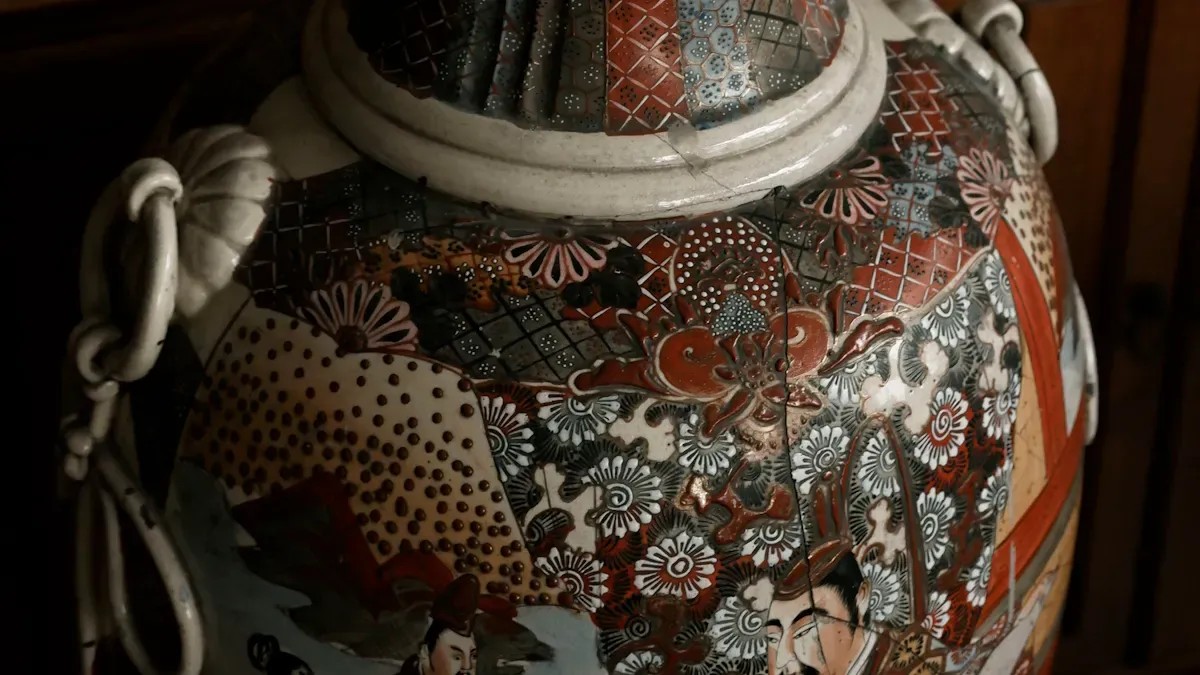
Jingdezhen became famous for porcelain a long time ago. The story began over a thousand years back. People started making pottery during the Five Dynasties period. By the Song dynasty, Jingdezhen was already known for porcelain. The city had good resources like porcelain stone and kaolin. These helped make lots of ceramics.
Jingdezhen started making porcelain in the Five Dynasties period (907-960 CE).
The Song dynasty (960-1279 CE) brought big changes to porcelain wares.
In 1369, the Ming dynasty set up official kilns in Jingdezhen.
Jingdezhen’s history shows how it became the porcelain capital. Its early start and natural resources helped it grow.
Imperial Patronage and Global Fame
China’s emperors helped Jingdezhen become famous. The Song dynasty began royal support with special kilns. This made Jingdezhen a center for fine porcelain. The Ming dynasty made new multi-colored styles. The Qing dynasty added new enamel techniques for the court.
Jingdezhen’s fame grew with each dynasty. Blue-white porcelain became a sign of elegance. The Ming and Qing dynasties were a golden age. Blue-white porcelain changed with the court and society. The Qianlong era was important. The Tao Ye Tu showed how porcelain was made in twenty steps, from clay to firing and packing.
Milestone | Description |
|---|---|
Qianlong Era | Emperor Qianlong ordered the Tao Ye Tu, showing all porcelain steps. |
Mining and Preparing Clay | Workers got stone and made clay for porcelain. |
Ash Preparation & Glazing | Craftsmen mixed glazes for Jingdezhen’s special look. |
Collecting Cobalt Blue | Artisans found pigment for blue-white porcelain. |
Shaping and Decorating | Potters shaped and painted each piece by hand. |
Firing and Packaging | Kilns fired the wares, then workers packed them for shipping. |
Jingdezhen was near the Chang River, so shipping was easy. The city made lots of porcelain and had skilled workers. Trade routes grew, and Jingdezhen porcelain went to Europe, the Middle East, and Africa. Shows at places like the Royal Academy brought Chinese ceramics to new people. The Oriental Ceramic Society helped share Jingdezhen’s art with the world.
Challenges and Decline
Jingdezhen’s story is not just about rising. The city faced many problems as times changed. Other places like Chaozhou became strong competitors. Chaozhou built a full industry and sold good products at low prices. This took a big part of the market.
Jingdezhen also lost factories and jobs. The local economy got worse. The rise and fall of Jingdezhen matched changes in China’s economy and world demand. New technology made some old skills disappear. Other cities started leading in ceramics, and Jingdezhen made less.
Chaozhou became one of China’s biggest ceramic areas, passing Jingdezhen in size and value.
Chaozhou’s industry had a strong supply chain, making it more competitive.
Cheap and good products from Chaozhou got a bigger market share.
Jingdezhen had to change or be left behind. Its history has ups and downs, but it did not end with decline. The rise and fall of Jingdezhen porcelain shows how tradition and new ideas can shape a city’s future. Today, cultural tourism and new interest in Chinese porcelain are helping Jingdezhen become the porcelain capital again.
Extraordinary Story of Jingdezhen’s Revival
Reinvention and Modern Adaptation
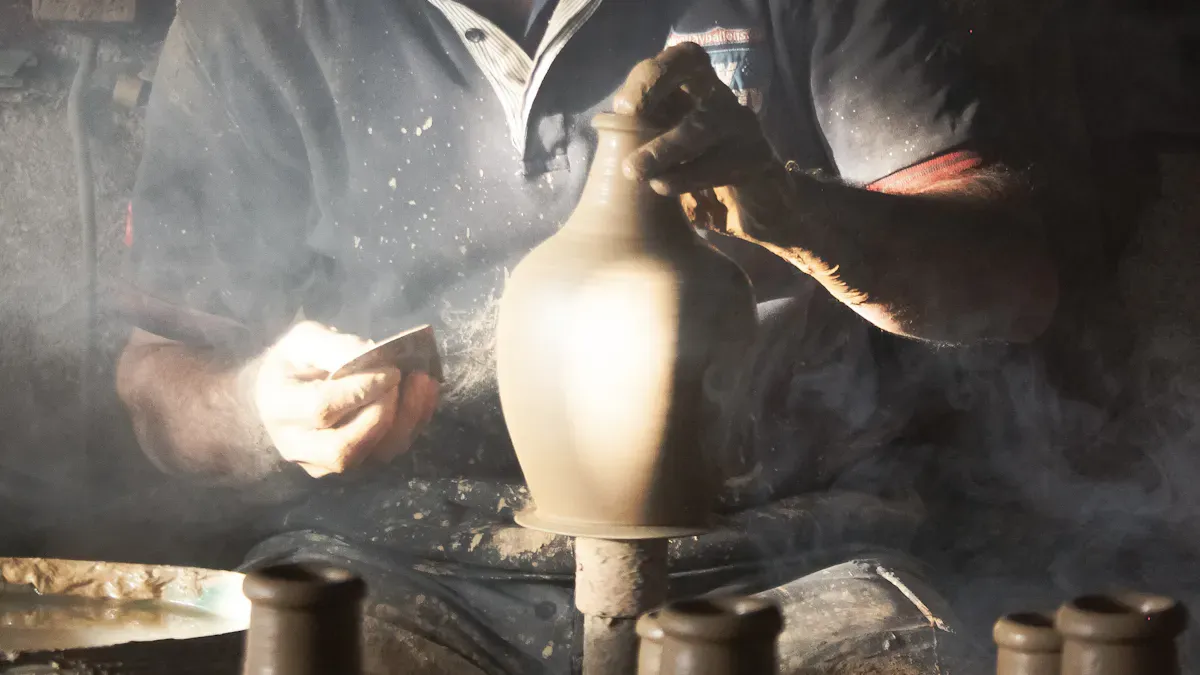
You can see the extraordinary story of jingdezhen in the way the city has bounced back. Jingdezhen did not just wait for change. People here took action. They started to rethink how they made porcelain. Factories once controlled by the state gave workers more job security and better pay. This helped many families. At the same time, these changes made it harder for small workshops to survive. Some old skills faded, but new ideas grew.
You might notice how jingdezhen now mixes tradition with fresh thinking. Artists use old methods, but they also try new designs. Some even use recycled porcelain to make art. YI Design, for example, turns factory waste into beautiful objects. This shows how jingdezhen cares about both the past and the future. You can find shops and studios all over the city. They offer ceramics that blend history with modern style.
Here are some ways jingdezhen has changed:
Artists use both hand-painting and digital tools.
Studios create new glazes and shapes.
Makers turn old porcelain into new art.
Workshops teach young people about traditional skills.
You see regeneration everywhere. Jingdezhen’s market now attracts people from all over china and the world. The city’s story is not just about survival. It is about finding new life through innovation and regeneration.
Role of clayesouk and Artisan Brands
You might wonder how brands help jingdezhen stay strong. Artisan brands like clayesouk play a big part. clayesouk works to keep the art of hand-painting alive. The brand gives skilled artists a place to show their talent. Each piece aims to last and bring beauty to your daily life.
clayesouk does not stop at tradition. The brand also looks for new ways to make porcelain. Artists at clayesouk mix old skills with modern ideas. They use careful steps to make sure every cup or mug feels special. You can see the warmth of human touch in each piece. This mix of old and new helps jingdezhen stand out in china and beyond.
Other artisan brands also help jingdezhen grow. They work with local craftsmen to keep old techniques alive. Sometimes, brands from other countries join in. They bring new ideas and styles. This teamwork helps everyone learn and create. You get ceramics that show both history and fresh design.
When you buy from brands like clayesouk, you support more than just a product. You help keep jingdezhen’s story going. You join a global community that values art, tradition, and innovation.
Artisan brands make jingdezhen famous again. They share the city’s porcelain with the world. You can find their work in homes, shops, and galleries from china to Europe and America. This is how jingdezhen’s extraordinary story keeps growing.
Porcelain Innovation in Contemporary China
New Technologies and Global Markets
Jingdezhen is changing to keep up with new times. Makers now use new technology to shape porcelain’s future. You might see 3D printers next to old kilns. These machines help artists make designs that were once too hard. Automation and digital tools make work faster and keep quality good. Many workshops use computers to track every step, from mixing clay to firing. This digital change also helps the industry be greener, which is important for the environment.
Jingdezhen’s porcelain goes to many places around the world. In China, more people want fancy items as cities grow. In Europe and North America, buyers like classic white bone china and hand-painted pieces from old brands. People in Latin America and the Middle East want high-quality porcelain from other countries. Each place likes different things, so makers must change their designs and how they work.
Here is a quick look at how old and new ways work together:
Traditional Techniques | Modern Techniques |
|---|---|
Celadon with jade-like finish | 3D printing for detailed designs |
Blue-and-white porcelain with cobalt blue motifs | Laser etching for photo-like patterns |
Eggshell porcelain known for its thin quality | Decal application for special textures |
Tradition Meets Modern Aesthetics
You may wonder how Jingdezhen keeps its old ways but still moves forward. Artists mix tradition with new ideas to do this. Many studios, like clayesouk, focus on handmade work but also try new shapes and glazes. You see cups and mugs that look old but fit in modern kitchens.
People today want more than just a nice cup. They want products made in ways that help the planet. Custom pieces are popular too. You can pick your favorite color, shape, or ask for a special design. Technology makes it easier to make unique pieces for everyone.
Green and eco-friendly ways attract people who care about nature.
Custom designs let you show your own style.
New technology makes porcelain stronger and nicer.
Jingdezhen’s story shows how old and new ideas can work together. The city’s porcelain industry is a good example of mixing history with the future.
You can see how jingdezhen changed problems into new chances. Artists use old skills and new ideas together. This makes the city’s story even stronger. Experts say this mix is special because it keeps tradition but also tries new things. More people are joining in and sharing their art. Some people think jingdezhen will do well in the future. They believe luxury markets will grow. Smart kilns and green products will be more important. Jingdezhen’s story gives hope to people everywhere.
Jingdezhen porcelain mixes old ways and new ideas.
The story grows as more people join and make art.
New tools and green choices help shape what comes next.
FAQ
What makes Jingdezhen porcelain special?
Jingdezhen porcelain has a long history. Skilled artisans make each piece by hand. They use old ways and new ideas. Every item looks like art.
How do brands like clayesouk support Jingdezhen’s revival?
Brands such as clayesouk help keep old skills strong. They mix tradition with new styles. Buying handmade ceramics helps local artists.
Can you visit Jingdezhen to see porcelain making?
Yes, you can visit Jingdezhen. Many studios let people come in. You can watch artists make porcelain. You learn about the city’s culture and history.
Is Jingdezhen porcelain popular worldwide?
Region | Popularity |
|---|---|
Europe | High |
North America | High |
Asia | Very High |
Middle East | Growing |
Jingdezhen porcelain is found in homes and shops everywhere. You see it in galleries all around the world.
