


You want to bring handmade ceramics from China to your business and do well. China makes about 70% of the world’s daily ceramics. This makes China the biggest exporter. The porcelain market around the world was worth USD 1.78 billion in 2023. It will keep growing each year. When you bring in handmade ceramics, you must pick good manufacturers. You also need to know the rules for importing ceramic tableware. Quality is important when you buy daily ceramics. You should trust brands that have been around for a long time. clayesouk uses Jingdezhen heritage and skilled work in every ceramic piece. When you import handmade ceramics, you get art and tradition that make your collection better.
China’s ceramic dinnerware market was RMB 12 billion in 2020.
The market should grow to RMB 15 billion in 2025.
China makes the most daily ceramics in the world.
Key Takeaways
Pick trustworthy ceramic manufacturers by looking at how much they can make and how they check quality. This helps you get good products when you need them.
Always ask for samples before you buy a lot. Testing samples lets you find problems and makes sure the ceramics are good enough.
Learn about import rules and safety standards for ceramics. This keeps your business and customers safe from legal trouble.
Use safe ways to pay, like Wise Business, to keep your money safe. This helps you trust suppliers and protects your money.
Go to trade shows and visit manufacturers in Jingdezhen. This helps you make friends and learn how ceramics are made.
Choosing Ceramic Manufacturers in China
Researching Reliable Suppliers
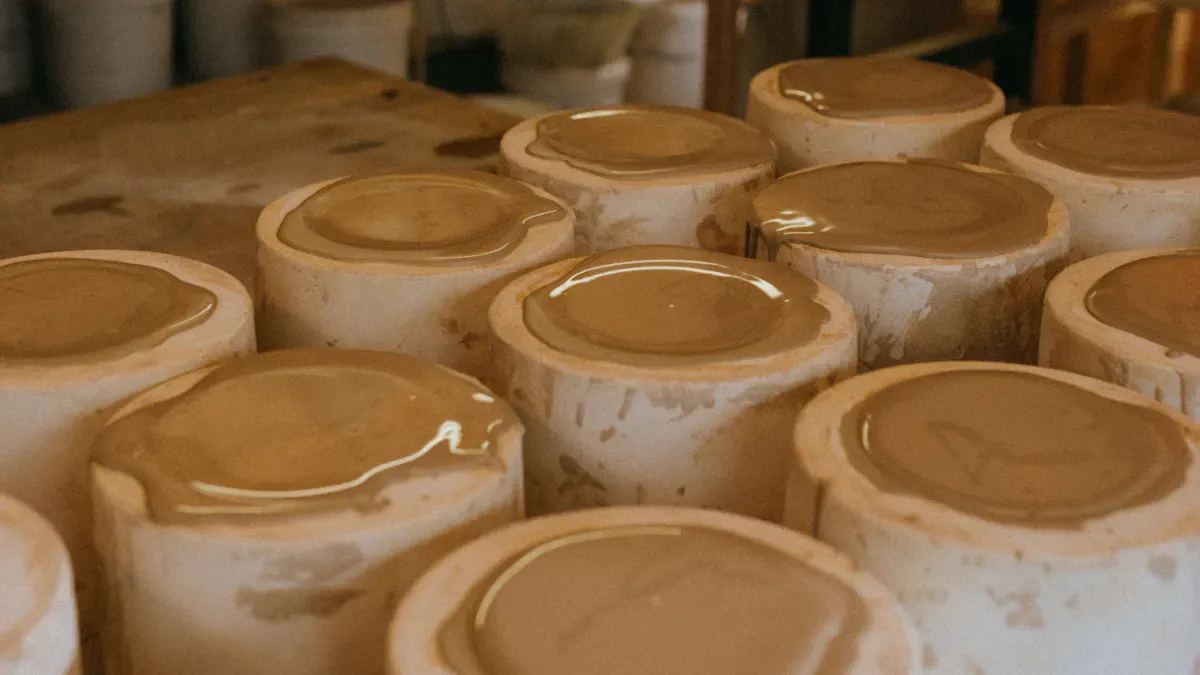
You want to pick the best ceramic makers in China. First, check if they can make enough products for big orders. Good manufacturers can work fast even when it is busy. Make sure they have a team that checks quality. This team should look at every piece. Ask if they can design new ceramics for you. A skilled team can make special items just for your needs. Service is important too. You need quick replies, on-time delivery, and help after you buy. Always ask for samples before you order a lot. Test these samples to see if they are good enough.
Here is a table that lists the main things to look for when picking ceramic manufacturers in China:
Criteria | Description |
|---|---|
Production Capacity | Check how much they can make each month and year. See if they can handle busy times. |
Quality Control | Make sure they have a strong inspection system and a team that checks quality. |
Design and R&D Capabilities | See if they have their own design team and can make custom designs. |
Service Capabilities | Look at how fast they answer, if they deliver on time, and if they help after sales. |
Sample Testing | Ask for samples and test them to check quality before you order more. |
Watch out for warning signs when you check suppliers. Some do not care about water absorption rate. If it is high, the ceramics can crack or get moldy. Some do not fire ceramics at the right temperature. Low-fired ceramics break easily. Bad glaze or surface problems can make the ceramics unsafe to use. These problems mean the ceramics are not good for daily use.
Not checking water absorption rate can cause cracks and mold.
Not knowing the right firing temperature can make ceramics break.
Bad glaze or surface problems can cause hygiene issues.
Evaluating clayesouk’s Craftsmanship
You want a brand that cares about tradition and quality. clayesouk is different from other ceramic makers in China. The brand comes from Jingdezhen, a city known for porcelain. clayesouk’s workers use skills passed down for over 1,700 years. Each piece shows careful work and the heat of the kiln. You can see their hard work in every cup. The brand lets you choose your own patterns, glazes, shapes, and sizes. clayesouk’s team helps you design ceramics for your business. They also help you after you buy. You get tips on how to care for your ceramics and help if there are problems. Many hotels and tea shops trust clayesouk for their special handmade story and culture.
Tip: When you check craftsmanship, look for brands with awards and high standards. clayesouk’s ceramics have been given as national gifts, which shows they are valuable.
Visiting Jingdezhen and Trade Shows
You can learn more by going to Jingdezhen and trade shows. At these events, you meet artisans and see their work up close. You can visit factories and check how much they can make. You see how they keep quality high and manage delivery times. Trade shows let you tour markets. You get help with deals and shipping. You can buy ceramics straight from the makers.
Here is a table that lists the main benefits of going to ceramic trade shows in Jingdezhen:
Advantage | Description |
|---|---|
Access to Artisans | Visit studios and workshops to check quality and order custom pieces. |
Factory Inspections | Go to factories to see how much they can make and how they check quality. |
Purchasing & Market Tours | Get help in big markets with deals and shipping. |
You feel sure about your choices when you see the process and meet the makers. You build good relationships with the manufacturers. You can make better choices when you import ceramics from China.
Ensuring Quality When Importing Handmade Ceramics
Setting Quality Standards
You need clear rules when you import ceramics from China. These rules help you stop problems like small cracks and bent shapes. Uneven surfaces can also be a problem. Many buyers see issues like wrong sizes and weak glaze. Sometimes, ceramics soak up too much water. These problems make ceramics less safe and strong. You should check safety rules for ceramic tableware before you buy. US FDA and LFGB are important standards for food safety. They make sure your ceramics are safe to use with food. Here is a table that shows important safety standards for ceramic tableware:
Standard | Description |
|---|---|
US FDA | Makes sure ceramic dinnerware is safe for food in the USA. |
LFGB | Checks food safety for ceramics in the EU, especially Germany. |
You must set rules for quality and check tests and certificates. This step keeps your business and customers safe.
Requesting Samples and Inspections
You should always ask for samples before you import ceramics from China. Samples help you check if the items are safe and good. You can find problems like cracks or bad glaze. Sometimes, colors do not match. Third-party inspections help you spot issues early. These checks stop bad shipments and save money. Here is a table that shows why third-party inspections are helpful:
Benefit | Description |
|---|---|
Finding problems early stops big rejections and protects your name. | |
Better Efficiency | Less delay means your project finishes faster. |
Cost Control | Stopping bad shipments saves money on fixing and replacing. |
Reputation Protection | Good quality makes your brand look better. |
Trust and Transparency | Independent checks build trust with buyers and sellers. |
You build trust and keep your quality high with inspections.
Customization and After-Sales Support by clayesouk
clayesouk lets you pick your own designs for ceramics. You can choose patterns, glazes, shapes, and sizes. The brand helps you follow safety rules for ceramic tableware. They make sure your quality stays strong. After you buy, clayesouk helps you take care of your ceramics. They fix any quality problems. You get advice on safety and standards for ceramic goods. This support makes importing ceramics from China easier and safer. You can count on clayesouk for good quality and reliable products.
Import Regulations for Ceramic Tableware
Required Certifications and FDA Compliance
You have to follow strict rules when you bring ceramic tableware from China. These rules keep your customers safe and help your business. The United States and the European Union have clear rules for ceramics. You must check certifications before shipping.
Here is a table that shows the main certifications and rules for importing ceramic tableware:
Requirement | Details |
|---|---|
U.S. Customs and Border Protection (CBP) Regulations | You must follow CBP rules. These include tariffs, duties, and product labels. |
FDA Compliance | Ceramic tableware for food must meet FDA rules. You need lead and cadmium tests. |
EU Food Safety Standards | You must follow LFGB and EU rules. These check heavy metal limits and food safety. |
You need to test for lead. You must check for heavy metals. These tests help you meet food safety rules. You must get certificates from trusted labs. This protects your customers from unsafe ceramics.
Tip: Always ask your supplier in China for certificates that show lead tests and food safety rules. This keeps your products safe and legal.
Essential Import Documents
You need the right papers when you import ceramic tableware. These papers help you clear customs and stop delays. You must collect documents before shipping ceramics from China.
Here is a list of important papers for importing ceramic tableware:
Commercial Invoice
Packing List
Bill of Lading or Air Waybill
Certificate of Origin
Test Reports for Lead and Cadmium
Import Licenses (if needed)
Product Certifications
You must check each paper for mistakes. Customs officers look at these papers to make sure your ceramics follow rules. You avoid problems by preparing papers early.
Note: You can ask your supplier or customs broker for help with paperwork. This makes importing easier.
Staying Updated on Regulations
You must stay informed about changes in import rules for ceramic tableware. Rules can change fast. You need to check updates from customs and food safety groups. You protect your business by learning about new certificates and tests.
You can follow these steps to stay updated:
Subscribe to newsletters from customs groups.
Join trade groups for ceramics and importing.
Check official websites for new rules.
Ask your supplier in China about changes.
You keep your business safe by following new rules. You avoid fines and delays. You build trust with your customers by selling safe ceramics.
Callout: Staying updated helps you avoid mistakes when importing ceramic tableware. You can ask clayesouk for advice on new rules and certificates.
You must follow all rules for importing ceramic tableware from China. You need certificates, papers, and knowledge of food safety rules. You protect your business and your customers by following every step.
Negotiating Orders and Payment Terms
Minimum Order Quantities (MOQs)
You should learn about minimum order quantities before you buy ceramics from China. Most suppliers have MOQs to help them work better. For private labeling, you often need to order 500 to 3,000 pieces. Always ask about the MOQ before you order. If you want special shapes or designs, the MOQ might be higher. MOQs can change your costs and how fast you get your order. If you plan to buy more later, you can try to get a lower MOQ. Some suppliers let you order fewer pieces for samples.
Tip: Make sure the MOQ matches what your business needs before you import ceramic tableware.
Customization and Private Labeling
You can make your ceramics stand out with custom designs and private labeling. Custom designs let you pick the patterns, glazes, shapes, and sizes you want. Private labeling puts your brand name on each item. These choices can change the price and how long it takes to finish your order. If your design is hard to make or you use special materials, the cost will go up. Making new molds for special shapes costs $200–$500 for each one. Printing setup costs are about $30–$80 for each design. If you want special packaging, like boxes for each piece, it adds about $0.10 per item. It usually takes 45 to 90 days to make custom ceramics. You also pay for quality checks and making sure the ceramics are safe.
Raw material costs (clay, glaze)
Printing setup costs
Labor and firing energy
Packaging costs
Shipping and customs fees
How much you pay depends on the materials, how hard the design is, and how many you order. Customization helps your business look different but needs good planning.
Secure Payment Methods
You need to use safe ways to pay when you buy ceramics from China. Wise Business is a trusted way to pay Chinese suppliers. It lets you use different currencies and send money quickly. Wise costs less than PayPal and keeps your payments safe. You can see where your money goes and plan your spending. Other ways to pay include bank transfers and letters of credit. Always check payment details with your supplier before you send money.
Payment Method | Features | Safety Level |
|---|---|---|
Wise Business | Fast, multi-currency, cost-saving | High |
Bank Transfer | Direct, widely used | High |
Letter of Credit | Secure, protects both parties | High |
Note: Using safe payment methods keeps your business safe and helps you trust your suppliers.
Shipping and Logistics for Importing Ceramic Tableware
Choosing Shipping Methods (FOB, Air, Sea)
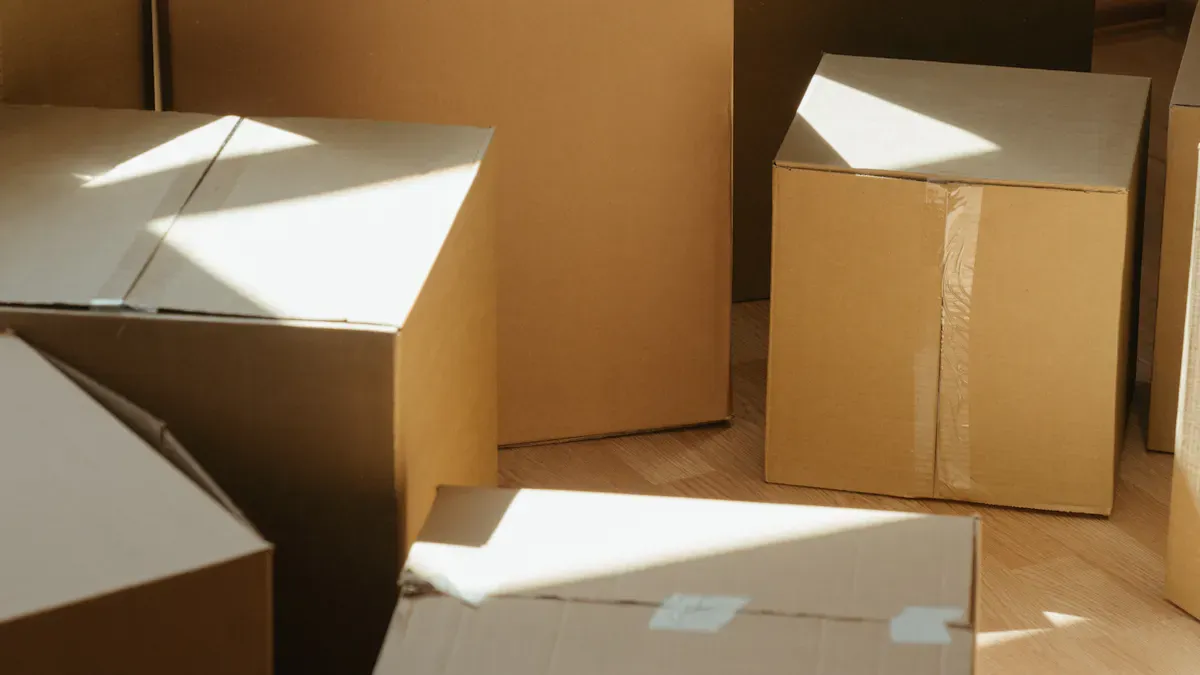
You have to choose how to ship ceramics from China. Each shipping way has good points. Air freight is fast and works for small shipments. It takes about 5 to 9 days to arrive. You pay by weight, so small orders may cost less than sea freight. Sea freight is better for big shipments. It can move a lot of ceramics at once. The cost per item is lower if you ship more. LCL costs more per cubic meter than FCL. Sea freight takes longer, but you save money with large orders. FOB means your supplier is in charge until the goods reach the port. After that, you are responsible for the shipment. When you import ceramic tableware, you should compare speed, price, and how much you ship.
Air freight: Fast, good for small orders, pay by weight.
Sea freight: Best for big shipments, cheaper per item, takes longer.
FOB: Supplier handles goods to port, you take over after.
Packaging and Insurance
Ceramics can break easily. You need strong packaging and insurance when you ship ceramics to other countries. Good packaging keeps your items safe from bumps, water, and rough handling. Insurance helps if something gets lost or broken. You need both to protect your business. The table below shows how packaging helps stop damage:
Packaging Component | Purpose in Damage Reduction | Examples of Materials/Methods |
|---|---|---|
Cushioning | Soaks up shocks and keeps ceramics safe | Polyethylene foam, molded pulp, air cushions |
Containment | Stops things from moving inside the box | Corrugated partitions, custom inserts, snug-fit boxes |
External Protection | Guards against holes and crushing | Double-wall corrugated boxes, edge boards, skids |
Moisture Control | Stops water damage | Desiccants, sealed plastic liners |
Marking & Labeling | Tells people to handle with care | Fragile labels, handling instructions, tracking barcodes/QR codes |
Good packaging can lower damage by more than half. Insurance gives you money back if things break. You must follow packaging rules to keep your insurance working.
Tracking and Receiving Shipments
You need to watch your ceramics as they travel. Tracking tools show where your shipment is at any time. You get updates and can plan for when it arrives. When your shipment comes, check the boxes for damage. Count the items and make sure they match your order. If you find problems, tell your supplier or insurance company right away. Tracking and checking help you avoid losing money and keep your imports running smoothly.
Tip: Always use tracking numbers and keep records of your shipments. This helps you fix problems fast and keeps your business working well.
Customs Clearance and Duties When Importing
Calculating Tariffs and Taxes
You need to know about tariffs and taxes before importing ceramics from China. Customs declaration and import duties can change how much you pay. The European Union will charge a 79% duty on ceramic tableware from China starting February 2026. Before this, EU tariffs were between 13% and 36%. In the United States, u.s. customs and border protection uses tariff classifications for porcelain tableware to set the duty rate. You must find the right HS code for your ceramics. Knowing tariff classifications helps you avoid mistakes and extra fees. Always check customs rules for ceramics in your country.
EU duty: 79% from February 2026
U.S. tariffs: Based on HS code and product type
Tip: You can ask your supplier to help with tariff classifications for porcelain tableware. This makes customs declaration easier.
Working with Customs Brokers
You can use licensed customs brokers to help with customs clearance. Brokers know customs rules for ceramics and help with u.s. customs and border protection paperwork. They make sure you use the right tariff classifications for porcelain tableware. Brokers prepare and file all documents, like certificates of origin and safety certifications. They handle rules and give advice on tricky regulations. Brokers fix problems during import and stop delays.
Correct classification and valuation of ceramic imports
Managing customs regulations for ceramics
Advice on import/export rules
Resolving problems quickly
Callout: Using a customs broker makes customs rules easier. You save time and avoid expensive mistakes.
Avoiding Delays and Issues
You must stop common customs delays when importing ceramics. Customs rules for ceramics need correct material declaration. You must use the right HS code and give food-contact safety test reports. Packaging and labels must follow local rules, like Japanese regulations. Do not ignore inspection needs from METI and customs.
Incorrect material declaration (ceramic vs. plastic vs. metal vs. silicone)
HS code errors (6911, 6912, 7323, 3924)
Missing food-contact safety test reports
Packaging or labels not matching local rules
Ignoring inspection requirements
Note: You can ask clayesouk for help with customs declaration and import duties. Their experience with china ceramics helps you avoid problems.
Overcoming Common Importing Challenges
Communication and Cultural Barriers
When you import ceramics from China, you may have trouble talking to suppliers. Sometimes, people misunderstand each other because of different cultures. Suppliers may not admit mistakes because they want to save ‘face.’ Sales reps might not know all the technical details. This makes it hard to get the right information about products. You can fix these problems by using clear steps:
Set up regular meetings to talk about how production is going.
Write down all talks and agreements so you remember everything.
Tip: Use simple words and keep your messages clear. Written notes help you avoid confusion and protect your business.
Managing Delays and Quality Issues
Delays and quality problems can happen with ceramic orders. You need to plan ahead and use good quality checks. The table below shows ways to handle these problems:
Strategy | Description |
|---|---|
Pick suppliers who have a good history and know U.S. customers. | |
Check raw materials and inspect during production to find defects early. | |
Logistics Planning | Plan for slowdowns during Chinese holidays to avoid delays. |
Pre-shipment Inspections | |
Early Testing | Test early to stop expensive fixes and clear customs easily. |
You can lower risks by checking quality at every step. Early tests and inspections help you find problems before shipping.
Protecting Against Scams
Scams can happen when you import ceramic tableware from China. You need to be careful and use safe steps:
If someone asks for payment details early, check changes using another way to talk.
Do not use Western Union or cryptocurrency because they do not protect buyers.
Only send money to company accounts, not personal ones.
Get all prices in writing before paying, and use a purchase order or Alibaba Trade Assurance.
Order several samples to check for consistency and hire an inspection company for big orders.
Give clear details for products, like materials and sizes.
Callout: Keep your business safe by using secure payment methods and getting everything in writing. Checking samples and using third-party inspections helps you avoid expensive mistakes.
You can beat common problems by staying organized, talking clearly, and using safe steps. These actions help you do well when importing ceramics from China.
You can bring handmade ceramics from China if you follow these steps: First, make clear rules for quality and check samples with your supplier. Next, use outside inspectors and look for needed certificates. Keep learning about new rules by reading updates from the government. Begin with small test orders and go to trade shows. Make good connections with trusted brands like clayesouk. You keep your business safe by learning new things and picking partners you can trust.
FAQ
How do you check the quality of handmade ceramics before importing?
You ask the supplier for samples. You look for cracks and smooth glaze. You check if the size is right. You can hire a third-party inspection company. They check the products before shipping.
What documents do you need to import ceramic tableware?
You need a commercial invoice and packing list. You also need a bill of lading and certificate of origin. Safety test reports are important too. You check each document for mistakes. This helps you avoid customs delays.
Can you customize ceramic designs with clayesouk?
Yes, you can pick patterns, glazes, shapes, and sizes. clayesouk helps you make special designs for your business. Their team gives you support during the process.
What is the best way to pay Chinese ceramic suppliers?
You use safe payment methods like Wise Business. Bank transfer and letter of credit are good options. These ways protect your money and help you track payments.
How do you avoid scams when importing ceramics from China?
You always pay to company accounts, not personal ones. You ask for written quotes and use purchase orders. You order samples and hire inspection companies for big orders.
