


You can learn the Chinese Gongfu tea ceremony easily. You will enjoy each step. This tea ceremony helps you slow down. It lets you connect with Chinese tea culture. When you use handmade teaware from clayesouk, you feel the beauty of the tea ritual. You also feel the warmth of tradition. Here is how good teaware makes your experience better:
Feature | Description |
|---|---|
Ergonomic Design | Easy to hold. It makes drinking tea simple and fun. |
Optimal Heat Management | Keeps tea tasting great. It controls heat for perfect brewing. |
Adds charm and meaning. It makes the ceremony feel special and connects you to tea culture. |
Try gongfu tea and find happiness in every cup of Chinese tea.
Key Takeaways
The Chinese Gongfu tea ceremony is a calm practice. It helps you slow down and connect with tea culture.
Begin your journey with easy steps. Use a timer to manage steep times. Be careful when handling hot vessels. Change the amount of tea leaves as you learn.
Use good handmade teaware from clayesouk. This will make your tea experience better. You can enjoy the beauty of the ritual.
Practice often to get better at your skills. Enjoy the special flavors in each tea infusion.
Join tea groups to learn and share experiences. This helps you connect with other tea lovers.
Can Beginners Master Chinese Gongfu Tea?
Simple Steps to Start
You can master the Chinese gongfu tea ceremony, even if you are just starting out. The process feels simple when you break it down. Here are some common challenges beginners face and how you can overcome them:
Managing steep times can be tricky. You might forget how long to brew the tea. Try using a timer or count your breaths. This helps you stay consistent and improves your skills.
Handling hot vessels is another challenge. The gaiwan gets very hot. Hold it by the rim and saucer, not the bowl. Practice with cooler water if you feel nervous about the heat.
Figuring out the right amount of tea leaves can confuse you. Start by filling one-third of the gaiwan with dry leaves. Adjust the amount as you learn what tastes best.
You do not need to rush. Take your time and enjoy each step. The Chinese tea ceremony becomes easier with practice. You will notice your confidence growing as you repeat the process.
Why Try the Tea Ceremony
You might wonder why so many people love the tea ceremony. Practicing Chinese gongfu tea brings many benefits. It helps you slow down and focus on the present. The ceremony turns tea preparation into a meditative ritual. You listen, watch, smell, and taste the tea. This makes you appreciate Chinese tea in a new way.
The slow process of gong fu cha relaxes your body. It signals safety to your nervous system and eases tension. You feel calm and grounded. The ceremony helps you disconnect from digital distractions. You reconnect with yourself and find balance. Gongfu cha can anchor you during stressful times. You can practice alone or share the experience with friends. The ritual promotes mindfulness and builds social connections.
If you want to feel more relaxed and present, try the Chinese gongfu tea ceremony. You will discover a deeper connection to tea and to yourself.
What Is the Traditional Gongfu Tea Ceremony?
History and Meaning
You may wonder where the gongfu tea ceremony began. It started hundreds of years ago. The Song and Yuan dynasties saw its first steps. Merchants and travelers spread it on the Tea Horse Road. Later, the Ming and Qing dynasties made it more popular. People in Chaoshan and Fujian enjoyed their local teas. They wanted to taste the best flavors. The gongfu tea ceremony helped them do this.
The ceremony became a social gathering. Merchants used it to welcome guests and show respect. Scholars and writers made it an art form. They wrote about each step’s beauty and meaning. The ceremony became part of weddings and festivals. It helped people feel close to their community.
The gongfu tea ceremony is not just about making tea. You use skill, patience, and care. You focus on the meaning behind each movement. It lets you enjoy tea with your mind and body, not only your taste buds.
Rituals and Key Features
You will see that the gongfu tea ceremony has special steps. These steps honor tradition and the art of tea. Here are some main features:
You pick tea leaves carefully.
You control water temperature for each brew.
You watch how long you steep the tea.
You use handmade teaware to respect craftsmanship.
You pour tea for others to show kindness.
The ceremony creates a calm space. You can relax and enjoy the time. Sharing tea helps you make stronger friendships. You talk, laugh, and connect with others.
Here is how the gongfu tea ceremony compares to other tea ceremonies:
Aspect | Gongfu Tea Ceremony | Other Traditional Tea Ceremonies |
|---|---|---|
High – needs skillful control | Lower – often simpler methods | |
Accessibility | Less accessible for beginners | More accessible for beginners |
The gongfu tea ceremony is special because it values skill and mindfulness. You learn to notice every detail. You find happiness in the process, not just the result. This is why the chinese tea ceremony is loved by many tea fans.
Essential Teaware for Gongfu by clayesouk
Basic Equipment List
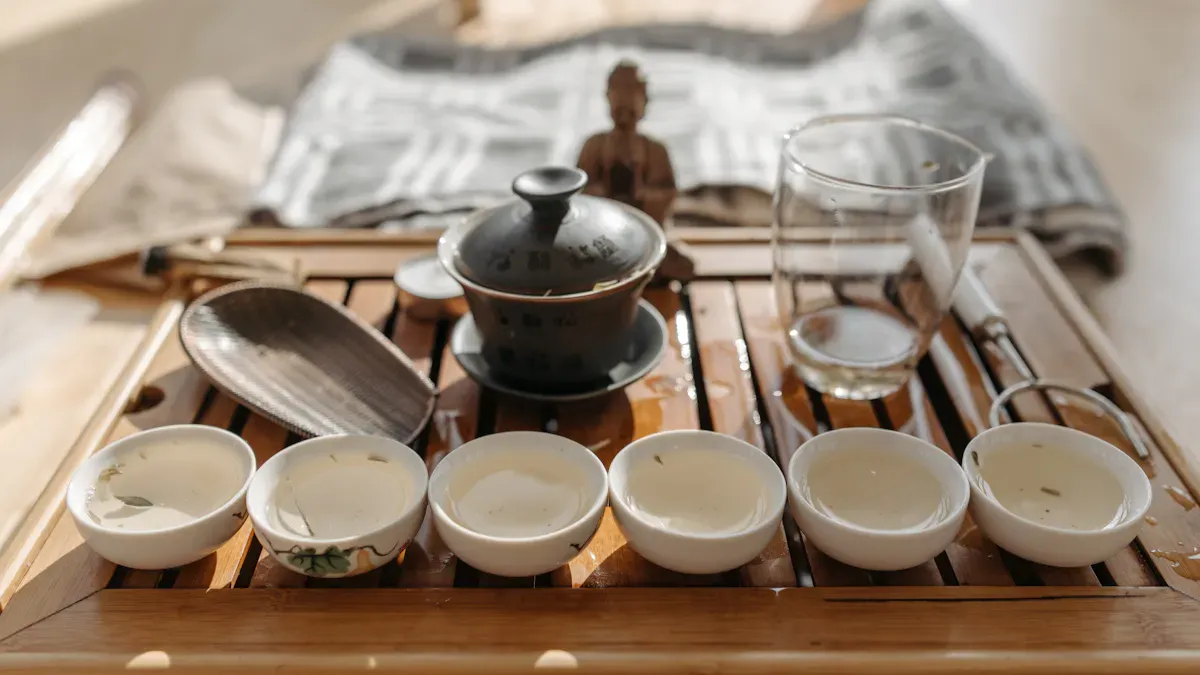
You need the right tools to enjoy the gongfu tea ceremony. Each piece helps you brew, serve, and savor tea. Here’s what you’ll use on your chaban:
Tea leaves: The heart of every chinese tea session.
Teapot or gaiwan: Perfect for brewing small amounts. You can choose what fits your style.
Kettle: Heats water to the right temperature.
Pitcher: Holds tea before you pour it into cups.
Tea-scoop: Measures leaves for each brew.
Tongs: Keep your cups clean and safe.
Strainer: Makes sure your tea stays clear.
Teacups: Small cups let you taste every sip.
Chaban: Your preparation surface. It keeps your space tidy and collects spills.
You place everything on your chaban. It’s more than a tray. It’s your workspace for chaozhou gongfu cha and other tea rituals.
Choosing Quality Teaware
You want teaware that feels good in your hands and brings out the best in your tea. Handmade ceramics from clayesouk make a big difference. Jingdezhen ceramics have thin walls and smooth rims. They show the true color and aroma of your tea. The balance and comfort help you enjoy each infusion. When you use a chaban with these cups, you notice how easy it is to pour and serve. The artistry of Jingdezhen makes your tea moments special.
Tip: Try different shapes and sizes on your chaban. You’ll find what fits your style and makes your tea taste better.
The Art of Handmade Ceramics
Handmade teaware gives you a warmer experience. Artisans shape each cup and teapot with care. You feel the history and skill in every piece. Mass-produced cups can feel cold and generic. Handmade ceramics from clayesouk offer a smooth pour and a clean finish. Your chaban becomes a stage for art and tradition. You see the glow of kiln fires and the touch of skilled hands. Each cup is a piece of art, not just a tool.
When you use clayesouk teaware on your chaban, you bring beauty and tradition to your tea ceremony. You create a space for mindfulness and joy.
Step-by-Step Chinese Tea Ceremony Guide
Preparation and Setup
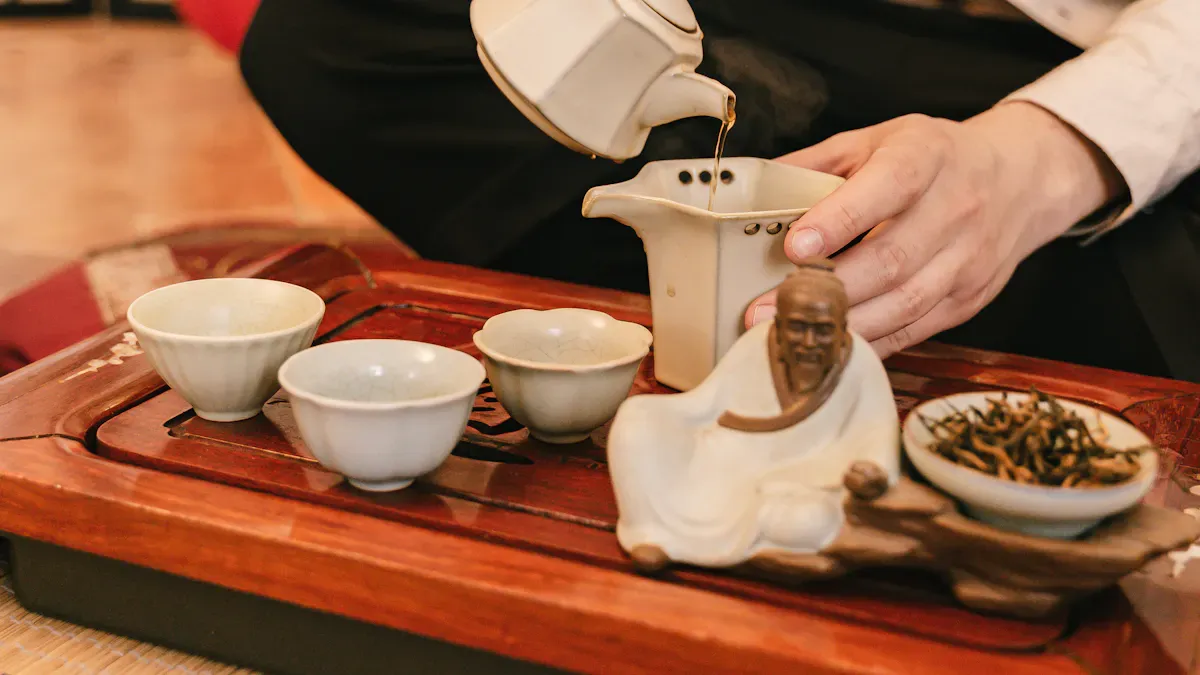
Getting ready for a chinese gongfu tea session feels special. You start by washing your hands. This simple act shows respect for the tea and your guests. Next, you might burn incense. The gentle scent helps you relax and sets a peaceful mood for tea making.
Now, gather your teaware. Place your teapot, gaiwan, cups, pitcher, and chaban on the table. Make sure everything looks neat. Pour hot water into your teapot or gaiwan to heat it up. This step gets your teaware ready for brewing. When you add tea leaves, fill the teapot about four-fifths full if you use oolong or pu-erh. For other teas, use less. Pour boiling water over the leaves to moisten and wash them. This wakes up the leaves and gets rid of any dust. You are now ready for the first brew.
Tip: A tidy space and calm mind make tea brewing more enjoyable.
Warming and Rinsing
Warming and rinsing your teaware is more than just cleaning. You create a pure space for tea making. This step helps you focus on the present moment. You let go of worries and distractions. Warm cups and teapots also help keep the tea at the right temperature during brewing.
Warming and rinsing teaware is a purification ritual.
You honor the present moment and invite mindfulness.
This practice makes the tea taste better and the ceremony feel special.
Take your time with this step. You will notice how it changes the mood of your tea session.
Brewing and Serving
Now comes the heart of the ceremony—brewing gongfu tea. You control the water temperature and brew times for each tea type. This is where the traditional 21-step gongfu brewing method shines. Each brew brings out new flavors and aromas.
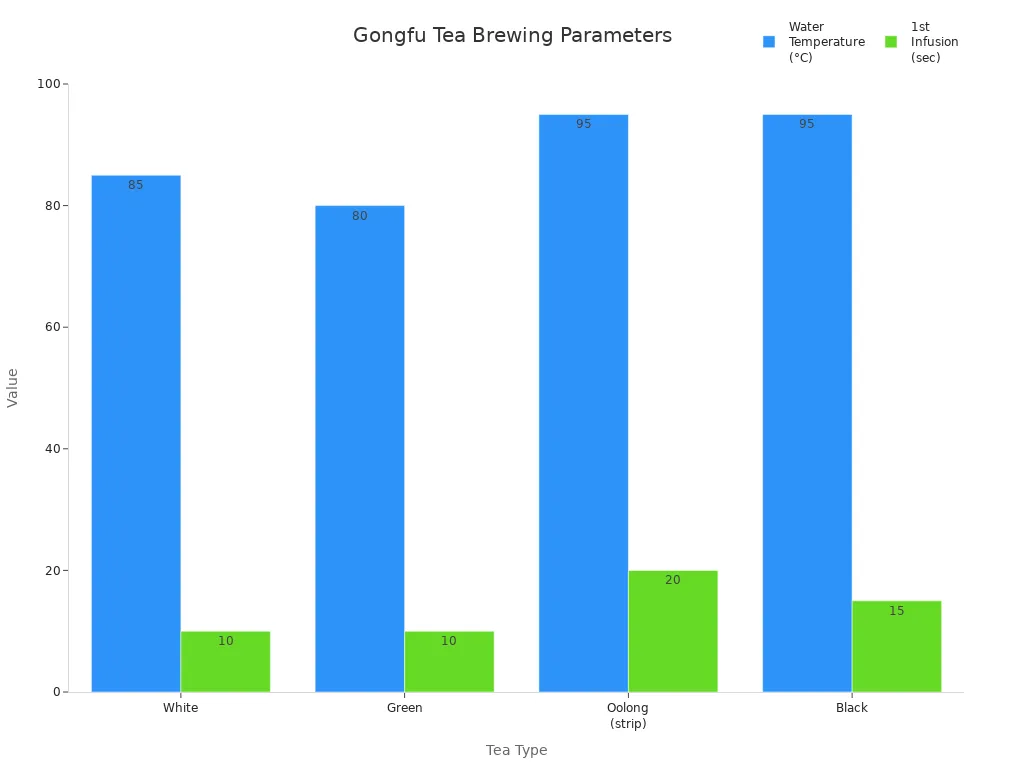
Here’s a handy table for water temperature and brew times:
Tea Type | Water Temperature (°C) | 1st Infusion (seconds) | Additional Infusion (seconds) |
|---|---|---|---|
White | 85 | 10 | +10 |
Green | 80 | 10 | +5 |
Oolong (strip) | 95 | 20 | +5 |
Black | 95 | 15 | +5 |
You can also check this chart for a quick look at tea brewing method details:
When you start brewing, pour hot water over the leaves. Let them steep for the right amount of time. Use a timer or count slowly. Pour the tea into a pitcher, then serve it into small cups. This way, everyone gets the same flavor from each brew. Repeat the process for many infusions. Each brew tastes a little different. You will notice how the flavors change with each round.
Note: Brewing gongfu tea is all about patience and attention. Small changes in water or time can make a big difference.
Savoring the Tea
Savoring tea is more than just drinking. You use all your senses. First, admire the color of the brewed tea. Hold the cup close and breathe in the aroma. Let the scent fill your nose. Take a small sip and let the tea sit in your mouth. Notice the texture, smoothness, and flavor. Each brew brings something new. Enjoy the aftertaste and the lingering aroma in your cup.
Here’s a simple way to savor each cup:
Admire the color and aroma of the brewed tea.
Sip the tea slowly, letting the flavors develop.
Enjoy the unique aftertaste and the aroma left in the teacup.
You will find that tea making becomes a journey. Each brew tells a story. You connect with the tea, the teaware, and the moment.
Cleaning Up
Cleaning up is the last step in your chinese tea session. It shows respect for your teaware and the tradition of tea making. Start by scooping the used leaves from each bowl or teapot. Place them in a wastewater dish. Rinse each bowl and cup, just like you did at the start. Add a little water to each bowl after rinsing. Take your time to clean everything well.
Use gentle cleaning methods like baking soda and vinegar for tough stains.
Avoid strong acids and abrasive tools to protect your teaware.
Condition wooden trays with mineral oil to keep them looking good.
Dry bamboo or wood tables well to prevent moisture damage.
Wipe down your tea space so it looks fresh for next time.
Sit quietly for a few minutes after your guests leave. Let the calm of the ceremony stay with you. Cleaning up is part of the tea brewing method. It helps you finish the session with care and gratitude.
Remember: Good tea making includes both brewing and cleaning. You honor the tea and the tradition with every step.
Tips for a Successful Gongfu Experience
Pouring and Serving Gracefully
You can make your tea ceremony feel special with graceful movements. When you pour tea, do it slowly into small cups. This lets everyone enjoy the aroma, color, and flavor. Try holding the aroma cup and tea cup with your index and middle fingers on both sides. Place your thumb on the bottom of the cup. If you want to transfer tea from the aroma cup to the tea cup, quickly reverse the two cups. Offer the cup with respect. The careful arrangement of teaware shows your style. Each movement becomes a form of art. Practice helps you serve tea smoothly.
Hold cups with your fingers and thumb for better control.
Offer each cup with respect.
Arrange teaware neatly to show your aesthetic sense.
Savoring Aroma and Flavor
You can enjoy tea more when you focus on aroma and flavor. Take small, mindful sips. Notice how the scent fills your nose before you drink. Let the tea sit in your mouth for a moment. Try to taste the different notes in each sip. Encourage your friends to do the same. You will find that each infusion brings new flavors. The gongfu tea ceremony invites you to slow down and appreciate every detail.
Tip: Close your eyes for a second while you smell the tea. This helps you notice subtle aromas.
Creating a Relaxing Atmosphere
You can turn your tea session into a peaceful retreat. Use soft lighting to make the space calm. Play soothing music, like classical Chinese melodies or gentle nature sounds. Burn mild incense that matches the tea’s aroma. These touches help everyone relax. When you brew tea together, you create a tranquil environment. The slow pace lets you savor each sip and enjoy time with friends. Tea becomes a break from daily stress.
Atmosphere Element | How It Helps You Relax |
|---|---|
Soft Lighting | Calms your mind |
Gentle Music | Sets a peaceful mood |
Mild Incense | Enhances tea aroma |
You can make your tea ceremony feel like a mini vacation. Everyone leaves feeling refreshed.
Common Mistakes in Gongfu Tea
You might feel nervous when you start your tea journey. Mistakes happen, but you can fix them. Let’s look at some common errors and how you can avoid them.
Oversteeping or Understeeping
Steeping tea for too long or too short can change everything. If you let the leaves sit in water too long, you lose the best aroma. The tea turns bitter and dull. If you rush the process, the flavor feels weak and unremarkable. Gongfu tea is about quick infusions. You want lively cups, not flat ones.
Here are some mistakes beginners make:
Lost aroma: Brewing too long hides the exciting scents.
Dullness: All cups taste the same, nothing stands out.
Letting leaves sit in rinse water: This drains flavor right at the start.
Using the wrong leaf-to-water ratio: Too much tea makes it bitter, too little makes it bland.
Tip: Use a timer or count slowly. Practice helps you find the perfect steep time.
Water Temperature Issues
Water temperature matters a lot. If you use water that is too hot, delicate teas like green tea lose their subtle flavors. If the water is too cool, oolongs and black teas don’t release their full aroma or sweetness.
Water Temperature | Effect on Tea Type | Result |
|---|---|---|
Too Hot | Damages delicate teas (green tea) | Loss of subtle flavors |
Too Cool | Weakens oolongs and black teas | Lack of aroma and sweetness |
You also want to pay attention to water quality. Bad water can turn special leaves into a dull brew.
Skipping Steps
Sometimes you skip steps because you want to finish quickly. You might forget to rinse the leaves or warm the cups. This can sap the best flavors and ruin the experience. Each step in the ceremony has a purpose. Rinsing leaves wakes them up. Warming cups keeps the tea tasting right. If you skip these, you miss out on the full taste and aroma.
Many beginners think the gongfu tea ceremony is ancient and formal. Actually, it’s a modern practice from China’s tea regions. It doesn’t have strict rules like Japanese tea ceremonies. You can relax and enjoy the process. Just remember, every step helps you make better tea.
Note: Don’t rush. Enjoy each step. Your tea will taste better, and you’ll feel more connected to the moment.
Best Teas and Teaware for Beginners
Beginner-Friendly Teas
Starting your journey with the right tea makes everything easier. You might wonder which teas work best for beginners in the gongfu tea ceremony. Oolong, pu erh, and some black teas are great choices. These teas taste rich and smooth when you brew them using the gongfu method. You can enjoy many short infusions, so you get to taste how the flavor changes with each round. This makes every cup a new experience.
You can also try green or white teas if you feel curious. Many people like to experiment with these lighter teas. They offer gentle flavors and a fresh aroma. The gong fu cha style lets you notice every detail in your cup. You will soon find your favorite.
Here’s a quick list of beginner-friendly teas:
Oolong: Balanced and fragrant
Pu erh: Earthy and mellow
Black tea: Bold and sweet
Green tea: Light and grassy
White tea: Soft and floral
Tip: Start with oolong or black tea if you want a classic Chinese tea experience.
Affordable Teaware from clayesouk
You do not need fancy tools to enjoy your first gongfu tea session. Simple, well-made teaware helps you focus on the taste and the moment. clayesouk offers handmade ceramic cups that are perfect for beginners. These cups feel comfortable in your hand and show off the color of your tea. The smooth rim lets you sip with ease.
Check out this table to see why clayesouk’s ceramic cups stand out:
You can start your chinese tea journey with just a few pieces. A gaiwan, a pitcher, and a set of clayesouk cups will help you enjoy every step. These items make your tea time special without breaking the bank.
Note: Good teaware makes your gongfu tea moments more enjoyable and helps you build a lasting tea habit.
Next Steps in Your Gongfu Journey
Practice and Experiment
You can grow your skills with regular practice. Try following a simple routine each time you brew tea. Start by picking a high-quality loose leaf tea. Oolongs and aged teas work well. Prepare your water at the right temperature for your tea. Warm your teaware before you add the leaves. Use the right amount of tea for your gaiwan. Rinse the leaves to wake them up and remove dust. Brew your first infusion for the correct time. Decant all the tea so you avoid over-steeping. Serve the tea and enjoy the aroma and flavor. For each new infusion, increase the steeping time a little.
Here’s a step-by-step list to help you remember:
Prepare your water.
Warm your vessels.
Add tea leaves.
Rinse the leaves.
Decant fully.
Serve and appreciate.
Try more infusions.
You can experiment with water temperature and steeping time. Adjust these to find the flavor you like best. Over time, you will notice how small changes affect your tea. You build intuition and learn to troubleshoot. Structure helps you understand brewing principles, but intuition makes each session unique. Practice brings harmony to your gongfu tea sessions.
Tip: Keep a notebook to track your experiments. Write down what works and what doesn’t.
Join Tea Communities
You don’t have to learn alone. Tea communities welcome beginners and help you improve. These groups offer educational programs all year. You can join courses and practice at your own pace. Experienced educators guide you and answer your questions. The community supports daily practice and deep learning. You also get to meet people who share your passion for tea.
Tea tables bring people together. You can talk, laugh, and connect while brewing tea. The philosophy of harmony and balance becomes part of your daily life. Communities help you embrace this peaceful mindset.
Here are some active tea communities:
Eastern Tea Academy: Connects you with an international forum for tea lovers. Learn More
Note: Joining a tea community makes learning fun and helps you build lasting friendships.
You can make your tea ceremony special by starting with the basics. Try using a gaiwan, small teacups, and a sharing pitcher from clayesouk. Set a simple goal, like brewing gongfu tea once a week. Regular practice helps you discover new flavors and enjoy the ceremony more. Every session lets you express yourself and learn something new. Take your first step today and explore the world of gongfu tea. 🌱
FAQ
How long does a Gongfu tea session take?
You can finish a basic session in 20–30 minutes. If you want to relax and enjoy more infusions, you can spend up to an hour. Take your time and enjoy each cup.
Do I need special skills to start Gongfu tea?
No special skills are needed. You can follow simple steps and learn as you go. Practice helps you get better. Start with easy teas and basic teaware from clayesouk.
Can I use any teacup for Gongfu tea?
You can use any small cup, but handmade ceramic cups from clayesouk make the experience feel special. They show off the tea’s color and aroma. You also feel the warmth of tradition.
How do I clean my ceramic teaware?
Rinse your cups and teapot with warm water after each use. Let them air dry. Avoid harsh cleaners. For tough stains, use a little baking soda. This keeps your teaware looking beautiful.
