You can find jingdezhen in the center of China’s ceramic history. This city is called the porcelain capital. Artisans here made ceramic jingdezhen famous. They changed how people see Chinese ceramics. For hundreds of years, people came to jingdezhen from many countries. They wanted to learn and get ideas. Today, brands like CLAYE keep this tradition alive. They mix old skills with new ideas. When you look at these ceramics, you see a story. It is about sharing cultures, great art, and lasting beauty.
Key Takeaways
Jingdezhen has a long history as the porcelain capital of China. This history started in the sixth century. The city is known for its ceramic art. People in Jingdezhen have worked with ceramics for many years.
The city has special resources like kaolin and petuntse. These materials help make porcelain smooth and strong. They are important for making high-quality porcelain.
Artisans in Jingdezhen use old methods. These methods are passed down from their families. Each piece shows skill and culture. The work is meaningful to the people.
Modern brands like CLAYE mix old techniques with new designs. This keeps Jingdezhen’s spirit alive. It also attracts people who like modern styles.
Jingdezhen has a big impact on ceramics around the world. It inspires artisans everywhere. The city sets high standards for beauty and skill.
Why Jingdezhen Is the Porcelain Capital of China
Historical Roots of Jingdezhen
The story of Jingdezhen started in the sixth century CE. People began making pottery in this city very early. When Emperor Zhenzong ruled around 1004, Jingdezhen became a big kiln site. The city grew more important as time went on. In the 14th century, Jingdezhen was the biggest place for Chinese porcelain. This fame did not go away. It got even stronger as years passed.
If you look at history, you see that Jingdezhen’s porcelain work never stopped. The city made porcelain through many dynasties. During the Ming and Qing times, new ways and materials were used. The industry changed with society and politics. When the main system ended, private kilns started. There were more styles to choose from. This helped Jingdezhen stay important in porcelain making.
You can see how the city set up its work. At first, families made porcelain near rivers. Later, big places like the Fuliang Porcelain Bureau and the Imperial Kiln Factory were built. These changes show that Jingdezhen always found ways to get better. The city’s story proves why it is called the porcelain capital of China.
Jingdezhen has a long history. You find a city that always loved porcelain. The story still goes on today, linking you to a tradition over a thousand years old.
Imperial Endorsement and Naming
Imperial support was very important for Jingdezhen’s fame. The Song Dynasty gave the city its name. In 1004, Emperor Zhenzong made a rule. He named the city “Jingdezhen” to honor his time as emperor. The name means “Jingde Town,” and connects the city to the emperor.
Imperial kilns were built in Jingdezhen. These kilns made porcelain for the royal family. The city became famous for its great porcelain. The emperor’s support made Jingdezhen the court’s main supplier. This special role helped the city become the porcelain capital.
The city’s name and link to the emperor are more than just history. They show why Jingdezhen is special. The city’s story lives in every piece of porcelain made there. When you hold a cup from Jingdezhen, you hold a piece of history made by emperors and workers.
The emperor’s support gave Jingdezhen its name and fame. You see why the city is called the porcelain capital. The story of Jingdezhen is about tradition, honor, and great skill.
The Legacy of Ceramic Jingdezhen
Abundant Resources and Location
Ceramic jingdezhen became famous because of its natural resources. The area has lots of kaolin and petuntse. These materials are needed for good porcelain. Kaolin comes from granite hills in Gaoling. It has lots of alumina and few impurities. This makes ceramic jingdezhen white and smooth. Petuntse comes from places like Wuyuan and Qimen. It helps clay melt and get strong when fired.
Kaolin and petuntse were used since the Ming dynasty.
The region’s geology is written in manuals and records.
These resources give ceramic jingdezhen its special look and feel.
Geography also helped ceramic jingdezhen become successful. The city is close to rivers and water routes. Rivers made it easy to move materials and porcelain. Water mills helped make porcelain. The city’s location linked it to big markets in China and other countries.
Jingdezhen’s location helped the ceramics industry grow. There are many natural resources, a strong river system, and easy trade routes. These things made ceramic jingdezhen a leader in porcelain.
Evolution of Ceramic Techniques
Ceramic jingdezhen changed a lot over time. At first, artisans tried different glazes. They used limestone to help glazes melt. Later, they moved from Tang green-glazed stoneware to Five Dynasties white ware. Song dynasty brought bluish-white ware. Blue-and-white porcelain became famous in Yuan and Ming dynasties.
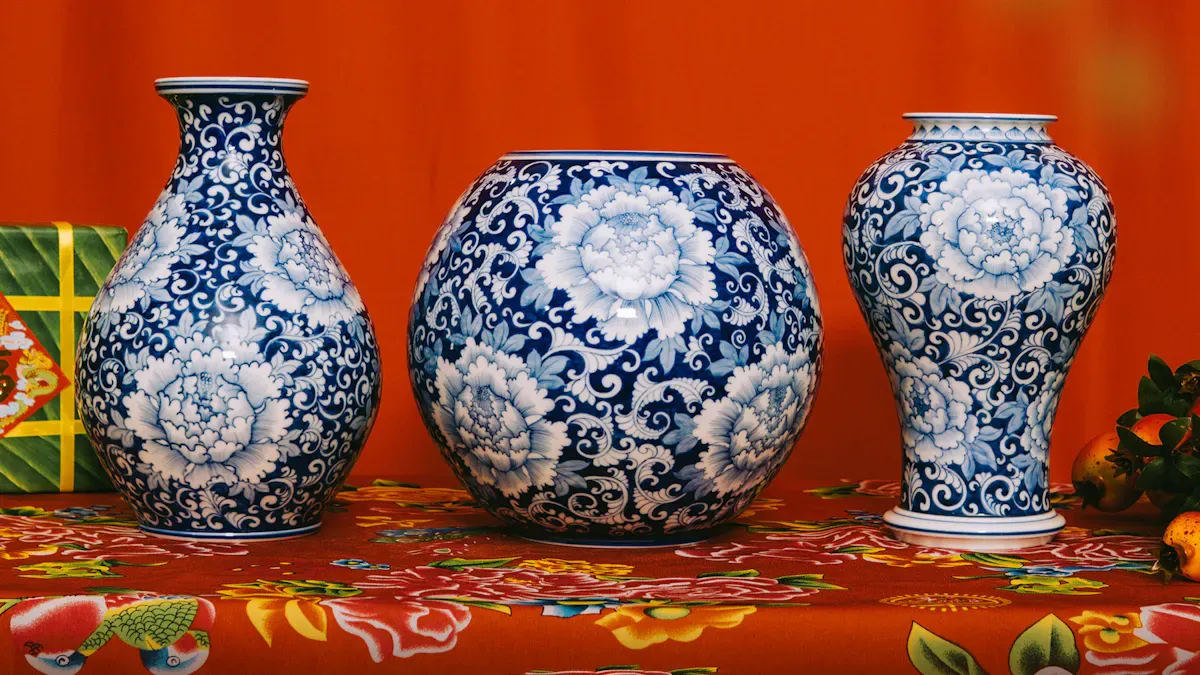
Jingdezhen became known for blue and white porcelain.
Artisans made new ways to fire and glaze porcelain.
Each time period brought new styles and better skills.
Ceramic jingdezhen always improved with new ideas. Artisans learned from each other and from outside places. This spirit of change keeps ceramic jingdezhen important in porcelain art. Today, you can see centuries of skill and creativity in every piece.
Craftsmanship and Innovation in Jingdezhen
Artisan Skills and Traditional Methods
You can see real talent when you watch Jingdezhen artisans. These skilled people use their hands and simple tools to make porcelain. They follow steps that have stayed the same for many years. You learn about Chinese porcelain by watching their careful work. Every step takes a lot of patience and practice.
Here is a table that lists some old methods still used now:
Traditional Method | Description |
|---|---|
Ancient throwing and decorating techniques | Artisans shape and decorate porcelain by hand. |
Wood-fired kilns | These kilns use wood to fire porcelain, giving each piece a special look. |
Potter’s wheel spun counter-clockwise | This old method helps shape the clay evenly. |
Trimming dry bowls to paper thinness | Artisans trim bowls until they are very thin and light. |
Glazing greenware by dipping and pouring | They cover the porcelain with glaze using simple tools. |
Stacking firewood for drying and protection | Careful stacking keeps the porcelain safe during firing. |
Use of saggars in wood-fired kilns | Saggars protect the porcelain from ash and flames. |
Mining, powdering, mixing, slaking, squeezing, pugging | These steps prepare the clay for shaping. |
Slip casting | This method helps make complex shapes. |
Underglaze and overglaze painting techniques | Artisans paint designs with handmade brushes and stencils. |
These methods help keep Jingdezhen’s spirit alive. The focus on detail and tradition makes each piece unique.
Modern Brands and Handmade Ceramics
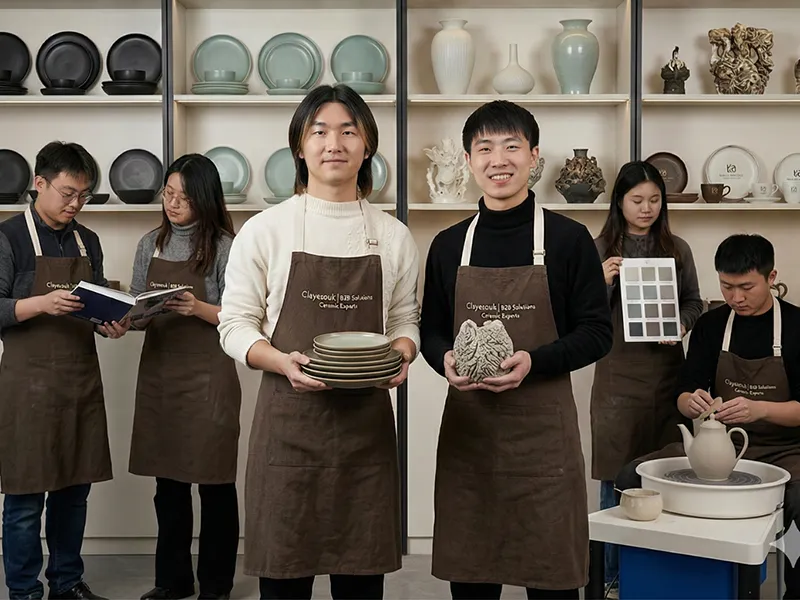
Today, brands like CLAYE respect the past and look ahead. CLAYE uses the best kaolin clay from Jingdezhen. This clay makes porcelain strong and smooth. The artisans at CLAYE learn from masters who teach them. You can see the difference in every cup.
Here are some things that make CLAYE’s ceramics special:
Special glazing methods make beautiful effects.
Designs mix old and new styles.
Each cup is a work of art, not just a product.
You can ask for custom patterns, glazes, or shapes.
CLAYE also works with designers to make new styles. The brand keeps Jingdezhen’s tradition but adds new ideas. You get porcelain that matches your taste and needs.
Here is a table that shows how brands like CLAYE use Jingdezhen’s history:
Aspect | Details |
|---|---|
Jingdezhen Heritage | The brand is known for high-quality porcelain from Jingdezhen. |
Quality Raw Materials | Uses the best kaolin clay for strong and beautiful ceramics. |
Design Innovation | Works with designers to blend tradition and modern style. |
You can enjoy porcelain that links you to history and adds beauty to your life. The skill in each piece shows the heart of Jingdezhen.
Jingdezhen’s Global Influence
Export and International Recognition
Porcelain from Jingdezhen went to many countries. Traders liked these ceramics because they looked nice and were strong. Ships took them to Europe, Asia, and Africa. People in different places wanted porcelain from China. Jingdezhen became the main place for this.
In the 1600s, the Dutch East India Company traded between 30 and 35 million pieces of Chinese and Japanese export porcelain.
The English East India Company imported about 30 million pieces, while the French brought in 12 million, and the Portuguese imported 10 million pieces between 1766 and 1786.
In 2016, collectors paid tens of millions of dollars for historic Chinese export porcelain at auctions.
Jingdezhen porcelain is in museums and collections all over the world. These pieces show how skilled the city’s workers are. They also show how important Jingdezhen was in trade. If you hold a cup or plate from Jingdezhen, you hold history that traveled far.
Impact on World Ceramics
Porcelain from Jingdezhen changed how people made ceramics everywhere. Its influence reached Japan, Egypt, and Europe. Japanese craftsmen learned nara sancai pottery by watching Chinese ways. Egyptian artisans copied glost-firing methods. Dutch potters in Delft made Delftware by copying blue-and-white designs from China.
Making Qinghuaci porcelain takes seventy-two steps. This shows the hard work and skill that started in Jingdezhen. European potters tried to learn these steps to make their own blue-and-white ceramics.
Jingdezhen inspired new styles and ways to make ceramics. The city’s porcelain set a high standard for beauty and quality. Artists and collectors still look to Jingdezhen for ideas today.
Comparing Porcelain Centers
Jingdezhen vs. Other Regions
You might ask how Jingdezhen compares to other famous places. Many cities in Europe and Asia have made ceramics for a long time. Meissen in Germany and Sèvres in France are known for their pretty porcelain. These cities became popular in the 1700s. They made delicate designs and creative styles. Today, they still make old and new pieces.
Jingdezhen is special because it is big and skilled. Workers in Jingdezhen make about 500,000 porcelain pieces each day. There are almost 7,000 ceramic companies and workshops in the city. About 150,000 people work in the porcelain business here. Meissen and Sèvres have fewer workshops and workers. They focus more on art and tradition.
Meissen and Sèvres are famous for their history and beautiful things.
Jingdezhen makes more pieces and has more skilled workers.
All three cities care about tradition and keep getting better.
When you look at porcelain from these cities, you see different stories and styles. Each city adds something special to ceramics.
What Sets Jingdezhen Apart
Jingdezhen has many things that make it different. The city started using blue-and-white porcelain early. Local materials like kaolin clay and porcelain stone helped artists make strong and pretty pieces. Trade with the Middle East brought new colors and ideas. Official and folk kilns worked together. This made new designs and better quality.
Collectors and experts notice special things about Jingdezhen porcelain. You can see these in the table below:
Unique Quality | Description |
|---|---|
Exquisite craftsmanship | Artisans have practiced their skills for hundreds of years. Their pieces are true works of art. |
Unique materials | The fine kaolin clay makes Jingdezhen porcelain strong and delicate. |
Innovative designs | Jingdezhen mixes old and new ideas in porcelain design. |
High quality | Good materials and skill make porcelain that lasts and looks great. |
Exclusivity | Real pieces are rare outside China. Collectors really want them. |
Cultural significance | Designs show Chinese art and symbols. This gives each piece meaning. |
You can see why Jingdezhen is called the porcelain capital. The city’s history, resources, and creativity make it a leader in ceramics.
You can see Jingdezhen’s history in every porcelain piece. The city is famous for its long story and talented workers. Today, brands like CLAYE mix old ways with new looks. This helps keep the art alive.
Museums and festivals help you learn about Jingdezhen.
You can buy real ceramics from studios, galleries, or auctions.
Method | How It Helps You Experience Jingdezhen Ceramics |
|---|---|
Artisan Studios | You can buy handmade pieces with proof they are real |
Cultural Festivals | You can meet artists and watch them work |
Online Marketplaces | You can find special designs, but check if sellers are trusted |
You can enjoy the beauty and skill of Jingdezhen ceramics in your life.
FAQ
What makes Jingdezhen porcelain unique?
Jingdezhen porcelain is special for several reasons. It uses fine kaolin clay. Skilled artisans make each piece by hand. They use old techniques passed down for centuries. Every cup or plate shows tradition and creativity. The porcelain is beautiful and strong.
How can you tell if a ceramic piece is from Jingdezhen?
You can check the texture. It feels smooth and looks bright white. The designs are hand-painted and very detailed. Some pieces have marks or stamps from Jingdezhen. The porcelain is high quality and light in weight.
Why do people call Jingdezhen the ancient porcelain city?
People call Jingdezhen this because it has made porcelain for over a thousand years. The city has a long history and many resources. Skilled workers helped Jingdezhen become the center of Chinese ceramics.
Can you visit workshops in Jingdezhen?
You can visit many studios and museums in Jingdezhen. You may watch artists work and join classes. You can buy handmade pieces straight from the makers.
Are Jingdezhen ceramics good for daily use?
Jingdezhen ceramics are strong and safe. You can use them every day. They are easy to clean. Many people collect them as art or gifts.